
48-Hour Escapes: How Micro-Adventures Are Redefining Travel in 2025
Short, 24–48 hour micro-adventures close to home are exploding in popularity in 2025, transforming weekends into compact, soul-refreshing escapes. Travelers are trading long-haul flights for train rides, shared cars, and local cabins, discovering that one carefully planned night away can deliver the same sense of reset as a week-long holiday—at a fraction of the cost, time, and carbon footprint.
Why 48-Hour Escapes Are Everywhere in 2025 ⏱️
Scroll TikTok, Instagram Reels, or YouTube Shorts today and you’ll see a familiar structure: clock on a laptop hits 5:30 p.m. Friday, a quick cut to a backpack by the door, then trains, cabins, coastlines, and Sunday-night returns. These tightly edited “48-hour escapes” or “weekend resets” have become a blueprint for people who crave novelty but live on tight schedules and tighter budgets.
In 2025, creators increasingly share:
- Real-time budget breakdowns (train vs. fuel costs, split cabin prices, campsite fees).
- Pack-light lists that fit under a train seat or into a bike pannier.
- Minute-by-minute micro-itineraries that show how to turn one full day away into a complete reset.
The appeal is clear: no time-off approvals, no jet lag, no complicated logistics—just intentional, repeatable escapes that fit between work, study, and family life.
What Exactly Is a Micro-Adventure? 🏕️
A micro-adventure is a deliberately short, local or near-local trip designed to feel big in experience but small in planning and cost. Think 12–48 hours, usually within a 1–3 hour radius of home, with simple gear and a clear objective: see a sunrise, sleep outdoors, touch the sea, or explore a new trail.
Simple rule: if you can leave after work and still be back, showered, and ready for Monday, it’s a micro-adventure.
Typical micro-adventures trending in 2025 include:
- One-night forest cabins or tiny-house stays with big windows and zero agendas.
- Train rides to small coastal towns for sunrise swims and seafood dinners.
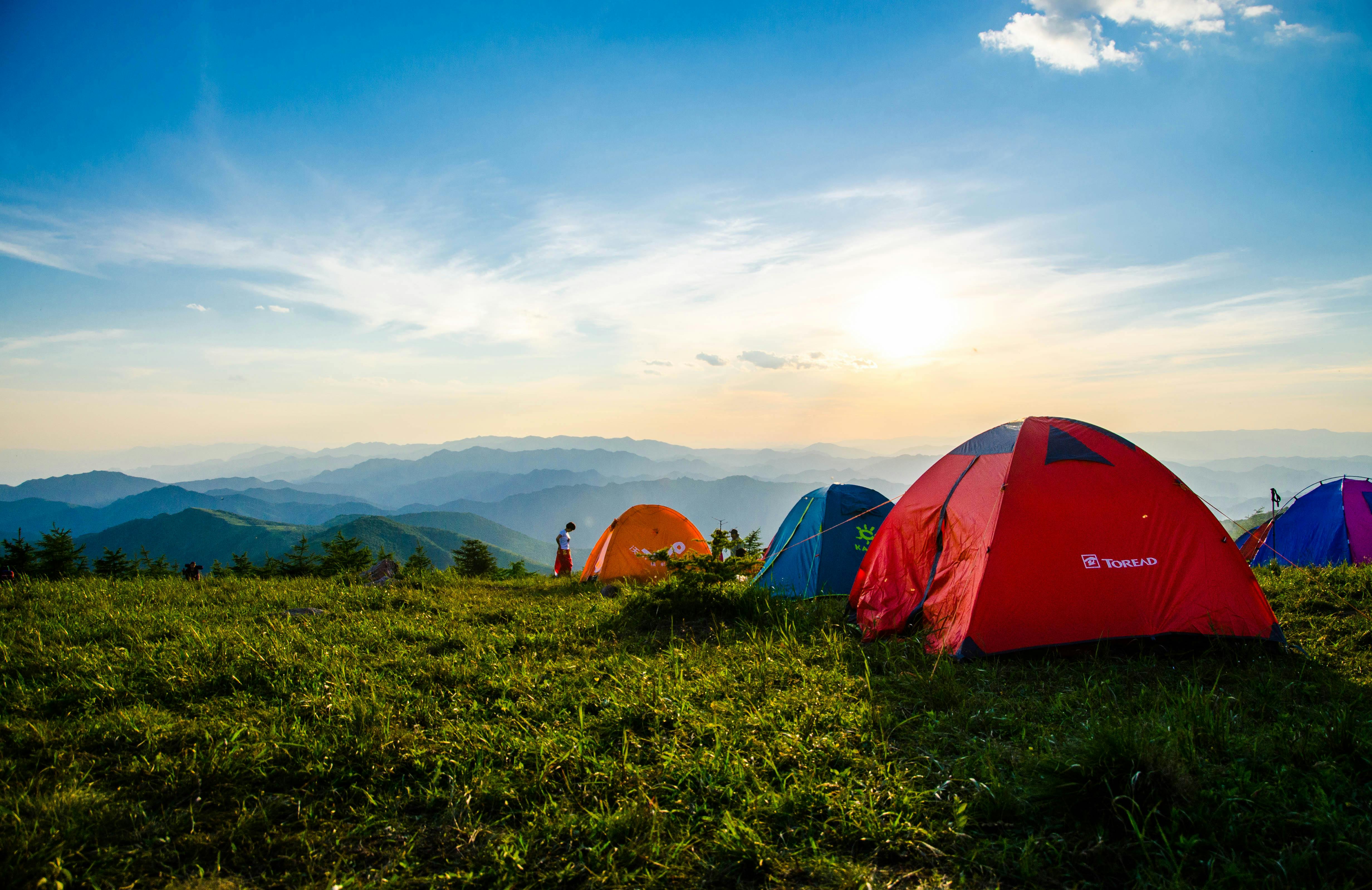
- Overnight hammock or tent camps on legal wild-camping spots or low-key campgrounds.
- Urban micro-adventures: dusk-to-dawn city walks, rooftop sunsets, or night cycling loops.
Burnout, Screens & the Wellness Angle 🌿
The micro-adventure trend is deeply wired into the 2025 wellness conversation. Content tagged with phrases like “digital detox weekend,” “nervous system reset,” and “soft adventure” is surging. Instead of spa packages, people are prescribing themselves:
- Hikes that are long enough to clear the mind but short enough for beginners.
- Cold-water dips—from alpine lakes to winter beaches—framed as low-cost therapy.
- Sunrise rituals (pour-over coffee, journal, and a blanket on a viewpoint).
- Campfire cooking as both comfort and creative outlet.
Podcasts and Spotify playlists now guide listeners through “48-hour reset frameworks,” mixing safety advice with reflective prompts. The message is consistent: you don’t have to flee your life; you just need to step outside it for a night.
Low-Carbon Adventure: Travel Without the Guilt 🌍
As climate anxiety grows, 2025 travelers are embracing the idea that the most ethical trip might be the one that stays close to home. Micro-adventures align neatly with this mindset, especially when done on foot, by bike, or via public transport.
- Trains and regional buses often form the backbone of 48-hour escape itineraries.
- Car-sharing splits both the cost and the emissions for friends heading to the same trailhead.
- “Adventure where you are” campaigns from outdoor brands encourage swapping one long-haul flight for several local overnights per year.
For younger travelers especially, the narrative has shifted: meaningful travel is less about distance and more about intention—and frequency.
How Media & Brands Are Fueling the Craze 📲
Traditional travel media and outdoor brands are now racing to keep up with what creators sparked from their bedrooms and backpacks. In 2025, high-performing content often looks like:
- “Within 3 hours of <Your City>” guides optimized for rail routes and scenic drives.
- Glamping and cabin collaborations where influencers show repeatable, season-specific weekend itineraries.
- Pinterest boards and Instagram carousels that people save as “emergency escape plans” for stressful months.
Rail operators, boutique cabin companies, and local tourism boards are all leaning into the language of “reset,” “pause,” and “micro-adventure” to meet travelers where they already are: tired, online, and looking for something that feels both doable and different.
Designing Your Own 48-Hour Escape: A Simple Framework 🧭
You don’t need to live near mountains or oceans to join the micro-adventure movement. What you need is a clear structure and a bit of intention. Use this flexible template for any weekend:
- Choose your theme
Examples: “forest reset,” “city night walk,” “coastal swim,” “river cycling loop,” “stargazing camp.” - Set your radius
Aim for under 3 hours door-to-door. Filter by “reachable by train/bus within 2–3 hours” or “within one full EV charge” if you’re driving. - Lock in one “anchor moment”
A sunrise summit, a lakeside brunch, a sunset pier walk, a thermal bath, a night market—this is the memory you’re designing the trip around. - Timebox your weekend
Friday: depart after work; Saturday: full exploration; Sunday: slow morning and return with a buffer so Monday doesn’t feel like a crash landing. - Keep gear minimal but intentional
Think capsule packing: layers, compact rain shell, a warm hat, portable battery, refillable bottle, and a tiny comfort item (favorite coffee, a book, or a journal).
Budgeting for Micro-Adventures: Make It a Habit, Not a Splurge 💸
Because these escapes are short and close to home, they can sneak into your life regularly—if you keep costs under control. Many 2025 creators are transparent about every euro, dollar, or rupee they spend, inspiring viewers to do the same.
- Transport: Look for off-peak rail fares, regional passes, or split fuel between friends.
- Stay: Mix campgrounds, hostels, and occasional cabins; consider midweek overnights if your schedule allows.
- Food: Make one meal a “treat” and DIY the rest with simple recipes: one-pot pasta, foil-pack veggies, campfire toasties.
- Gear: Borrow, rent, or buy second-hand for tents, stoves, and backpacks until you know what you’ll use regularly.
Many travelers now create a small “escape fund,” topping it up monthly so that when a sunny weekend appears, money isn’t the barrier.
Safety, Accessibility & Inclusivity on Short Trips 🛡️
Micro-adventures thrive when they feel safe and accessible. Recent podcast episodes and creator guides emphasize:
- Sharing your plan with a friend or family member, including route, accommodation, and expected return time.
- Checking weather and daylight carefully—short trips leave less room for error.
- Matching routes to ability, including low-impact options like flat riverside paths, boardwalks, and urban parks.
- Considering accessibility needs by choosing step-free trails, public transport–friendly destinations, or accommodation with detailed access info.
The best 48-hour escapes are those that feel empowering, not intimidating.
Seasonal Micro-Adventures for 2025 ❄️🌸☀️🍂
One reason micro-adventures are so addictive is that they change with the seasons, turning your own region into an evolving playground. Ideas that are trending this year:
- Winter: Frosty forest walks, thermal spa overnights, stargazing from a glass-roof cabin, sunrise city viewpoints with hot chocolate.
- Spring: Blossom-spotting bike rides, riverbank picnics, wet-weather hut stays with board games and books.
- Summer: Lake swimming weekends, night markets, sunrise hikes followed by afternoon naps in shaded hammocks.
- Autumn: Foliage road trips, harvest festivals, foggy valley lookouts, cozy barn stays with local food tastings.
Start This Month: A Plug-and-Play 48-Hour Escape Template 📅
Use this adaptable template to plan your next micro-adventure without overthinking it:
Friday
Leave within 90 minutes of finishing work or study. Eat dinner on the train or pack a simple snack box. Arrive before midnight, take a short walk to orient yourself, then unplug—airplane mode encouraged.
Saturday
Wake without an alarm if possible. Plan one anchor activity (a hike, swim, gallery visit, bike ride) and surround it with slow rituals: long coffee, reading, or simply watching the landscape change. Keep your phone mostly for navigation and a handful of photos.
Sunday
Enjoy a final walk, café stop, or dip. Aim to be home with at least a few evening hours to reset—laundry, meal prep, maybe a warm bath—so your micro-adventure blends into your week instead of crashing into it.
Repeat monthly, rotating themes and directions, and you’ll slowly build a map of memories within a short radius of your own front door.
From Big Trips to Small Rituals: The New Shape of Travel ✨
Micro-adventures don’t replace epic journeys, but in 2025 they’re redefining what “being a traveler” means. You no longer have to wait for a once-a-year flight to feel like you’ve stepped out of your routine. With a backpack, a train ticket, and one night away, you can turn any ordinary weekend into a story worth telling—close to home, kind to your budget, and gentler on the planet.
The question isn’t where you might go someday. It’s this: where could you be, 3 hours from now, if you packed a bag and walked out the door?
