
Flu Cases in Scotland Have Doubled: What This Means for You and How to Stay Protected
Flu cases in Scotland have more than doubled in a single week, with confirmed infections jumping from 845 to 1,759 between 24 and 30 November, according to the latest Public Health Scotland (PHS) data. If you’re feeling a mix of concern and fatigue after several tough winters, you are far from alone.
This flu surge doesn’t mean everyone will get seriously ill, but it is a clear signal that flu season has arrived in force. In this guide, we’ll unpack what these numbers actually mean, who is most at risk, and the most effective, realistic steps you can take to protect yourself, your family, and your community—without panic or overreaction.
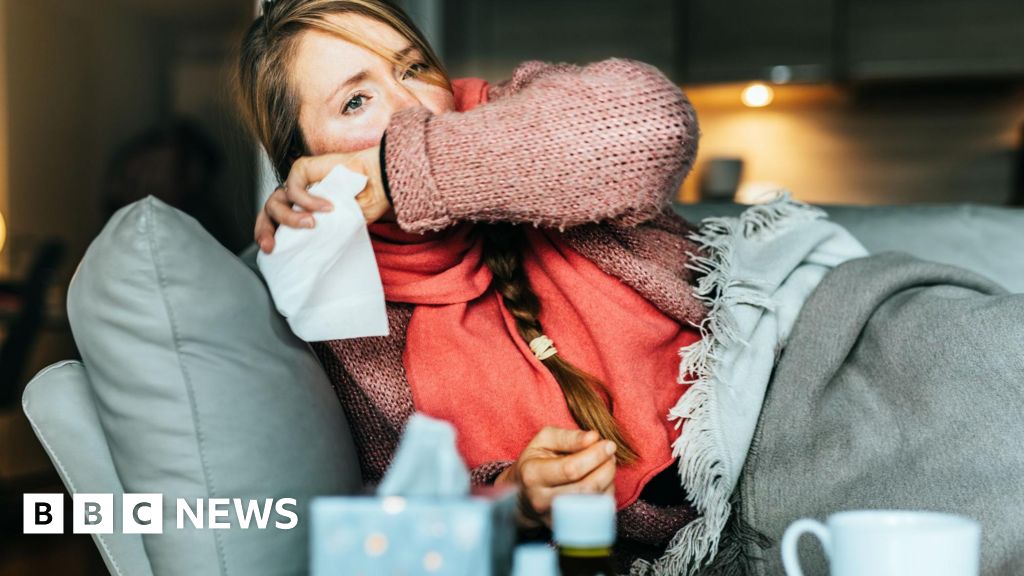
Throughout, we’ll draw on publicly available data from PHS and wider scientific evidence, but we’ll keep the focus on practical, doable steps you can start today.
What the Surge in Flu Cases in Scotland Really Means
According to recent PHS reports, lab-confirmed flu cases in Scotland rose from 845 to 1,759 within one week at the end of November. That more-than-doubling is a strong indication that flu is circulating widely in the community and that Scotland has now entered the higher-intensity phase of the flu season.
Flu seasons vary year to year. Some winters are relatively mild; others place significant strain on hospitals and GP services. A rapid rise like this suggests:
- More people are becoming unwell with flu-like symptoms.
- Hospitals and GP practices may start to feel increased pressure.
- Those at higher risk (older adults, people with chronic conditions, pregnant people, and young children) may face a higher chance of complications if infected.
It does not mean that everyone will get severe flu, or that the situation is out of control. It is, however, an important cue to pay attention and update your personal and household prevention plans.
“Surges in lab-confirmed cases tell us flu is actively circulating. That’s the moment when simple behaviours—vaccination, hand hygiene, and staying home when ill—make a meaningful difference at population level.”
— Consultant in Public Health Medicine, summarising typical PHS guidance
Who Is Most at Risk From the Current Flu Wave in Scotland?
While anyone can catch flu, some groups are more likely to develop complications such as pneumonia, worsening of existing heart or lung disease, or hospitalisation.
Based on long-standing NHS and PHS guidance, higher-risk groups typically include:
- Adults aged 65 and over
- People with chronic conditions (for example: heart disease, COPD, severe asthma, diabetes, kidney or liver disease, weakened immune systems)
- Pregnant people
- Residents of care homes or long-term care facilities
- Young children, especially under 5, and those with underlying health problems
- Frontline health and social care workers
If you or someone you care for falls into one of these categories, the current rise in flu cases is a signal to review vaccination status and have a clear plan for what to do if symptoms appear.
Flu vs. a Bad Cold: Key Symptoms to Watch For
During a surge, it can be difficult to know whether you’re coming down with flu, a common cold, or another respiratory virus. While only a test can confirm flu, these general patterns can help you judge when to rest, when to seek help, and when to stay away from others.
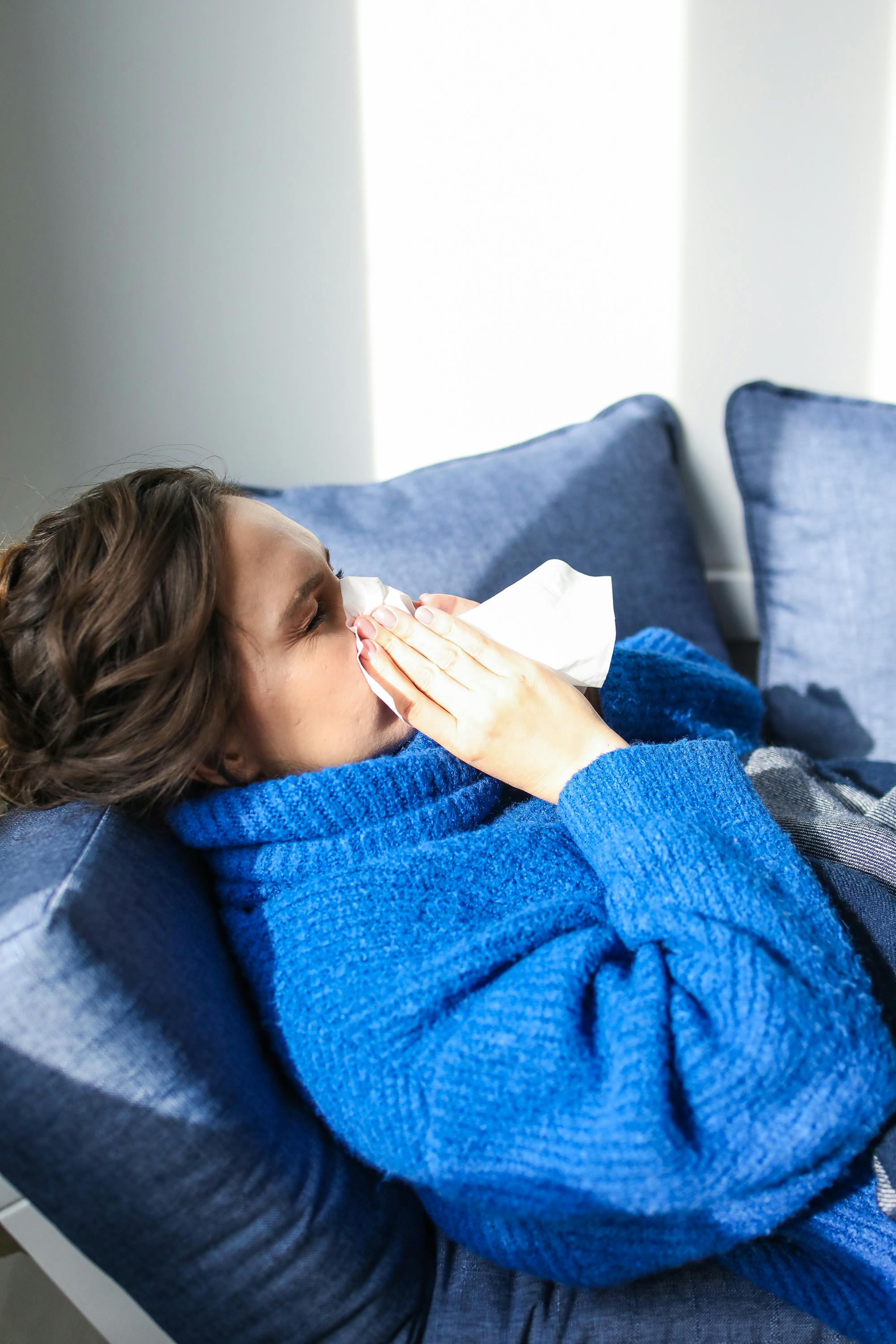
Flu symptoms often include:
- Sudden onset of high temperature
- Severe tiredness and weakness
- Aches and pains in muscles and joints
- Dry cough and sore throat
- Headache, sometimes with eye pain
- Occasionally, nausea, vomiting, or diarrhoea (more common in children)
Typical cold symptoms:
- Gradual onset
- Runny or blocked nose
- Mild sore throat
- Milder fatigue
- Rarely causes high fever in adults
Practical Ways to Protect Yourself During Scotland’s Flu Surge
There is no way to reduce risk to zero, but a layered approach can significantly lower your chances of catching or spreading flu. These actions are supported by decades of research and are regularly recommended by public health agencies.
1. Prioritise Flu Vaccination if You’re Eligible
Flu vaccines are updated each year to match circulating strains as closely as possible. While effectiveness can vary, vaccination consistently reduces the risk of severe illness, hospitalisation, and death in high‑risk groups.
- Check eligibility through your GP, pharmacy, workplace, or NHS Inform.
- Book as soon as possible—protection builds over about two weeks.
- Encourage eligible family members, especially older relatives and children, to do the same.
2. Strengthen Everyday Hygiene Habits
- Wash hands regularly with soap and water for at least 20 seconds.
- Use alcohol-based hand sanitiser when soap and water aren’t available.
- Avoid touching your eyes, nose, and mouth with unwashed hands.
- Cover coughs and sneezes with a tissue or the crook of your elbow, not your hands.
3. Improve Indoor Air and Consider Masks in Crowded Places
Flu spreads more easily in poorly ventilated, crowded indoor spaces.
- Open windows or vents where possible, even for short periods.
- Use mechanical ventilation or air purifiers if available, especially in workplaces or shared homes.
- In busy indoor settings (buses, trains, crowded shops), wearing a well‑fitting mask can reduce both your exposure and what you breathe out.

4. Stay Home When You’re Unwell, If You Can
One of the most powerful, and often hardest, behaviours is simply staying home when you are ill enough to spread flu. Many outbreaks are traced back to “soldiering on” while infectious.
- Rest at home if you have a high fever, new cough, and feel unwell.
- Talk to your employer about sickness policies before you’re ill so you know your options.
- Use remote options (video calls, email) instead of in‑person meetings when symptomatic.
A Realistic Case Study: One Family’s Approach to a Flu Surge
To make this more concrete, imagine a family living near Glasgow: two working parents, a 4‑year‑old in nursery, and a grandparent who visits weekly.
When they hear that flu cases in Scotland have more than doubled, their first reaction is worry—especially for the grandparent, who has heart disease. Instead of panicking, they sit down one evening and create a simple plan:
- They confirm that the grandparent and the 4‑year‑old are both eligible for free flu vaccination and book appointments.
- They agree that if anyone has a fever and cough, visits with the grandparent will move online or outdoors until they recover.
- They place hand sanitiser by the front door and in the car, and start using it as a routine “in and out of the house” habit.
- They talk to their employers about working from home for a couple of days if flu-like illness hits, so they’re not pressured to commute while unwell.
This family can’t control the numbers on the PHS dashboard, but they can lower the likelihood of severe illness in their household and reduce the chance of passing flu to others.
How Rising Flu Cases Affect the NHS and Why Your Choices Matter
When flu cases climb quickly, as current figures in Scotland show, health services feel the impact. More people attend GP surgeries and out-of-hours services, and hospital admissions for respiratory illness may rise, especially among older adults and people with chronic conditions.

Your individual actions—vaccination, staying home when sick, hand hygiene, and using services appropriately—may feel small, but at scale they help:
- Reduce the number of people needing urgent care at the same time
- Protect healthcare workers from infection
- Ensure hospital beds are available for those who truly need them
“We don’t need everyone to do everything perfectly. But when thousands of people make small, sensible choices during a surge, we keep services more stable and protect the most vulnerable.”
— Senior NHS clinician, winter resilience commentary
Common Obstacles—and How to Overcome Them Without Guilt
Many people know the recommendations but struggle to follow them in real life. Work pressure, caring responsibilities, cost of living stress, and pandemic fatigue all play a role. It’s important to acknowledge these realities rather than simply telling people to “try harder.”
“I can’t afford to take time off work.”
- Check your rights to sick pay or support schemes; many people are unaware of what they’re entitled to.
- Talk to your manager proactively about how you can work from home if you’re well enough but infectious.
- If you must attend in person, increase other protections (masking, hand hygiene, spacing) to reduce transmission risk.
“I’m not sure if it’s just a cold.”
- If you have a fever and feel suddenly very unwell, act as if it’s flu: rest, hydrate, and stay home if possible.
- Use NHS 24 (111 in Scotland) or NHS Inform symptom checkers for guidance on when to seek further help.
“I had flu before and it wasn’t too bad—do I really need the vaccine?”
Every season is different, your health status changes over time, and even if you’re likely to have only mild illness, you can pass flu to someone at much higher risk. Vaccination is partly about protecting others as well as yourself.
What Does the Evidence Say About These Flu Prevention Strategies?
The recommendations above are grounded in a large body of research rather than quick fixes or miracle claims.
- Vaccination: Seasonal flu vaccines have repeatedly been shown to reduce hospitalisations and deaths, particularly among older adults and people with chronic illnesses. Effectiveness varies by season and age group but remains a key tool in public health strategies.
- Hand hygiene: Systematic reviews have found that regular hand washing and use of alcohol-based sanitisers reduce the spread of respiratory viruses, including flu, especially in households and schools.
- Masks and ventilation: Evidence from both flu and other respiratory infections indicates that improving air quality and using masks in crowded indoor spaces can reduce transmission, particularly during periods of high community circulation.
For more detailed information, you can explore resources from:
Your 10-Minute Action Plan for the Week Ahead
With flu cases in Scotland rising quickly, a short, focused check‑in can make the weeks ahead safer and less stressful.
- Confirm eligibility: Spend 2 minutes checking whether you and your household members are eligible for a free flu jab.
- Book appointments: Use your GP, pharmacy, or local health board website to book vaccination if appropriate.
- Stock essentials: Make sure you have paracetamol or ibuprofen (if suitable for you), a thermometer, tissues, and fluids at home.
- Agree a “when sick” plan: Talk with your household or workplace about what happens if someone becomes unwell—who can stay home, who can cover shifts, how to reduce spread.
- Improve one habit: Choose a single change to start today: opening windows more often, carrying hand sanitiser, or wearing a mask on busy public transport.
Moving Through This Flu Season With Calm and Care
The recent Public Health Scotland data—showing lab-confirmed flu cases more than doubling in a week—are a clear reminder that flu is circulating widely in Scotland right now. It is understandable to feel anxious, especially after challenging winters and ongoing pressure on the NHS.
At the same time, there is a lot you can do—without shutting down your life—to reduce risk and protect those who are most vulnerable:
- Get vaccinated if you’re eligible.
- Practice consistent hand hygiene and respiratory etiquette.
- Improve ventilation and consider masks in crowded indoor spaces.
- Stay home when you’re significantly unwell, if you possibly can.
- Use NHS resources wisely and seek urgent help when red‑flag symptoms appear.
You don’t have to do everything perfectly. Each small, thoughtful step you take helps protect you, your loved ones, and your community during this period of heightened flu activity.
Call to action: Before the end of today, choose one concrete step—booking a vaccine, checking in on an older relative, or setting up a “when we’re sick” plan—and put it into action. The numbers may be going up, but your choices still matter.
