
Why the CDC’s Delayed Hepatitis B Vaccine Vote Matters More Than the Chaos
CDC Hepatitis B Vaccine Vote Delayed: What the Chaos Really Means for Your Health
The CDC’s vaccine advisory panel has once again delayed a key vote on hepatitis B vaccines after a tense, unruly meeting filled with misinformation and public outbursts. If you saw the headlines or clips on social media, you may be feeling confused, frustrated, or even a bit alarmed about what this means for hepatitis B protection in the United States.
Let’s unpack what actually happened, why the vote was postponed, and—most importantly—what this means for you, your family, and your ability to make informed, confident decisions about hepatitis B vaccination.
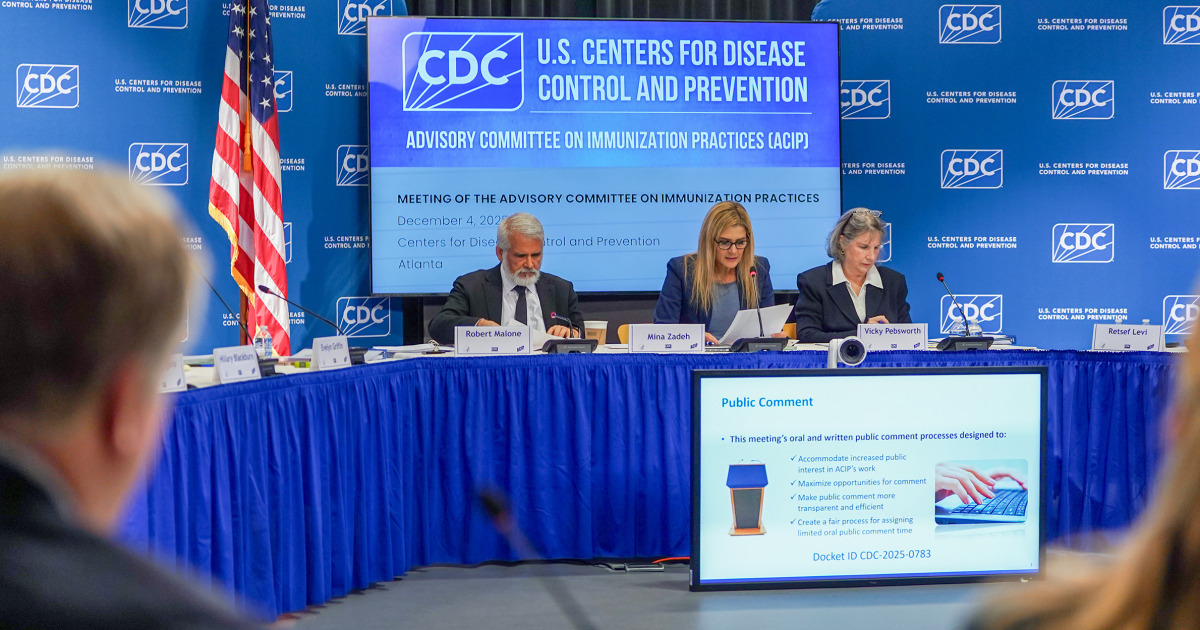
What Actually Happened at the CDC Hepatitis B Vaccine Meeting?
According to reporting from NBC News, the CDC’s Advisory Committee on Immunization Practices (ACIP) was expected to vote on updated recommendations for hepatitis B vaccination. Instead, the meeting was derailed by:
- Disruptive interruptions from attendees challenging vaccine safety without credible evidence
- Repeated sharing of misinformation about vaccine risks
- Extended debate and procedural delays that left too little time for a formal vote
The result: the panel postponed the vote to a future session. This doesn’t mean hepatitis B vaccines were “stopped,” “banned,” or deemed unsafe. Instead, it means:
- Existing hepatitis B vaccine recommendations remain in effect.
- No new changes—such as expanding or tightening guidelines—have been formally adopted yet.
- The panel intends to revisit the issue in a more orderly, evidence-focused setting.
“A delayed vote is not a safety signal. It’s a signal that the process is being slowed by noise, not by new scientific concerns.”
— Infectious disease specialist, commenting on the meeting dynamics
Hepatitis B Basics: Why This Vaccine Matters
Hepatitis B is a viral infection that attacks the liver and can lead to chronic disease, cirrhosis, liver failure, and liver cancer. It spreads through blood and body fluids—often through sexual contact, sharing needles, or from mother to baby during childbirth.
Globally, hepatitis B remains a major cause of liver-related deaths. In the U.S., routine vaccination has dramatically reduced new infections, especially in children, but adults—particularly those who missed vaccines earlier in life—still face preventable risk.
- There is no cure for chronic hepatitis B once it is established.
- Vaccination is the main long-term protection strategy.
- Most healthy adults who complete the vaccine series develop strong, lasting immunity.
What the Delayed CDC Vote Does—and Does Not—Mean
A high-profile, contentious meeting can easily create the impression that something is “wrong” with a vaccine. It’s important to separate perception from reality.
What the delay does not mean
- It does not mean hepatitis B vaccines were found unsafe or ineffective.
- It does not mean people should stop or delay recommended vaccination.
- It does not overturn existing CDC or professional society guidelines.
What the delay does mean
- The panel wants more time for structured discussion amid a noisy, sometimes hostile environment.
- Final decisions on updated recommendations are on hold.
- Public pressure and misinformation are influencing process, not the underlying scientific evidence.
In practice, if your clinician recommends hepatitis B vaccination today, they are doing so based on long-standing evidence and existing CDC guidance, not on this single, disrupted meeting.
Why the Meeting Turned Chaotic: The Misinformation Problem
Public comment is a vital part of democratic health policymaking. But in recent years, advisory meetings have increasingly become targets for organized campaigns that spread misleading or false claims about vaccines.
At the recent hepatitis B session, many speakers reportedly:
- Cited studies out of context or from low-quality sources
- Linked hepatitis B vaccines to unrelated conditions without credible evidence
- Accused panel members of corruption or bad faith, eroding constructive dialogue
“It’s normal and healthy to have questions about vaccines. The challenge is that social media can make it very hard to tell the difference between a thoughtful critique and a claim that has already been thoroughly debunked.”
— Public health communication researcher
When meetings are dominated by misinformation, it doesn’t make vaccines safer. It just slows down the process of refining recommendations and can leave the public more anxious and less informed.
How Vaccine Decisions Are Actually Made at the CDC
Despite the noise around this meeting, the infrastructure behind vaccine decisions in the U.S. is deliberately conservative and evidence-heavy. The Advisory Committee on Immunization Practices (ACIP):
- Reviews multiple large studies, surveillance data, and safety monitoring reports
- Weighs benefits (like preventing liver cancer) against potential risks
- Hears from independent experts in infectious disease, epidemiology, ethics, and economics
- Operates under strict conflict-of-interest rules
Their role is not to “approve” vaccines (that’s an FDA job) but to recommend:
- Who should get a given vaccine (for example, all adults vs. only certain risk groups)
- When doses should be given
- How new data should be integrated over time
What You Should Do About Hepatitis B Vaccination Right Now
If the headlines left you wondering whether to start, continue, or delay hepatitis B vaccination, you’re not alone. Here’s a practical, evidence-informed approach.
1. Check your hepatitis B vaccine status
- Look at your medical records, patient portal, or old immunization cards.
- If you’re unsure, ask your clinician or local health department—simple blood tests can sometimes confirm immunity.
2. Discuss your individual risk with a trusted clinician
People at higher risk for hepatitis B include:
- Healthcare workers and first responders
- People with multiple sexual partners or with a partner who has hepatitis B
- People who inject drugs or share needles
- Individuals on dialysis or with certain chronic liver or kidney conditions
- People born in or traveling to areas where hepatitis B is more common
For most people in these groups, major medical organizations continue to recommend completing the hepatitis B vaccine series.
3. Use high-quality sources to answer your questions
When you run into a concerning claim on social media, try:
- Checking the CDC hepatitis B resources
- Reviewing information from the Hepatitis B Foundation
- Asking your doctor, pharmacist, or nurse directly and bringing the specific claim with you

Common Obstacles: Fear, Confusion, and Information Overload
Feeling overwhelmed by conflicting headlines is a completely human response. Many people who ultimately choose to vaccinate walk through a period of doubt first.
In my work with adults catching up on missed vaccines, a typical pattern looks like this:
- Initial worry: A dramatic headline or viral post triggers anxiety.
- Deep dive: Late-night searching leads to a mix of high-quality studies and fringe websites.
- Paralysis: With no clear way to judge sources, people feel “stuck” and delay decisions.
What consistently helped people move forward was not more data alone, but:
- A clinician who listened without judgment
- Clear explanations of personal risk (for example, due to a medical condition or job)
- Honest discussion of side effects and how they are monitored long-term
What the Evidence and Experts Say About Hepatitis B Vaccines
Decades of data from millions of doses give us a relatively clear picture of the benefits and risks of hepatitis B vaccination.
Benefits supported by research
- Reduced new infections: Countries with routine infant vaccination have seen dramatic drops in hepatitis B rates.
- Lower liver cancer risk: Long-term follow-up studies show fewer cases of hepatocellular carcinoma in vaccinated populations.
- Protection of vulnerable groups: Healthcare workers and other high-risk groups have substantially lower infection rates when vaccinated.
Known risks and side effects
- Short-term soreness, redness, or swelling at the injection site
- Occasional mild fever or fatigue
- Very rare serious allergic reactions (anaphylaxis), typically occurring shortly after the shot
Large safety reviews by agencies like the U.S. CDC, the World Health Organization, and the European Medicines Agency have not found credible evidence linking hepatitis B vaccines to the chronic conditions often mentioned in online forums. As always, ongoing monitoring continues, and recommendations are updated when strong new evidence emerges.
How to Read Future Headlines About the CDC and Vaccines
The hepatitis B meeting is unlikely to be the last contentious vaccine story you encounter. You can protect your peace of mind—and your health—by using a simple checklist when you see alarming news:
- Distinguish process from substance. Is the story about how a decision was made, or about new evidence on safety/efficacy?
- Look for primary sources. Does the article link directly to CDC pages, official reports, or peer-reviewed studies?
- Check expert consensus. Are multiple independent experts saying similar things, or is the piece relying on a single, fringe voice?
- Notice emotional language. Headlines designed to shock or outrage often oversimplify or distort.
Before and After: The Impact of Hepatitis B Vaccination Programs
One way to cut through the noise is to look at population-level changes before and after widespread vaccination.


While exact numbers vary by region, this “before and after” pattern has been reported consistently in peer-reviewed research and by public health agencies worldwide.
Staying Grounded Amid the Noise: Your Next Best Step
The CDC’s delayed vote on hepatitis B vaccines makes for dramatic headlines, especially when the meeting itself turns chaotic. But beneath the noise, the fundamentals have not changed: hepatitis B remains a serious, preventable cause of liver disease, and the vaccines we have are backed by decades of safety and effectiveness data.
You don’t need to become an expert in advisory committee procedures to protect your health. You do deserve clear, honest information and space to ask hard questions.
If you’re uncertain about your hepatitis B status or what to do next:
- Check or request your vaccination records.
- Schedule a visit or telehealth call with a trusted clinician.
- Bring your questions—including the headlines and posts that worry you—and talk them through together.
Policy debates will continue, and some meetings will be messy. Your decisions, though, can be calm, informed, and centered on your own values and risk. One thoughtful conversation with a clinician you trust will do far more for your health than any viral clip from a chaotic hearing.
Your liver health is too important to leave to the loudest voices in the room—focus instead on the best evidence, the most reliable experts, and what makes sense for you.
