
Fallout Season 2: How Prime Video Turned a Cult Video Game Into Prestige Apocalypse TV
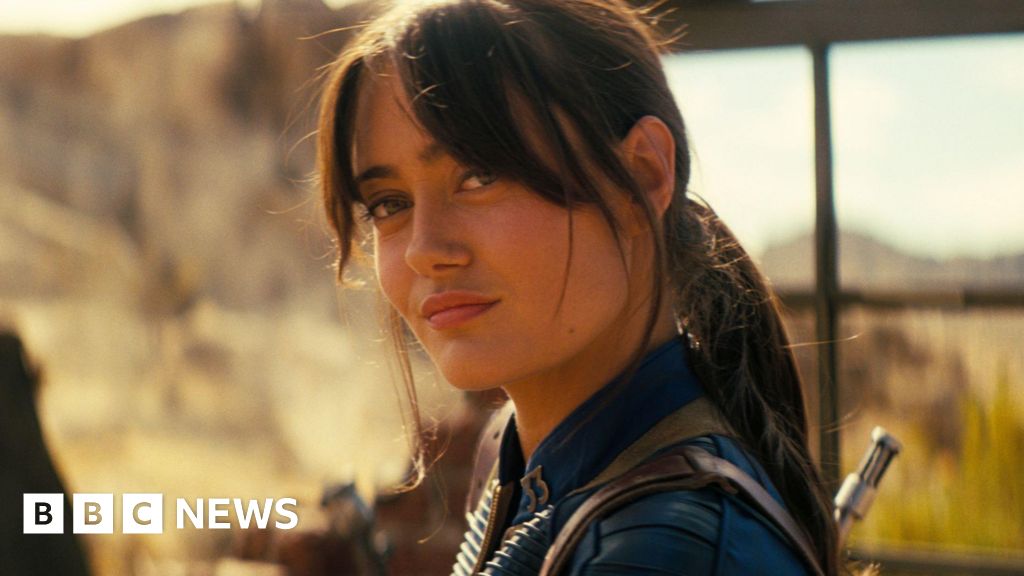
Fallout season 2 on Prime Video doesn’t just continue the story of Lucy, Maximus, and The Ghoul – it cements Fallout as one of the rare video game adaptations that truly understands why fans love the games in the first place, blending dark humour, brutal wasteland politics, and surprisingly tender character work into one of TV’s most unlikely prestige hits.
From cult RPG to streaming juggernaut
With season two now live and fan discussion lighting up social media, Amazon’s Fallout stands where so many game adaptations have stumbled. Rather than copying the games beat-for-beat, showrunners Geneva Robertson-Dworet and Graham Wagner, working closely with Bethesda’s Todd Howard and the original game’s creative DNA, have built something that feels authentically Fallout while still working for viewers who’ve never touched a controller.
The radioactive roots: What makes Fallout, Fallout?
Long before it was a TV hit, Fallout was a late‑90s PC role‑playing game obsessed with “what if the future went wrong, but in a very American way?” Set in an alternate history where retro‑futurist 1950s optimism survived into the 21st century—right up until the nuclear bombs dropped—the series mixed tactical combat with pitch‑black comedy, moral ambiguity, and a very specific vibe: crumbling Americana bleached by radiation and irony.
The challenge for any adaptation was never just the Brotherhood of Steel armour or the Vaults; it was translating that tonal cocktail: wry satire, pulpy violence, and a sense that every smiling mascot is hiding something deeply wrong.
“You can’t just slap a Pip-Boy on someone and call it Fallout. The real heart is the contrast between the cheery promise of America and the horror of what it actually became.”
— Bethesda creative leadership, discussing the show’s tone in interviews
Season 1 laid down that blueprint; season 2 doubles down, expanding the wasteland’s politics and lore in ways that feel consistent with the games’ branching narratives while giving TV audiences clear character anchors.
Fallout Season 2: What’s new in the wasteland?
Season two picks up after the explosive finale of the first season, with Ella Purnell’s Lucy now far less naïve about the world outside her Vault, Walton Goggins’ Ghoul spiralling deeper into his own fractured history, and Aaron Moten’s Maximus facing the cost of life inside the Brotherhood of Steel’s iron hierarchy. Rather than just escalating the spectacle, the new season widens the lens on the post‑apocalyptic West Coast, teasing locations familiar to gamers without turning into a checklist.
- More factions: Raiders, NCR‑adjacent bureaucrats, and cultish Vault-dwellers all jostle for power.
- Deeper lore: The show inches closer to iconic game settings, hinting at juicy crossover potential.
- Character stakes: Personal betrayals and divided loyalties keep the wasteland drama human-sized.

Making the perfect video game adaptation (or close to it)
The BBC’s coverage of Fallout season 2 foregrounds a crucial point: the show works because the people who made the games are, to an unusual degree, in the room. Todd Howard’s long-game stewardship of the IP means the series doesn’t just borrow assets—it borrows sensibilities. That collaboration shows in hundreds of small decisions, from the way the camera lingers on decrepit diners to how a throwaway line nods to an obscure side-quest.
“We never wanted it to feel like cosplay. It has to feel like this is the canonical Fallout story that happens to be on television.”
— Show creative team, in interviews cited by BBC Newsbeat
That ethos has quietly rewritten the rulebook for game adaptations, which used to err toward safe fan-service or timid distancing from the source. Fallout instead leans into its weirdness—Vault-Tec propaganda cartoons, retro radio bangers, Nuka-Cola kitsch—while trusting newcomers to catch up.
From an industry perspective, Fallout joins The Last of Us, Arcane, and Castlevania on the short list of adaptations that respect games as narrative art forms, not just IP farms. But where those lean more overtly prestige or anime, Fallout thrives in its tonal whiplash—swinging from slapstick to tragedy in a single irradiated breath.
Verdict: 4.5 / 5 bottle caps
A sharp, stylish, and surprisingly emotional expansion of a video game universe that once seemed “unadaptable”.
Performances and characters: Vault kids, Ghouls, and knights in power armour
Ella Purnell’s Lucy remains the show’s beating (and bleeding) heart. Season two smartly complicates her bright-eyed optimism without abandoning it; she’s not a hardened anti-hero by default, but someone trying to stay decent in a world that laughs at decency. Walton Goggins, meanwhile, turns The Ghoul into a walking thesis statement: charming, horrifying, and deeply, almost painfully human beneath the prosthetics.
- Lucy (Ella Purnell): A Vault-dweller forced to confront the messy history that built her supposed utopia.
- The Ghoul (Walton Goggins): A cowboy-turned-bounty-hunter whose past life as Cooper Howard haunts every decision.
- Maximus (Aaron Moten): A Brotherhood squire caught between institutional loyalty and emerging conscience.
Supporting characters—Vault overseers, scheming bureaucrats, true-believer knights—often feel ripped from side quests you only stumble on at 3am, which is very much the point. Even minor roles tend to suggest whole lives lived off-screen, echoing the games’ emphasis on environmental storytelling and incidental NPC drama.
World-building, music, and visual craft: Selling the wasteland
From a craft standpoint, Fallout season 2 refines what worked in the first outing. Production design is almost aggressively textured—rust, dust, neon, and peeling adverts layering into a visual collage of an American dream that refuses to admit it died centuries ago. Practical sets and props do a lot of heavy lifting, with CGI used more as spice than main course.
The soundtrack continues to be a stealth MVP. Needle drops of mid‑century classics—those crooning, cheerful songs about love and home—play over scenes of moral collapse and violent chaos, a contrast that has always been central to the Fallout mood board.
Importantly, the visual language respects accessibility more than many muddy, “realistic” genre shows. Clear colour contrasts, distinct silhouettes, and purposeful framing help viewers follow who’s who and what’s happening amid the visual chaos—a small but meaningful step for an often visually overloaded genre.
Strengths, weaknesses, and the adaptation tightrope
None of this is to say Fallout season 2 is flawless. Its ambition occasionally outruns its pacing, with some mid‑season episodes feeling slightly overstuffed with lore drops or new factions. Viewers craving a tightly focused, single‑protagonist story may feel stretched between multiple arcs.
- Where it excels
- Confident, lived‑in world-building that honours the games.
- Strong central performances, especially Purnell and Goggins.
- A distinctive tone mixing satire, horror, and melancholy.
- Where it stumbles
- Occasional pacing issues as it juggles multiple storylines.
- Deep-cut references that may sail over newcomers’ heads.
Yet even its flaws are interesting, often the byproduct of trying to honour the games’ sprawling, quest-based structure. In that sense, Fallout is wrestling with the same question every modern adaptation faces: how do you stay faithful without becoming rigid, and accessible without sanding off the weirdness that made the source beloved?
Why Fallout season 2 matters for future game adaptations
With season 2, Fallout moves from “surprisingly good” curiosity to template. Studios looking to turn their back catalogues into streaming empires will study how Prime Video and Bethesda handled this one: early and ongoing collaboration with developers, a willingness to embrace the franchise’s niche tone, and a focus on character-first storytelling over Easter egg bingo.
It also proves that you don’t have to flatten a game’s moral ambiguity to sell it to a broad audience. The show’s best moments—those where kindness, cruelty, and self-interest collide in a dusty diner or a Vault corridor—feel drawn from the same ethical grey zones players navigate in the RPGs.
As streaming platforms hunt for the next mega‑hit franchise, Fallout season 2 quietly raises the bar: if you’re going to raid the games industry for stories, you can’t just scavenge the imagery—you have to respect the soul.
Conclusion: Welcome to the new age of wasteland TV
Fallout season 2 is the rare sequel that feels both bigger and more personal, a confident stride forward for a series that could easily have been a one‑season curiosity. Backed by the masterminds behind the classic games and boosted by Prime Video’s global reach, it doesn’t just adapt a beloved franchise; it argues that video games and television can share a narrative language without either dumbing itself down.
If this is what the post‑apocalyptic future of game adaptations looks like—creator-led, tonally specific, and unafraid of moral mess—then maybe the end of the world isn’t such bad TV after all.
