
Hollywood in Shock: Rob Reiner’s Son Nick Charged With Double Murder in Parents’ Deaths
Hollywood is reeling after Los Angeles prosecutors charged Nick Reiner with two counts of first-degree murder in the deaths of his parents, acclaimed director Rob Reiner and his wife, activist and photographer Michele Singer Reiner, who were found dead in their Brentwood home on December 14. As the industry processes the loss of a beloved filmmaker and cultural voice, attention is now turning to the legal case, the family’s legacy, and what this tragedy means for a community that grew up on Rob Reiner’s films.
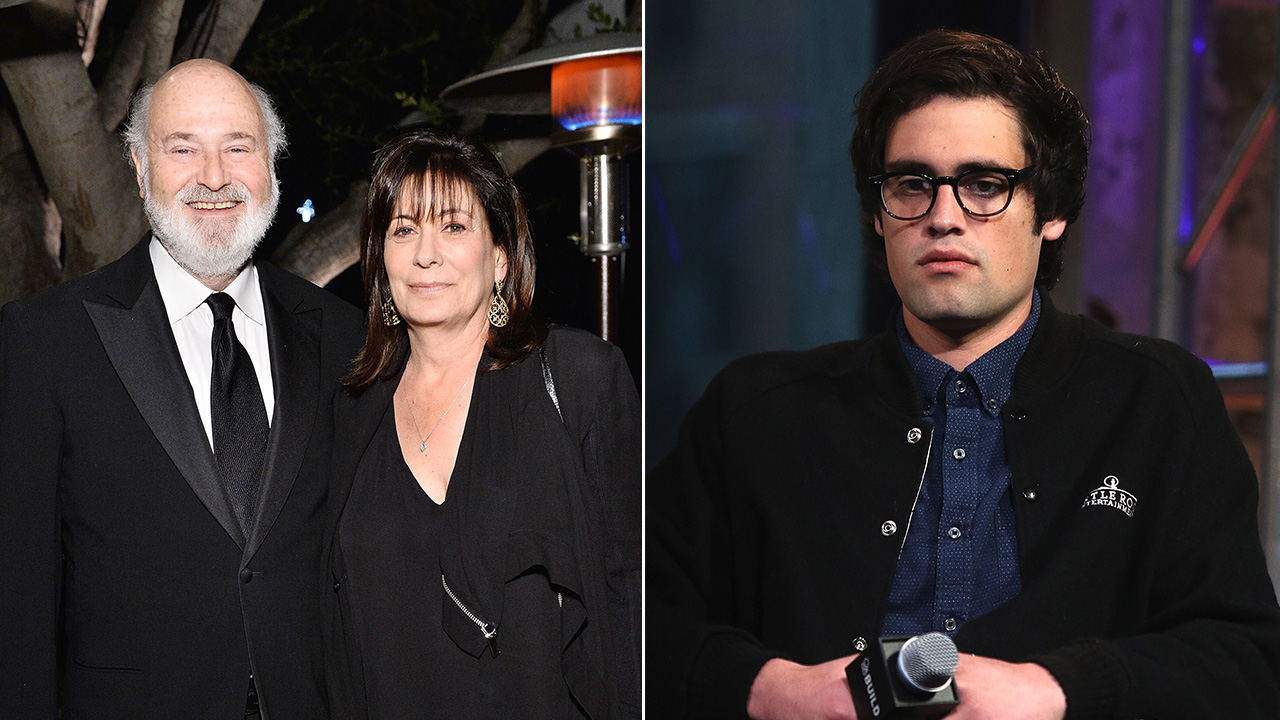
This case sits at the intersection of celebrity culture, true crime fascination, and genuine collective grief. Rob Reiner wasn’t just another director; he helped define several eras of American film and TV. The details emerging from Los Angeles are grim, but understanding the broader context—cultural, legal, and emotional—helps explain why this story has landed with such force.
Who Were Rob Reiner and Michele Singer Reiner?
For most people, Rob Reiner is shorthand for a very specific kind of American storytelling. He grew up in the business—son of comedy legend Carl Reiner—and became a familiar TV face as Michael “Meathead” Stivic on All in the Family. But it was his run as a director that cemented his status.
From the mid-1980s through the 1990s, Reiner turned out a string of now-classic films:
- This Is Spinal Tap (1984) – the mockumentary that rewired comedy.
- Stand by Me (1986) – a tender coming-of-age drama.
- When Harry Met Sally... (1989) – the romantic comedy that became a cultural shorthand for modern relationships.
- A Few Good Men (1992) – a courtroom drama so quotable it became part of everyday language.

Michele Singer Reiner, whom Rob married in 1989, largely stayed out of the spotlight compared with her husband but was deeply involved in activism and philanthropy. She collaborated with Rob on social and political causes, often aligning with progressive campaigns in California and nationally.
Beyond the films, Rob Reiner became a familiar voice in American political discourse—especially on social media—speaking out on issues from democracy to civil rights. That mix of Hollywood legacy and outspoken civic engagement helps explain why the news of his death hit like a cultural earthquake.
What We Know About the Charges Against Nick Reiner
According to reporting cited by Fox News and other outlets, the Los Angeles County District Attorney’s Office has charged Nick Reiner with two counts of first-degree murder in connection with the deaths of his parents, Rob and Michele, whose bodies were discovered at their Brentwood, California home on Sunday, December 14.
At this stage, details released to the public remain limited. Early reports focus on:
- Formal charges of first-degree murder (two counts).
- The discovery of both victims in their home in Brentwood, an affluent Los Angeles neighborhood long associated with celebrity residents.
- Confirmation from local authorities and the District Attorney that the case is being treated as a double homicide.

First-degree murder in California generally involves allegations of willful, deliberate, and premeditated killing. Those are legal terms of art, and prosecutors still have to prove them in court; a charge is not a conviction.
It’s important to underscore: Nick Reiner is legally presumed innocent unless and until proven guilty in a court of law. Early coverage inevitably leans on anonymous law-enforcement sources and neighbor accounts, but the full narrative will only emerge through formal filings and courtroom proceedings.
“Our office has filed charges in this deeply tragic case, and we will proceed based on the evidence presented,” a representative of the Los Angeles County District Attorney’s Office stated, emphasizing that the investigation remains ongoing.
High-profile cases like this often expand far beyond the bare facts of a charging document, touching questions of mental health, family dynamics, and the pressures of growing up in the entertainment world. But those conversations need to be balanced with respect for the victims, the surviving family, and the legal process.
Hollywood’s Reaction: Grief, Legacy, and a Sudden Void
As news of the Reiners’ deaths broke, tributes poured in across social media and entertainment press. Many of Hollywood’s biggest stars—actors, writers, and directors who either worked with Rob Reiner or grew up on his movies—shared stories that blended professional admiration with personal affection.
For a certain generation of creatives, Reiner’s filmography is almost a textbook on mainstream storytelling. He shaped the way romantic comedies look, the way courtroom dramas sound, and the way coming-of-age stories feel. You don’t get something like Good Will Hunting or The Perks of Being a Wallflower without the imprint of Stand by Me.

“Rob Reiner made the movies that made me want to make movies,” one director wrote, calling him “a giant of heart, humor, and humanity.”
There’s also a more political layer to the reaction. In recent years, Rob Reiner became a vocal, sometimes polarizing, commentator on American politics, particularly around the Trump era and the state of U.S. democracy. For some, that made him a North Star; for others, a constant antagonist in their feeds. Either way, he remained culturally relevant decades after his biggest box-office hits.
The mood in Hollywood, at least for now, is less about the salacious details of the case and more about a stunned sense of loss: a director whose movies raised people, a couple known for their activism, and a family now in the crosshairs of a media and legal storm.
True Crime, Celebrity, and the Ethics of Watching
Whenever a high-profile case touches Hollywood, it risks becoming fodder for the true crime machine: podcasts, YouTube breakdowns, breathless tabloid coverage. This one checks every box—famous victim, family suspect, affluent neighborhood, and a legacy that stretches from classic TV to modern social media discourse.
But there’s a tension here between public interest and spectacle. On one hand, crime reporting is part of the news ecosystem; on the other, it can flatten real people into archetypes: “fallen Hollywood royal,” “troubled son,” “Brentwood tragedy.”

The better path is slower and less sensational:
- Recognize that early reports are often incomplete or wrong.
- Focus on reputable outlets and official filings rather than rumor.
- Remember that both victims and accused have families, histories, and humanity far beyond their last headline.
As one media critic noted, “Every time we turn a real person’s worst day into binge content, we teach ourselves to feel a little less.”
That’s especially important in a case involving someone like Rob Reiner, whose work was so fundamentally about empathy—understanding kids on the cusp of adulthood, flawed lawyers seeking redemption, and imperfect adults learning how to love.
Rob Reiner’s Cultural Legacy in Film and Television
It’s impossible to separate the shock of this story from the breadth of Rob Reiner’s influence. His career covered multiple phases of American entertainment, and each left its own footprint.
As an actor on All in the Family, he was part of a sitcom that pushed network TV into more honest and confrontational territory, especially on social issues. As a director, he turned out films that defined entire genres. And later, as a producer and public figure, he consistently pushed for socially engaged storytelling.

A few ways you can see his influence still echoing through contemporary film and TV:
- The rom-com blueprint: The conversational style and emotional arcs of modern romantic comedies owe a clear debt to When Harry Met Sally....
- Coming-of-age realism: Stand by Me helped normalize kids’ stories that were frank about fear, loss, and mortality.
- Morality plays in uniform: A Few Good Men made the legal thriller feel both big and character-driven, influencing everything from prestige TV to streaming courtroom dramas.
Whatever the legal outcome of this case, the work itself survives. In a media ecosystem that often forgets last week’s streaming release, that endurance speaks volumes.
What Happens Next: The Case, the Coverage, and the Conversation
Legally, the next steps will likely involve a series of procedural hearings: arraignment, bail considerations, the formal presentation of evidence, and, if it progresses that far, a preliminary hearing and potential trial. Each stage will generate more documents, more coverage, and more commentary.
For the public and for fans of Reiner’s work, a more constructive “next step” might look different:
- Revisiting his films with fresh eyes—seeing what they say about family, loyalty, and moral courage.
- Listening to the people who actually knew the Reiners instead of speculating about what we don’t know.
- Staying cautious about treating the ongoing case as entertainment, even as it’s covered by the entertainment press.
For now, the dominant note is grief—within Hollywood, among audiences who grew up on Reiner’s films, and in the broader culture that absorbed his stories almost by osmosis. However the legal case unfolds, the loss of Rob and Michele Reiner marks the end of a very specific chapter in American entertainment history.
As more verified information emerges from official sources such as the Los Angeles County District Attorney’s Office and reputable outlets like The Hollywood Reporter or Variety, the story will shift from shock to understanding. The challenge—for media, for fans, and for a culture that loves both movies and true crime—is to follow that story with care.
