
F1 2026 Explained: Overtake Mode, Boost Mode and Active Aero Change the Game
Formula 1’s 2026 revolution is more than a rules reset – it’s a language reset. As all‑new hybrid power units and active aerodynamics arrive, F1 has unveiled a set of fan‑friendly terms – overtake mode, boost mode, active aero, and recharge – designed to translate technical complexity into something every viewer can follow in real time.
These phrases will power TV graphics, team radio explanations, and live commentary as the sport steps into its most advanced era yet. Understanding them now will make the first laps of 2026 feel less like a rulebook exam and more like what F1 does best: flat‑out racing.
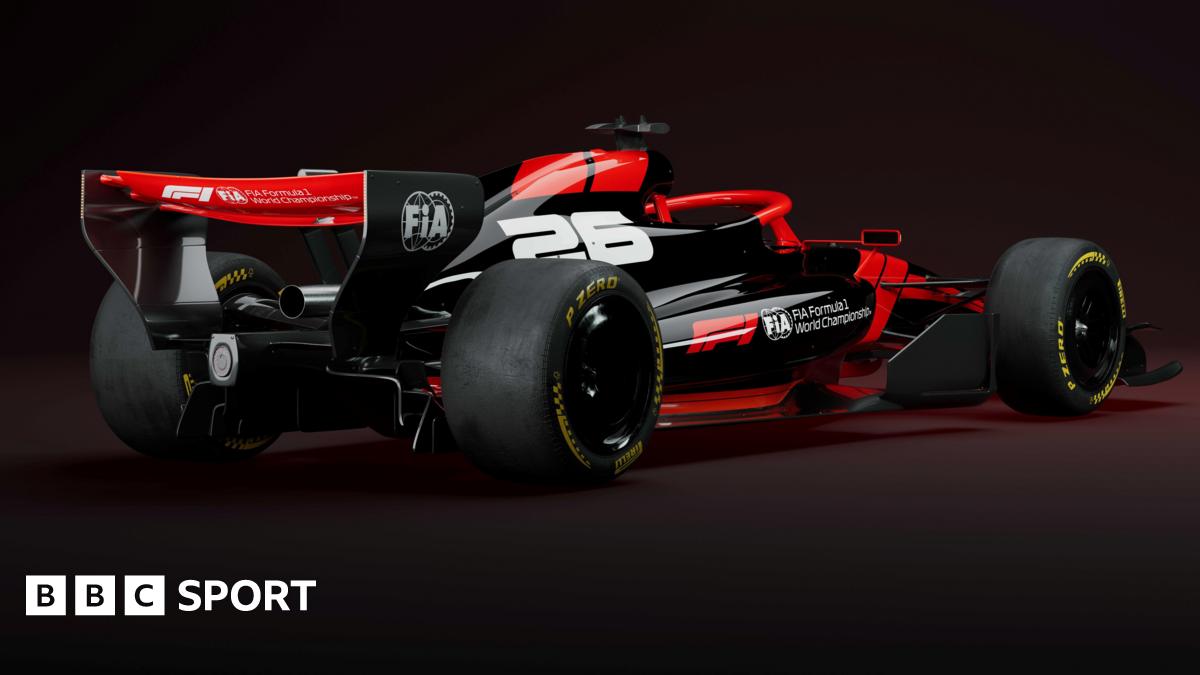
Why F1 2026 Is Being Called a “Rules Revolution”
From 2026, Formula 1 will introduce overhauled technical regulations covering the power units, chassis, and aerodynamics. The goal is to create cars that are:
- More efficient and sustainable, with greatly increased electrical power.
- Lighter and more agile, closer to the nimble cars of earlier eras.
- Better at wheel‑to‑wheel racing, with less dirty air and more on‑track battles.
- Aligned with road‑car technology to attract giant manufacturers.
Power unit regulations will feature a 50:50 split between internal combustion output and electric power (by design target), with fully sustainable fuels and significantly uprated energy recovery systems. Aerodynamically, cars will adopt active aero to trim drag on the straights and add downforce in the corners.
With brands like Audi joining, and current power unit suppliers re‑engineering their systems, the terminology had to move from engineer‑speak to language that’s intuitive for fans – hence the new labels that will appear on timing screens and broadcasts.

New F1 2026 Terminology at a Glance
To make sense of complicated hybrid systems and moving bodywork, Formula 1 has settled on a core set of broadcast‑ready terms:
| Term | What Fans Will See | Technical Meaning |
|---|---|---|
| Overtake mode | Short bursts of extra power to attack or defend. | Optimised deployment of electrical energy for maximum speed on straights. |
| Boost mode | A performance step above normal race running. | Aggressive but sustainable hybrid deployment based on energy budget. |
| Active aero | Wings and bodywork visibly changing angles on straights and in corners. | Electronically controlled aerodynamic surfaces switching between low‑drag and high‑downforce configurations. |
| Recharge | Drivers “saving up” battery for a later attack. | Energy recovery via braking and controlled harvesting phases to refill the hybrid battery. |
These terms will appear on world feeds, team graphics, and official apps, giving fans a live window into the energy‑management chess match unfolding behind each lap time.
Overtake Mode: The New Language of All‑Out Attack
Overtake mode will be the headline feature fans latch onto first. It’s the spiritual successor to DRS graphics and the engine‑mode calls of the hybrid V6 era, but now tied directly to electrical power and aero state.
When a driver activates overtake mode, TV graphics are expected to highlight:
- That hybrid deployment has been turned up to maximum on the straights.
- That active aero is in a low‑drag configuration to reduce resistance.
- How much energy remains in the car’s “overtake budget” for the lap or stint.
“We want fans to know, instantly, that when they see ‘overtake mode’ flash up, the driver is using everything available to make a move stick.”
— Senior F1 technical representative, on the 2026 broadcast terminology
Strategically, teams will have to decide whether to burn overtake mode in short, repeated bursts to keep rivals at bay, or save it for a decisive multi‑corner attack. Expect radio traffic like:
“Driver: Can I use overtake mode on the next straight?
Engineer: Affirm. Overtake available Turn 10 to Turn 1, then recharge.”
Boost Mode: Managing the Hybrid “Sweet Spot”
Boost mode sits just below all‑out overtake in the hierarchy. Think of it as the car’s attack rhythm rather than a last‑resort slingshot. In boost mode, teams can run the power unit at a higher performance baseline without completely draining the battery.
On TV, viewers might see:
- A “Boost” indicator when a driver starts a push lap or closing stint.
- Graphs or bars showing elevated energy deployment compared to a standard lap.
- Comparisons between two drivers’ boost usage over the previous laps.
The tactical tension will be obvious: a driver hammering multiple laps in boost mode to chase down a rival risks arriving on their gearbox with less overtake energy left to actually complete the pass.
Active Aero: Beyond DRS, Into Always‑On Aerodynamics
Active aero is where the 2026 cars will look visibly different. Instead of a single flap opening in designated DRS zones, multiple elements of the front and rear wings – and potentially parts of the floor and bodywork – will switch between:
- Low‑drag mode for straights – less downforce, more top speed.
- High‑downforce mode for corners – more grip, less sliding, better tyre life.
Race control and the regulations will tightly govern how and when these modes are used, but the end product should be familiar to fans: cars that punch smaller holes in the air on the straights while still clinging to the road in fast turns.
For spectators, the key shift is that aerodynamics will no longer be a mostly invisible force. Expect broadcast tools to show:
- On‑screen icons indicating when a car flips between aero states.
- Comparisons of drag levels during qualifying versus race trim.
- Replays highlighting how active aero helped a driver hang on through critical corners.
Recharge: The Strategic Pause Before the Next Attack
If overtake and boost are the punches, recharge is when a driver resets the gloves. With bigger hybrid systems in 2026, the rhythm of a race will be defined by how efficiently energy is harvested under braking and in specific parts of the lap.
When a driver is in recharge mode, fans can expect:
- Lower top speeds on the straights as the car diverts energy into the battery.
- Commentary noting a “recharge lap” before a renewed attack.
- Graphics showing energy stores climbing from, say, 45% to 80% capacity.
“The days of flat‑out from lights to flag are long gone. In 2026, it will be about how smartly you choose when to recharge and when to unleash everything.”
— Former F1 race strategist, on hybrid energy management
The drama is clear: a chasing driver might appear to drop back for a lap, only to recharge, switch to boost, then punch overtake mode at the exact moment the leader’s energy reserves are depleted.
How 2026 Tech Could Change the Numbers
Regulation details will continue to evolve, but based on current frameworks and FIA targets, analysts expect several key shifts in car performance profiles:
| Metric | 2025 Car (Estimate) | 2026 Car (Target/Trend) |
|---|---|---|
| Engine power share (ICE vs Electric) | ~80% ICE / 20% Electric | Closer to 50% ICE / 50% Electric |
| Car weight | ~800 kg | Targeting significant reduction (exact figure TBC) |
| DRS usage | Limited to specific zones | Superseded or complemented by broader active aero logic |
| Overtaking assistance | DRS + battery deployment | Integrated overtake/boost modes + active aero configuration |
These changes aren’t just numbers on a spec sheet. They mean:
- More visible differences between cars in attack versus defence phases.
- Races that ebb and flow as drivers juggle energy, tyres, and aero settings.
- Strategy calls where a single mis‑timed recharge phase could cost track position.
Detailed data and official documents are available via the FIA and Formula 1 websites, along with evolving technical explanations from reputable statistics providers such as Motorsport Stats.
Drivers, Engineers and the Human Side of a Tech Revolution
Beneath the jargon, 2026 is about how drivers and race engineers will adapt. The best in the business already treat energy management as second nature; now that skill becomes even more valuable.
Expect contrasting styles:
- Some drivers will be known for aggressive overtake usage, launching bold moves at the first opportunity.
- Others will be meticulous energy misers, waiting until the perfect moment when the data shows a rival is vulnerable.
- Race engineers will become energy conductors, orchestrating boost and recharge cycles across safety cars, pit windows, and changing conditions.

For younger fans and new viewers, the simplified wording – overtake, boost, recharge – lowers the barrier to entry. For hardcore followers, the thrill will be in deciphering how each team interprets those same tools differently.
Will the 2026 Changes Improve Racing? Differing Views
As with any fundamental rules shift, opinion in the paddock and among fans is split.
Optimistic View
- More overtakes thanks to combined power and aero tools.
- Closer racing as lighter, more agile cars follow more easily.
- Stronger manufacturer interest driven by advanced hybrid relevance.
- Clearer TV storytelling with intuitive terms like overtake and recharge.
Sceptical View
- Concerns that pushing too far into hybrid complexity risks over‑engineered racing.
- Fear that energy deploy/recharge rules could create “scripted” overtaking zones.
- Risk that dominant teams will master energy‑aero integration faster, widening performance gaps.
A balanced prediction is that 2026 will deliver more strategic variety and clearer storylines for fans, but it may take a season or two of tweaks – as seen after previous major rule changes – before the full potential is realised.
What to Watch For as 2026 Approaches
As teams race through 2025 and build towards the new era, several signposts will hint at who’s ready to thrive under the overtake/boost/active‑aero framework:
- Power unit announcements and dyno data leaks suggesting strong hybrid efficiency.
- Simulator comments from drivers about how complex the 2026 cars feel at the limit.
- Shifts in driver market activity favouring those with proven tyre and energy management skills.
- Early aero concepts visible in shakedown photos and launch renders.
For fans, the best preparation is simply to get comfortable with the new vocabulary. When the lights go out on the 2026 season opener and you see those on‑screen prompts – Overtake, Boost, Recharge – you’ll know exactly what kind of move the driver is about to make, and what it cost them to get there.
The core question is straightforward, and it’s one the entire sport is betting on:
Can smarter technology and clearer language combine to deliver the pure, hard‑fought racing fans crave?
The answer will play out at 300 km/h.
