
Starmer vs Abramovich: Chelsea Sale Cash, Ukraine Victims and Football’s Moral Reckoning
UK Prime Minister Keir Starmer has escalated pressure on former Chelsea owner Roman Abramovich, insisting the sanctioned oligarch must honour his pledge that proceeds from the club’s sale will go to victims of the war in Ukraine — or face court action. It is a dispute that stretches far beyond politics, cutting straight to the heart of modern football’s relationship with wealth, power and accountability.
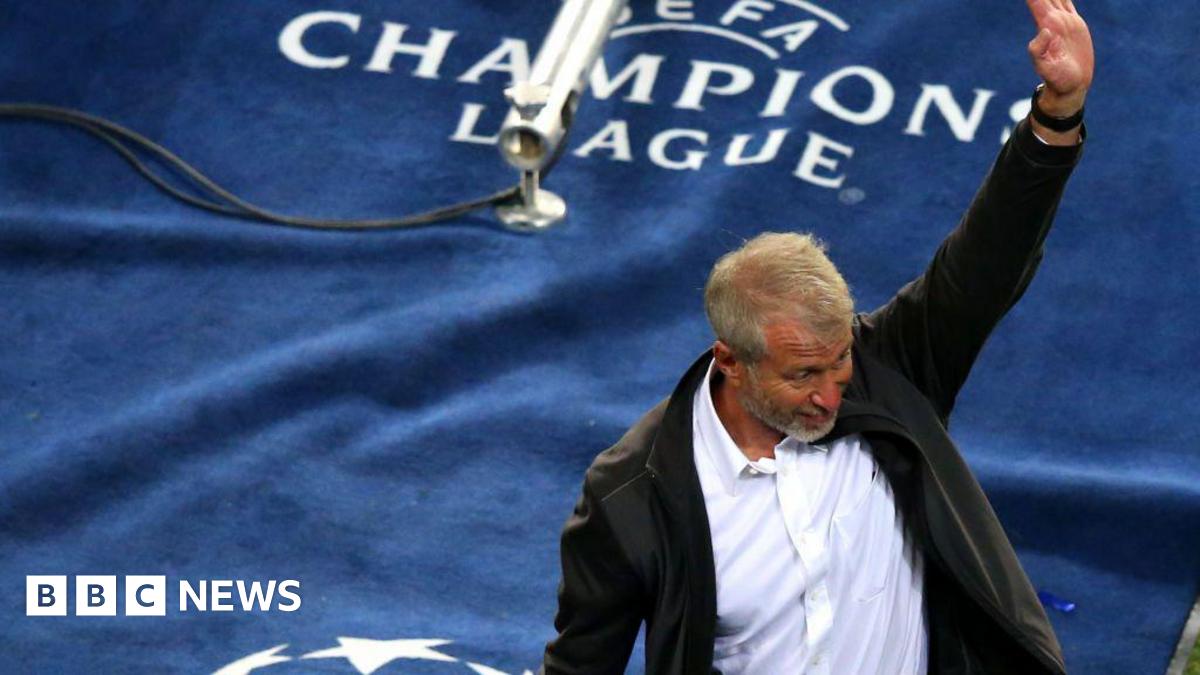
How the Chelsea Sale Became a Test Case for Football Ethics
When Abramovich agreed to sell Chelsea FC in 2022 under UK sanctions linked to Russia’s invasion of Ukraine, the deal — worth around £4.25 billion — was framed not only as a change of ownership, but as a moral pivot point. Abramovich issued a public pledge that net proceeds from the sale would go to “all victims of the war in Ukraine.”
The UK government, the Premier League and Chelsea fans largely accepted that commitment as part of the uneasy compromise that allowed the club to keep operating at the elite level of English football. Years later, with the funds still not distributed to Ukrainian victims, that compromise is under renewed scrutiny.
“Roman Abramovich made a very clear commitment that this money would go to Ukrainians whose lives have been shattered by this war. He should pay up now — and if he does not, we will not hesitate to take this to the courts.”
— UK Prime Minister Keir Starmer
For football, that makes the Abramovich-Chelsea sale more than a closed chapter. It is now a live test of whether public pledges tied to club ownership can be enforced once the TV cameras move on.
Key Timeline: From Sanctions to Standoff
To understand the stakes for Chelsea and the wider football ecosystem, it helps to trace how we reached this point.
- March 2022: UK sanctions are imposed on Roman Abramovich following Russia’s invasion of Ukraine. Chelsea are allowed to keep competing under a special government licence.
- May 2022: A consortium led by Todd Boehly and Clearlake Capital agrees a £4.25bn deal to buy Chelsea FC, approved by the Premier League and UK government under strict conditions.
- Sale Proceeds Ring-Fenced: The majority of proceeds are frozen in a UK bank account, with the stated intention they will be channelled to Ukrainian war victims via a dedicated foundation.
- 2023–2024: Legal and structural wrangling over how the funds can be released drags on; no large-scale disbursements to Ukraine-related causes are made public.
- Starmer’s Intervention: The new Prime Minister publicly demands Abramovich fulfil his pledge or face legal action, pushing the issue back onto the front pages — and onto the football agenda.
Each step has deep implications not just for Abramovich, but for how football clubs are bought, sold and regulated when geopolitics enters the dressing room.
Abramovich’s Chelsea Legacy by the Numbers
Before the sanctions and sale saga, Abramovich’s 19-year reign at Stamford Bridge had already etched itself into Premier League history. On the pitch, Chelsea were transformed from occasional contenders into a sustained European powerhouse.

| Category | Abramovich Era (2003–2022) |
|---|---|
| Premier League titles | 5 |
| UEFA Champions League titles | 2 |
| FA Cups | 5 |
| Major trophies (all) | 20+ across domestic and European competitions |
| Estimated net spend on transfers | Billions of pounds across two decades, kick-starting the Premier League “super-club” era |
This success came at a financial cost that few owners could match. That spending spree helped accelerate a shift where elite football became inextricably linked to billionaire and state-backed wealth — a trend that now sits under a much harsher spotlight.
From Trophy Cabinets to Moral Accounting
Starmer’s “pay up now” message reframes Abramovich’s legacy. For many supporters, his Chelsea years were defined by silverware; for critics, they were defined by how quickly English football embraced the fortunes of a politically connected Russian oligarch.
The current dispute effectively asks: can a football owner’s promise — made in the glare of sanctions, public pressure and the threat of collapse for a major club — be allowed to fade into the background once the final whistle blows on their tenure?
- Government stance: The UK wants the funds directed to Ukrainian victims in a way that is transparent and legally robust.
- Abramovich’s position: Through intermediaries, he has previously signalled support for the pledge, but the structure and control of any foundation have been contested.
- Football regulators: The Premier League and UEFA are watching closely, aware that this case could shape how they handle any future conflict-linked sanctions.
- Fans: Many Chelsea supporters are torn — thankful for the trophies, uneasy about the geopolitical baggage, and keen not to see their club dragged back into a legal storm.

Could This End Up in Court? What That Means for Football
Starmer’s threat of court action introduces a hard legal edge to what had been a slow-burning diplomatic and administrative process. If the dispute moves into a courtroom, the ripple effects could hit well beyond Abramovich and Chelsea.
A legal case would likely examine:
- The exact wording and legal status of Abramovich’s pledge about the sale proceeds.
- How UK sanctions laws interact with private wealth tied to elite sports assets.
- What power governments have to direct or seize funds once a club sale is completed.
- Whether future club sale agreements involving sanctioned owners must include more rigid, enforceable conditions.

For club owners across Europe — including those linked to sovereign wealth and politically sensitive regions — that kind of precedent could reset the risk calculations around investing in top-flight football.
What This Reveals About Premier League Ownership Rules
The Abramovich episode has already forced the Premier League and UK authorities to rethink how they vet and monitor owners and directors. Starmer’s latest intervention adds further urgency to that process.
In practice, that could lead to:
- Stricter fit-and-proper tests: Greater scrutiny of political links, human rights records and potential sanction risks before a takeover is approved.
- Conditional sale clauses: Built-in mechanisms to freeze or redirect proceeds if an owner becomes subject to sanctions or is found to have breached certain standards.
- Transparent foundations: Clear frameworks when sale proceeds are earmarked for charitable or humanitarian causes tied to football-related controversies.
| Aspect | Pre-Abramovich Sanctions | Emerging Trend Now |
|---|---|---|
| Owner background checks | Primarily financial and criminal checks | Expanded to geopolitical and human rights considerations |
| Sale conditions | Limited conditions beyond price and basic regulation | Potential for enforceable moral or humanitarian commitments |
| Government involvement | Usually hands-off, leaving deals to leagues and clubs | Direct intervention when national security or sanctions are in play |
In that sense, what happens next with Abramovich’s Chelsea proceeds could shape how every future mega-takeover in the Premier League is structured.
Beyond the Balance Sheet: The Human Impact in Ukraine
It is easy, inside the echo chamber of football, to reduce this story to ownership models and legal manoeuvres. The core of Starmer’s demand, however, is unmistakably human: directing billions tied to an English football powerhouse toward people whose lives have been shattered by war.
For humanitarian organisations, swift and transparent release of the funds could:
- Support medical care and rehabilitation for injured civilians and soldiers.
- Rebuild schools, sports facilities and community hubs destroyed in the conflict.
- Fund programmes using sport — including football — to support displaced children and young people.
“When we heard that money from Chelsea’s sale might support Ukrainians, it felt like a sign that the football world cared. The longer this drags on, the harder that is to believe.”
— Ukrainian grassroots football coach (speaking to European media)
That emotional connection — between the weekly drama at Stamford Bridge and the day-to-day reality in Ukrainian towns and cities — is what gives this story a resonance far beyond transfer fees and league tables.
What Happens Next — And What It Means for the Game
The ball is now firmly in Abramovich’s court. He can work with the UK government to unlock and direct the Chelsea sale proceeds in line with his public pledge, or he can dig in for a legal battle that will unfold under global scrutiny.

For Chelsea, the current ownership group and Premier League rivals, the immediate footballing impact may be limited. But long term, the Abramovich saga is likely to influence:
- How fans judge potential owners — not just on spending power, but on ethical track records.
- How leagues and governments work together when global crises collide with domestic sport.
- Whether future club sales include iron-clad mechanisms to ensure that public pledges cannot quietly fade away.
As this story develops, one question hangs over both Westminster and the football world:
When the world’s most glamorous league profits from volatile global capital, who ultimately takes responsibility when that capital becomes tainted — the owner, the club, or the game itself?
However the Abramovich–Starmer confrontation is resolved, the answer will shape not just Chelsea’s legacy, but the future playbook for power, money and morality in elite sport.
For further background on Chelsea FC and official competition records, visit Premier League – Chelsea FC and the UEFA Champions League official club page.
