
Everyday Functional Superfoods: Mushrooms, Sea Moss & Adaptogenic Blends Made Delicious
Mushrooms, Sea Moss & Adaptogenic Superfoods in Everyday Cooking
Functional superfoods like mushrooms, sea moss, and adaptogenic blends are having a big moment in 2024–2025, popping up in everything from TikTok mushroom coffee to glossy sea moss smoothies. At their best, these ingredients are less about miracle cures and more about adding depth of flavor, creaminess, and gentle nutrient boosts to the food you already love.
Think savory, sizzling mushroom tacos that taste like they came from your favorite food truck; a silky sea moss–banana smoothie that feels like dessert but drinks like breakfast; and a cozy adaptogenic hot chocolate that wraps you up like a blanket after a long day. This page will walk you through the trend, share evidence-based context, and give you a complete, step-by-step recipe that celebrates functional mushrooms in a comforting weeknight dinner.
Why Functional ‘Superfoods’ Are Trending Now
The “superfood” idea has shifted from single-ingredient fads (remember acai everything?) toward a broader, more functional approach to nutrition. People are reaching for foods that feel multitasking: ingredients that might support focus, immunity, or stress resilience while still being genuinely enjoyable to eat.
Across social media in late 2024 and 2025, three groups stand out:
- Culinary & functional mushrooms used in coffee alternatives, lattes, and hearty, plant-forward mains.
- Sea moss (Irish moss) blended into smoothies, puddings, and even jams for its mineral-rich, gel-like texture.
- Adaptogenic blends (often including mushrooms, ashwagandha, rhodiola, or holy basil) stirred into hot chocolate, “focus elixirs,” and no-coffee morning drinks.
Culturally, this reflects a bigger “food as medicine” mindset. While health professionals increasingly remind us that sleep, movement, and overall diet quality matter far more than any single powder, there is still plenty of room to enjoy these trendy ingredients as flavorful extras.
Think of functional superfoods as interesting spices in your pantry: fun and potentially helpful, but never a substitute for a balanced plate.
Mushrooms: From Umami Bomb to Functional Star
Mushrooms might just be the most delicious way to eat more plants. In my own kitchen, a big tray of roasted mushrooms is my “secret weapon” when I want dinner to taste like it simmered all afternoon, even if it only took 30 minutes.
Culinary Mushrooms You’ll See Everywhere
- Shiitake: Chewy, deeply savory, amazing in broths and stir-fries.
- Oyster: Delicate, slightly seafood-like, perfect for “pulled” taco fillings.
- Maitake (hen of the woods): Crispy edges when roasted, almost like steak tips.
- Lion’s mane: Stringy, meaty texture that shines in “crab” cakes or pan-seared as steaks.
- Cremini/portobello: Familiar, forgiving, and great for burgers or bolognese-style sauces.
Functional Mushroom Powders & Extracts
In the functional world, mushrooms like lion’s mane, reishi, chaga, and cordyceps are dried, extracted, and sold as powders or tinctures. Early research suggests possible roles in immune support, stress modulation, or cognitive function, but most of the evidence is still emerging, often from animal or small human studies rather than large clinical trials.
You’ll see them in:
- Mushroom coffee blends meant to soften caffeine jitters.
- Lattes with lion’s mane for focus and cordyceps for “clean energy.”
- Hot chocolates boasting reishi for winding down at night.

Sea Moss: Mineral-Rich Gel With a Cult Following
Sea moss (also called Irish moss) is a type of red seaweed that, when soaked and blended with water, turns into a smooth, almost pudding-like gel. In Caribbean and Irish traditions, it has long been used in drinks and desserts for thickening and gentle nourishment.
Why People Are Into Sea Moss
- Texture: It creates a luscious, creamy body in smoothies and “nice cream” without dairy.
- Minerals: Provides trace minerals, including iodine, potassium, and magnesium (amounts vary widely).
- Plant-based: Fits vegan, dairy-free, and often gluten-free lifestyles easily.
On social media, you’ll see influencers swirling it into tropical smoothies, herbal teas, or even vegan cheesecakes. Dietitians often step in to remind audiences that while sea moss can be a fun, mineral-rich extra, it is not a cure-all for skin, thyroid issues, or immunity—and excessive iodine intake from poorly regulated products could be harmful.
Adaptogenic Blends: Cozy Drinks for Busy Days
Adaptogens are herbs and botanicals traditionally used to help the body respond to stress. Modern adaptogenic blends often pair ingredients like ashwagandha, rhodiola, and holy basil with cacao and functional mushrooms to create soothing “stress-support” drinks.
Common Adaptogenic Ingredients
- Ashwagandha: Popular for perceived stress and sleep support.
- Rhodiola: Marketed for focus and energy, especially under stress.
- Holy basil (tulsi): Used traditionally for calm and resilience.
- Reishi & lion’s mane: Mushroom extracts often added for “calm focus.”
Evidence for many adaptogens is promising but still developing. Most experts recommend seeing them as gentle, optional tools layered on top of fundamentals: regular meals, hydration, movement, mental health support, and good sleep.
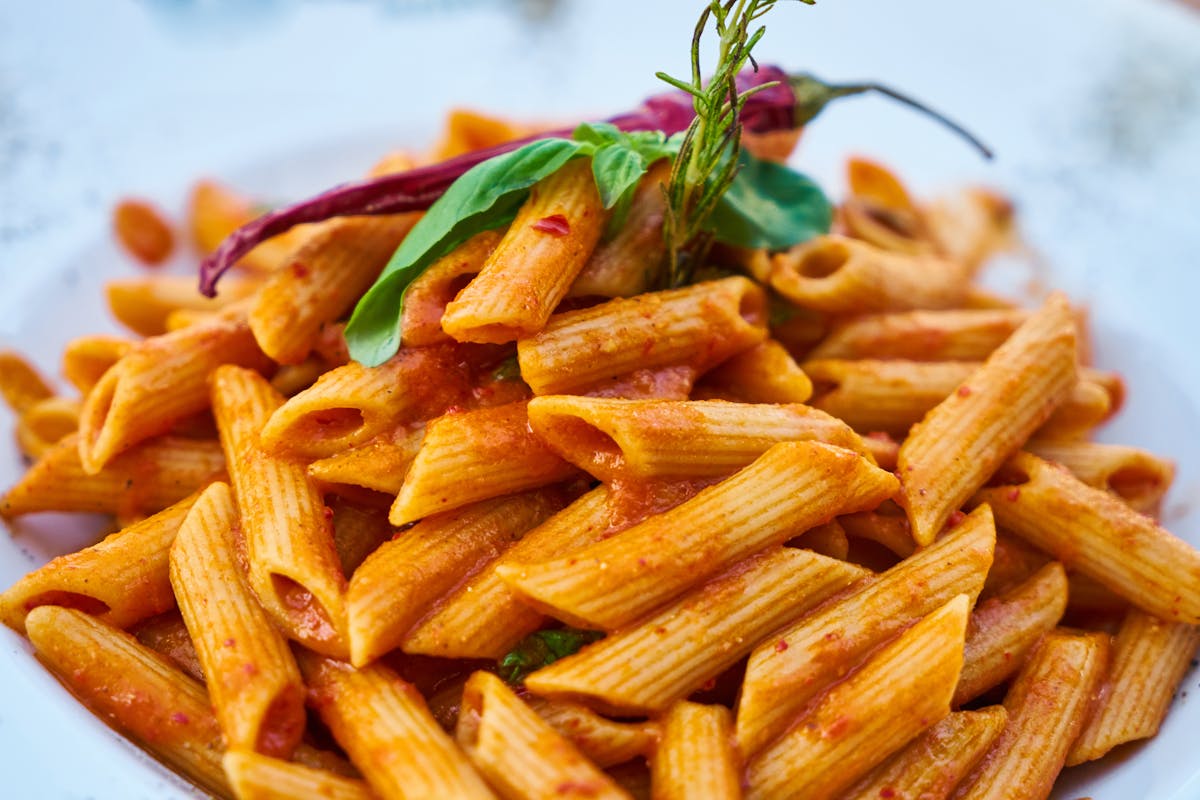
Creamy Garlic Mushroom & Sea Moss Pasta with Adaptogenic Hot Chocolate (Optional)
Quick Recipe Summary
Prep time:
Cook time:
Total time:
Servings: 4
Difficulty: Easy–Intermediate
Diet: Vegetarian (easily made vegan)
Equipment You’ll Need
- Large pot for boiling pasta
- Large wide skillet or sauté pan
- Cutting board and sharp knife
- Wooden spoon or heat-safe spatula
- Measuring cups and spoons
- Blender (if preparing homemade sea moss gel)
- Small saucepan and whisk (for adaptogenic hot chocolate)
Ingredients
For the Creamy Garlic Mushroom Pasta
- 12 oz (340 g) pasta of choice (fettuccine, linguine, or gluten-free)
- 2 Tbsp olive oil
- 2 Tbsp unsalted butter (or vegan butter for dairy-free)
- 1 medium yellow onion, finely diced
- 4 cloves garlic, minced
- 1 lb (450 g) mixed mushrooms (shiitake, oyster, cremini), sliced
- 1 tsp fine sea salt, plus more to taste
- 1/2 tsp freshly ground black pepper
- 1/2 tsp smoked paprika (optional for a deeper, “meaty” note)
- 1/4 cup (60 ml) dry white wine or vegetable broth
- 1 cup (240 ml) heavy cream or unsweetened cashew/soy cream
- 2 Tbsp grated Parmesan or nutritional yeast (plus more for serving)
- 2–3 Tbsp sea moss gel (optional, for extra silkiness)
- 1–2 tsp fresh lemon juice, to brighten
- 2 Tbsp chopped fresh parsley or chives
For Basic Sea Moss Gel (Optional, Make-Ahead)
- 1 cup dried sea moss, thoroughly rinsed
- Filtered water for soaking
- 1–1.5 cups fresh filtered water for blending
Adaptogenic Hot Chocolate Pairing (Optional)
- 2 cups (480 ml) milk of choice (oat, almond, dairy, etc.)
- 2 Tbsp unsweetened cocoa or cacao powder
- 1–2 tsp maple syrup or honey, to taste
- 1 tsp adaptogenic mushroom blend or ashwagandha cocoa blend (per package directions)
- Pinch of cinnamon and sea salt
Step-by-Step Instructions
(Optional) Prepare the Sea Moss Gel
- Place dried sea moss in a large bowl and rinse thoroughly under cool water several times, removing any visible debris.
- Cover with plenty of fresh filtered water and soak for 12–24 hours at room temperature, changing the water once or twice if possible. The sea moss will expand and soften.
- Drain, rinse again, and add to a blender with 1–1.5 cups fresh filtered water. Blend until completely smooth and creamy, adding a little more water if needed.
- Transfer to a clean jar and refrigerate for up to 1 week. The gel will thicken as it chills.
Cook the Pasta
- Bring a large pot of salted water to a boil.
- Add pasta and cook according to package instructions until just al dente.
- Reserve 1 cup (240 ml) of the starchy pasta water, then drain the pasta.
Sauté the Aromatics
- While the pasta cooks, heat olive oil and butter in a wide skillet over medium heat.
- Add the diced onion and cook 4–5 minutes, stirring, until translucent and lightly golden at the edges.
- Stir in the minced garlic and cook 30–60 seconds until fragrant, taking care not to burn.
Brown the Mushrooms
- Add the sliced mushrooms to the pan in an even layer.
- Sprinkle with salt, pepper, and smoked paprika (if using).
- Cook undisturbed for 3–4 minutes to encourage browning, then stir and continue cooking another 5–7 minutes until the mushrooms release their moisture and become deeply golden and slightly crisp at the edges.
Deglaze & Build the Sauce
- Pour in the white wine or vegetable broth and stir, scraping up any browned bits from the bottom of the pan.
- Let it simmer for 1–2 minutes until slightly reduced.
- Lower the heat to medium-low and stir in the cream.
- Simmer gently for 3–4 minutes, stirring occasionally, until the sauce thickens enough to coat the back of a spoon.
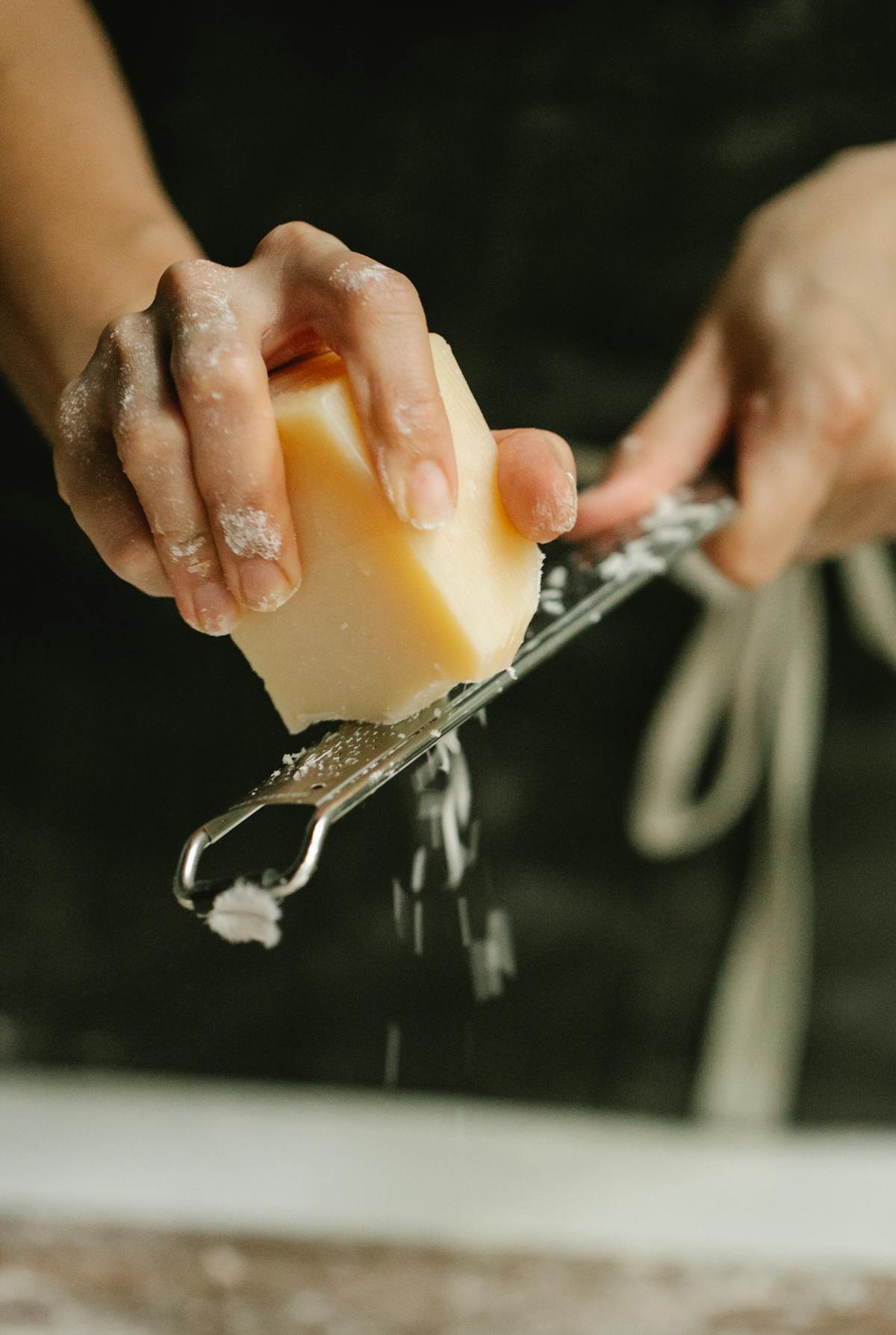
- Stir in Parmesan or nutritional yeast until melted and smooth.
- If using, whisk in 2–3 Tbsp sea moss gel until fully incorporated and glossy.
Toss with Pasta
- Add the drained pasta directly into the skillet with the mushroom sauce.
- Toss gently, adding splashes of reserved pasta water as needed until every strand is coated in a silky, clinging sauce.
- Taste and adjust seasoning with more salt, pepper, and a squeeze of lemon juice.
- Sprinkle with chopped parsley or chives.
(Optional) Make the Adaptogenic Hot Chocolate
- In a small saucepan, whisk together milk, cocoa powder, sweetener, cinnamon, and a pinch of salt.
- Warm gently over medium-low heat, whisking until steamy but not boiling.
- Remove from heat and whisk in your adaptogenic blend according to package instructions (some blends prefer lower temperatures).
- Taste and adjust sweetness, then pour into mugs.
Serve & Enjoy
- Twirl generous portions of mushroom pasta into bowls.
- Top with extra grated cheese or nutritional yeast and more herbs.
- Serve immediately, alongside a mug of warm adaptogenic hot chocolate if desired.
Tips, Substitutions & Dietary Adaptations
For a gentle functional boost, you can also add a pinch (per package guidance) of a culinary-safe mushroom powder directly into the sauce, such as lion’s mane or a savory reishi blend. Start small; these can be quite earthy.
Storage & Reheating
- Pasta: Cool completely, then store in an airtight container in the refrigerator for up to 3 days.
- Reheating: Rewarm gently in a skillet over low heat with a splash of water, milk, or broth to loosen the sauce. Stir frequently.
- Sea moss gel: Store in the refrigerator for up to 1 week. Use clean utensils each time you scoop.
- Hot chocolate: Best enjoyed fresh. If needed, cool and refrigerate for up to 2 days, then reheat gently, whisking well.
Serving Suggestions & Complementary Dishes
To turn this functional mushroom pasta into a full, balanced meal, try pairing it with:
- A bright green salad with lemony vinaigrette and toasted nuts.
- Roasted seasonal vegetables, such as broccoli, Brussels sprouts, or carrots.
- A side of garlicky sautéed greens (kale, chard, or spinach).
For a lighter day, swirl a spoonful of sea moss gel into a smoothie with banana, frozen berries, and oat milk for breakfast, then keep the pasta for a relaxed weekend dinner.
Enjoying Functional Superfoods with a Balanced Mindset
Mushrooms, sea moss, and adaptogenic blends can absolutely have a place in a joyful, nutrient-rich diet—but they work best as supporting actors, not the entire show. Use them to deepen flavor, add texture, and build everyday rituals you look forward to, not as a replacement for medical care or healthy basics like sleep, movement, and connection.
As you experiment, listen to your body, start small, and when in doubt—especially if you have health conditions, are pregnant, or take medications—check in with a qualified healthcare professional or registered dietitian. Then head back to the kitchen, because the most powerful part of this trend is simple: people are cooking, tasting, and caring for themselves with real food.
