
Did Weed Killers Help Trigger His Parkinson’s? Inside One Alabama Farmer’s Fight for Answers
Updated: 2025-12-16
A Farmer, a Lifetime of Weed Killers, and a Diagnosis He Never Expected
Around ten years ago, Alabama farmer Mac Barlow started noticing subtle but unsettling changes in his body. His feet didn’t feel steady underneath him. His hands shook when he tried to grip tools. Tasks he had done since childhood on his family’s land suddenly felt strange and difficult.
Barlow had spent decades growing peanuts, soybeans, and other crops, relying on weed killers to “burn down” his fields before planting. Now, like thousands of farmers and rural workers across the U.S., he lives with Parkinson’s disease—and wonders whether the same weed killers that helped pay his bills may also have harmed his brain.
This article walks through what we know—and don’t yet know—about the link between pesticides and Parkinson’s, how stories like Barlow’s fit into the larger scientific picture, and what you can do to reduce risk and protect yourself or your loved ones.

The Growing Concern: Are Weed Killers Linked to Parkinson’s Disease?
Parkinson’s disease is a progressive neurological disorder that primarily affects movement. Symptoms can include tremor, stiffness, slow movement, and balance problems. While genetics can play a role, most cases are thought to involve a combination of genetic vulnerability and environmental triggers.
Over the last two decades, a growing body of research has pointed toward certain pesticides and herbicides as potential contributors to Parkinson’s, especially for people with long-term, occupational exposure—farmers, applicators, and workers in rural communities.
“Parkinson’s disease is increasingly being recognized as a disease that, in many people, may be driven at least in part by environmental exposures, including some pesticides.”
— Summary interpretation based on multiple epidemiological reviews and expert panel statements published through 2024
It’s important to be clear: no single study can prove that a specific weed killer “caused” Parkinson’s in any one individual, including Barlow. But when you zoom out to look at thousands of people over time, certain patterns are hard to ignore.
- Farmers and pesticide applicators have been found, in several studies, to have higher rates of Parkinson’s than the general population.
- Some specific chemicals (for example, paraquat and certain older insecticides) have repeatedly been associated with increased Parkinson’s risk.
- Regulatory and legal actions in the U.S. and abroad continue to evolve as new evidence emerges.
What the Science Says About Pesticides and Parkinson’s
Researchers have been studying potential links between pesticides and Parkinson’s since at least the 1980s, when a group of young adults developed a Parkinson’s-like syndrome after exposure to a synthetic heroin contaminant that damaged dopamine-producing brain cells. Since then, scientists have looked carefully at chemicals that act in similar ways.
Key findings from major studies
- Occupational exposure raises risk.
Multiple large population studies, including U.S. and European cohorts of farmers and pesticide applicators, have reported higher Parkinson’s rates among those with long-term pesticide exposure compared with people who never used them. - Certain chemicals are especially concerning.
Herbicides such as paraquat and some insecticides (for example, rotenone in older research) have shown consistent associations with Parkinson’s in epidemiological studies and experimental models. Some of these compounds can disrupt mitochondria (the cell’s energy producers) or increase oxidative stress in brain cells. - Gene–environment interactions matter.
People with certain genetic variants may be more susceptible to environmental triggers. Studies have suggested that pesticides might be especially risky in individuals whose genes already impair the body’s ability to handle toxins.
Regulatory agencies such as the U.S. Environmental Protection Agency (EPA), the European Food Safety Authority (EFSA), and independent research groups continue to review evidence on popular weed killers, including those widely used in row-crop agriculture.
For updated scientific reviews and guidance, you can explore:
- Parkinson’s Foundation: Environmental Factors
- U.S. Environmental Protection Agency (EPA) pesticide resources
- PubMed for peer‑reviewed research on “pesticides and Parkinson’s disease.”
Mac Barlow’s Story: A Case Study from Rural Alabama
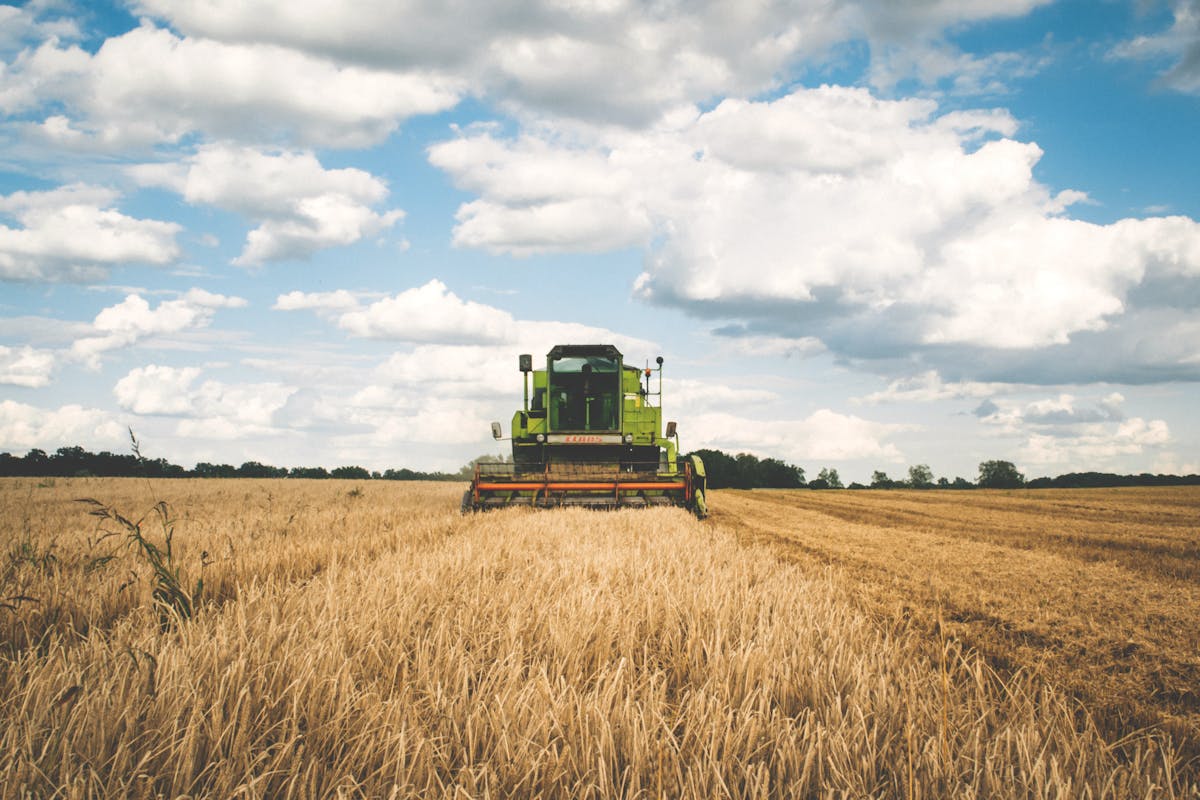
For much of his working life, Mac Barlow’s success depended on how effectively he could manage weeds. Like many row‑crop farmers in Alabama and across the South, he used herbicides to clear fields before planting peanuts and soybeans. Over the years, “burning down” his fields became just another part of the seasonal rhythm.
About a decade ago, Barlow began to experience symptoms he couldn’t ignore: a telltale tremor, difficulty with balance, and changes in hand strength. After medical evaluation, he was diagnosed with Parkinson’s disease. As he learned more about the condition, he found himself wondering, like many in similar positions, whether years of up‑close contact with weed killers had played a role.
Barlow’s experience echoes that of thousands of farmers, groundskeepers, and agricultural workers who have filed legal claims or shared their stories publicly, alleging that specific herbicides contributed to their Parkinson’s. These stories don’t replace scientific data, but they do:
- Highlight real human consequences behind abstract risk statistics.
- Draw attention to gaps in protective practices and regulation.
- Motivate researchers and policymakers to take possible links seriously.
“I used what I was told was safe and necessary to make a living. Now I’m the one wondering what it cost me.”
— Composite quote based on accounts from farmers living with Parkinson’s
How Could Weed Killers Affect the Brain?
Parkinson’s disease involves the gradual loss of dopamine‑producing neurons in a region of the brain called the substantia nigra. Some herbicides and pesticides have been shown, in animal and cell studies, to damage these neurons or the structures that keep them healthy.
Possible biological pathways
- Oxidative stress: Certain chemicals increase reactive oxygen species (ROS), which can injure cell membranes and DNA in vulnerable brain cells.
- Mitochondrial dysfunction: Some pesticides interfere with mitochondria—the “power plants” of cells—leading to an energy crisis that neurons struggle to survive.
- Inflammation: Chronic, low‑grade inflammation in the brain may be amplified by toxic exposures, further stressing dopamine neurons.
- “Multiple hits” over time: Repeated, sometimes low‑level exposures across decades may matter more than any single acute exposure.

It’s still unclear why some heavily exposed people never develop Parkinson’s, while others with modest exposures do. This is where genes, lifestyle factors (like head trauma history, smoking, or exercise), and simple chance all likely interact.
Who May Be at Higher Risk from Herbicide Exposure?
Not everyone who works around weed killers faces the same level of risk. Research and occupational safety data suggest that risk increases with cumulative exposure and inadequate protection.
Groups that may face greater exposure
- Farmers and farm workers who mix, load, and spray herbicides.
- Commercial pesticide applicators, groundskeepers, and landscapers.
- Rural residents living near frequently sprayed fields.
- Family members who may encounter contaminated clothing, boots, or equipment.
Within these groups, additional factors can compound risk:
- Decades of use, especially before stricter safety rules were widely adopted.
- Using older, higher‑toxicity formulations.
- Lack of or inconsistent use of protective gear (gloves, masks, coveralls).
- Mixing chemicals in enclosed spaces without proper ventilation.
Early Signs of Parkinson’s: What Farmers and Families Should Watch For
Parkinson’s disease often creeps in slowly. Many people, like Mac Barlow, can look back and see subtle symptoms years before diagnosis. If you or someone you love has a history of pesticide or herbicide exposure, it’s worth knowing the early warning signs.
Common early motor symptoms
- Resting tremor, often starting in one hand or fingers.
- Stiffness or “rigidity” in the arms, legs, or neck.
- Slower movement, making everyday tasks feel more effortful.
- Changes in walking, such as shorter steps or decreased arm swing.
Non‑motor symptoms that can appear first
- Loss of sense of smell.
- Constipation that doesn’t have another clear cause.
- Acting out dreams (moving, yelling) during sleep.
- Subtle mood changes, such as new anxiety or depression.
These symptoms can have many causes, not just Parkinson’s. However, if they cluster together or gradually worsen, a neurologist—preferably one who specializes in movement disorders—can help sort out what’s going on.
Practical Ways to Reduce Herbicide Exposure Right Now
If you depend on herbicides for your livelihood, you may not be able to eliminate them overnight. But you can meaningfully reduce exposure—for yourself, your workers, and your family—starting today.
1. Upgrade your personal protective equipment (PPE)
- Wear chemical‑resistant gloves, long sleeves, long pants, and closed‑toe boots.
- Use eye protection and, when indicated by the label, a properly fitted respirator.
- Change out of work clothes before coming into the house; wash separately.
2. Follow label instructions meticulously
- Never exceed recommended concentrations or application frequencies.
- Avoid mixing different chemicals unless the label clearly allows it.
- Respect re‑entry intervals for fields and treated areas.
3. Improve handling and storage
- Mix and load chemicals in well‑ventilated areas or outdoors.
- Store containers in a secure, locked space away from living areas.
- Clean equipment carefully and dispose of rinse water according to guidelines.

4. Consider alternative weed management strategies
- Mechanical cultivation and targeted tillage where soil conditions allow.
- Cover crops to reduce weed pressure between growing seasons.
- Crop rotations that naturally suppress certain weed species.
- Exploring integrated weed management plans with local extension services.
Medical, Legal, and Emotional Support: Where to Turn
Living with Parkinson’s is challenging under any circumstances. When you add the possibility that work‑related exposures played a role, it can stir up anger, guilt, and uncertainty—feelings many farmers and workers are reluctant to discuss.
Medical and rehabilitation resources
- Neurologists specializing in movement disorders.
- Physical, occupational, and speech therapists experienced in Parkinson’s care.
- Parkinson’s disease centers of excellence and multidisciplinary clinics.
Understanding your legal options
Thousands of individuals across the U.S. have pursued legal claims alleging that specific herbicides contributed to Parkinson’s disease or other illnesses. Outcomes vary widely, and each case is unique.
- Consult with an attorney who specializes in toxic exposure or agricultural cases.
- Bring documentation: medical records, spray records, product labels, and work history.
- Understand that legal processes are often lengthy and outcomes are not guaranteed.
Emotional and community support
- Local and online Parkinson’s support groups.
- Faith communities and rural health outreach programs.
- Mental health professionals familiar with chronic illness and occupational trauma.

Before and After: Farm Practices That Protect Health
For farmers like Barlow, the reality is that you can’t change past exposures. But you can change what the next decade looks like—for you, your land, and the next generation working it.
Earlier in many operations
- Limited protective equipment.
- Mixing concentrates by hand, often indoors.
- Reusing contaminated clothing without separate washing.
- Heavy reliance on chemical weed control alone.
Moving forward
- Consistent, upgraded PPE for all handlers.
- Ventilated mixing areas and closed transfer systems when available.
- “Clean‑in/clean‑out” routines to protect the home environment.
- Integrated weed management: combining chemicals with cultural and mechanical methods.
These changes won’t erase risk entirely, but they can significantly reduce additional exposure and set a safer standard for younger workers just coming into the field.
Looking Ahead: From Uncertainty to Informed Action
For Mac Barlow and thousands of others living with Parkinson’s, the question of whether weed killers “caused” their disease may never have a perfectly clear answer. What we do have, however, is growing evidence that long‑term pesticide exposure is one factor we can influence—through policy, research, farm practices, and personal choices.
If you are a farmer, agricultural worker, or rural resident, you deserve both honest information and practical tools. You shouldn’t have to choose between making a living and protecting your health.
- Learn your risks: Talk openly with your doctor about your work history.
- Strengthen protections: Upgrade safety practices on your farm or job site.
- Seek support: Connect with Parkinson’s organizations, support groups, and, if appropriate, legal experts.
- Advocate: Share your story with local leaders, extension agents, and policymakers who shape agricultural and chemical safety regulations.
The goal is not to frighten people away from farming—it’s to ensure that the people who feed our communities aren’t quietly sacrificing their long‑term health in the process.
You can’t rewrite the past, but you can help write a safer future for everyone who works the land.
