
Deadly Mosquito Outbreak in Cuba: What Chikungunya and Dengue Deaths Mean for Your Family’s Health
News from Cuba has been heartbreaking: since July, 33 people have died from mosquito-borne viruses, including 21 children. Most of these deaths were attributed to chikungunya, with others linked to dengue—two infections that can turn from “just a fever” into a life-threatening emergency, especially for children and vulnerable adults.
If you live in a tropical or subtropical area—or even in a region where mosquitoes are creeping further north or south—this story may feel uncomfortably close to home. You might be wondering: Could this happen where I live? and What can I actually do to protect my family?
In this article, we’ll unpack what’s known about the recent Cuba outbreak, what chikungunya and dengue really are, and the most practical, science-backed steps you can take to reduce your risk. The goal isn’t to scare you, but to give you clear, calm guidance in a situation that can feel overwhelming.
What Happened in Cuba? Understanding the Outbreak
According to reports shared by Cuban authorities and covered by CBS News, 33 people have died in Cuba since July due to mosquito-borne illnesses, with chikungunya accounting for most deaths and the rest linked to dengue infections. Tragically, 21 of those who died were children.
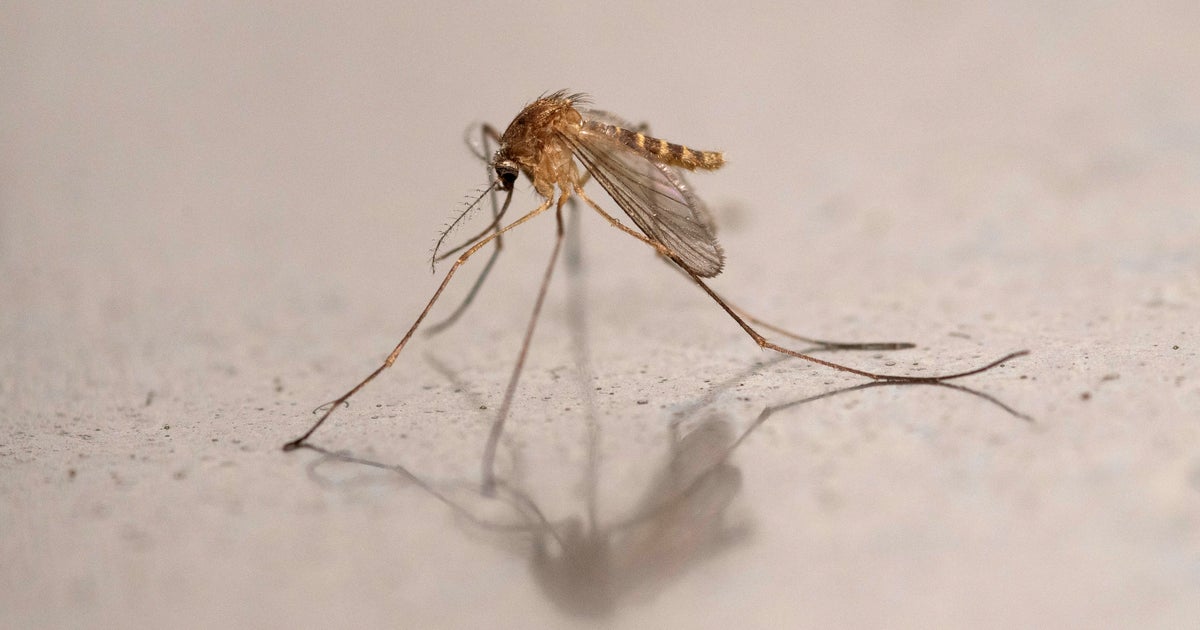
Cuba, like many Caribbean and Latin American countries, has long battled Aedes mosquitoes—the species that spreads chikungunya, dengue, Zika, and yellow fever. Factors that likely worsened this outbreak include:
- Warm, humid weather favoring mosquito breeding
- Standing water in and around homes (from rain, water storage, or drainage problems)
- Existing strains on the health system, making early detection and treatment harder
- Children and older adults being especially vulnerable to severe disease
“Mosquito-borne viruses like dengue and chikungunya are a growing threat in the Americas. Climate change, urban crowding, and inadequate vector control all create perfect conditions for outbreaks.”
— Adapted from regional statements by the Pan American Health Organization (PAHO)
While the immediate crisis is in Cuba, similar outbreaks have occurred in Brazil, the Dominican Republic, Mexico, and parts of the United States in recent years. The lesson is clear: mosquito control and personal protection are global priorities, not just local concerns.
Chikungunya & Dengue 101: What These Viruses Do to the Body
Both chikungunya and dengue are viral infections transmitted by mosquito bites, primarily from the Aedes aegypti and Aedes albopictus species. They share some symptoms, which can make them easy to confuse—especially early on.
What is chikungunya?
Chikungunya is caused by the chikungunya virus (CHIKV). The name comes from a word in the Kimakonde language meaning “to become contorted,” reflecting the severe joint pain many patients experience.
Common symptoms usually appear 3–7 days after a bite:
- Sudden high fever
- Intense joint pain (hands, feet, wrists, ankles)
- Muscle pain and fatigue
- Headache
- Rash in some patients
Most people recover fully, but joint pain can last for months in some, particularly older adults or those with other health issues. Severe complications and death are less common than with dengue, but—as the Cuba outbreak shows—they can occur, especially when care is delayed or when people have underlying conditions.
What is dengue?
Dengue is caused by four related dengue virus types (DENV-1 to DENV-4). A person can get dengue multiple times, and second or third infections can be more dangerous.
Typical symptoms include:
- High fever
- Severe headache (often behind the eyes)
- Muscle and joint pain (“breakbone fever”)
- Nausea and vomiting
- Rash
A small proportion progress to severe dengue, which can involve bleeding, fluid leakage, and shock. This is a medical emergency and can be fatal, particularly in children.
When to Worry: Warning Signs That Need Urgent Care
Early symptoms of dengue and chikungunya can look a lot like the flu or even COVID-19: fever, headache, body aches, feeling wiped out. But there are specific warning signs that should prompt urgent medical attention—especially for children, pregnant women, and older adults.
Danger signs in dengue
- Severe abdominal pain or tenderness
- Persistent vomiting
- Bleeding gums or nose, blood in vomit or stool
- Rapid breathing or shortness of breath
- Extreme fatigue, restlessness, or confusion
- Cold, clammy skin or sudden drop in blood pressure
Danger signs in chikungunya
Most chikungunya cases improve with rest and fluids, but seek urgent care if you notice:
- Shortness of breath or chest pain
- Signs of dehydration (very little urine, dizziness, dry mouth)
- Seizures or confusion
- Persistent high fever despite medication
Practical Ways to Protect Your Family from Mosquito-Borne Viruses
There’s no way to reduce risk to zero, but you can meaningfully lower your chances of infection with layered, realistic steps at home and in your community.
1. Stop mosquitoes from breeding around your home
Aedes mosquitoes breed in small collections of clean water—sometimes as tiny as a bottle cap. A weekly routine can dramatically cut their numbers.
- Walk around your home every 7 days. Check balconies, yards, roofs, and indoor corners.
- Empty, scrub, and cover items that hold water: buckets, flower pot plates, discarded tires, trash lids, pet water bowls.
- Change stored water (e.g., in tanks or barrels) regularly, and keep them tightly covered.
- Unclog drains and gutters so water can flow freely.
- Talk with neighbors so efforts are coordinated—mosquitoes don’t respect property lines.
2. Use personal protection—especially at peak biting times
Aedes mosquitoes tend to bite during the day and early evening, unlike malaria mosquitoes that bite mostly at night. Focus your protection then.
- Apply insect repellent on exposed skin:
- Look for ingredients like DEET, picaridin, IR3535, or oil of lemon eucalyptus.
- Follow age restrictions and instructions on the label, especially for infants and young children.
- Wear long sleeves and long pants when possible, preferably light-colored fabrics.
- Use mosquito nets for babies and young children, particularly during naps and at night.
- Install window and door screens and repair any tears.
3. Make your bedroom a “mosquito-safe zone”
Even if you live in a high-risk area, your sleeping area can be a refuge.
- Use a bed net, ideally treated with a long-lasting insecticide in high-risk regions.
- Run a fan or air conditioner if available—airflow can make it harder for mosquitoes to land.
- Keep windows and doors closed or screened, especially at dawn and dusk.
Vaccines, Treatment, and What Medicine Can (and Can’t) Do
One of the most challenging aspects of chikungunya and dengue is that there is no simple cure-all pill. Treatment focuses on supporting the body while the immune system fights the virus.
Current treatment options
- No specific antiviral is widely available yet for either disease.
- Care typically includes:
- Fluids to prevent dehydration (oral or IV)
- Medications like paracetamol/acetaminophen for fever and pain
- Monitoring and supportive care for complications (e.g., bleeding, shock)
- Hospital care is critical for severe dengue and high-risk chikungunya cases.
Are there vaccines?
Dengue vaccines have been developed and are approved in some countries, but their use is complex:
- Certain dengue vaccines are recommended only for people who have had a prior dengue infection.
- Others are being rolled out in specific age groups or regions with high dengue transmission.
- Availability, eligibility, and guidelines vary widely by country.
For chikungunya, vaccines are in development and regulatory review in some regions, but as of recent updates, widespread public vaccination programs are not yet the norm. This may change in the coming years as more safety and effectiveness data emerge.
Common Obstacles—and How Families Can Overcome Them
Even when people know how to prevent mosquito bites, daily life can get in the way. It’s important to acknowledge these barriers and make prevention as realistic as possible.
“It’s too hot to wear long sleeves.”
In tropical climates, long sleeves and pants can feel unbearable.
- Choose lightweight, breathable fabrics (cotton, linen, moisture-wicking materials).
- Dress kids in loose, light-colored clothing that covers arms and legs but allows airflow.
- Combine clothing with repellent on uncovered skin rather than relying on clothes alone.
“Repellents are expensive or hard to find.”
In some regions, quality repellents can be costly.
- Prioritize use during highest-risk times (early morning, late afternoon, evenings).
- Focus on protecting the most vulnerable first—children, pregnant women, elderly family members.
- Work with community leaders or local health workers to advocate for subsidized or community-distributed repellents and nets.
“Everyone in my area has had dengue, it’s just part of life.”
When an illness is common, it can feel unavoidable or “normal.” But severe cases, like those seen in Cuba, are a stark reminder that vigilance matters.
- Remember that each infection carries risk, and severe disease can happen even to healthy people.
- Small, consistent actions—like weekly container checks—are more powerful over time than rare “big” clean-ups.
- Share information gently with family and neighbors, focusing on protecting children and elders rather than blame or fear.
At-a-Glance: Chikungunya vs. Dengue
Use this quick comparison as a mental “cheat sheet.” It’s not a diagnostic tool, but it can help you remember key differences.
| Feature | Chikungunya | Dengue |
|---|---|---|
| Typical onset | Sudden high fever, intense joint pain | High fever, severe headache, muscle/joint pain |
| Key symptom | Debilitating joint pain (can last months) | Risk of bleeding and shock in severe cases |
| Main danger | Chronic pain, rare but serious complications | Severe dengue (bleeding, organ damage, death) |
| Vaccine status | Vaccines in development/limited approval | Some vaccines available in specific countries and groups |
| Prevention | Mosquito control, personal protection (repellent, nets, clothing), community action | |
Trusted Resources for Up-to-Date Information
Because recommendations evolve—especially around vaccines and regional outbreaks—it’s wise to check reliable, regularly updated sources.
- World Health Organization (WHO) – Dengue and Severe Dengue
- World Health Organization (WHO) – Chikungunya
- Pan American Health Organization (PAHO) – Arboviral Diseases (Dengue, Chikungunya, Zika)
- U.S. Centers for Disease Control and Prevention (CDC) – Dengue
- U.S. Centers for Disease Control and Prevention (CDC) – Chikungunya
Moving Forward: Small Daily Actions, Big Long-Term Impact
The loss of 33 lives in Cuba—most of them children—is a painful reminder that mosquito-borne viruses are not minor illnesses. But it’s also a call to action we can answer in practical, hopeful ways.
You don’t have to overhaul your life overnight. Instead, focus on a few consistent steps:
- Do a 10-minute weekly check for standing water around your home.
- Make repellent and protective clothing a habit during high-risk times.
- Learn the warning signs of severe disease so you can act quickly if someone gets sick.
- Share what you know—with neighbors, family, and especially parents and caregivers.
Public health systems, governments, and international organizations have crucial roles to play—but households and communities are the front line. Your actions, however small they seem, truly matter.
Today, you might simply walk around your home, tip out a few containers of water, and talk with your family about using repellent this week. That’s already a powerful, protective step—and it’s how meaningful change begins.
