
Could a Shingles Shot Also Protect Your Brain? New Study on Dementia Explained
Updated: December 3, 2025
By Health Insights Assistant
Shingles Vaccine and Dementia: What a New Study Really Means for Your Brain Health
If you’ve ever helped a loved one living with dementia—or worried about your own memory—you know how urgent the search for brain-protective strategies feels. A new study highlighted by CNN suggests the shingles vaccine may do more than prevent a painful rash: it might also slow the progression of dementia. That’s a big, hopeful headline—but it also raises a lot of questions.
In this guide, we’ll unpack what the research actually shows, what it doesn’t prove yet, and how to think about the shingles vaccine as part of a broader dementia prevention plan. The goal isn’t to sell you on a miracle cure—there isn’t one—but to give you clear, science-informed context you can use in real conversations with your doctor and family.
The Problem: Dementia Is Rising, and Proven Protections Are Limited
Dementia—including Alzheimer’s disease—affects tens of millions of people worldwide. As people live longer, those numbers are expected to grow. Right now, the treatments we have can modestly slow symptoms in some people, but they can’t fully stop or reverse the disease.
That’s why researchers are intensely interested in prevention and risk reduction—everything from blood pressure control and sleep to infections and vaccines. The new shingles vaccine study fits into this broader push: can we chip away at dementia risk or progression using tools we already have?
“There will likely never be a single ‘silver bullet’ for dementia. Instead, we’re looking at many small, evidence-backed steps that together may have a meaningful impact over a lifetime.”
Understanding where the shingles vaccine might fit—if at all—means first understanding what shingles is and why the brain might care.
What Is Shingles, and How Does the Vaccine Work?
Shingles (herpes zoster) is a painful rash caused by reactivation of the varicella-zoster virus—the same virus that causes chickenpox. After you recover from chickenpox, the virus lies dormant in nerve cells and can “wake up” decades later as shingles, especially as your immune system ages.
- Symptoms: Painful, blistering rash on one side of the body or face, often with burning or tingling.
- Complications: Long-lasting nerve pain (postherpetic neuralgia), eye damage, and—in rare cases—serious neurological complications.
- Who’s at risk: Risk rises sharply after age 50 and with conditions that weaken the immune system.
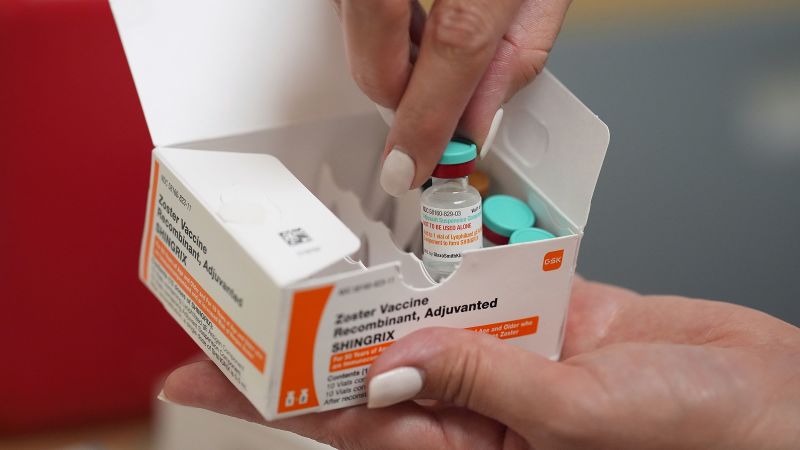
The modern shingles vaccine (a recombinant, non‑live vaccine, often called Shingrix) uses a viral protein plus an adjuvant to “train” your immune system. It’s typically given as a two-dose series. Large clinical trials have shown high effectiveness at preventing shingles and its complications in older adults.
The New Research: Shingles Vaccine and Slower Dementia Progression
CNN recently reported on a new study suggesting that people who received the two-dose shingles vaccine may experience slower progression of dementia compared with those who did not receive the vaccine. While the exact details depend on the specific research design, the general pattern described is:
- Population: Older adults, some already diagnosed with dementia.
- Exposure: Receipt of the full two-dose shingles vaccine series.
- Outcome: Measures of dementia progression over time—such as cognitive test scores, level of independence, or healthcare utilization.
- Finding: Vaccinated individuals showed a slower rate of decline or fewer dementia-related complications than unvaccinated peers.
These kinds of studies are usually observational: researchers analyze existing medical records rather than randomly assigning people to get or skip the vaccine. That means the findings show an association—a link between vaccination and dementia outcomes—but cannot, by themselves, prove that the vaccine is the direct cause of slower progression.
“Association is not causation. But when the same association shows up across multiple, well-done studies and fits with a plausible biological mechanism, it deserves serious attention.”
Importantly, this shingles study adds to a growing body of research suggesting that several vaccines—including those for flu, pneumonia, and shingles—may be linked with lower dementia risk or slower progression. That doesn’t mean vaccines are a cure; it does hint that a well-tuned immune system and fewer severe infections may help protect the brain over the long haul.
How Could a Shingles Shot Affect the Brain? Possible Mechanisms
Researchers are still piecing together the “how,” but several plausible mechanisms have been proposed:
- Fewer severe infections and inflammation: Every major infection triggers inflammation, which can affect the brain. Preventing shingles—and especially severe or complicated shingles—may reduce bursts of inflammation that accelerate brain damage.
- Protection of nerves: Shingles directly infects and irritates nerves. By stopping this reactivation, the vaccine may indirectly protect nerve pathways that also support brain function.
- Immune system “tuning”: Some scientists think certain vaccines help the immune system respond more efficiently overall, potentially reducing harmful chronic inflammation that’s linked with dementia.
- Reduced hospitalizations and stress: Avoiding a painful, potentially disabling condition like shingles also means fewer hospital stays, less delirium, and less overall physiological stress—all of which can worsen dementia.
None of these explanations has been definitively proven, but they align with broader research on inflammation, immunity, and brain aging.
What This Study Does Not Prove: Important Limitations
It’s easy for hopeful headlines to morph into overpromises. To keep expectations realistic, here’s what the current evidence does not guarantee:
- No proof of cure: The shingles vaccine does not cure dementia or reverse existing brain damage.
- Not yet a stand‑alone dementia treatment: The vaccine is not approved as a dementia medication; its primary indication remains shingles prevention.
- Healthy-user bias: People who choose to get vaccinated often differ in important ways from those who don’t—they may be more health-conscious, have better access to care, or manage chronic conditions more aggressively. These differences can partly explain better outcomes.
- We don’t know the exact size of the effect: Even if the association is real, the benefit may be modest—helpful, but not dramatic, and certainly not a replacement for other brain‑healthy habits.
A Real-World Scenario: How One Family Used This Information
Consider Maria, a 72‑year‑old retired teacher with early-stage Alzheimer’s disease. Her daughter, Ana, read about the shingles vaccine and dementia online and felt a mix of hope and confusion: “Is this something that could actually help my mom, or is it just another headline?”
When they met with Maria’s primary care doctor, they reviewed her chart: she had never had a shingles vaccine, had well-controlled blood pressure, and was up-to-date on flu shots. The doctor explained that national guidelines already recommended a shingles vaccine for adults Maria’s age, even without the dementia research, because of the pain and complications shingles can cause.
Together, they decided:
- Maria would start the two-dose shingles vaccine series, primarily to prevent shingles.
- They would view any possible dementia benefit as a welcome “bonus,” not a guarantee.
- They would continue focusing on sleep, activity, medications, and social engagement as part of Maria’s dementia care plan.
For Ana, the biggest emotional shift was moving from feeling helpless to feeling like there were at least some concrete, evidence‑informed steps they could take—vaccines included.
Practical Steps: Should You or a Loved One Consider the Shingles Vaccine?
If you’re wondering what to do with this information, here’s a practical, step‑by‑step approach:
- Check your eligibility.
Most guidelines recommend the shingles vaccine for:- Adults 50 and older, and
- Some younger adults with weakened immune systems.
- Review your vaccine history.
If you had an older live shingles vaccine years ago, you may still be eligible for the newer, more effective version. Ask your provider what’s recommended today. - Discuss dementia and overall risk with your doctor.
Bring up:- Any family history of dementia.
- Your own memory concerns or diagnosis.
- Other risk factors: blood pressure, diabetes, smoking, sleep apnea, depression.
- Weigh benefits and side effects.
Common side effects include arm soreness, fatigue, mild fever, or headache, usually lasting a few days. Serious side effects are rare, but your provider can put these in context with your personal health profile. - Plan the timing.
The two doses are usually spaced a few months apart. If you or your loved one has dementia, choose times when routines are relatively stable to minimize added stress.

Common Obstacles and How to Navigate Them
Even when the science looks promising, real-life barriers can get in the way. Here are a few, with practical ways to respond.
1. “I’m worried about side effects.”
That concern is valid. Most people have only mild, short‑lived side effects. For someone with dementia, temporary discomfort can still be disruptive. You can:
- Schedule the vaccine on a “quiet” day without other major events.
- Have a plan for extra reassurance, rest, and hydration after the shot.
- Ask the clinician what warning signs should prompt a call or visit.
2. “The cost worries me.”
Coverage varies by country and insurance plan. To avoid surprises:
- Call your insurer or national health service and ask specifically about shingles vaccine coverage for your age group.
- Ask your clinic about patient assistance programs or public health options.
3. “My loved one already has advanced dementia—does it still matter?”
In later stages, comfort often becomes the primary goal. Preventing a painful, confusing illness like shingles can still be meaningful, but decisions should center on quality of life, existing health conditions, and personal preferences. This is a deeply individual choice, best made together with the healthcare team and, if possible, honoring the person’s previously expressed values.
Beyond Shingles: A Broader Brain Health Checklist
Even if the shingles vaccine offers some protection for brain health, it’s just one part of a bigger picture. Research-supported strategies for lowering dementia risk or slowing progression include:
- Managing blood pressure, cholesterol, and diabetes with medication and lifestyle.
- Staying physically active—even light daily walking is helpful.
- Protecting sleep and treating sleep apnea if present.
- Staying socially connected with friends, family, or community groups.
- Challenging the brain with new learning, hobbies, or structured cognitive activities.
- Addressing depression, hearing loss, and vision problems, all of which are linked to cognitive decline.
- Keeping up with other vaccines (such as flu and pneumonia) to avoid serious illnesses that can set cognition back.
Before and After: Dementia Care With and Without Shingles Protection
To visualize the potential impact, imagine two similar people with early dementia:
Before: No Shingles Vaccine
- Higher chance of experiencing shingles and associated pain.
- Possible hospitalizations or delirium during severe illness.
- Added stress on the brain and caregivers during flares.
After: With Shingles Vaccine
- Substantially lower risk of shingles and its complications.
- Fewer infection‑related setbacks in day‑to‑day cognition.
- Possible additional, modest slowing of dementia progression (still under study).
This comparison is simplified and doesn’t capture every nuance, but it highlights a key idea: protecting overall health—nerves, immunity, and comfort—can support the brain, even when we can’t fully control the underlying disease.
Evidence and Expert Perspectives
While details of the newest study are still being discussed, its findings align with several earlier lines of research:
- Large observational studies have linked flu and pneumonia vaccines with lower dementia risk over time.
- Research has shown that severe infections and repeated hospitalizations are associated with faster cognitive decline.
- Some neurologists and geriatricians now emphasize vaccination as part of comprehensive dementia risk management, while stressing that it is not a cure.
“From a brain health perspective, anything we can do to prevent serious infections and inflammation—within a person’s values and preferences—is worth serious consideration.”
For more detailed reading, look for resources from organizations such as:
Moving Forward: A Calm, Informed Approach to Brain Protection
The idea that a shingles vaccine might help slow dementia progression is genuinely encouraging—but it’s not a magic answer. It’s one more piece of evidence that caring for the body, avoiding preventable illnesses, and supporting the immune system can all contribute to brain health over time.
If you’re considering this vaccine for yourself or someone you love:
- Start with a clear conversation with your healthcare provider.
- View vaccination as part of a broader, long‑term brain health plan.
- Keep expectations grounded: this is about incremental protection, not overnight transformation.
Living with dementia—directly or as a caregiver—can feel overwhelming. You don’t have to fix everything at once. Each informed choice, from vaccines to daily walks, is a small step toward preserving function, comfort, and connection for as long as possible.
Your next step: jot down your top three questions about dementia and vaccines, and bring them to your next medical appointment. Turning curiosity into conversation is where real change begins.
