
Crypto’s Post‑ETF Comeback: How Bitcoin ETFs, Layer‑2 Scaling, and Tokenized Real‑World Assets Are Reshaping Finance

Figure 1: Bitcoin and digital asset markets have rebounded following ETF approvals and renewed institutional interest. Image credit: Pexels / Worldspectrum.
Mission Overview: Crypto’s Post‑ETF Resurgence
The cryptocurrency ecosystem in 2024–2025 looks very different from the speculative mania of 2021 or the crash of 2022. Spot Bitcoin exchange‑traded funds (ETFs) in major markets such as the United States and Europe have opened a tightly regulated channel for institutions and retail investors to gain exposure to Bitcoin without managing private keys or dealing with unregulated exchanges. These funds have attracted tens of billions of dollars in cumulative inflows, helping push Bitcoin back toward, and in some regions beyond, prior all‑time highs.
Simultaneously, the technical narrative has pivoted from meme coins and yield farming to scalability and real‑world utility. Layer‑2 (L2) scaling solutions are reshaping what is possible on Bitcoin and Ethereum, while tokenization of real‑world assets (RWAs) such as government bonds, money‑market funds, and real estate is turning public blockchains into programmable settlement layers for traditional finance.
“Tokenization of real‑world assets may be the next generation for markets, part of a broader transformation of the infrastructure of capital markets.” — Larry Fink, CEO of BlackRock
This article maps the core pillars of crypto’s renewed momentum: Bitcoin’s ETF‑driven legitimization, the rise of L2 scaling, the rapid progress in RWA tokenization, and the regulatory and technical challenges that will determine whether this is a durable transformation or another transient cycle.
Bitcoin’s ETF Moment: From Fringe Asset to Portfolio Building Block
The approval of spot Bitcoin ETFs in the United States in early 2024—following similar structures in Canada and parts of Europe—was a watershed regulatory event. Products such as:
- BlackRock’s iShares Bitcoin Trust (IBIT)
- Fidelity Wise Origin Bitcoin ETF (FBTC)
- ARK 21Shares Bitcoin ETF (ARKB)
have made it possible for pension funds, RIAs, and conservative institutions to allocate to Bitcoin via familiar brokerage accounts and custodial frameworks.
Inflows into these products have been substantial. Analysts tracking ETF flows report that aggregate U.S. spot Bitcoin ETFs have, at times, acquired more than the daily mined supply of Bitcoin, creating a persistent demand overhang. This has:
- Improved perceived legitimacy of Bitcoin as “digital gold.”
- Expanded the investor base beyond crypto‑native traders.
- Anchored Bitcoin firmly in macro‑economic and portfolio‑construction conversations.
“Bitcoin is increasingly being treated as a macro asset, its price movements correlating with real yields, liquidity conditions, and broader risk sentiment.” — Excerpted from institutional research coverage on digital assets.
For individual investors who still prefer direct ownership, hardware wallets such as the Ledger Nano S Plus remain popular, but the ETF channel has dramatically lowered the adoption barrier for traditional finance (TradFi).
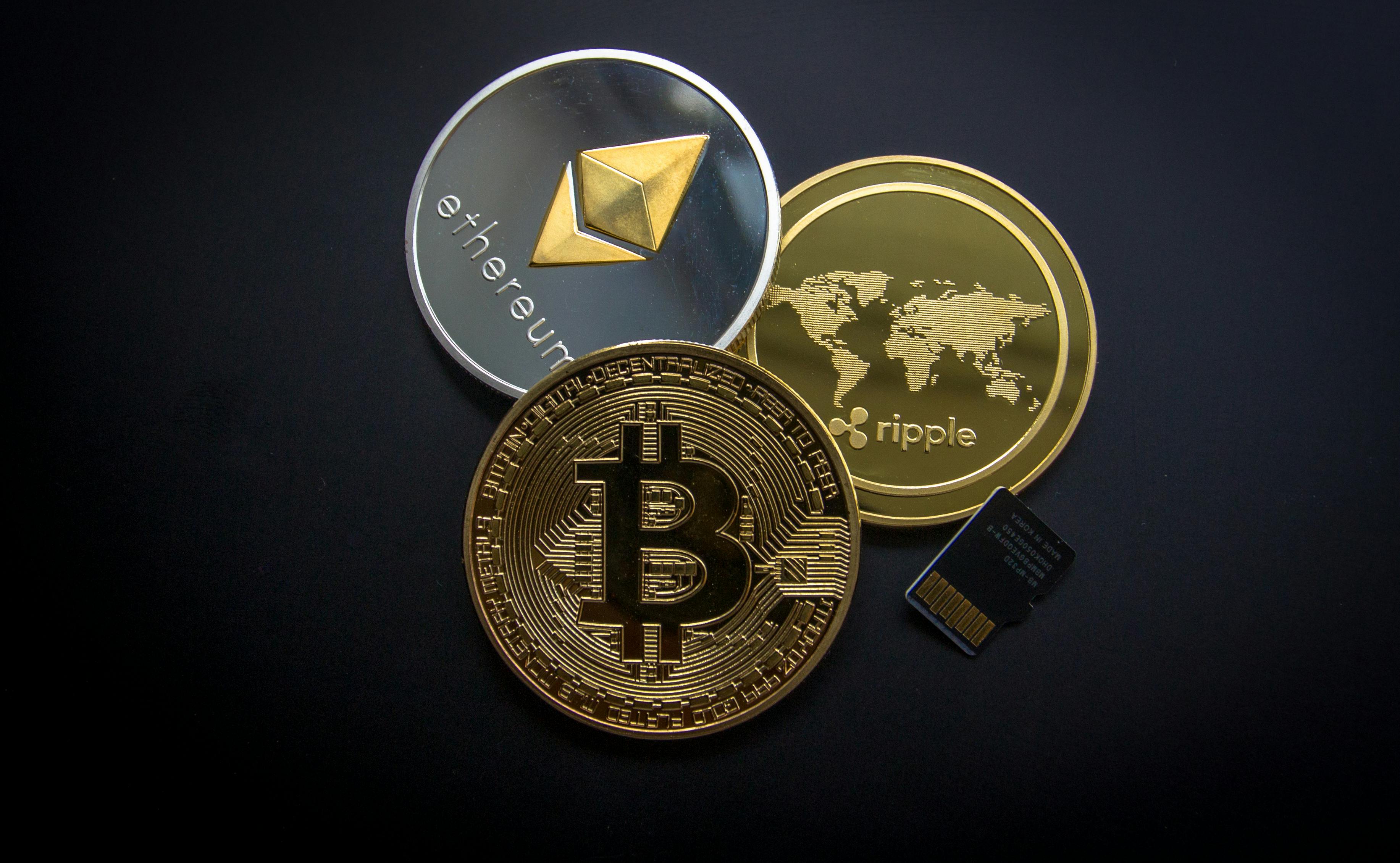
Figure 2: Layer‑2 networks increase throughput by processing transactions off‑chain while anchoring security to a base layer. Image credit: Pexels / Kevin Ku.
Technology: Layer‑2 Scaling on Bitcoin and Ethereum
As adoption grows, scalability and transaction costs become existential bottlenecks. Base‑layer blockchains like Bitcoin and Ethereum prioritize security and decentralization, but that design choice limits throughput. Layer‑2 networks provide a way out: move most transaction processing off‑chain, then periodically commit cryptographic proofs or batched data back to the main chain.
Rollups and the Modular Blockchain Thesis
On Ethereum, rollups have become the dominant L2 architecture. Two major families are:
- Optimistic rollups (e.g., Optimism, Arbitrum): Assume transactions are valid by default, allowing a dispute window in which fraudulent activity can be challenged.
- Zero‑knowledge (ZK) rollups (e.g., zkSync, Starknet, Scroll): Use succinct cryptographic proofs (SNARKs/STARKs) to prove correctness of transaction batches.
This has led to a “modular blockchain” paradigm where:
- The base layer (L1) focuses on consensus and data availability.
- L2 handles execution and user interaction.
- Additional layers may provide specialized services (e.g., privacy, off‑chain data oracles).
Bitcoin Layer‑2: Beyond Digital Gold
Bitcoin’s L2 ecosystem is also evolving beyond the original Lightning Network:
- Lightning Network — A payment‑channel network enabling near‑instant, low‑fee BTC transfers, particularly useful for micropayments and remittances.
- Sidechains and rollup experiments — Projects exploring Bitcoin‑anchored smart‑contract platforms, rollups, and Ordinals‑based protocols for NFTs and tokens.
“Rollups are the only trustless scaling solution for Ethereum.” — Vitalik Buterin, co‑founder of Ethereum
For developers and technically inclined readers, in‑depth explainers on rollup architectures and data‑availability sampling are frequently discussed on platforms such as Vitalik Buterin’s blog, the Ethereum.org scaling docs, and research posts from leading L2 teams.

Figure 3: Real‑world asset tokenization is bringing government bonds, real estate, and money‑market funds onto blockchains. Image credit: Pexels / Artem Podrez.
Scientific and Economic Significance: Tokenization of Real‑World Assets
One of the most consequential trends in this new phase is real‑world asset (RWA) tokenization—representing claims on traditional financial assets as blockchain tokens. Examples in production or advanced pilots include:
- Tokenized U.S. Treasury bills and short‑term bond funds.
- On‑chain money‑market funds from major asset managers.
- Tokenized commercial real estate, revenue‑sharing agreements, trade finance, and carbon credits.
Why Tokenization Matters
RWA tokenization is not just another buzzword. It has concrete potential benefits:
- 24/7 settlement — Assets can move globally any time, without batch settlement delays.
- Programmability — Tokens can interact with smart contracts for automated interest distribution, collateralization, or compliance checks.
- Fractional ownership — High‑value assets can be split into small denominations, increasing accessibility.
- Transparent audit trails — On‑chain records make it easier to trace asset histories and monitor risk.
Who Is Experimenting?
Major financial institutions, including global banks and asset managers, are piloting tokenized funds and bonds on public and permissioned blockchains. Industry consortia and fintechs are building specialized RWA platforms that integrate:
- On‑chain identities and KYC/AML controls.
- Regulated custodial structures for underlying assets.
- APIs for banks, brokers, and DeFi protocols.
“Tokenised deposits and tokenised assets on programmable platforms could improve settlement efficiency and transparency, but require robust legal and regulatory frameworks.” — Bank for International Settlements (BIS) commentary on tokenisation
For a deeper dive, readers can explore reports from the Bank for International Settlements, IMF digital asset research, and tokenization white papers published by leading asset managers and consulting firms.
Milestones: From Bear Market to Institutional Adoption
The journey to the current resurgence was punctuated by a series of dramatic events and structural shifts:
Key Milestones Since the 2022 Bear Market
- High‑profile failures (2022–2023) — Collapses of leveraged trading platforms, algorithmic stablecoins, and centralized lenders triggered cascading liquidations and a crisis of confidence.
- Regulatory enforcement wave — Authorities in the U.S., Europe, and Asia intensified enforcement actions, clarifying that many prior practices were non‑compliant with securities, commodities, or banking regulations.
- Infrastructure clean‑up — Surviving exchanges, custodians, and stablecoin issuers upgraded risk controls, transparency reports, and governance structures.
- Spot Bitcoin ETF approvals — After lengthy litigation and applications, regulators in major markets approved spot Bitcoin ETFs, validating surveillance‑sharing arrangements and market‑manipulation safeguards.
- L2 and RWA inflection point — Rollups reached production maturity, L2 ecosystems drew user and developer traction, and tokenized treasuries emerged as one of the fastest‑growing on‑chain asset classes.
Each milestone shifted the narrative from “crypto as a casino” toward a more sober view: a high‑risk, rapidly evolving technology stack that, when properly supervised, could modernize settlement, collateral, and cross‑border payments.
On social platforms such as X (Twitter), YouTube, and TikTok, content creators who once focused solely on meme coins are now producing deep‑dive explainers on ETFs, rollups, and tokenization—an indicator of how the narrative has matured.
Methodology and Technology Stack Behind the New Crypto Wave
Underneath the headlines, today’s crypto infrastructure blends cryptography, distributed systems, and regulatory technology (RegTech). Understanding the basic methodology helps non‑specialists evaluate what is hype and what is structurally sound.
Core Components
- Consensus algorithms — Proof‑of‑Work (Bitcoin) and Proof‑of‑Stake (Ethereum) secure the base layers.
- Layer‑2 protocols — Optimistic and ZK rollups, state channels, and sidechains extend scalability.
- Smart contracts — Self‑executing programs (primarily on Ethereum and compatible chains) that enforce business logic for RWAs, DeFi protocols, and NFTs.
- Oracles — Services such as Chainlink bridge off‑chain data (e.g., prices, interest rates) into smart contracts.
- Compliance and identity layers — On‑chain KYC, attestations, and rule‑based access controls for regulated assets.
Typical Workflow for Tokenized RWAs
- An issuer (e.g., a fund manager) holds the underlying asset (e.g., U.S. Treasuries) in a regulated custodial account.
- A legal wrapper (often a special‑purpose vehicle) is created, defining investor rights and redemption mechanisms.
- Smart contracts mint tokens that represent shares or claims on that legal wrapper.
- Investors undergo KYC/AML checks and receive tokens in compliant wallets.
- Tokens can then be transferred or used as collateral in compatible DeFi protocols, subject to embedded compliance rules.
This architecture is still experimental, but it shows how crypto technology is being adapted to fit into, rather than replace, established legal and regulatory frameworks.
Challenges: Regulation, Security, and Systemic Risk
Despite the renewed optimism, structural risks remain. Regulators, technologists, and investors are grappling with a complex set of challenges that will shape the trajectory of this ecosystem.
Regulatory and Legal Uncertainty
- Securities vs. commodities — Ongoing debates, particularly in the United States, over whether various tokens qualify as securities, commodities, or something else.
- Stablecoin regimes — Draft and enacted laws focusing on reserve requirements, disclosure, and issuer licensing.
- DeFi classification — Questions around how to regulate decentralized protocols that lack a traditional corporate “issuer” or centralized operator.
Technical and Operational Risks
- Smart‑contract bugs — Vulnerabilities can lead to irreversible loss of funds; formal verification and security audits are essential but imperfect.
- Bridge security — Cross‑chain bridges have historically been one of the weakest links, with several multi‑hundred‑million‑dollar exploits.
- Centralization pressure — L2 sequencers, oracle providers, and staking pools can become concentrated, introducing governance and censorship risks.
Market Structure and Consumer Protection
Even as institutional rails mature, retail users remain exposed to high volatility, leverage, and complex products they may not fully understand. Authorities and industry groups are exploring:
- Clearer disclosures for token projects and exchanges.
- Suitability rules for highly leveraged derivatives.
- Standardized risk metrics for DeFi yields and RWA tokens.
“Investors should remain cautious about promises of high returns from products that may not be registered or appropriately supervised.” — Guidance from major securities regulators on digital asset investing
Practical Tools and Resources for Navigating the New Crypto Landscape
For readers who want to track this space responsibly, combining high‑quality information sources with basic security practices is crucial.
Educational Resources
- Coin Center for policy analysis in the U.S.
- Blockchain Research Lab for academic‑style papers on blockchain economics.
- LinkedIn Learning blockchain courses for structured introductions.
- Crypto episodes from mainstream outlets such as FT Crypto Finance or Bloomberg Crypto.
Security and Self‑Custody
For those holding assets directly on‑chain, hardware wallets remain one of the strongest security baselines. Popular, widely reviewed devices include:
- Ledger Nano S Plus — Suitable for users who want a compact, multi‑asset hardware wallet.
- Trezor Model T — A touch‑screen wallet favored by security‑conscious users who want an open‑source option.
Always buy hardware wallets from official or major retail channels, enable two‑factor authentication where possible, and never share seed phrases. Social‑media‑driven scams remain prevalent, particularly during bull markets.
Media, Social Platforms, and Narrative Formation
Crypto’s resurgence is not just a financial or technical story; it is also a media phenomenon. Coverage from outlets like The Verge, WIRED, and Hacker News increasingly focuses on:
- Regulatory battles and court rulings.
- Technical deep dives into rollups and protocol upgrades.
- Case studies on banks and governments piloting blockchain settlement.
Meanwhile, influencers on YouTube and X are rebranding from pure “trading” channels to broader fintech educators, producing explainers on:
- How spot Bitcoin ETFs differ from futures‑based products.
- The mechanics of optimistic vs. ZK rollups.
- How tokenized treasuries might impact money markets.
For example, long‑form interviews on channels such as Bankless or Unchained often feature protocol founders, regulators, and academics discussing these developments in detail.
Conclusion: Toward a More Integrated Financial Stack
Crypto’s post‑ETF resurgence is not merely a repeat of earlier boom‑and‑bust cycles. The convergence of regulated Bitcoin ETFs, production‑grade L2 scaling, and serious experiments in RWA tokenization suggests a deeper structural integration between crypto infrastructure and traditional finance.
Still, this integration is far from complete. Key open questions include:
- How quickly regulatory frameworks can adapt without stifling innovation.
- Whether L2 networks can remain sufficiently decentralized while optimizing performance and user experience.
- How resilient tokenized markets will be under stress scenarios such as rate shocks or large‑scale hacks.
For technologists, policymakers, and investors, the task now is to distinguish durable infrastructure from speculative froth, encourage transparent experimentation, and ensure that consumer protection and systemic‑risk management evolve alongside the technology. If that balance is achieved, crypto’s current resurgence may be remembered not as another bubble, but as the moment blockchain infrastructure quietly became part of the fabric of global finance.
Additional Considerations and Future Directions
Looking ahead, several developments could further accelerate or reshape this trajectory:
- Integration with Central Bank Digital Currencies (CBDCs) — Interoperability between public‑chain RWAs and CBDCs could redefine cross‑border settlement.
- Privacy‑preserving computation — Advances in zero‑knowledge proofs may enable compliant yet privacy‑respecting financial applications.
- On‑chain identity and reputation — Verifiable credentials could enable under‑collateralized lending and more nuanced risk models.
- Tokenized infrastructure financing — Municipal and green projects may increasingly tap tokenized bonds and revenue‑sharing structures to reach global investors.
For professionals in finance or technology, staying current on these trends is becoming a core competency rather than a niche interest. Subscribing to specialized research newsletters, attending industry conferences (both crypto‑native and mainstream fintech), and following leading researchers on platforms like LinkedIn and X can provide valuable signal amid the noise.
References / Sources
Selected sources for further reading on crypto ETFs, L2 scaling, and RWA tokenization:
- BlackRock iShares Bitcoin Trust (IBIT)
- Fidelity: Understanding Bitcoin ETFs
- Ethereum.org: Scaling Ethereum (Rollups and L2s)
- Vitalik Buterin’s Blog (technical essays on rollups and modular blockchains)
- Bank for International Settlements: The Future Monetary System
- IMF: Digital Currencies and Fintech
- Financial Times: Crypto Finance
- Bloomberg Crypto
- YouTube: Explainers on Bitcoin ETFs and their market impact (example educational video)
