
Climate Tipping Points and Extreme Weather: Are We Entering a Dangerous New Normal?
Over the last decade, what once counted as “freak” weather is now appearing every few years—or even every summer. By late 2025, phrases like “climate tipping points,” “rapid intensification,” and “new normal climate” dominate scientific conferences, IPCC updates, and social media explainers. In this article, we break down the science behind these trends, trace the cutting‑edge tools meteorologists and climate scientists use, and explore why understanding tipping points is now central to policy, infrastructure planning, and personal risk management.

Mission Overview: From Weather Anomalies to Climate Tipping Points
The central scientific mission today is to determine whether humanity is approaching—or has already crossed—major tipping elements in the Earth system. Tipping points are thresholds beyond which small additional warming or land‑use change can trigger large, often irreversible shifts in climate and ecosystems.
Key Earth system components under active investigation include:
- Greenland and West Antarctic ice sheets
- Arctic permafrost carbon stores
- Amazon rainforest stability and dieback risk
- Atlantic Meridional Overturning Circulation (AMOC)
- Coral reef systems and marine heatwave responses
These components interact with atmospheric dynamics and ocean circulation to determine patterns of heatwaves, drought, storms, and sea‑level rise that societies experience as “weather.”
“Tipping points in the Earth system pose some of the greatest risks of abrupt and irreversible climate changes.” — Prof. Johan Rockström, climate scientist and co‑author of multiple Earth system tipping point studies.
Extreme Weather and the Emerging ‘New Normal’
Observations since roughly 2015 show a sharp increase in:
- Record‑breaking heatwaves lasting weeks, with nighttime temperatures remaining dangerously high.
- Megadroughts in regions like the western United States, the Mediterranean, and parts of South America.
- Rapidly intensifying tropical cyclones fueled by anomalously warm ocean waters.
- Catastrophic floods from stalled storm systems and extreme rainfall events.
In climate science, what we call “normal” is based on multi‑decadal averages. As human‑driven greenhouse gas emissions push global temperatures upward, the baseline shifts. Events that were once considered “1‑in‑100‑year” now occur every decade or less.
Scientists use a field called event attribution to quantify how much more likely climate change has made a given extreme event. Groups like the World Weather Attribution consortium release rapid studies within weeks after a disaster, now widely covered in news and social media feeds.

What Are Climate Tipping Points?
A climate tipping point is a critical threshold at which a small perturbation can qualitatively alter the state or development of a system. Beyond the tipping point, feedbacks within the system amplify changes, making them self‑sustaining or very hard to reverse.
Classic tipping point behavior typically shows:
- Non‑linearity: Impacts accelerate faster than the underlying driver (e.g., temperature rise).
- Hysteresis: Reversing the driver (cooling) doesn’t simply undo the change—damage lingers.
- Feedback loops: Processes that reinforce the initial change, such as ice–albedo feedbacks.
In the Earth system, even when tipping unfolds over decades or centuries, decisions made in the 2020s can commit future generations to very different climate futures.
“Once triggered, some tipping points could lead to abrupt, unstoppable and self‑perpetuating changes.” — Prof. Timothy Lenton, University of Exeter.
Ice Sheet Collapse: Long-Term Sea-Level Commitments
Greenland and West Antarctic Ice Sheets
The Greenland and West Antarctic ice sheets contain enough ice to raise global sea level by several meters. While full collapse would unfold over centuries or longer, crossing key thresholds in the 21st century could lock in this rise.
Researchers use:
- Satellite gravimetry (e.g., GRACE, GRACE‑FO) to detect changes in ice mass.
- Ice‑penetrating radar to map internal layers and basal conditions.
- GPS and field campaigns to track ice flow speed and grounding line migration.
West Antarctica’s Thwaites and Pine Island glaciers are of particular concern. Warm ocean water intruding beneath floating ice shelves can destabilize inland ice, potentially triggering marine ice sheet instability.
“We may be witnessing the beginning of a long‑term, irreversible retreat of parts of the West Antarctic Ice Sheet.” — Eric Rignot, glaciologist, NASA/JPL and UC Irvine.
Permafrost Thaw: Unlocking Frozen Carbon
Arctic and sub‑Arctic permafrost stores an estimated 1,400–1,700 gigatons of organic carbon, roughly twice the amount currently in the atmosphere. As temperatures rise, permafrost thaws, enabling microbes to decompose ancient organic matter and release CO₂ and methane (CH₄).
Feedback Loop Dynamics
- Warming air and soil temperatures thaw permafrost.
- Microbial activity increases, emitting greenhouse gases.
- Additional greenhouse gases amplify warming, driving further thaw.
Ecologists and microbiologists monitor this using:
- Gas flux towers and chambers over thawing landscapes.
- Remote sensing of surface subsidence and vegetation changes.
- Isotopic analysis to distinguish modern vs. ancient carbon emissions.
While the permafrost carbon feedback may not behave as a single, sharp tipping point, it is a powerful amplifying process that can significantly narrow the remaining carbon budget for staying below 1.5–2 °C of warming.
Amazon Rainforest Dieback: From Carbon Sink to Carbon Source
The Amazon rainforest has long been described as the “lungs of the planet,” absorbing vast amounts of CO₂ and influencing rainfall patterns across South America and beyond. Deforestation, fires, and warming, however, may be pushing parts of the basin toward a tipping point.
Mechanisms of Potential Dieback
- Deforestation reduces forest cover, decreasing evapotranspiration and regional rainfall.
- Increased drought frequency weakens trees, making them more susceptible to fire and mortality.
- Feedbacks: Less forest → less rain → more drought → more fire → even less forest.
Recent studies using long‑term satellite data suggest that some eastern and southern Amazon regions have already lost resilience, showing slower recovery from droughts and signs of transitioning toward a more savanna‑like state.
“We’re seeing signs that the Amazon is losing its buffering capacity and moving closer to a critical threshold.” — Prof. Carlos Nobre, Brazilian climate scientist.

Ocean Circulation Changes: The AMOC and Global Weather
The Atlantic Meridional Overturning Circulation (AMOC) is a major system of currents that transports warm surface water northward and returns colder, deeper water southward. It plays a key role in moderating European climates and influencing tropical rainfall patterns.
Multiple lines of evidence—including sea surface temperature patterns, proxy records, and model simulations—indicate that the AMOC has weakened since the mid‑20th century and may be approaching a critical threshold this century if emissions remain high.
Potential Impacts of an AMOC Slowdown
- Cooler conditions in parts of north‑western Europe, despite global warming.
- Changes in Atlantic hurricane formation and tracks.
- Altered rainfall patterns in the Sahel, Amazon, and North America.
- Sea‑level rise along the North American east coast.
Oceanographers combine Argo float profiles, moored observing arrays (e.g., RAPID at 26.5° N), and satellite altimetry to monitor these dynamics in near‑real time.
Technology: High-Resolution Climate Modeling and AI-Assisted Prediction
Advances in computing, remote sensing, and artificial intelligence have transformed climate and weather prediction by 2025. The push is twofold: better forecasts for immediate hazards, and better detection of early warning signals for long‑term tipping behavior.
Next-Generation Climate Models
- Global models at kilometer‑scale resolution can resolve convective storms, atmospheric rivers, and tropical cyclones more realistically than traditional coarse‑grid models.
- Earth System Models (ESMs) now include interactive vegetation, ice sheets, permafrost carbon, and biogeochemical cycles.
- Ensemble simulations allow probabilistic projections of extremes and tipping risk under different emissions scenarios.
These models underpin IPCC assessments and national climate risk evaluations, feeding directly into infrastructure design, insurance, and agriculture planning.
AI-Assisted Weather and Climate Services
Machine learning models—such as deep neural networks and transformers—are increasingly used to:
- Extend skillful weather forecasts beyond 7–10 days in certain regimes.
- Downscale coarse climate projections to high‑resolution local risk maps.
- Detect statistical early warning indicators of tipping, like critical slowing down in time series.
Tech companies and research labs collaborate with national meteorological agencies to integrate these AI models into operational forecasting workflows, often showcased through explainers on YouTube and threads on X (formerly Twitter).
Ecological and Evolutionary Responses to the New Climate Regime
As extremes intensify and climatic zones shift poleward and upslope, species and ecosystems are forced to adapt, migrate, or face heightened extinction risk. Ecologists rely on long‑term monitoring networks, satellite data, and genomic tools to track these responses.
Key Observed Trends
- Range shifts: Many species are moving toward higher latitudes or elevations.
- Phenological changes: Earlier flowering, leaf‑out, and breeding in temperate regions.
- Marine heatwaves: Large‑scale coral bleaching events and mass mortality in kelp forests and seagrass meadows.
- Compound stressors: Heat + drought + fire or heat + hypoxia in aquatic systems.
Evolutionary biologists investigate whether rapid evolutionary adaptation can keep pace with the rate of climate change. For some fast‑reproducing organisms, such as insects or plankton, adaptation is plausible; for long‑lived trees and large mammals, the time scales are far more challenging.
“Climate change is happening so fast that many species may not be able to adapt in place.” — Camille Parmesan, climate impacts ecologist.
Milestones: Reports, Records, and Public Awareness
Several milestones over recent years have cemented climate tipping points and extremes as persistent trending topics:
- IPCC Sixth Assessment Reports (AR6): Provided the clearest synthesis yet of likely tipping elements and extreme event attribution.
- Global temperature records: Multiple years in the late 2010s and early 2020s ranked among the warmest on record, with 2023 and 2024 shattering monthly records in many regions.
- Megafires and megafloods: Australia’s Black Summer, record‑breaking wildfires in North America and the Mediterranean, and catastrophic floods in Asia and Europe captured global attention.
- Viral science communication: Scientists using platforms like X, TikTok, and YouTube to provide real‑time explanations of atmospheric rivers, heat domes, and rapid cyclone intensification.
These milestones have shifted climate change from an abstract “future problem” to an immediate lived experience for billions of people.
Challenges: Uncertainty, Cascades, and Societal Preparedness
While the concept of tipping points clarifies the stakes, it also highlights deep uncertainties and complexities:
Scientific and Modeling Challenges
- Threshold identification: Pinpointing exact temperature or forcing thresholds is difficult; ranges are often wide.
- Cascading effects: One tipping element (e.g., Greenland melt) can influence another (e.g., AMOC), complicating risk estimates.
- Data limitations: Some regions, particularly in the Global South and polar areas, still lack dense observing networks.
Societal and Governance Challenges
- Infrastructure design often relies on outdated climate baselines, underestimating future extremes.
- Equity and justice: Communities that contributed least to emissions often face the highest vulnerability.
- Communication gaps: Translating probabilistic, uncertain tipping risk into actionable policy is non‑trivial.
Adaptation planning must account for extreme tail risks, not just median projections, especially for critical systems like coastal defenses, power grids, and food supply chains.
Tools for Understanding and Acting: Data, Devices, and Learning Resources
Scientists, policymakers, and informed citizens rely on a range of tools to interpret and respond to emerging climate realities.
Professional and Citizen Science Tools
- Online climate dashboards from agencies like NASA Climate and NOAA.
- High‑resolution weather apps leveraging ensemble forecasts and radar data.
- Citizen science platforms that record local phenology, bird migrations, or heat exposure.
Recommended Reading and Learning Aids
For readers who want a deeper dive into climate tipping dynamics and extreme weather attribution, several accessible books and tools can help. When purchasing books or devices, some readers find it useful to use an e‑reader or tablet that supports long‑form reading of reports and scientific papers.
- Kindle Paperwhite e‑reader — A popular e‑reader in the US that makes it easier to keep IPCC reports, climate books, and scientific articles in a portable format.
On the education side, excellent explainer videos from channels like Our Changing Climate and lectures archived by universities (e.g., MIT OpenCourseWare) help non‑specialists understand complex phenomena like AMOC dynamics or permafrost feedbacks.
Conclusion: Navigating an Unstable Climate Future
The phrase “new normal” understates the reality: our climate is not settling into a new steady state but is on a trajectory of continuing change, with the potential for abrupt shifts if key tipping elements are crossed. Extreme weather events—heatwaves, megadroughts, supercharged storms, and floods—are the visible expressions of deeper transformations in the Earth system.
The good news is that the same technological and scientific advances that reveal these risks also equip us to respond. High‑resolution models, AI‑enhanced forecasts, dense observation networks, and rapidly growing ecological datasets all sharpen our understanding. Rapid emissions cuts, ecosystem protection, and resilient infrastructure can still reduce the probability of crossing catastrophic thresholds.
Ultimately, the most important tipping point may be societal: whether governments, businesses, and communities choose to treat climate risk as central to every major decision in the 2020s and beyond. The science is clear enough to justify urgent, sustained action; what remains uncertain is how quickly and decisively we will act.
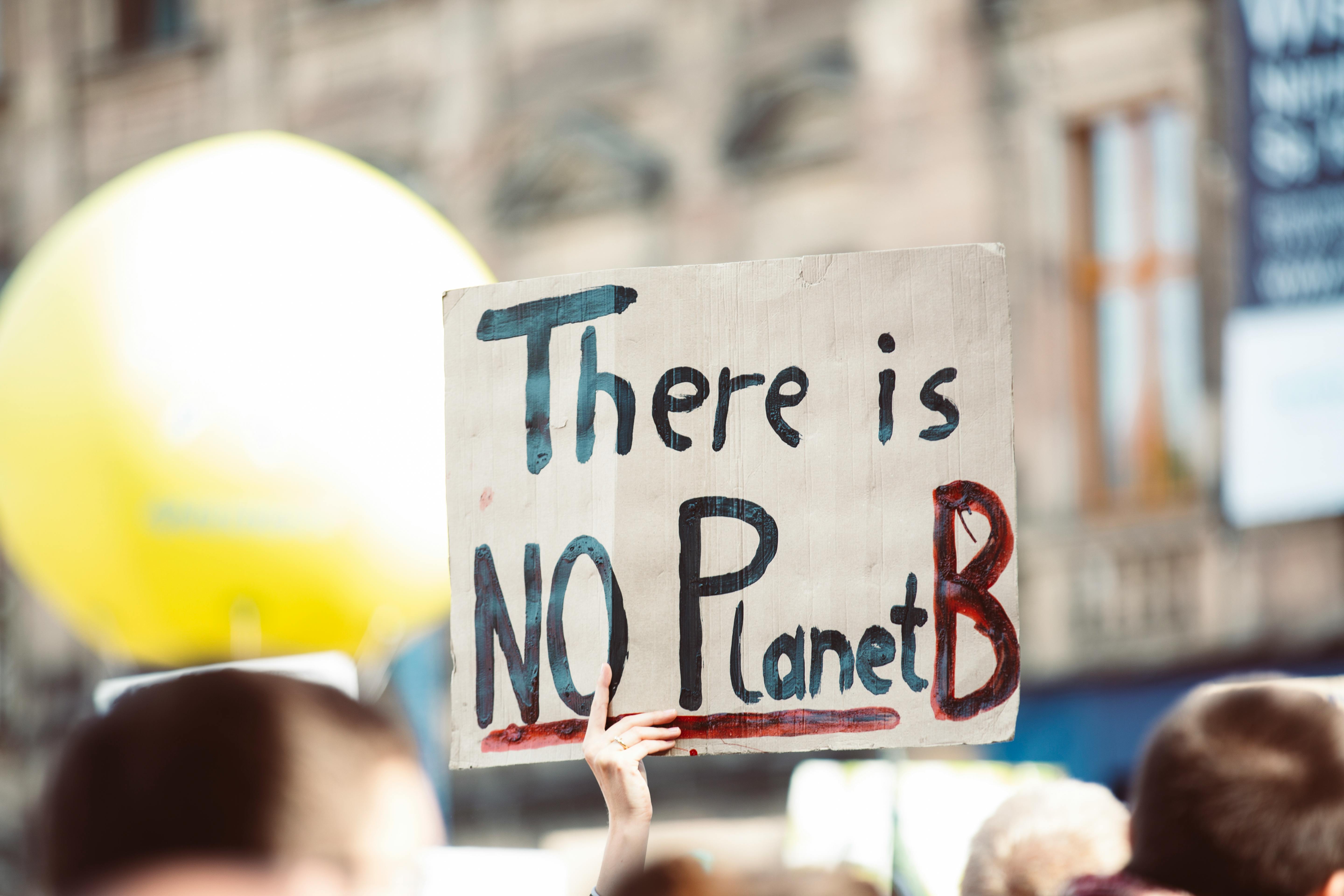
Practical Steps for Individuals and Communities
While systemic change is essential, individual and community‑level actions can meaningfully reduce risk and build resilience.
Risk Awareness and Preparedness
- Understand your local hazards—heat, wildfire, flood, storm surge—and sign up for official alert systems.
- Develop household emergency plans, including evacuation routes and communication strategies.
- Support community cooling centers, green spaces, and flood‑management projects.
Supporting Science and Policy
- Engage with local and national representatives about climate adaptation and mitigation policies.
- Support open data and scientific institutions that provide transparent climate information.
- Amplify credible science communication on social media to counter misinformation.
Preparing for an era of more frequent extremes is not only about survival; it is about shaping a future that remains livable and fair even under unprecedented environmental stress.
References / Sources
Further reading and key sources on climate tipping points and extreme weather:
- IPCC, 2021–2023. Sixth Assessment Report (AR6). https://www.ipcc.ch/report/ar6/
- Lenton, T.M. et al. (2019). “Climate tipping points — too risky to bet against.” https://www.nature.com/articles/d41586-019-03595-0
- Rockström, J. et al. Potsdam Institute for Climate Impact Research. Tipping points in the Earth system. https://www.pik-potsdam.de/en/news/latest-news/tipping-points-in-the-earth-system
- World Weather Attribution. Event attribution studies. https://www.worldweatherattribution.org
- NASA Global Climate Change. Vital Signs of the Planet. https://climate.nasa.gov
- NOAA Climate.gov. https://www.climate.gov
- Nobre, C.A. et al. Articles on Amazon tipping points. https://www.nationalgeographic.com/environment/article/amazon-rainforest-tipping-point
- Rignot, E. et al. (2019). “Four decades of Antarctic Ice Sheet mass balance from 1979–2017.” https://www.pnas.org/doi/10.1073/pnas.1812883116
- Parmesan, C. (2006). “Ecological and evolutionary responses to recent climate change.” https://www.pnas.org/doi/10.1073/pnas.0604189103
