
Chaos in Norman: Alabama Flips the Script as Oklahoma’s Errors Doom CFP Hopes
For 25 electric minutes in Norman, it looked like Oklahoma’s long-awaited College Football Playoff return would become a statement to the entire sport. Instead, the Sooners walked off their home turf stunned, watching Alabama storm back from a 17-point deficit to steal a 34-24 win in the CFP’s first round—a reversal powered not by Tide perfection, but by Oklahoma’s own errors at quarterback and on special teams.
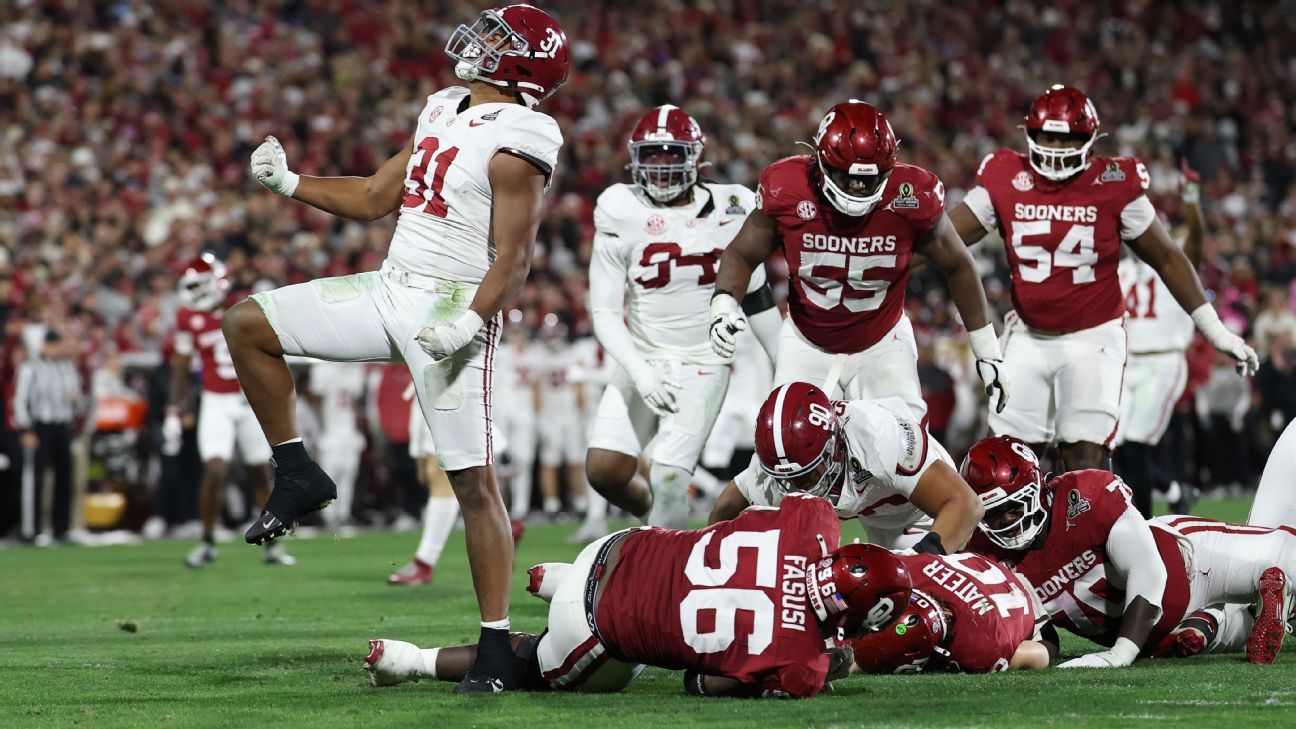
A 17-Point Lead Vanishes as Turnovers Flip the CFP Opener
Back in the College Football Playoff for the first time since 2019 and seeded No. 8, Oklahoma looked poised to deliver another season-defining blow to No. 9 Alabama—a team it had already beaten a month earlier thanks to Crimson Tide miscues. This time, however, the roles reversed. John Mateer’s turnovers and breakdowns in the Sooners’ kicking game became the hinge on which the entire CFP opener swung.
How We Got Here: From Defining Win to Season-Turning Collapse
Just weeks ago, Oklahoma’s upset of Alabama felt like a program pivot. The Sooners had capitalized on Tide penalties, red zone inefficiency, and special teams errors to grab a marquee win that helped launch them back into the playoff conversation.
Friday night in Norman, the script was almost eerily familiar—only inverted. Early on, OU’s tempo, balance on offense, and aggression on defense had Alabama reeling. The Sooners raced out to a 17-point cushion, the crowd roaring as if a spot in the CFP quarterfinals was a formality.
But playoff football is unforgiving. Alabama stayed within striking distance, tightened up along the lines of scrimmage, and waited. When Oklahoma blinked, Nick Saban’s team pounced.
Turnovers and Special Teams: The Moments That Broke Oklahoma
The box score will show a 10-point Alabama win. The tape will show Oklahoma repeatedly opening the door.
- Multiple John Mateer turnovers in plus territory or backed up in his own end.
- Special teams breakdowns that directly tilted field position and momentum.
- Coverage busts that turned manageable drives into Alabama touchdowns.
“In this league and in this sport, you don’t survive mistakes like that in December,” an Oklahoma assistant said postgame. “We gave them too many short fields and too many chances.”
Mateer’s aggressiveness, a strength for much of the season, veered into recklessness in the second half. Alabama’s disguised coverages baited him into late throws over the middle and forced him to hold the ball just long enough for the pass rush to arrive.
Key Numbers from Alabama’s 34–24 Comeback Win
The final score tells only part of the story. The advanced stats underline how drastically the game flipped after Oklahoma’s hot start.
| Statistic | Oklahoma | Alabama |
|---|---|---|
| Final Score | 24 | 34 |
| Largest Lead | +17 | +10 |
| Turnovers | 3 | 1 |
| Points Off Turnovers | 7 | 17 |
| Average Starting Field Position (2nd Half) | Own 23 | Own 39 |
| Penalties | 8 for 70 yards | 5 for 40 yards |
Field position quietly dictated the night. According to live-tracking data, Alabama’s average second-half drive started nearly 15 yards better than Oklahoma’s—a gap largely created by special teams errors and short fields following Mateer’s turnovers.
John Mateer’s Night: Risk, Reward, and the Learning Curve of a Playoff QB
John Mateer has been the emotional engine of Oklahoma’s offense all season—fearless in the pocket, willing to push the ball downfield, and unafraid of big moments. That same edge, though, can be brutally exposed in a playoff cauldron.
- Early Rhythm: Quick reads, timing throws, and designed quarterback runs kept Alabama on its heels.
- Midgame Adjustment: The Tide dropped extra defenders into coverage, disguised pressure, and forced Mateer to progress deeper into reads.
- Late-Game Mistakes: Forced throws into bracket coverage and a strip-sack shifted both momentum and scoreboard.
“John’s going to wear this one, but this is part of becoming an elite playoff quarterback,” an analyst on the broadcast said. “You have to learn when to live for the next drive.”
The talent is obvious. The arm strength, mobility, and competitive edge are all there. Friday’s loss doesn’t erase that; it reframes it. For Mateer, the offseason becomes about decision-making under pressure and ball security when the margins are razor thin.
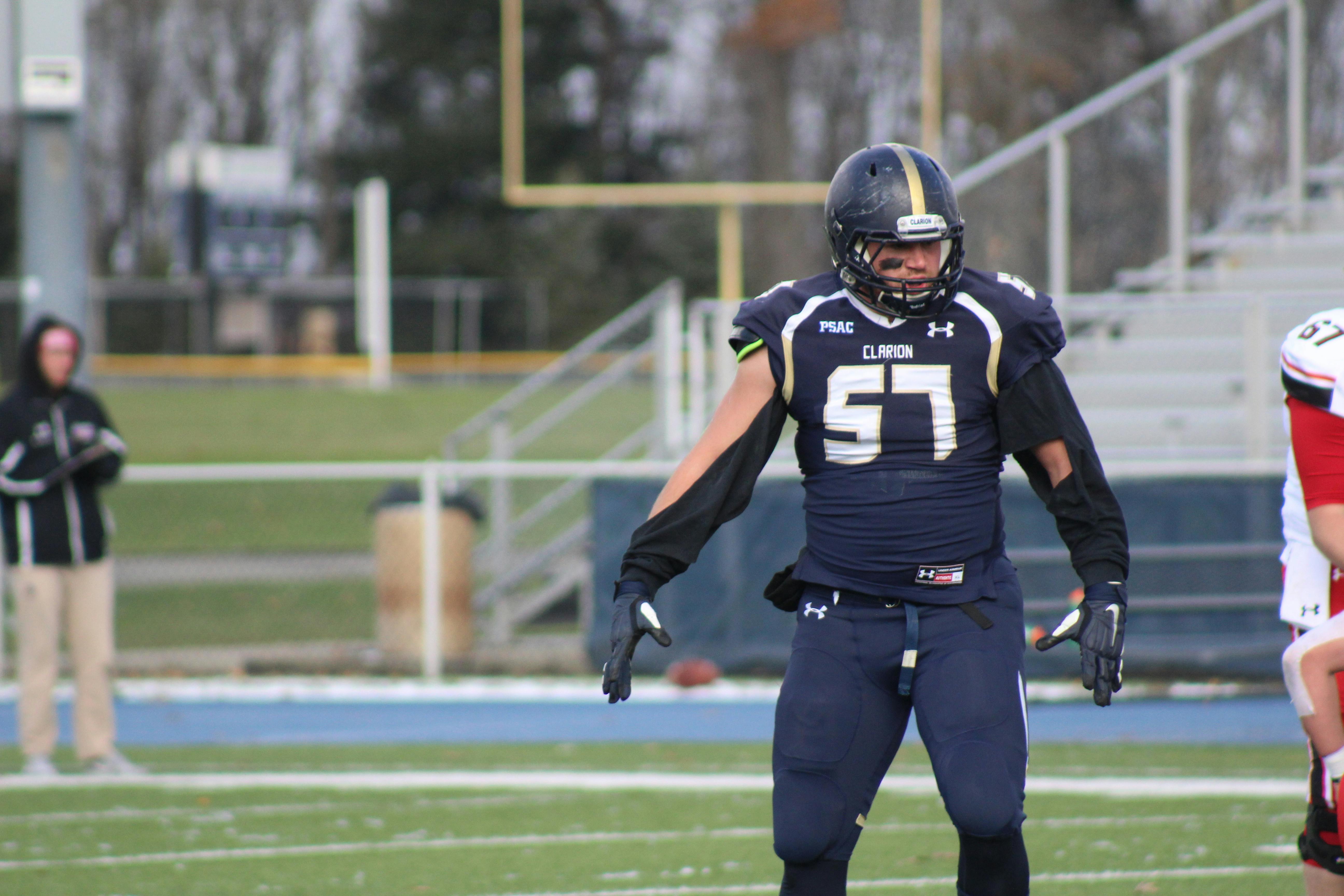
Alabama’s Response: Composure, Adjustments, and Vintage Tide Resilience
It would be easy to frame this as purely an Oklahoma collapse, but that undersells what Alabama did after falling behind by 17. The Tide didn’t panic, didn’t abandon their plan, and didn’t chase the scoreboard.
- Defensive Adjustments: More simulated pressures, late safety rotations, and tighter man coverage on key downs.
- Offensive Balance: A steadier run game on early downs that kept the playbook open and the Sooners guessing.
- Special Teams Edge: Clean kicking operations and strong coverage units that consistently won the field position battle.
“We talked all week about responding, not reacting,” Alabama’s head coach told reporters. “When you get to the playoff, the team that keeps its poise usually wins.”
In many ways, this was a throwback Alabama performance: not always flashy, occasionally wobbly early, but relentlessly disciplined once it mattered most.
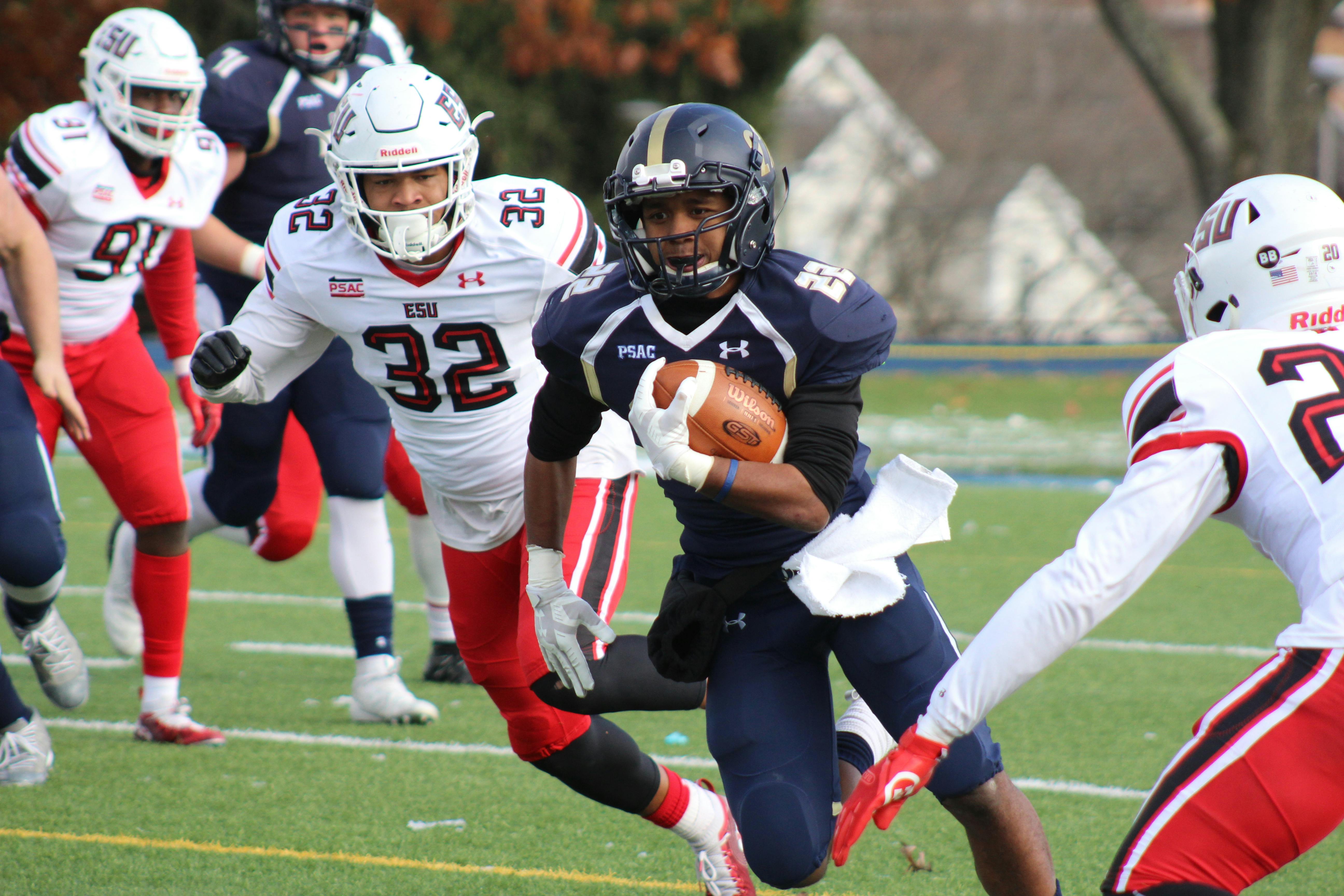
Human Side of a Collapse: From Roaring Crowd to Stunned Silence
Inside Gaylord Family–Oklahoma Memorial Stadium, the shift was almost physical. Early on, every defensive stop felt like a surge. Every completed ball from Mateer drew a rising roar. The playoff return was supposed to be a celebration of how far Brent Venables’ program had climbed.
By the fourth quarter, the noise was different—nervous, then frustrated, then stunned. Fans clutched rally towels that had swung wildly just an hour earlier. On the sideline, veteran Sooners tried to drag younger teammates back into the fight after each mistake.
“This one hurts more because we had it in our hands,” an Oklahoma senior said, fighting back emotion. “You don’t get many chances like this. But you find out who you really are after nights like this.”
For Alabama’s side of the stadium, the story was reversed: a slow burn that turned into full-throated belief as every turnover, every short field, and every third-down conversion chipped away at Oklahoma’s lead.
Big-Picture Takeaways: What This CFP Opener Means for Both Programs
Beyond the bracket math of who advances and who goes home, this game will shape the narratives around both programs heading into next season.
For Oklahoma
- Validation and Heartbreak: The Sooners proved they belong in the CFP conversation, but also learned how thin the margins are at the top.
- Development Priority: Mateer’s growth from high-variance playmaker to polished closer becomes priority No. 1.
- Special Teams Overhaul: Expect a hard look at coverage units and kicking game fundamentals this offseason.
For Alabama
- Resilient Identity: This win reinforces Alabama’s reputation for outlasting opponents mentally as much as physically.
- Defensive Ceiling: The adjustments against a high-powered offense hint at a group that can carry them deeper into the CFP.
- Momentum Builder: Avenging the regular-season loss to Oklahoma gives the Tide a psychological edge heading into the next round.
From an analytical standpoint, the game is a clinic on how turnover margin and special teams efficiency can override early dominance and yardage totals. Coaches across the country will use this tape as a December cautionary tale.
For further detailed stats and advanced metrics, fans can reference the official ESPN College Football hub, the NCAA FBS statistics, and team pages for Alabama Crimson Tide and Oklahoma Sooners.
What Comes Next: Can Oklahoma Turn Pain into a Playoff Foundation?
This loss will linger in Norman. Blowing a 17-point lead at home in the College Football Playoff opener is the kind of scar that either lingers or hardens a program for the next step.
Alabama moves on with renewed belief and a blueprint: play clean, stay patient, and punish every opponent mistake. For Oklahoma, the challenge is more nuanced. Can the Sooners channel this collapse into a more disciplined version of the same aggressive identity that brought them here?
The next time Oklahoma reaches the CFP, the question won’t just be whether they can hang with the sport’s elite. After this 34–24 loss to Alabama, the question will be:
When the game tilts and the pressure spikes, will the Sooners be the team capitalizing on mistakes—or the one making them?
