
Celebrity Longevity Diets: What Biohacker Meal Plans Get Right (and Wrong)
Celebrity “longevity diets” and biohacking meal plans are everywhere right now—splashed across podcasts, YouTube interviews, and TikTok breakdowns. Instead of chasing a smaller jeans size, today’s high-profile tech founders, actors, and athletes are chasing better healthspan, sharper focus, and “younger” lab results. They’re showing off continuous glucose monitor graphs, DEXA scans, and supplement stacks right alongside their green smoothies and lentil bowls.
Below, we’ll unpack what these longevity-focused meal patterns actually look like, what the science currently supports, where things can go off the rails, and—most importantly—how you can bring the best ideas into your own kitchen in a sane, satisfying way.
Quick snapshot: What are “celebrity longevity diets”?
While details vary from person to person, many high-profile “longevity” or “biohacking” meal plans share a similar backbone:
- Time-restricted eating windows (like 16:8 or early dinners) to sync with circadian rhythms.
- Plant-forward, Mediterranean-style plates loaded with vegetables, legumes, whole grains, nuts, seeds, and extra-virgin olive oil.
- Minimal ultra-processed foods, added sugars, and trans fats.
- Moderate or low animal protein, with some flexitarian or pescatarian approaches.
- Strategic supplementation: omega‑3s, vitamin D, magnesium, creatine, and sometimes more experimental compounds.
On camera, it often looks like: a berry-and-greens smoothie for a late breakfast, a hearty bean or lentil salad for lunch, fish with roasted vegetables and olive oil for dinner, and a square of dark chocolate to finish the day—usually with little or no alcohol.
Visualizing a longevity-inspired plate
To make this more concrete, picture a colorful, plant-forward dinner that wouldn’t look out of place on an A‑list biohacker’s Instagram feed—but is still cozy and home-cook friendly.
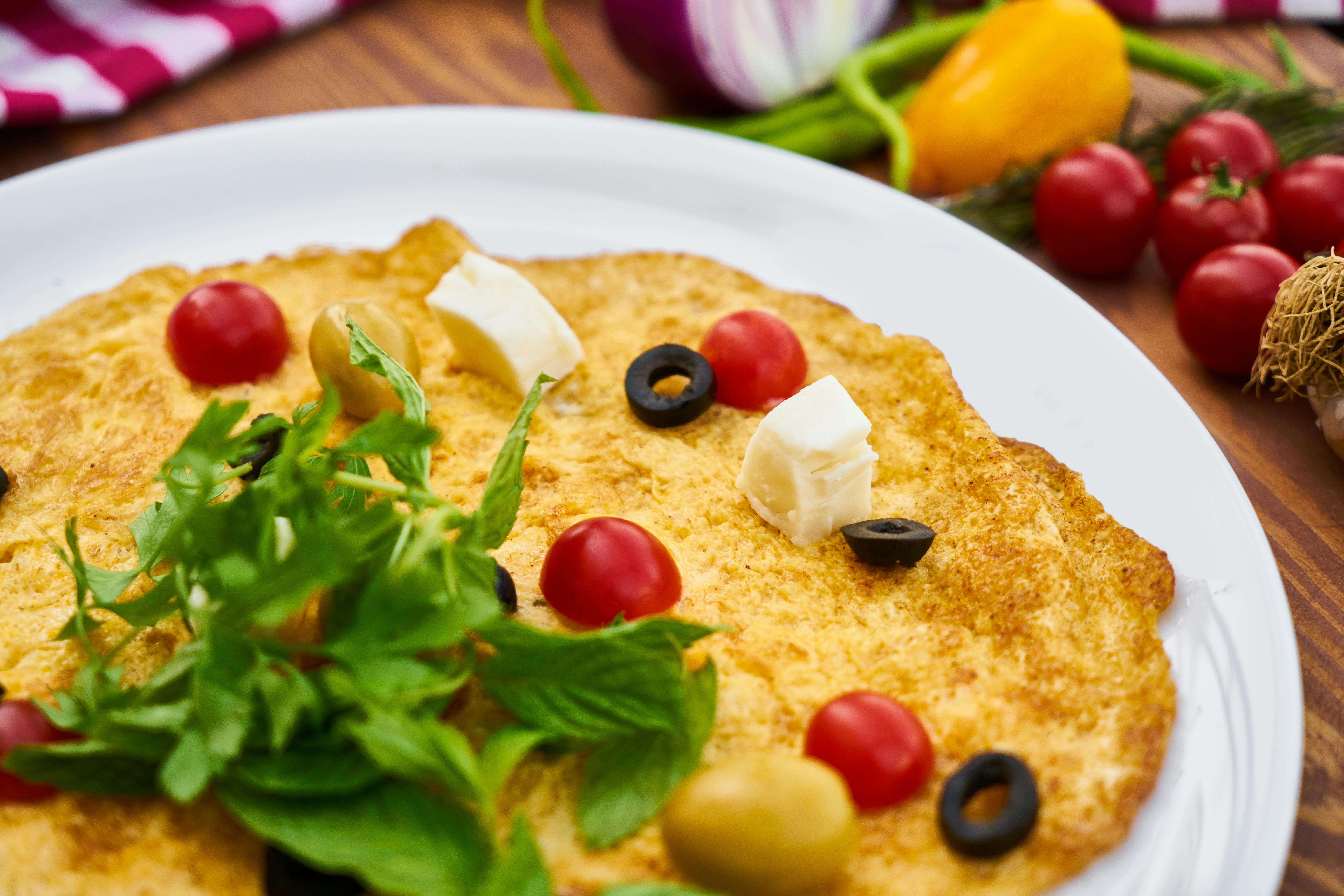
The good news: you don’t need a lab or a celebrity budget to eat this way. With a few smart building blocks, you can create your own “longevity bowl” that feels indulgent, not punitive.
What does the science say about longevity diets?
Many celebrity protocols remix pieces of eating patterns that have decent evidence behind them, especially large population studies and randomized trials on Mediterranean and DASH-style diets.
- Plant-forward Mediterranean eating: Associated with lower risk of cardiovascular disease, some cancers, and overall mortality. Key players: vegetables, fruits, legumes, whole grains, nuts, seeds, fish, and extra‑virgin olive oil.
- Time-restricted eating: Early research suggests benefits for metabolic health and weight management in some people, but results are mixed and long-term data are limited. Consistency and overall diet quality still matter more than the clock alone.
- Protein balance: Very low protein may be risky for older adults who need to protect muscle mass (sarcopenia). Most research supports moderate, well-distributed protein intake, with plenty of it from plants and fish.
- Supplements: Omega‑3s, vitamin D (if deficient), and magnesium (for people with low intake) have more robust data than the “mystery longevity capsules” sometimes seen online. Many other compounds are still in the “interesting, but early” category.
In practical terms, the best-supported “longevity diet” still looks remarkably like a well-seasoned Mediterranean meal—rich in plants, good fats, and flavor.
How celebrities are popularizing biohacking meal plans
Instead of glossy magazine spreads labeled “What I eat in a day to stay thin,” we now see podcast episodes titled “My Longevity Stack” or “How I Eat to Reverse My Biological Age.” These often feature:
- Long-form podcast interviews where tech founders unpack their morning blood tests and supplement lineups.
- YouTube deep dives into CGM charts, showing how certain breakfasts spike blood sugar more than others.
- TikTok clips of “anti-aging breakfasts” and “budget longevity meal preps” breaking down macros and micronutrients.
This content taps into a very real, post‑pandemic concern: protecting metabolic health, immunity, and energy for the long haul. It also meshes with the rise of wearables—sleep trackers, HRV monitors, and glucose sensors—turning food into a kind of daily experiment.
A longevity-inspired meal you can cook tonight: Mediterranean Lentil & Roasted Veg Bowl
To ground all this in something you can actually taste, let’s build a vibrant, Mediterranean-inspired lentil and roasted vegetable bowl. It’s plant-forward, rich in fiber and polyphenols, and flexible enough to fit pescatarian, vegetarian, and flexitarian approaches—exactly the kind of dish you’ll see in many celebrity longevity plans, but designed for a normal kitchen and budget.
Recipe summary
Prep time: 20 minutes
Cook time: 30–35 minutes
Total time: ~50–55 minutes
Servings: 4 bowls
Difficulty: Easy–moderate
Dietary: Vegetarian, high-fiber, easily made vegan or pescatarian
What this bowl looks like
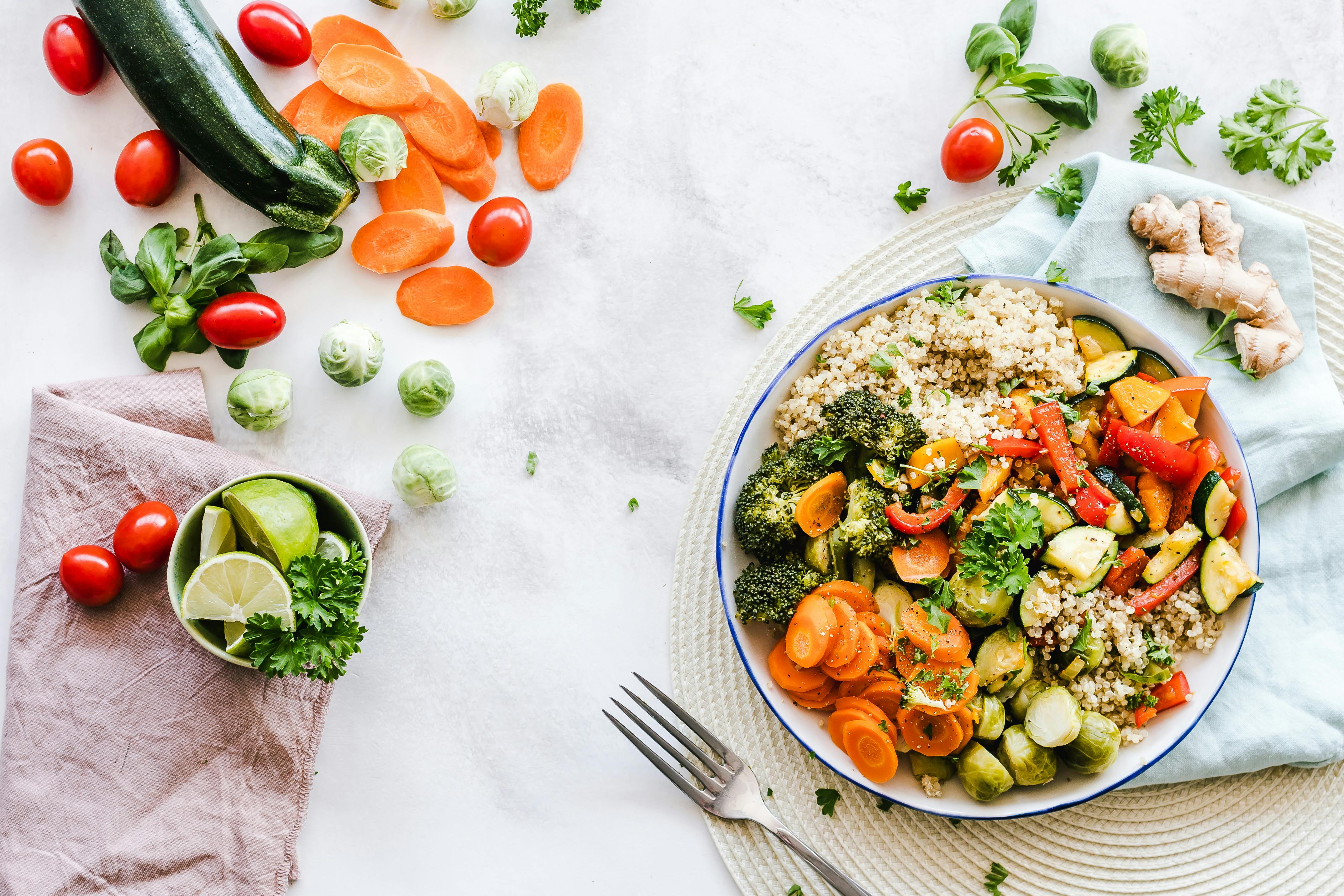
Ingredients: building a longevity-friendly pantry bowl
For the lentil base
- 1 cup (about 200 g) dry green or brown lentils, rinsed
- 3 cups (720 ml) water or low-sodium vegetable broth
- 1 small bay leaf (optional but aromatic)
- 1 small garlic clove, lightly crushed
- 1/2 tsp fine sea salt, plus more to taste
For the roasted vegetables
- 1 medium red onion, cut into thin wedges
- 1 medium red bell pepper, sliced into strips
- 1 small zucchini, sliced into half-moons
- 1 small eggplant, cubed (or use extra zucchini if you prefer)
- 2 tbsp extra-virgin olive oil
- 1 tsp dried oregano or Italian seasoning
- 1/2 tsp smoked paprika (optional, for a subtle smoky note)
- Freshly ground black pepper and fine sea salt, to taste
For the greens & toppings
- 3 cups loosely packed baby spinach, arugula, or mixed salad greens
- 1/2 cup (about 75 g) cherry tomatoes, halved
- 1/3 cup (about 50 g) crumbled feta cheese (omit or swap for a dairy-free version for vegan)
- 1/4 cup (about 30 g) toasted walnuts or almonds, roughly chopped
For the lemon-olive oil dressing
- 3 tbsp extra-virgin olive oil
- 2 tbsp fresh lemon juice (about 1 lemon)
- 1 tsp Dijon mustard
- 1 small garlic clove, finely grated or minced
- 1–2 tsp honey or maple syrup (optional, to soften the acidity)
- 1/4 tsp fine sea salt, plus a good pinch of black pepper
Equipment you’ll need
- Medium saucepan with lid (for lentils)
- Large baking sheet or roasting pan
- Mixing bowl (for tossing vegetables and whisking dressing)
- Cutting board and sharp knife
- Measuring cups and spoons
- Whisk or fork (for the dressing)
Step-by-step: how to cook this longevity bowl
You’ll cook the lentils and roast the vegetables at the same time, so everything is warm and fragrant when it hits the bowl.
1. Start the lentils
- Rinse the lentils under cool running water, picking out any small stones or debris.
- In a medium saucepan, combine lentils, water or broth, bay leaf, and the crushed garlic clove.
- Bring to a gentle boil over medium-high heat, then reduce to a simmer.
- Simmer uncovered for 20–25 minutes, until the lentils are tender but still hold their shape.
- Stir in 1/2 tsp salt in the last 5 minutes of cooking. Taste and adjust seasoning.
- Drain any excess liquid, remove bay leaf and garlic, and keep the lentils warm.
2. Roast the vegetables
- Preheat your oven to 400°F (200°C). Line a baking sheet with parchment for easier cleanup, if you like.
- Place the onion, bell pepper, zucchini, and eggplant on the tray.
- Drizzle with 2 tbsp olive oil, add oregano, smoked paprika (if using), salt, and pepper.
- Toss everything well so the vegetables are evenly coated, then spread into a single layer.
- Roast for 20–25 minutes, stirring once halfway through, until the vegetables are tender and lightly caramelized at the edges.
3. Mix the lemon-olive oil dressing
- In a small bowl, whisk together olive oil, lemon juice, Dijon mustard, garlic, and honey or maple syrup (if using).
- Season with salt and pepper to taste. The dressing should taste bright and slightly tangy.

4. Assemble your longevity bowls
- Divide the greens among four bowls.
- Spoon warm lentils over the greens.
- Add a generous scoop of roasted vegetables to each bowl.
- Top with cherry tomatoes, crumbled feta, and chopped nuts.
- Drizzle each bowl with the lemon-olive oil dressing just before serving.
Storage, meal prep, and reheating tips
- Fridge: Store lentils, roasted vegetables, and dressing in separate airtight containers for up to 4 days. Keep greens and toppings separate to preserve texture.
- Freezer: Cooked lentils freeze well for up to 2–3 months; thaw overnight in the fridge. Roasted vegetables are best fresh but can be frozen in a pinch.
- Reheating: Warm lentils and vegetables together in a skillet over low-medium heat with a splash of water or broth, or microwave gently. Add greens, toppings, and dressing after reheating.
- Grab-and-go tip: Layer in jars or reusable containers: dressing, lentils, roasted veg, then greens and toppings. Tip into a bowl and toss when you’re ready to eat.
What to serve with your longevity bowl
To create a full “longevity-style” day of eating without feeling restricted, you might pair this bowl with:
- Breakfast (or first meal): A smoothie with leafy greens, berries, a spoonful of nut butter, and unsweetened yogurt or plant milk.
- Snack: A small handful of mixed nuts and seeds, or sliced apple with tahini.
- Dessert: A square or two of 70%+ dark chocolate and a handful of berries.
- Drink: Sparkling water with lemon or herbal tea instead of sugary sodas or heavy alcohol.
These simple patterns mirror a lot of what you’ll see in high-profile longevity routines—just minus the extreme rules.
The benefits and pitfalls of celebrity longevity diets
Like any trend, longevity and biohacking diets come with both promising ideas and real drawbacks.
Helpful shifts this trend has encouraged
- More interest in whole, plant-based foods and Mediterranean-style eating.
- Greater awareness of metabolic health, blood sugar, and sleep quality—not just weight.
- Reduced reliance on sugar-sweetened beverages, ultra-processed snacks, and heavy drinking.
- Curiosity about building long-term habits rather than crash diets.
Common concerns and criticisms
- Some protocols are overly restrictive or socially isolating, especially with very narrow eating windows.
- The heavy focus on data can encourage anxiety or obsessive tracking, especially for those prone to disordered eating.
- Supplements and tests can be expensive, putting full-blown “biohacking” out of reach for many.
- Not all protocols are grounded in solid science; N=1 celebrity anecdotes can overshadow broader research.
The most sustainable “longevity diet” is one that supports your health and your joy in eating. If you dread your meals, it’s probably not a long-term solution.
How to borrow the best of longevity diets without going extreme
You don’t need a CGM or weekly lab draws to reap most of the benefits. Focus on habits that are:
- Sustainable: Choose an eating schedule that fits your lifestyle and health needs; early dinners and avoiding late-night snacking can be enough for many.
- Enjoyable: Build meals around flavors you love—herbs, spices, good olive oil—so “healthy” food feels indulgent.
- Balanced: Aim for a mix of fiber-rich carbs, protein, and healthy fats at most meals to support stable energy.
- Budget-friendly: Lentils, beans, frozen vegetables, and canned fish are all longevity superstars that won’t break the bank.
- Individualized: Work with a healthcare provider or registered dietitian if you have medical conditions or are considering major changes.
Final thoughts: long life, long enjoyment
Behind all the glossy CGM screenshots and supplement stacks, the core of a sensible longevity diet looks reassuringly familiar: more plants, fewer ultra-processed foods, mindful portions of quality protein, and a lifestyle that respects sleep and stress as much as macros.
You can absolutely cook like someone who cares about their future self—without chasing perfection or copying a celebrity’s every move. Start with your plate, your pantry, and recipes that make you genuinely excited to sit down at the table. From there, longevity becomes less of a hack and more of a delicious daily habit.

