
Celebrity Longevity Diets: Blue Zones, Mediterranean 2.0 & Anti‑Aging Super‑Foods Explained
Celebrity “Longevity Diets”: Blue Zones, Mediterranean 2.0 & Anti‑Aging Super‑Foods
In the last couple of years, a quiet revolution has been simmering in celebrity kitchens and wellness podcasts: instead of chasing fast weight loss, the spotlight has shifted to longevity, vitality, and healthspan. The plates we see on social media—overflowing with beans, greens, olive oil, and berries—take heavy inspiration from Blue Zones and the Mediterranean diet, then remix them with modern “anti‑aging” super‑foods and biohacker tweaks.
The beautiful truth? You don’t need a private chef, a supplement budget the size of a mortgage, or a villa in Sardinia to eat in a longevity‑friendly way. With a simple pantry, a pot, and a splash of good olive oil, you can build the same nourishing, colorful meals at home—meals that smell incredible, feel comforting, and support long‑term health.
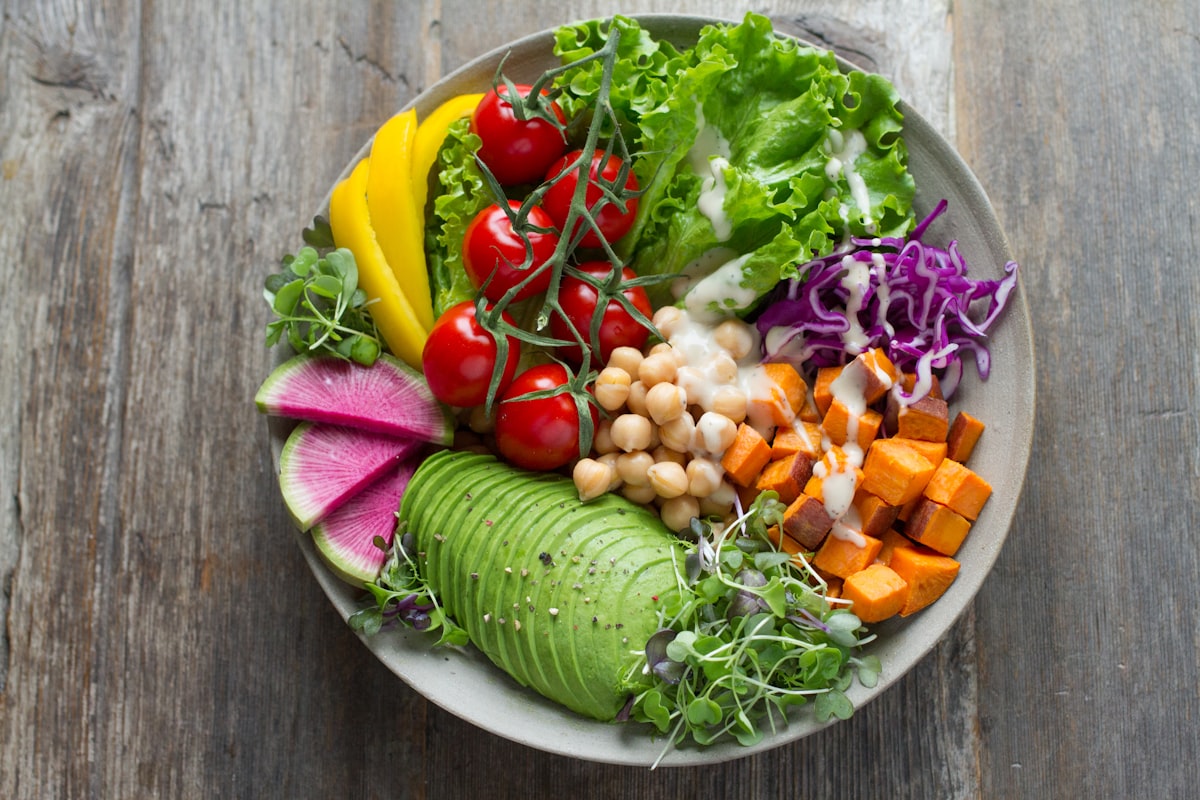
At a Glance: What Are Celebrity Longevity Diets?
Across streaming documentaries, Instagram Reels, and wellness newsletters, a shared blueprint keeps appearing. Modern “longevity diets” usually:
- Borrow core ideas from Blue Zones—regions where many people live into their 90s and beyond.
- Lean into a Mediterranean, plant‑forward way of eating with plenty of legumes, vegetables, fruits, nuts, and whole grains.
- Feature extra‑virgin olive oil, fatty fish, and dark leafy greens as stars.
- Highlight “super‑foods” like berries, dark chocolate, green tea, and fermented foods.
- Sometimes add biohacking twists: intermittent fasting, calorie restriction, or curated supplement stacks.
Underneath the glitz, the core pattern is surprisingly humble: simple, minimally processed, mostly plant‑based meals cooked with love and eaten slowly—often in good company.
Blue Zones Basics: How the Longest‑Lived People Actually Eat
Blue Zones are regions like Okinawa (Japan), Sardinia (Italy), Ikaria (Greece), Nicoya (Costa Rica), and Loma Linda (California) where people tend to live longer, healthier lives. Their diets aren’t trendy—they’re just deeply woven into tradition.
“In every Blue Zone, food is less about restriction and more about rhythm—beans on the simmer, bread from the oven, vegetables from the garden, shared at a leisurely pace.”
Common Blue Zones food patterns include:
- Beans, lentils, and chickpeas as daily staples—creamy, hearty, and incredibly filling.
- Whole grains (like barley, oats, brown rice, sourdough breads) instead of refined flour products.
- Abundant vegetables, fruits, nuts, and seeds, bursting with color and texture.
- Very little added sugar and almost no ultra‑processed snacks.
- Small portions of animal foods, often fish, eggs, or fermented dairy, used more like a garnish than the main event.
From Blue Zones to Red Carpets: The Celebrity Spin
Celebrities, entrepreneurs, and wellness influencers have turned Blue Zones wisdom into glossy “longevity protocols.” The message is less “fit into this outfit by Friday” and more “support your brain, energy, and joints for the next 40 years.”
Common themes in celebrity longevity diets:
- Extra‑virgin olive oil as the main fat source—drizzled over salads, roasted veggies, even sipped straight by some.
- Fatty fish like salmon, sardines, and mackerel for omega‑3s and rich, silky texture.
- Dark leafy greens (kale, spinach, chard) and cruciferous vegetables (broccoli, Brussels sprouts) for their antioxidant punch.
- Nuts and seeds—walnuts, almonds, chia, flax, hemp—sprinkled into bowls, smoothies, and yogurt.
- Green tea, matcha, and herbal infusions to bring in more polyphenols and gentle focus.
On social feeds, this looks like artfully arranged longevity bowls, mezze plates, and berry‑topped breakfasts, often paired with clips of morning walks, sauna sessions, and early bedtimes—lifestyle habits borrowed from Blue Zones and repackaged for a modern audience.
The Biohacker Version: Fasting, Sprouts & Supplements
Alongside the rustic Mediterranean vibe, a more biohacker‑style longevity diet has taken root among tech and finance elites. It keeps the vegetables and olive oil, but layers on more structure—and more lab talk.
Typical biohacker longevity strategies include:
- Caloric restriction or mild calorie control—eating slightly less than typical “Western” portions.
- Intermittent fasting or early time‑restricted eating (for example, all meals between 8 a.m. and 4 p.m.).
- Really emphasizing cruciferous vegetables—especially broccoli sprouts—for compounds like sulforaphane.
- Curated supplements such as omega‑3s, vitamin D, magnesium, and concentrated polyphenol extracts.
This version can be appealing if you enjoy metrics, routines, and structure, but for many home cooks it risks becoming expensive, rigid, and stressful—exactly the opposite of the relaxed, social eating patterns found in actual Blue Zones.
What the Science Supports (and Where It Gets Sketchy)
Nutrition research doesn’t have all the answers on aging, but there’s strong, consistent evidence for a few big themes in these longevity diets.
Well‑supported longevity diet principles
- Mostly minimally processed, plant‑rich eating is linked to lower risk of heart disease and better metabolic health.
- Healthy fats—especially from extra‑virgin olive oil, nuts, and seeds—are associated with healthier cholesterol profiles and reduced inflammation.
- Moderate fish intake supports heart and brain health, particularly oily fish rich in omega‑3s.
- Lower added sugar and fewer ultra‑processed foods tend to support stable energy, weight, and blood sugar.
Where celebrity versions can go wrong
- Overly restrictive rules (never eating after a certain time, banning entire food groups) can lead to stress and social isolation.
- Supplements over food—piling on powders and pills instead of building meals from whole ingredients.
- Expense and exclusivity, making longevity eating feel like a luxury lifestyle instead of something accessible and home‑cooked.
The healthiest, most sustainable approach usually looks much closer to a traditional Mediterranean or Blue Zones plate than to a hyper‑engineered protocol.
“Longevity Super‑Foods” You’ll Keep Seeing Everywhere
The phrase “super‑food” is mostly marketing, but it points toward ingredients that are both nutrient‑dense and versatile. You don’t need all of them all the time—think of this as a palette to paint delicious meals with.
- Berries – Blueberries, strawberries, blackberries: sweet‑tart, juicy, and loaded with polyphenols. Perfect on yogurt, oats, or salads.
- Extra‑virgin olive oil – Peppery, fruity, and silky. Ideal for dressings, drizzling over beans and veggies, or finishing soups.
- Nuts & seeds – Walnuts, almonds, pistachios, chia, flax, hemp. Crunchy, satisfying, and rich in healthy fats and minerals.
- Dark chocolate (70%+) – Deep, complex flavor with bitterness that plays beautifully with berries, nuts, and citrus.
- Fermented foods – Yogurt, kefir, kimchi, sauerkraut, miso, tempeh. Tangy and aromatic, supporting a diverse gut microbiome.
- Legumes – Beans, lentils, chickpeas: creamy yet firm texture, amazing in everything from stews to dips to salads.

Recipe: Mediterranean “Longevity Bowl” with Beans, Greens & Lemon‑Tahini Drizzle
To bring all these ideas to life, here’s a plant‑forward, Mediterranean‑inspired longevity bowl you can customize endlessly. It’s cozy from the warm grains and beans, bright with lemon and herbs, and fragrant with garlic and olive oil. This is the kind of dish you’ll want in your weekly rotation—equally at home in a lunchbox or on a dinner table with friends.
Prep time: 20 minutes
Cook time: 25 minutes
Total time: 45 minutes
Servings: 4 bowls
Difficulty: Easy home‑cook friendly
Diet: Vegetarian, easily vegan & gluten‑free

Equipment
- Medium saucepan with lid (for grains)
- Large skillet or sauté pan
- Cutting board and sharp knife
- Small bowl and whisk (for dressing)
- Serving bowls
Ingredients
For the base
- 1 cup (190 g) dry whole grain (quinoa, farro, or brown rice) + water and salt for cooking
- 2 tablespoons extra‑virgin olive oil
- 1 small red onion, thinly sliced
- 2 cloves garlic, minced
- 1 teaspoon ground cumin
- 1 teaspoon smoked paprika (optional but lovely)
Beans & vegetables
- 2 cups cooked beans or lentils (e.g., chickpeas, cannellini, or brown lentils)
- 3 cups loosely packed dark leafy greens (kale, spinach, or chard), chopped
- 1 cup cherry tomatoes, halved
- 1 small cucumber, diced
- 1/4 cup walnuts or almonds, roughly chopped
- 2 tablespoons fresh herbs (parsley, basil, or mint), chopped
Lemon‑tahini drizzle
- 3 tablespoons tahini
- 3 tablespoons fresh lemon juice (about 1 large lemon)
- 1 tablespoon extra‑virgin olive oil
- 1–2 tablespoons warm water, to thin
- 1/2 teaspoon honey or maple syrup (optional)
- 1/4 teaspoon sea salt, plus more to taste
- Freshly ground black pepper, to taste
Optional toppings
- Crumbled feta cheese or a vegan feta
- A spoonful of yogurt (dairy or plant‑based)
- Olives or a spoonful of hummus
- A handful of fresh berries on the side for a sweet finish
Step‑by‑Step Instructions
- Cook the grains. Rinse your chosen whole grain under cool water. Add to a saucepan with water and a pinch of salt (follow package directions for ratios). Bring to a boil, then reduce to a gentle simmer, cover, and cook until tender. Fluff with a fork and keep warm.
- Sauté aromatics. In a large skillet, warm 2 tablespoons olive oil over medium heat. Add sliced red onion and a pinch of salt. Cook, stirring occasionally, until soft and lightly golden, about 5–7 minutes. Add garlic, cumin, and smoked paprika; cook another 30–60 seconds until fragrant.
- Warm the beans & wilt the greens. Add the cooked beans or lentils to the skillet, stirring so they’re coated in the spiced oil. If they look dry, add a tablespoon of water. Fold in the chopped greens and cook until just wilted and vibrant, 2–3 minutes. Taste and adjust seasoning with salt and pepper.
- Mix the fresh toppings. In a bowl, gently toss the cherry tomatoes, cucumber, chopped nuts, and herbs with a pinch of salt and a drizzle of olive oil. This adds crunch and freshness to each bite.
- Whisk the lemon‑tahini drizzle. In a small bowl, whisk together tahini, lemon juice, olive oil, salt, and honey or maple (if using). Add warm water a little at a time until the sauce is creamy and pourable, like thick yogurt. Taste and adjust with more lemon, salt, or sweetness.
- Assemble your longevity bowls. Divide the warm grains among four bowls. Top with the bean‑and‑greens mixture, then spoon on the tomato‑cucumber mixture. Drizzle generously with lemon‑tahini sauce. Finish with any optional toppings like feta, yogurt, or olives.
- Serve and savor slowly. Enjoy while everything is warm and fragrant. Notice the creamy beans, crunchy nuts, juicy tomatoes, and bright lemon aroma—that mindful, pleasurable eating style is every bit as “longevity‑supporting” as the ingredients themselves.
Storage, Meal Prep & Reheating Tips
This Mediterranean longevity bowl is perfect for meal prep, and the flavors deepen as they sit.
- Refrigeration: Store grains, bean‑and‑greens mixture, and vegetables in separate airtight containers for up to 4 days. Keep the lemon‑tahini drizzle in a small jar.
- Reheating: Warm the grains and beans gently in a skillet with a splash of water or in the microwave. Add fresh toppings and sauce after reheating.
- Freezing: Cooked grains and beans freeze well for up to 2–3 months. Thaw overnight in the fridge and reheat; add fresh vegetables and dressing just before serving.
- Pack‑and‑go: For lunches, build the bowl in a container but pack the sauce separately and drizzle just before eating to keep everything bright and fresh.
Serving Suggestions & Longevity‑Friendly Pairings
Turn your longevity bowl into a full Mediterranean‑style, Blue Zones‑inspired experience with a few simple additions:
- Simple side salad: Mixed greens with olive oil, lemon, and a pinch of salt. Keep it crisp and uncomplicated.
- Fermented side: A spoonful of sauerkraut, kimchi, or a small glass of kefir for tang and gut support.
- Warm bread or pita: Ideally whole‑grain or sourdough, lightly toasted and drizzled with olive oil.
- Gentle drink: Green tea, herbal tea, or water infused with citrus and herbs instead of sugary beverages.
- Sweet finish: A square of dark chocolate with a few berries captures the “super‑food” vibe without feeling fussy.
Beyond the Plate: Longevity Is a Lifestyle, Not a Single Meal
One of the most powerful insights from Blue Zones research is that food is just one piece of the puzzle. Longevity isn’t built on perfect salads alone—it’s about how we move, rest, connect, and enjoy our meals.
Many centenarians in these regions walk daily, garden, cook at home, eat with family or neighbors, handle stress in gentle ways, and get consistent sleep. Celebrity “longevity content” is increasingly highlighting these habits alongside the recipes, reframing the goal from looking a certain way this summer to feeling vibrant decades from now.
Start with one longevity bowl, one extra walk, one slower dinner—and let your habits grow from there, at your own pace and to your own taste.
