
Intermittent Fasting 3.0: How Time‑Restricted Eating and Smart Biohacking Can Transform Your Metabolic Health
Intermittent Fasting 3.0: When Food Meets Metabolic ‘Biohacking’
Intermittent fasting has grown up. What started as a simple “skip breakfast and shrink your eating window” idea has become a richer, more flexible framework that blends time‑restricted eating, nutrient‑dense cooking, and powerful tracking tools. This new wave—often called Intermittent Fasting 3.0—focuses less on rigid rules and more on metabolic health, sustainability, and personal data.
Today, home cooks and health enthusiasts are pairing balanced, satisfying meals with smartwatches, continuous glucose monitors, and sleep trackers. The goal isn’t just weight loss—it’s steadier energy, better blood sugar, and a lifestyle that feels good at the table and beyond. Think of it as learning to cook with your body’s clock as much as with your stove.
What Is Intermittent Fasting 3.0?
Classic intermittent fasting focused on when you eat—like a 16:8 pattern (16 hours fasting, 8 hours eating) or the 5:2 approach (two low‑calorie days per week). Intermittent Fasting 3.0 keeps that timing focus but layers on:
- Metabolic optimization: supporting insulin sensitivity, liver health, and long‑term vitality, not only the number on the scale.
- Personal data: using wearables, heart‑rate variability (HRV), and sometimes continuous glucose monitors (CGMs) to fine‑tune fasting windows.
- Flexible, lifestyle‑first design: adjusting fasting around work, family, and social life so it’s realistic and enjoyable.
- Higher‑quality meals: protein‑rich, high‑fiber, minimally processed foods that keep you full and energized during eating windows.
In practice, that means you might enjoy a nourishing, colorful plate of roasted salmon, whole grains, and vegetables at 6 p.m., track how your blood sugar responds overnight, and gently adjust tomorrow’s meal or timing based on how you feel and what your data shows.
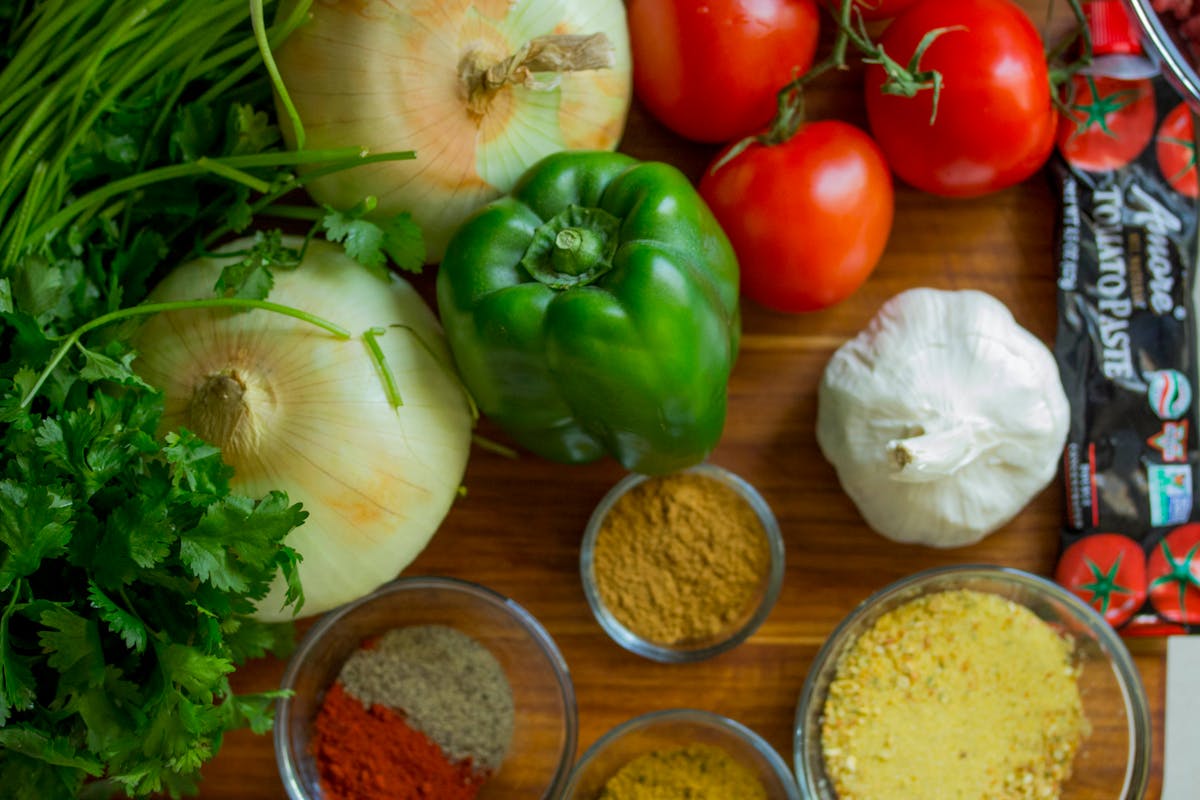
Visual Guide: Time‑Restricted Eating in Real Life



Why Intermittent Fasting Keeps Growing: The Big Drivers
Several trends are pushing intermittent fasting into this new “3.0” phase where metabolism, gadgets, and daily life all intersect.
1. Wearables and Personal Data
Smartwatches, sleep trackers, and CGMs let you see how your body responds to late‑night snacks, heavy dinners, or early meals. Many people notice:
- Smoother overnight blood sugar when they stop eating earlier.
- Better sleep quality and HRV when they avoid big meals close to bedtime.
- Less grazing and mindless snacking once an eating window is defined.
2. From Weight Loss to Metabolic Health
Podcasts, research summaries, and health creators have shifted the conversation from “How fast can I lose weight?” to:
- Improving insulin sensitivity and reducing blood sugar swings.
- Lowering risk of fatty liver and metabolic syndrome.
- Supporting long‑term longevity and mitochondrial health.
- Aligning meals with circadian rhythms for better daytime energy.
Some of the science is solid, some is still emerging, and some popular claims are ahead of the data. But the overall move toward whole foods, slower eating, and less snacking tends to be helpful for many people.
3. Flexible, Lifestyle‑Friendly Protocols
Instead of strict 16:8 every day, Intermittent Fasting 3.0 encourages flexibility:
- Early Time‑Restricted Eating (eTRE): for example, eating between 7 a.m. and 3 p.m. to match daytime metabolism.
- Weekend flexibility: loosening the window for dinners out or special events.
- Gentle 12–14 hour fasts: a realistic start that simply cuts late‑night eating.
You don’t need the “perfect” fasting window. You need one that you can live with, cook within, and actually enjoy.
What to Eat During Your Eating Window: A Cook’s Perspective
Earlier waves of intermittent fasting often sounded like: “Skip breakfast and eat whatever later.” That approach can leave you ravenous, cranky, and diving into ultra‑processed foods. In the 3.0 era, the focus is firmly on nutrient‑dense, satisfying meals.
Think about building each plate around:
- High‑quality protein: eggs, Greek yogurt, tofu, tempeh, lentils, beans, fish, poultry, or lean meats to support muscle and satiety.
- Fiber‑rich plants: vegetables, fruits, legumes, and whole grains to steady blood sugar and keep you comfortably full.
- Healthy fats: extra‑virgin olive oil, avocado, nuts, seeds, and fatty fish for long‑lasting energy and flavor.
- Whole, minimally processed carbs: oats, quinoa, brown rice, farro, and root vegetables instead of sugary snacks.
From a sensory standpoint, this means your fasting lifestyle is delicious: crisp‑tender roasted vegetables, creamy hummus, juicy citrus, toasty nuts, fragrant herbs, and a drizzle of peppery olive oil. The goal is to feel nourished, not deprived.
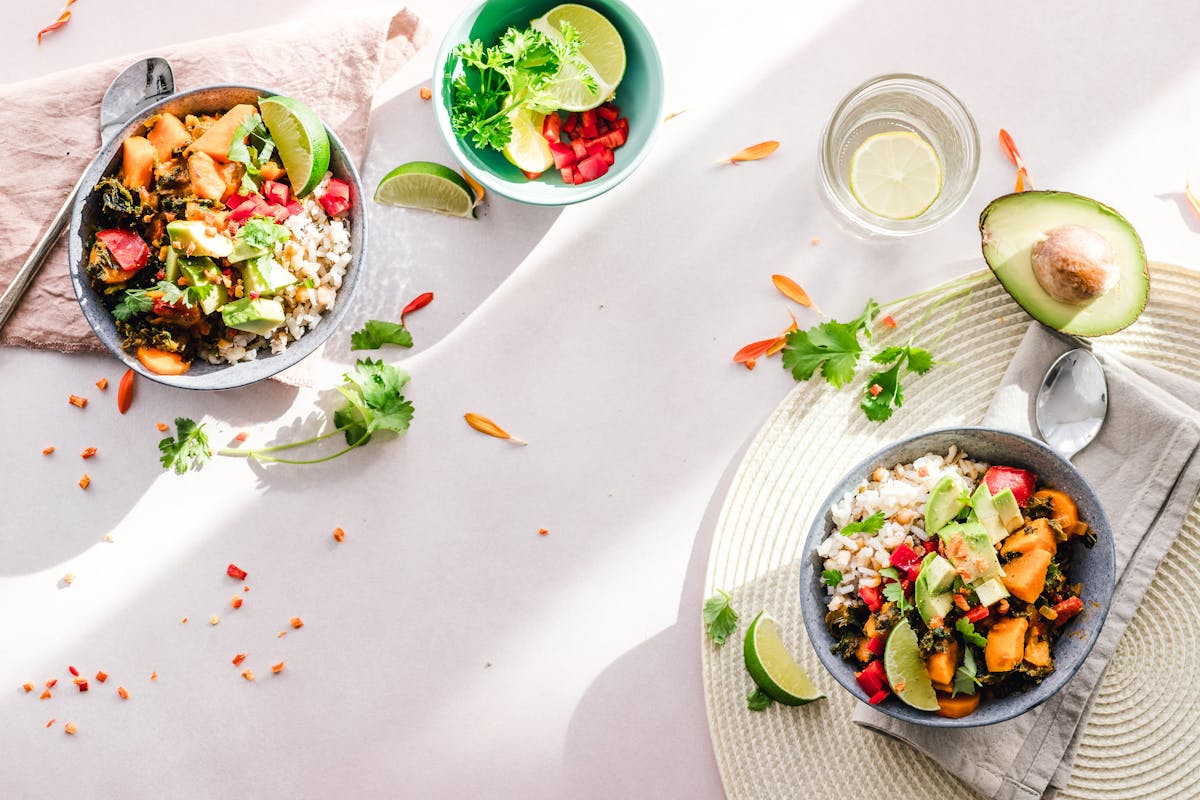
A Perfect Intermittent Fasting Meal: Warm Mediterranean Power Bowl
To bring all of this to life in your kitchen, here’s a complete, IF‑friendly, Mediterranean‑inspired bowl: high in protein and fiber, rich in healthy fats, and deeply satisfying. It’s ideal as your first meal after a fast or your main evening dish in a time‑restricted eating plan.
Recipe Summary
Prep time: 20 minutes
Cook time: 25 minutes
Total time: ~45 minutes
Servings: 2 hearty bowls
Difficulty: Easy–moderate (great for home cooks)
Equipment
- Baking sheet (rimmed) or roasting pan
- Medium saucepan with lid (for grains)
- Large mixing bowl
- Cutting board and sharp knife
- Small jar with lid or small bowl and whisk (for dressing)
Ingredients
For the bowl
- 1/2 cup (90 g) dry quinoa, farro, or brown rice, rinsed
- 1 cup (240 ml) water or low‑sodium vegetable broth
- 1 can (about 15 oz / 400 g) chickpeas, drained and rinsed
- 1 small sweet potato, peeled and cut into 1.5 cm cubes
- 1 small red onion, sliced into wedges
- 1 red or yellow bell pepper, sliced into strips
- 2 cups (about 60 g) baby spinach or mixed greens
- 2 tbsp extra‑virgin olive oil (for roasting)
- 1 tsp ground smoked paprika
- 1/2 tsp ground cumin
- Salt and freshly ground black pepper, to taste
- 1/4 cup (35 g) crumbled feta cheese (optional)
- 2 tbsp toasted nuts or seeds (e.g., pumpkin seeds, almonds, or sunflower seeds)
- Fresh herbs such as parsley, dill, or cilantro, roughly chopped
For the lemon‑tahini dressing
- 3 tbsp tahini (sesame paste)
- 2–3 tbsp fresh lemon juice (about 1 lemon)
- 1 small garlic clove, finely minced or grated
- 2–4 tbsp warm water, as needed to thin
- 1 tbsp extra‑virgin olive oil
- 1/4 tsp fine sea salt, or to taste
- Freshly ground black pepper, to taste
Step‑by‑Step Cooking Instructions
- Preheat and prepare.
Preheat your oven to 200 °C (400 °F). Line a baking sheet with parchment paper, if desired, for easier cleanup. - Start the grains.
In a medium saucepan, combine the rinsed grains and water or broth. Bring to a boil over medium‑high heat, then reduce to a gentle simmer, cover, and cook until tender (about 12–15 minutes for quinoa, longer for farro or brown rice—follow package directions). Remove from heat and let steam, covered, for 5 minutes. Fluff with a fork. - Roast the vegetables and chickpeas.
On the baking sheet, toss the sweet potato cubes, onion wedges, and bell pepper strips with 2 tbsp olive oil, paprika, cumin, salt, and pepper. Add the rinsed chickpeas to the same pan and gently toss again.
Spread everything into an even layer and roast for 20–25 minutes, stirring once halfway through, until the vegetables are caramelized at the edges and the chickpeas are lightly crisp. - Make the lemon‑tahini dressing.
While the vegetables roast, add tahini, lemon juice, minced garlic, olive oil, salt, and pepper to a small jar or bowl. Whisk or shake until creamy. Slowly whisk in warm water, 1 tablespoon at a time, until the dressing is pourable and silky. Taste and adjust seasoning—look for a bright, nutty, slightly tangy flavor. - Warm the greens.
Add the spinach or mixed greens to the still‑warm grain pot, cover, and let them wilt gently for 1–2 minutes. This keeps the greens vibrant and tender without overcooking. - Assemble the bowls.
Divide the warm grains and greens between two bowls. Top with the roasted vegetables and chickpeas. Sprinkle with feta (if using), toasted nuts or seeds, and plenty of fresh herbs. Drizzle generously with the lemon‑tahini dressing. - Enjoy mindfully.
Take a moment to notice the aroma—the roasted sweetness of the vegetables, the citrusy lift from the dressing, the nutty tahini. Eat slowly and stop when comfortably full; the goal is steady energy, not over‑stuffed fullness.
Storage & Reheating
- Fridge: Store bowl components separately (grains/veg, dressing, greens) in airtight containers for up to 3 days.
- Reheating: Warm grains and roasted veg gently on the stovetop or in the microwave until just hot. Add fresh greens and dressing right before serving.
- Meal‑prep tip: Roast a double batch of vegetables and cook extra grains at once; assemble fresh bowls throughout your eating window over 2–3 days.
Who Should Be Cautious With Intermittent Fasting?
Intermittent fasting and time‑restricted eating are not right for everyone. In 2024–2025, more practitioners stress the importance of individual context.
People who should be especially cautious—and speak with a qualified healthcare professional before trying fasting—include:
- Anyone with a current or past eating disorder or disordered eating patterns.
- Pregnant or breastfeeding individuals.
- People with diabetes or on medications that affect blood sugar or blood pressure.
- Those with certain chronic health conditions, recent surgery, or very high training loads in sports.
Emotional wellbeing matters too. If fasting increases anxiety around food, triggers all‑or‑nothing thinking, or interferes with social life, it may not be the right tool for you—even if others swear by it.
Fasting Meets Biohacking: Coffee, Cold Plunges, and Glucose Curves
On social media, intermittent fasting now often appears alongside “biohacking” and productivity trends.
- Black coffee vs. “fast‑safe” creamers: Most experts agree that plain water, black coffee, and unsweetened tea don’t significantly affect a fast for metabolic purposes. Adding creamers, sweeteners, or collagen can start to blur the lines.
- Artificial sweeteners: Research is mixed on whether they “break” a fast. For strict metabolic fasting, many people prefer to avoid or limit them during fasting hours.
- Light, movement, and cold exposure: Morning sunlight, gentle walks, and sometimes cold showers are used to support circadian alignment and energy.
- “Fasting‑mimicking” diets: Some programs use very low‑calorie, plant‑based meal plans to mimic aspects of fasting while still eating small amounts of food.
These strategies can be interesting experiments, but they’re optional. The foundation remains simple: a consistent eating window and nourishing meals.
What Does Research Say in 2024–2025?
As of 2024–2025, studies on intermittent fasting and time‑restricted eating show promising but nuanced results:
- Fasting can help some people lose weight and improve blood sugar and blood pressure, often similarly to general calorie reduction.
- Early time‑restricted feeding (eating most calories earlier in the day) may support better glucose control and insulin sensitivity for some.
- Sex‑specific responses and long‑term effects are still under active research; not all studies agree, and individual results vary.
The consistent theme: when people eat more whole foods, reduce constant snacking, and find a rhythm that fits their life, health markers and energy levels often improve—whether they call it “intermittent fasting” or simply “structured, mindful eating.”
Serving Ideas & Complementary Dishes for Your Eating Window
To round out your intermittent fasting meal plan, pair the Warm Mediterranean Power Bowl with other balanced options:
- Protein‑rich breakfasts (for earlier windows): veggie omelets, Greek yogurt with berries and nuts, or tofu scrambles with whole‑grain toast.
- Light but satisfying soups: lentil soup, vegetable‑bean minestrone, or miso‑based broths with tofu and greens.
- Colorful side salads: shaved fennel and orange salad, cucumber‑tomato salad with olive oil and herbs, or arugula with lemon and parmesan.
- Smart snacks (if they fit your plan): a handful of nuts, sliced fruit with nut butter, or raw veggies with hummus.
Think in terms of plates and patterns rather than perfection. If most of your meals are built from whole, flavorful ingredients, your fasting window becomes a gentle structure rather than a strict rulebook.
Getting Started with Intermittent Fasting 3.0
You don’t need expensive gadgets or complex protocols to begin. Start with what’s most practical:
- Choose a gentle fasting window. For example, close the kitchen by 8 p.m. and delay breakfast until 8 a.m.—a simple 12:12 split.
- Prioritize balanced meals. Use the Mediterranean bowl recipe as a template: protein + fiber‑rich plants + healthy fats.
- Observe how you feel. Notice energy, mood, hunger, and sleep. If you use a wearable, glance at trends, not single days.
- Adjust gradually. If you feel good, you can slowly extend your overnight fast to 13–14 hours, or shift your window earlier or later based on your lifestyle.
- Stay flexible. Make room for celebrations, travel, and life. A sustainable approach will beat a “perfect” one that only lasts two weeks.
Above all, let food stay joyful. Cook meals that make your kitchen smell amazing, that look vibrant on the plate, and that you’re proud to share. In Intermittent Fasting 3.0, your fork, your schedule, and your body all get a say.
