
Brendon McCullum Demands Steel: Can England Toughen Up in a Defining Ashes Showdown?
Brendon McCullum Warns Against a “Glass Jaw” as England Fight to Keep Ashes Alive
With England staring at an Ashes series defeat after losing the first two Tests inside six days, head coach Brendon McCullum has delivered a blunt message: this team cannot afford to have a “glass jaw” against Australia. As the pressure spikes and criticism mounts, England’s response in the next Test will define not only this Ashes campaign but also the legacy of the Bazball era.
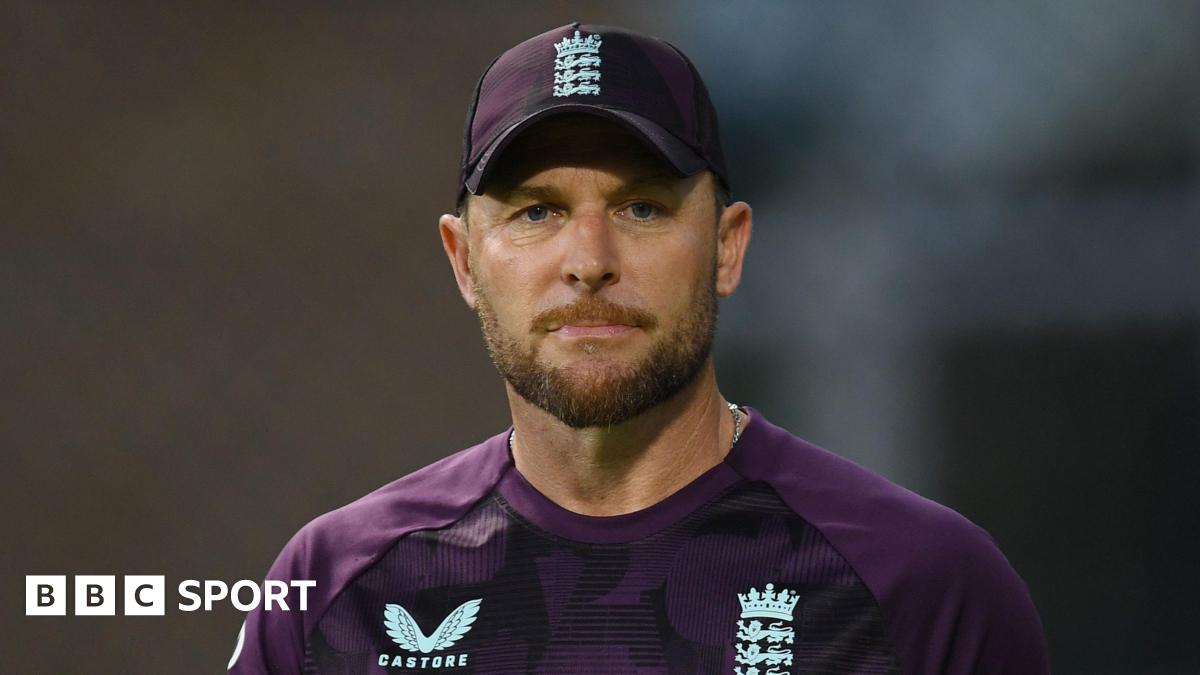
McCullum’s challenge is clear: turn a wounded squad into a resilient, match-hardened outfit fast enough to stop Australia from sealing the urn at the earliest possible opportunity.
Context: An Ashes Series Slipping Away at Record Speed
England’s Ashes dream is hanging by a thread after two bruising defeats, both wrapped up in under six days of play combined. Australia have controlled the tempo, seized key sessions, and exposed England’s tactical and technical flaws under intense pressure.
In the series opener in Perth, the tourists were outgunned in familiar fashion: early wickets with the new ball, a middle-order wobble, and a long tail exposed by relentless Australian pace. The second Test followed a similar pattern, with England’s brief bursts of dominance quickly extinguished by collapses on either side of partnerships.
The concern for McCullum is not just the results, but how quickly the contests have slipped away once Australia have landed the first heavy blow.
What McCullum Means by a “Glass Jaw”
“If we go out there with a glass jaw, we’ve got no chance. Against Australia you will get hit. It’s about how many punches you can take and still come back swinging.”
The “glass jaw” metaphor speaks directly to mental resilience. In boxing terms, a fighter with a glass jaw can be knocked out with a single clean shot. In Ashes cricket, it’s about how a team reacts when:
- they lose two wickets in an over,
- a set batter falls to a rash stroke,
- a session swings dramatically in the opposition’s favour, or
- a hostile spell from the quicks starts to bite.
Under McCullum, England have prided themselves on fearlessness and positivity. But against a ruthless Australian side, aggression without control can quickly look like panic, and boldness can drift into recklessness if the mental steel underneath is missing.
Early Ashes Numbers: Where the Series Is Being Lost
The scorecards tell a blunt story. Across the first two Tests, Australia have consistently outperformed England in the pivotal phases.
| Metric | Australia | England |
|---|---|---|
| Average first-innings score | ~420 | ~290 |
| Top-order average (Nos. 1–3) | Mid 40s | Mid 20s |
| Balls per wicket (pace) | ~52 | ~38 |
| Boundary % (runs in fours & sixes) | ~55% | ~48% |
| Collapse frequency (3+ wickets for < 30 runs) | 1 | 4 |
The numbers highlight England’s central issues: fragile starts with the bat, an inability to build long partnerships, and a lack of sustained pressure with the ball compared to Australia’s more disciplined, relentless attack.
Mental Toughness vs. Bazball: Finding the Right Balance
Since McCullum and Ben Stokes took charge, England’s identity has been built on an ultra-positive brand of cricket that refuses to take a backward step. That philosophy has revived a stagnant side and produced some remarkable chases and statement victories.
But in Australia, against a full-strength attack and on quicker pitches, the margins are finer. The question is not whether England should abandon their method, but how they refine it under the most intense scrutiny the sport offers.
- Shot selection under fire: Keeping the scoring rate high without gifting soft dismissals immediately after a boundary surge.
- Session-by-session thinking: Winning the hour, not just the highlight reel; respecting passages where survival matters more than style points.
- Emotional control: Absorbing Australian sledging, hostile crowds, and scoreboard pressure without drifting into frustration strokes.
“Bazball isn’t just about scoring quickly. It’s about believing that you can dictate terms even when things aren’t going your way. That belief is being tested now more than ever.”
McCullum’s comments suggest he wants his side to double down on belief, not bravado: a steelier version of Bazball that can ride out the inevitable Australian onslaughts.
Key On-Field Battles England Must Win to Turn the Tide
If England are to keep this Ashes series alive, several tactical and individual contests have to swing their way quickly.
- Top-order survival vs. Australian new ball
England’s openers must convert starts into 70+ stands to give the middle order a platform. Early wickets have repeatedly exposed the engine room too soon. - Containing Australia’s middle order
Australia’s No. 3–5 have weathered early movement and cashed in later. England’s seamers must find a way to create chances in the second and third spells, not just with the shiny new ball. - Spin influence
As pitches tire, England’s spinner needs to hold an end, control scoring, and chip out left-handers. Australia have been more efficient at extracting control and pressure from their slower options. - Fielding intensity
Missed chances have been costly. In an Ashes series this tight, every dropped catch and misfield amplifies Australia’s advantage.
The Human Side: Pressure, Pride, and Careers on the Line
Beyond the numbers and tactics, this is an Ashes tour laden with personal stakes. Senior players know that performances here shape how their careers are remembered. Younger squad members are discovering the unique strain of playing in front of packed Australian crowds baying for English collapse.
McCullum’s reminder about toughness is as much about support as it is about standards. He has consistently backed his players in public and encouraged them to embrace pressure, not fear it.
“You don’t come to Australia to hide. You come here to test yourself against the best. We’ll find out a lot about ourselves in the next few days.”
For fans, that honesty matters. They want to see character as much as they want to see runs and wickets: players diving at the rope, fighting through painful spells, and batting time when the team needs it most.

Different Perspectives: Should England Stick or Twist?
McCullum’s unwavering belief in his philosophy has sparked debate among pundits and former players. Broadly, the views split into two camps.
- Stay the course with Bazball
Supporters argue that this approach transformed a struggling team into one capable of beating top sides at home and away. They believe abandoning it under pressure would send the wrong message and hand psychological advantage to Australia. - Adjust to conditions and opposition
Others insist that while positivity is vital, game-awareness is non-negotiable. Against Australia’s attack in their own conditions, they believe England must show more adaptability with selection, field settings, and tempo with the bat.
McCullum’s “glass jaw” comment sits somewhere between these poles: keep the attacking mindset, but toughen the chin. In practice, that means being brave enough to defend when the situation demands it and smart enough to absorb pressure before counter-attacking.

What England Must Change Before the Next Ashes Test
The turnaround window is brutally short. To avoid surrendering the Ashes at the earliest possible moment, England will look at three immediate levers.
- Selection calls
Fresh legs in the seam attack, a tighter batting order, and clarity around the wicketkeeper role could add stability. Horses-for-courses picks, based on pitch and conditions, are crucial. - Game-plan clarity
Each batter needs a clear plan against individual bowlers—where to score, where to leave, and when to take calculated risks. Bowlers require pre-set plans for each Australian batter with flexibility built in. - Training under pressure
Expect high-intensity net sessions that simulate hostile spells: short-pitched barrages, noisy environments, and scenarios where batters must bat time with strict “no reckless shot” constraints.
Whether those adjustments are enough against an in-form Australia is another question. What McCullum is demanding, above all, is a visible change in resilience: a side that takes Australia’s best punches and keeps coming.
Ashes Resources and Further Reading
For full scorecards, player stats, and official updates on the current Ashes series between England and Australia, visit:
- England Men – Official ECB Page
- Australia Men – Cricket Australia
- Ashes Series Hub – ESPNcricinfo
- ICC Men’s Test Team Rankings
As the next Test looms, the defining question remains: will England show the hardened jaw McCullum is demanding, or will Australia land the knockout punch that ends this Ashes contest early?
