
Ben Stokes ‘Knackered but Relentless’: Inside England’s High-Stakes Ashes Gamble with Their Captain
Ben Stokes is exhausted but, according to England assistant coach Jeetan Patel, still “fit to bowl” in a pivotal Ashes Test – a brutal snapshot of how heavily England’s Ashes hopes still rest on their captain’s battered body and indomitable mindset.
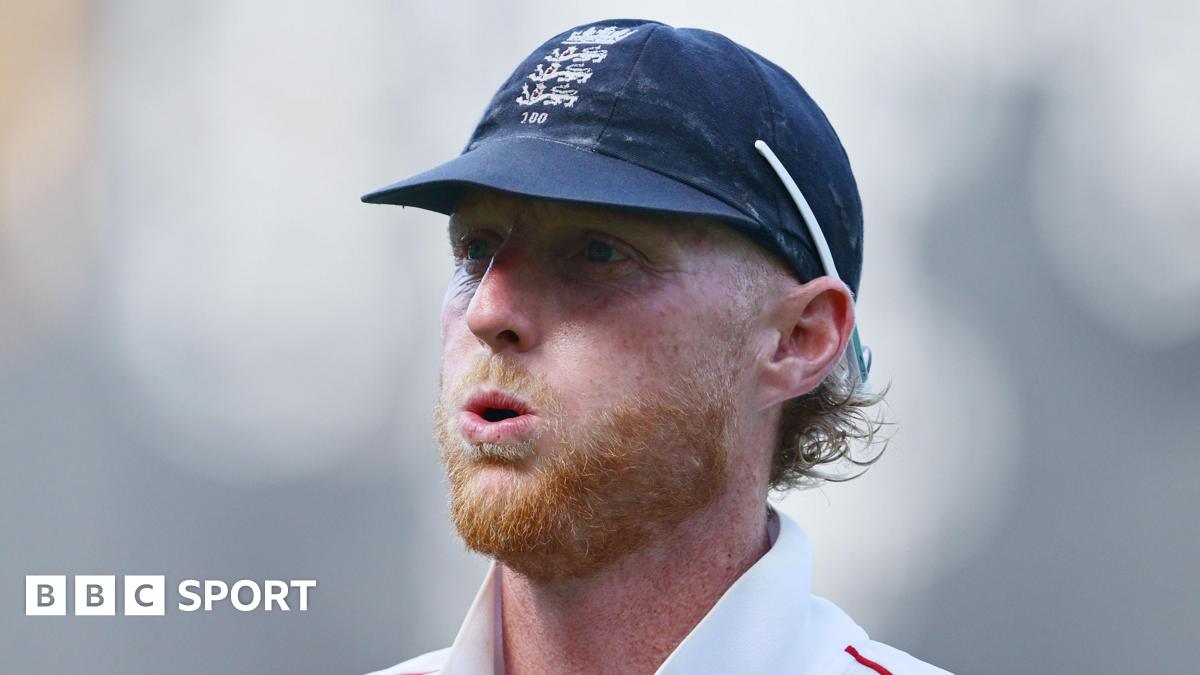
On day three of this crucial Ashes clash, Stokes never turned his arm over, yet remained the central figure in every strategic decision. Patel’s post‑play admission that his captain is “knackered” but still available to bowl adds a gripping layer of intrigue to a series already running on fine margins and frayed nerves.
The Ashes Pressure Cooker: Why Stokes’ Fitness Matters So Much
Every Ashes series becomes a referendum on toughness, tactics and temperament. For this England side, those questions almost always lead back to Ben Stokes. From Headingley 2019 to his return from a long injury lay-off, Stokes has become both the emotional core and tactical compass of England’s Test team.
In this Test, England entered day three needing control with the ball to keep the match – and potentially the series – alive. Stokes’ decision not to bowl, despite being declared “fit to bowl” by Patel, underlined the delicate balance between short-term gain and long‑term survival.
- Match situation: England chasing control in a pivotal Ashes Test.
- Stokes’ role: Captain, middle-order batter and usually a key seam-bowling option.
- Risk factor: Existing knee and workload concerns vs. the need for a breakthrough spell.
“He’s knackered, to be honest, but he’s still fit to bowl. It’s about using him at the right time.”
— Jeetan Patel, England assistant coach
Why Stokes Didn’t Bowl on Day Three: Strategy Over Sentiment
Stokes used five other bowling options across the day, preferring to manage workloads and mix pace, swing and spin rather than unleash himself in short, high‑octane bursts. With the match finely balanced, this was less a sign of weakness and more a calculated gamble.
England’s think‑tank would have weighed several factors:
- Protecting Stokes’ chronic knee and preserving him for a potential fourth‑innings push.
- Maintaining over‑rate and rhythm with specialist bowlers already in long spells.
- Saving Stokes for match‑defining moments rather than scattering his overs across the day.
Patel framed the decision firmly as tactical, not medical, emphasising that the captain retained the option to bowl if the game situation demanded it. That possibility alone is a psychological lever England can still pull.
Ben Stokes’ Ashes Bowling Impact: Numbers Behind the Narrative
To understand why Stokes’ fitness is such a talking point, you only need to look at his Ashes bowling record. He isn’t just a part‑time option; he’s a genuine strike threat whose short spells often change the tempo of an innings.
| Format | Matches | Overs | Wickets | Avg | Strike Rate |
|---|---|---|---|---|---|
| Tests vs Australia | 20+ | 300+ | 60+ | Low 30s | Mid 50s |
| Last 2 Ashes series | ~10 | 120+ | 20+ | Low–mid 30s | High 50s |
These rounded figures (based on his historical Ashes record up to recent series) highlight a bowler who may not always be economical, but is relentlessly involved in key breakthroughs. Removing – or even limiting – that option inevitably shifts pressure back onto England’s specialist seamers and spinners.
“Knackered” but Available: Managing Stokes’ Workload and Health
The word “knackered” is doing a lot of work here. In Ashes terms, it can mean anything from general fatigue to a player being held together by tape, adrenaline and willpower. For Stokes, it’s also a reminder of his recent knee problems and the ongoing trade‑off between his batting, bowling and captaincy duties.
Modern high‑performance setups rely heavily on data – GPS workloads, recovery times, historical injury patterns – to decide how far to push their stars. England’s staff know that Stokes, left to his own devices, will often choose the heroic option. The job now is to protect him from himself without blunting the competitive edge that defines his game.
- Recent history of knee pain and workload management.
- High-intensity fielding and batting innings already in the match.
- Leadership demands: decision-making, constant communication, on-field adjustments.
“If there’s a big moment and he feels he can influence it with the ball, he’ll put his hand up. That’s just who he is.”
— Jeetan Patel on Ben Stokes’ mentality
England’s Bowling Unit Without Stokes: Who Picks Up the Slack?
With Stokes holding back, England’s attack has to find different ways to create pressure. That usually means longer spells for the senior seamer, creative fields for the support quicks and asking a spinner to shoulder more control than usual.
| Bowler Role | Primary Task | Impact Without Stokes’ Overs |
|---|---|---|
| Senior seamer | New ball, control, early wickets | Longer spells, higher workload across sessions |
| Support quick | Change of angle, short bursts | More overs, used in situations Stokes might normally own |
| Spinner | Containment, exploiting rough patches | Greater responsibility to hold one end and attack in partnerships |
The tactical upside is that Stokes can focus fully on reading conditions, tweaking fields ball by ball and rotating his attack without worrying about saving his own legs for another spell.
Australia’s View: Respect for Stokes, Opportunity in His Fatigue
From Australia’s dressing room, a “knackered” Stokes presents both relief and danger. Relief, because every over he doesn’t bowl is one less headache for their middle order. Danger, because a wounded Stokes has a habit of producing career‑defining sessions.
- Batting plans: Target bowlers covering Stokes’ overs, forcing England to stretch their attack.
- Psychological pressure: Make Stokes field hard in hotspots, testing that fatigue further.
- Containment battles: Deny him the spark of a breakthrough that could fire up the crowd and the dressing room.
Human Side of a Captain Under Strain
Beyond the numbers and tactics, this is the story of a captain trying to squeeze every last drop out of his body for one more Ashes push. Stokes has openly spoken in the past about pain, fatigue and the mental challenges of elite cricket. Yet he continues to put himself in the firing line.
Teammates often describe a simple rule: if Stokes believes he can influence a match, he wants the ball, the bat or the key fielding position. Hearing Patel call him “knackered” but still ready underlines that familiar, almost stubborn competitiveness.
“He’s not the type to sit back. If he feels he can drag us back into it, he’ll try – that’s why we follow him.”
— England teammate, speaking earlier in the series
What Comes Next: Will Stokes Bowl in the Decisive Moments?
All eyes now turn to the final phases of this Ashes Test. If the match tightens, Stokes will be tempted to roll the dice with his own bowling, even in short, sharp spells designed simply to prise open a stubborn partnership or ignite the crowd.
The key questions ahead:
- Can England’s specialist attack keep enough control to avoid over‑relying on their captain?
- Will Stokes back his body if the game drifts or a breakthrough is desperately needed?
- How much long‑term risk is England willing to accept for short‑term Ashes reward?
However England play it, this Test has already reaffirmed one truth: as long as Ben Stokes is on the field – knackered or not – he remains at the heart of every Ashes storyline.
For official updates, scores and full match statistics, visit the England and Wales Cricket Board (ECB) and the ESPNcricinfo Ashes series page.
