
8 Smart Ways To Eat Better For Less In 2026 (Without Feeling Deprived)
8 ways to eat better, for less, in 2026
If your grocery bill has been making you do a double take, you are not alone. Between rising food prices, busy schedules and endless nutrition advice online, eating well in 2026 can feel overwhelming. The good news: You do not need fancy superfoods or a chef’s kitchen to eat better for less. You just need a few smart, repeatable habits.
I have cooked through lean graduate-school years, last-minute shared house dinners and months where every dollar had a job. Some nights were triumphant (like the time I fed a whole MFA cohort with a DIY baked potato bar and a couple of donated bottles of champagne). Others looked more like cereal for dinner. Over time, the same simple strategies kept saving me money and making meals feel satisfying instead of stressful.
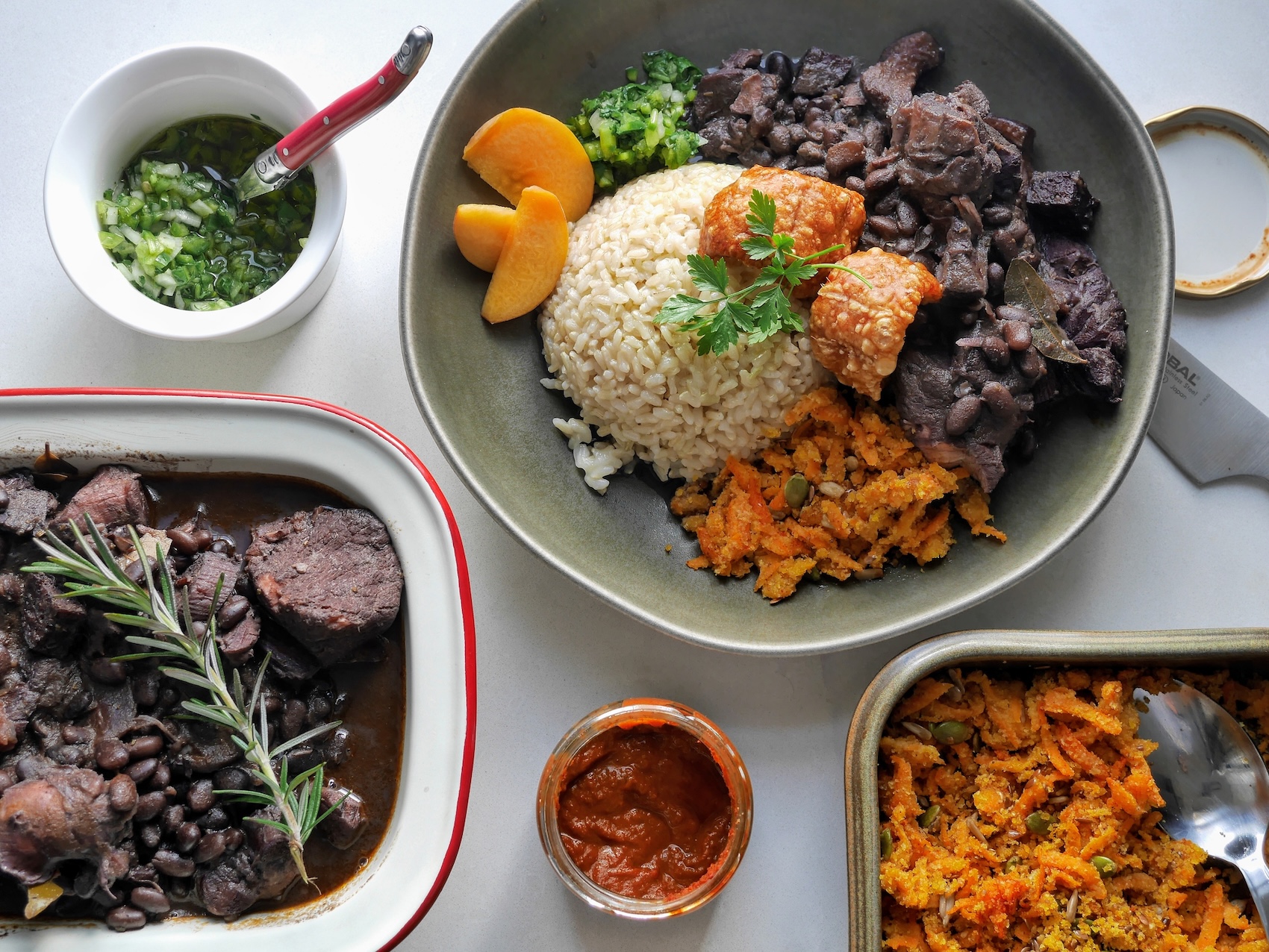
Below are eight evidence-informed, practical ways to help you eat healthier on a budget this year, with realistic steps you can tailor to your life.
Why eating well feels so expensive right now
Food costs have risen across the board over the past few years, especially for items like eggs, meat and many brand-name packaged foods. At the same time, social media often equates “healthy eating” with expensive extras: collagen powders, imported berries, specialty oils and elaborate recipes with long ingredient lists. It is no wonder many people feel like nutritious food is out of reach.
Yet nutrition research consistently shows that some of the most health-supportive foods—beans, lentils, whole grains, frozen vegetables and seasonal produce—are also among the most affordable options per serving when used well.
“Healthy eating is less about buying exotic ingredients and more about reliably putting together simple, nutrient-dense meals from basic foods you can afford.” — Registered Dietitian, community health clinic case example
The challenge is less about willpower and more about systems: how you shop, store and cook. The rest of this guide focuses on small shifts that can make eating better both sustainable and affordable in 2026.
1. Plan “flexible meals,” not rigid meal plans
Traditional meal planning can feel like homework, and if anything changes—a late meeting, a surprise invitation—you end up wasting ingredients or resorting to takeout. A more realistic approach is to plan flexible meal frameworks built around a few cheap, versatile staples.
Think in formulas you can swap ingredients into, depending on sales and what you already have:
- Grain + bean + veg + sauce (bowl, burrito, skillet)
- Sheet-pan protein + two veggies (roasted in one go)
- Soup or stew formula (onion + carrot/celery + bean/lentil + grain/pasta + greens)
- Egg-based meals (frittatas, omelets, shakshuka, fried-rice-with-egg)
Each week, choose 3–4 frameworks, then plug in whatever is discounted or already in your pantry. This lowers cost and food waste while keeping meals interesting.
- Check your fridge, freezer and pantry first.
- Look at your store’s weekly flyer or app for sales.
- Match sale items to 3–4 flexible meal ideas.
- Write a short, focused shopping list based on that.
2. Build a budget pantry around a few all-star staples
A well-chosen pantry reduces impulse buys and makes it much easier to throw together fast, healthy meals. You do not need dozens of items—just a small set of workhorses you know how to use.
Consider stocking:
- Dry goods: rice (white or brown), oats, pasta, lentils, dried beans, quinoa (if budget allows)
- Affordable proteins: canned beans, canned tuna or salmon, eggs, peanut or other nut butter
- Budget-friendly flavor: onions, garlic, basic spices (salt, pepper, chili, cumin, paprika), soy sauce, vinegar, tomato paste
- Long-lasting produce: carrots, potatoes, cabbage, apples, citrus
When possible, buy staples in larger quantities from places with good unit prices (warehouse clubs, bulk bins, or store brands), but only at the size you will realistically use before they spoil.
Case example: One home cook I worked with cut her grocery costs by about 20% simply by switching from single-use seasoning packets to a small set of basic spices and learning two or three “pantry meals” she could make from shelf-stable ingredients.
3. Make beans, lentils and whole grains your budget nutrition MVPs
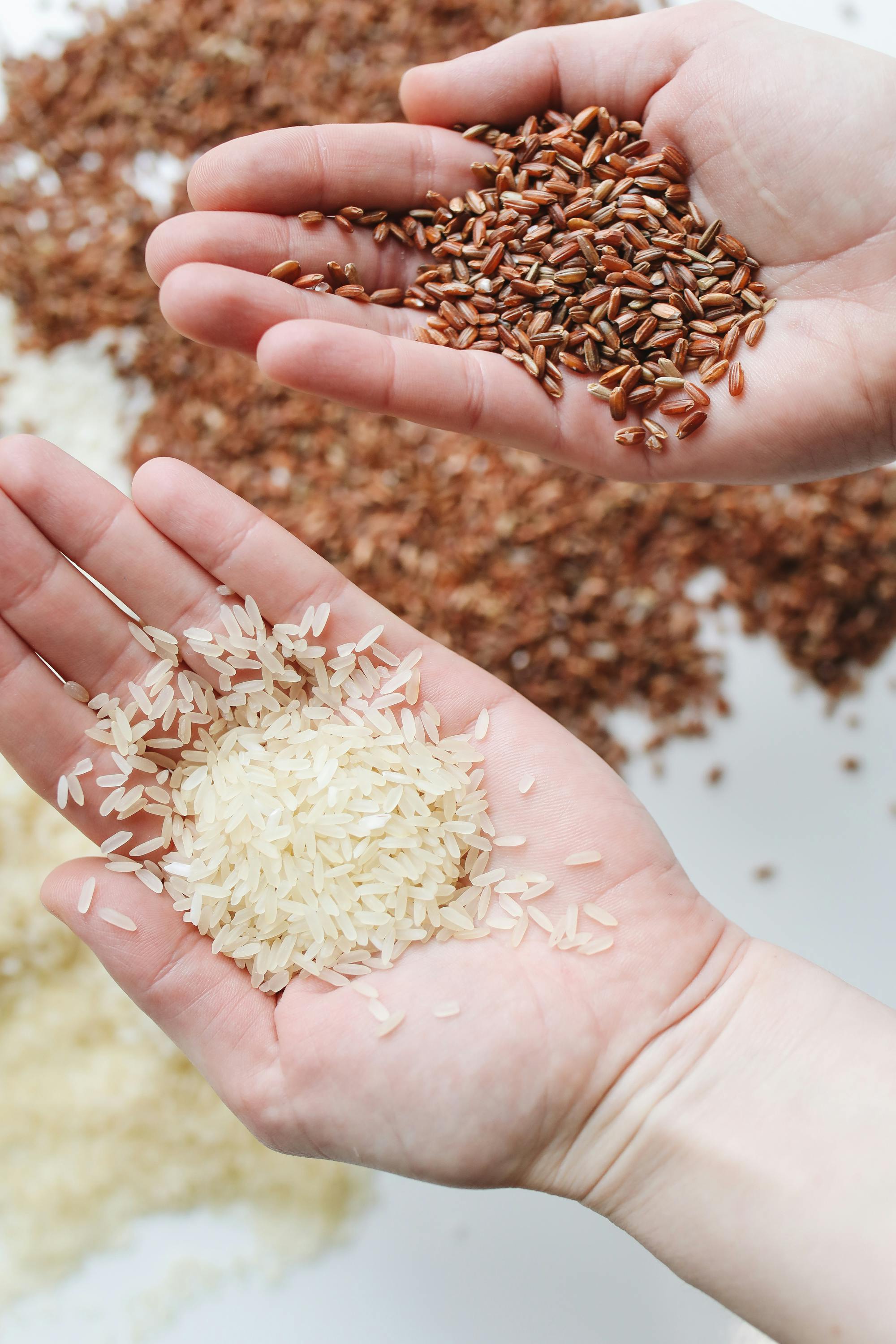
Beans, lentils and whole grains like oats and brown rice are some of the most cost-effective foods you can buy. They provide fiber, plant-based protein and key minerals, and they are extremely versatile.
- Dry beans and lentils are usually cheapest per serving, especially when cooked in batches and frozen.
- Canned beans are still budget-friendly and convenient; just rinse to reduce sodium.
- Whole grains like oats, barley and brown rice can be cooked in larger batches and used all week.
Simple ways to use them:
- Cook a big pot of beans or lentils on the weekend.
- Use them in chili, curries, salads, tacos, grain bowls or blended into dips.
- Freeze extra portions flat in bags or containers for busy nights.
4. Use your freezer like a second pantry
A well-used freezer can save you significant money and time. Frozen fruits and veggies are often cheaper than fresh, last much longer and are usually picked at peak ripeness. They are especially helpful if you struggle with produce going bad before you can use it.
Consider keeping these in your freezer:
- Mixed vegetables for quick stir-fries, soups and casseroles
- Frozen spinach or kale for soups, stews and eggs
- Frozen berries or mango for oatmeal, yogurt and smoothies
- Cooked beans and grains portioned in containers
- Leftover soup, chili or sauces in labeled portions

To keep things from getting lost, do a quick “freezer inventory” once a month and plan a few meals around what you already have.
5. Shop smarter: unit prices, store brands and timing
How you shop matters as much as where. Many people save 15–30% simply by paying attention to unit prices (price per ounce, pound or liter) and being flexible about brands.
- Check unit prices. Larger packages are not always cheaper; compare the shelf labels.
- Try store brands. For basics like oats, canned tomatoes, beans and frozen vegetables, store brands often match name-brand quality at a lower price.
- Shop sales intentionally. Stock up on staples when they are discounted, but avoid buying perishable items in quantities you cannot use or freeze in time.
- Avoid shopping hungry. It sounds simple, but studies show hunger can drive more impulse purchases of convenience foods.
If you have access to multiple stores, consider rotating where you buy certain items based on price: bulk grains from one place, produce from another, and pantry items from a discount or ethnic grocery store.
6. Turn “almost-bad” food into easy, comforting meals
A huge portion of household food budgets quietly disappears into the trash or compost. Learning a few “rescue recipes” for foods that are slightly wilted, stale or imperfect can save you real money and reduce waste.
Some ideas:
- Soft vegetables → soups, frittatas, curries, stir-fries, roasted veggie medleys
- Stale bread → croutons, bread crumbs, French toast, strata
- Overripe fruit → smoothies, baked oatmeal, compotes, muffins
- Cooked grain leftovers → fried rice, grain salads, veggie bowls
In one small family I worked with, simply setting aside a weekly “kitchen clean-out soup night” cut their food waste roughly in half and freed up money for more fresh produce and occasional treats.
7. Batch-cook basics, not full meals (unless you like leftovers)
Batch cooking can absolutely save you money and time, but many people burn out on eating the exact same dish for days in a row. A more flexible approach is to batch-cook components instead of complete meals.
On a less busy day, you might:
- Cook a pot of grains (rice, barley, quinoa)
- Cook a pot of beans or lentils
- Roast a tray or two of mixed vegetables
- Prepare a simple sauce or dressing
- Hard-boil a few eggs or cook a basic protein
During the week, combine these pieces into different meals: bowls, salads, wraps, soups or quick stir-fries. You get the savings and convenience of batch cooking without food boredom.
8. Keep “good enough” meals in your back pocket
One of the biggest reasons people overspend on food is the stressful evening moment when you are exhausted, hungry and nothing is planned. Having a few “good enough” backup meals—cheap, quick and reasonably nutritious—can prevent last-minute takeout from becoming a default.
Examples of realistic backup meals:
- Eggs scrambled with frozen spinach and toast
- Bean-and-cheese quesadillas with salsa
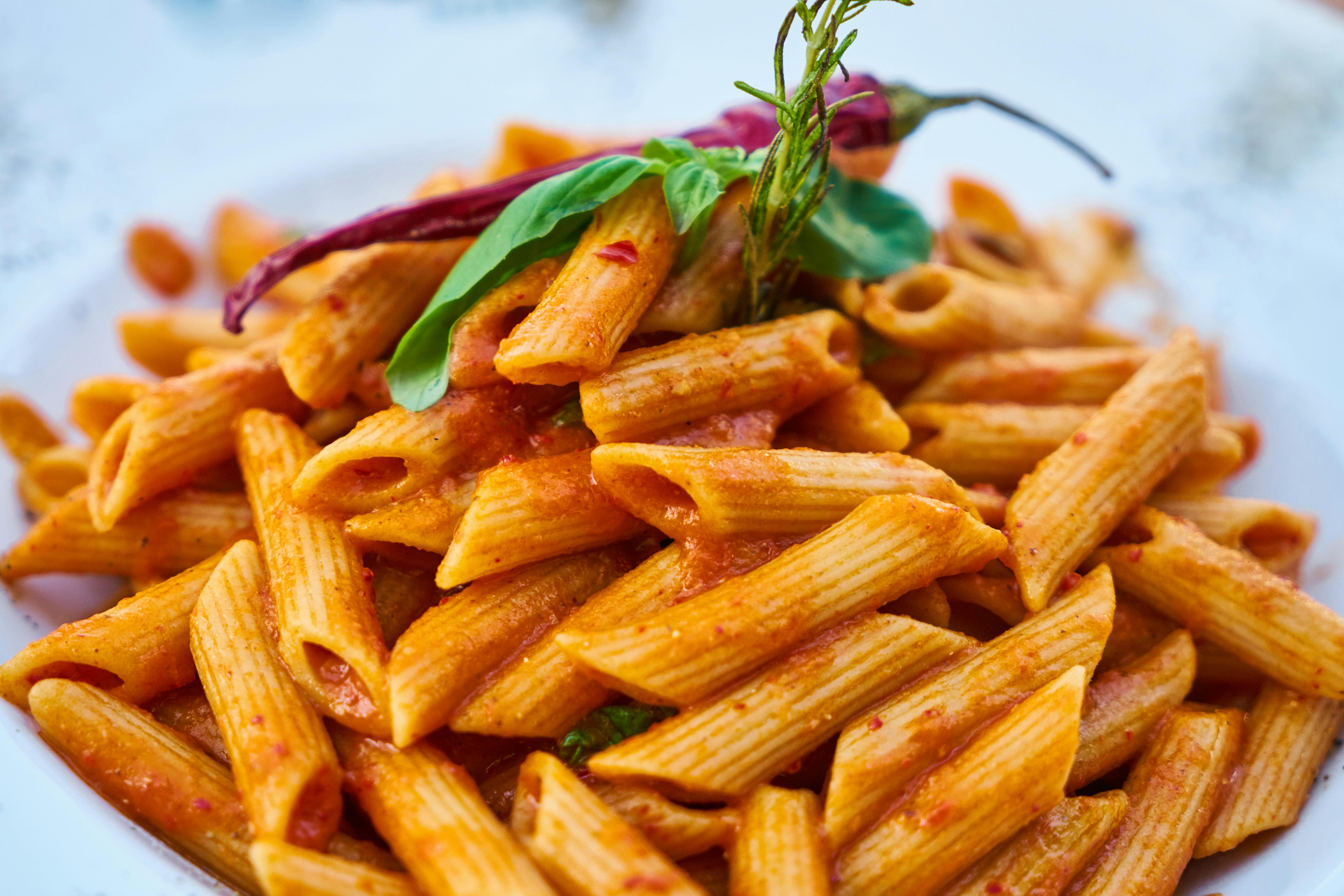
- Whole-grain pasta with canned tomatoes, garlic and olive oil
- Microwaved baked potatoes topped with beans, frozen veg and yogurt or cheese
- Oatmeal with peanut butter and fruit (breakfast-for-dinner)
Common obstacles (and realistic ways to handle them)
Even with the best intentions, life happens. Here are a few common sticking points and practical ways to respond.
“I don’t have time to cook.”
Focus on:
- 15–20 minute meals using pantry and freezer items
- Pre-prepped ingredients like washed greens or baby carrots if your budget allows
- Cooking once and repurposing leftovers into different meals
“Healthy food feels bland or boring.”
Invest in inexpensive flavor:
- Garlic, onions, scallions
- Spices like chili powder, cumin, smoked paprika
- Citrus, vinegar and small amounts of oils or butter
“My household has different tastes.”
Use customizable meals: grain bowls, tacos, baked potato bars and big salads where each person can choose their toppings from the same base ingredients. This reduces “short-order cooking” without forcing everyone to eat exactly the same thing.
What the science says about eating well on a budget
Multiple studies have examined the relationship between diet quality and cost. While some ultra-processed convenience foods are very cheap, diets higher in minimally processed foods, legumes, whole grains, fruits and vegetables are often associated with better long-term health outcomes.
Large population studies and guidelines (such as those from the World Health Organization and many national public health agencies) commonly highlight patterns like the Mediterranean-style diet or other plant-forward eating patterns, which can be adapted with local, affordable ingredients.
That said, there is no single “perfect” diet, and not every choice is accessible to everyone. The aim is not to chase an ideal, but to move gradually toward more whole foods, more plants and fewer highly processed items in ways that work for your budget and circumstances.
For further reading, look for:
- World Health Organization nutrition guidelines
- U.S. or regional dietary guidelines and public health resources
- Educational materials from registered dietitians and reputable health institutions
Bringing it together: Start small, stay kind to yourself
Eating better for less in 2026 is not about a perfect pantry or a color-coded meal plan. It is about a few repeatable habits: planning flexible meals, leaning on budget-friendly staples like beans and grains, using your freezer, shopping with a sharper eye and turning potential waste into comforting, simple dishes.
You do not need to change everything at once. This week, you might:
- Pick one flexible meal framework to try.
- Choose one budget pantry staple to stock (like lentils or oats).
- Rescue one ingredient you might have tossed and turn it into a meal.
Over time, these small, doable steps can add up to less stress around food, more confidence in the kitchen and a grocery budget that feels more manageable. Your version of “eating well” does not have to look like anyone else’s—it just has to work for you, your life and your resources.
Call to action: Choose one idea from this article, put it on your calendar for the coming week and notice how it feels. Then, when you are ready, add another. Sustainable change is built one simple meal at a time.
