
Are “All-Natural” Snacks Secretly Loaded With Sugar? What Labels Don’t Tell You
Why Your “Healthy” Snacks Might Be Spiking Your Sugar Intake
You skip the frosted doughnuts, pass by the cookies, and proudly reach for the “all natural” granola and “low-fat” yogurt. It feels like the smarter, healthier choice—until you discover that bowl of “wholesome” breakfast has as much sugar as a dessert.
NBC News recently highlighted how foods with healthy-sounding buzzwords—like “all natural,” “low-fat,” “no refined sugar,” “high protein,” or “immune-supporting”—can still be packed with added sugar. The problem isn’t that these foods are “bad” in themselves, but that their marketing can quietly nudge you into eating far more sugar than you realize.
In this guide, you’ll learn how added sugar hides in plain sight on food labels, what the latest science says about its health impact, and practical strategies to protect your health without giving up convenience—or flavor.
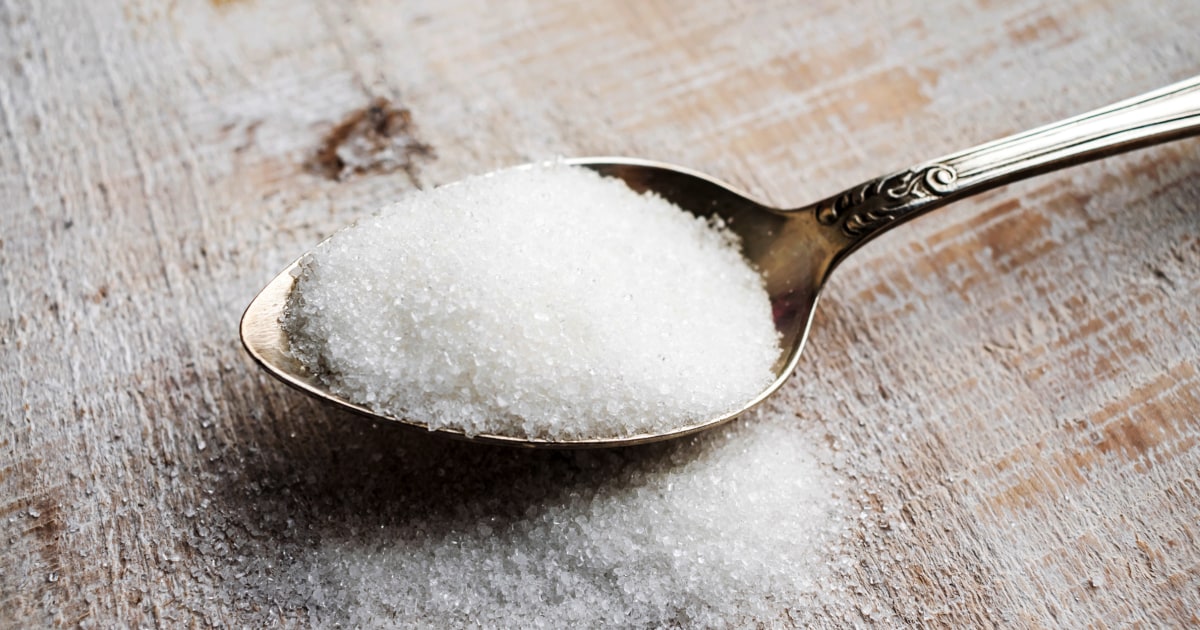
The Hidden Sugar Problem in “Better-for-You” Foods
Many people work hard to cut back on obvious sweets—soda, candy, baked goods—yet still struggle with energy crashes, sugar cravings, or stalled weight loss. A big reason: added sugar is quietly built into everyday foods that sound healthy.
NBC’s reporting described a familiar scenario: consumers who proudly swap pastries for “all natural,” “protein-packed” granola or choose low-fat yogurt, assuming they’ve made a major health upgrade. In reality, some of these products contain:
- 10–20 grams of added sugar per serving (about 2–5 teaspoons)
- Multiple types of sweeteners listed separately in the ingredients
- Small serving sizes that make the sugar load look lower than it is
You’re not failing at “willpower”—you’re often being misled by smart, emotional marketing.
“Terms like ‘natural,’ ‘wholesome,’ or ‘high protein’ are not regulated in the same way as Nutrition Facts. A food can wear a healthy halo on the front and still deliver a large dose of added sugar.”
— Registered Dietitian, Clinical Nutrition Program (paraphrased summary of common expert guidance)
What Science Says About Added Sugar and Your Health
Natural sugars in whole fruits, vegetables, and plain dairy come packaged with fiber, water, and nutrients. Added sugars are different: they’re sugars and syrups added during processing or preparation—whether that’s table sugar, honey, maple syrup, or concentrated juices.
Major health organizations, including the World Health Organization and the American Heart Association, link high intakes of added sugar to:
- Weight gain and higher body fat, especially around the waist
- Higher risk of type 2 diabetes (partly via insulin resistance)
- Elevated triglycerides and heart disease risk
- Dental cavities and enamel erosion
- More frequent energy crashes and cravings in many people
The AHA recommends limiting added sugar to:
- Women: no more than 6 teaspoons (25 g) per day
- Men: no more than 9 teaspoons (36 g) per day
A single “healthy” granola-and-yogurt combination can easily hit or exceed those amounts.
Healthy-Sounding Buzzwords That Often Hide Added Sugar
Food companies know that many shoppers are trying to eat better. So they highlight phrases that feel virtuous—even when the sugar content is high. Here are some common examples and what they can mean in practice.

- “All Natural” or “Made with Natural Ingredients”
These terms are loosely defined and don’t guarantee low sugar. A granola made with “natural” cane sugar, honey, and fruit juice concentrates can still deliver a large sugar hit. - “No Refined Sugar” or “Refined Sugar-Free”
Often replaced with honey, coconut sugar, maple syrup, agave, date syrup, or fruit concentrates. Your body still sees these primarily as sugar, and they count toward added sugar on the label. - “Low-Fat” or “Fat-Free”
When fat is removed from foods like yogurt or salad dressing, sugar is frequently added to improve taste and texture. Many flavored low-fat yogurts rival ice cream in sugar content. - “High Protein” or “Protein-Packed”
Protein bars, granola, and cereals may contain protein isolates but also syrups, sugar alcohols, and other sweeteners. Some “protein” granolas have more sugar than regular cereal. - “Immune-Boosting,” “Energizing,” or “Breakfast Fuel”
These wellness-style terms aren’t sugar guarantees. Some “immune” juices and vitamin drinks contain the sugar equivalent of multiple pieces of fruit, without the fiber.
How to Read Labels to Spot Hidden Added Sugars
Since 2020 (phased in), U.S. Nutrition Facts labels must list “Added Sugars” separately from total sugars. This is a powerful tool once you know what to look for.

Step-by-Step: Decoding the Label
- Find the Serving Size
Check how big a serving is compared with what you actually eat. If a granola serving is 1/4 cup but you pour 1 cup, you’re getting 4× the sugar listed. - Look at “Total Sugars” and “Added Sugars”
- Total sugars = natural + added
- Added sugars = what the manufacturer added
- Scan the Ingredient List for Sugar Synonyms
Added sugars can appear under dozens of names, including:- cane sugar, brown sugar, raw sugar, turbinado sugar
- honey, maple syrup, agave nectar, coconut sugar
- corn syrup, high-fructose corn syrup, rice syrup, malt syrup
- evaporated cane juice, fruit juice concentrate, date syrup
- maltose, dextrose, sucrose, glucose, fructose
- Notice the “Per 100 g” Comparison (when available)
Some labels list nutrition per 100 g or 100 ml. This makes it easier to compare across brands and serving sizes.
Before-and-After: Smarter Swaps for Common “Healthy” Foods
You don’t have to give up granola, yogurt, or snack bars. A few thoughtful swaps can dramatically cut added sugar while keeping convenience and taste.

Example 1: Granola Breakfast
- Before: 1 cup “all-natural, honey-sweetened protein granola” + vanilla low-fat yogurt
Often 25–35 g of added sugar total—close to or above the daily limit in one meal. - After: ½ cup unsweetened muesli or low-sugar granola + plain Greek yogurt + fresh fruit
Often 5–10 g added sugar (or even 0 g if you rely on the fruit), plus more protein and fiber.
Example 2: Snack Bars
- Before: “High-protein energy bar” with 12–18 g of added sugar from syrups and sweeteners.
- After: Nut-and-seed bar or a small handful of nuts plus a piece of fruit; or a bar with ≤5–7 g added sugar and short, recognizable ingredients.
Example 3: Flavored Yogurt
- Before: Fruit-on-the-bottom low-fat yogurt with 15–20 g sugar per container.
- After: Plain yogurt topped with berries, a drizzle of honey if desired, and a sprinkle of nuts. You control the sweetness and often use less overall.
Common Obstacles—and How to Make Changes Stick
Cutting back on added sugar doesn’t mean you have to be perfect. It means making better average choices over time. Many people run into similar hurdles.
“Healthy” Foods Taste Too Sweet Now
After a few weeks of lowering added sugar, your taste buds often recalibrate. Foods that once seemed moderately sweet can start to taste very sweet.
Strategy: Gradually mix unsweetened versions with your usual brands (half-and-half yogurt, cereal, or milk alternatives) and slowly increase the unsweetened portion.
Feeling Deprived or Restricted
All-or-nothing rules can backfire. A more sustainable approach:
- Choose where sugar matters most to you (e.g., dessert out with friends).
- Cut back mainly on sugar you don’t truly enjoy (e.g., overly sweet granola or dressings).
- Replace mindless sweet snacks with ones that satisfy you—protein, fiber, and healthy fats help.
Time and Convenience
Life is busy. Completely “from scratch” eating isn’t realistic for everyone. Instead:
- Identify 3–5 packaged items you use most (yogurt, cereal, snack bars, sauces).
- Spend a few minutes comparing brands for lower added sugar versions.
- Keep easy staples on hand—plain yogurt, nuts, frozen berries, oats.
“The goal isn’t zero sugar; it’s more awareness and more choice. When people see where sugar is hiding, they often make meaningful changes without feeling punished.”
— Nutrition Counselor (summarized perspective)
Your 7-Day Action Plan to Outsmart Hidden Sugar
To turn this into action, you don’t need a perfect meal plan. You just need a short experiment to build awareness and momentum.

- Day 1: Label Awareness
Check added sugars on your most-used “healthy” items—granola, yogurt, cereal, bars, drinks, sauces. Just observe, no changes yet. - Day 2: One Breakfast Upgrade
Swap your usual sweet breakfast for a lower-sugar version (e.g., plain yogurt with fruit, eggs with veggies, or oatmeal with nuts and a little fruit). - Day 3: Beverage Audit
Replace 1–2 sweetened drinks (even “vitamin” or “energy” drinks) with water, sparkling water, or unsweetened tea/coffee. - Day 4: Snack Bar Check
Compare your go-to bars. Choose one with less sugar and more protein/fiber, or pair whole foods like nuts and fruit. - Day 5: Sauce & Dressing Swap
Look for lower-sugar options for salad dressings, ketchup, and marinades—or use olive oil, vinegar, and herbs. - Day 6: Sweet Treat, but Intentional
If you want something sweet, enjoy it deliberately. Have a dessert you truly like, in a portion that feels reasonable, and savor it—rather than getting sugar “accidentally” from foods that are supposed to be healthy. - Day 7: Reflect and Adjust
Ask: Where did most of my added sugar come from? What swap felt easy? What felt hard? Use that insight to choose 1–2 long-term changes.
Bringing It All Together: Make Sugar a Choice, Not a Surprise
Foods with healthy-sounding buzzwords aren’t necessarily the enemy—but being in the dark about how much sugar they contain can quietly undermine your health goals. By learning to read labels, spotting common sugar disguises, and making a few strategic swaps, you can enjoy convenience foods without the surprise sugar overload.
You don’t need perfection. You just need a bit more clarity and control over where your sugar comes from.
Call to action: On your next grocery trip, choose one product—like granola or yogurt—and find the lowest-added-sugar option you actually enjoy. That single step can be the start of a very different relationship with food.
