
5 Everyday Habits Oncologists Want You To Quit In Your 20s To Cut Long‑Term Cancer Risk
Your 20s are packed with late nights, big ambitions, and the feeling that your body can handle almost anything. Cancer, heart disease, and chronic illness often feel like problems for “future you.” But according to many oncologists, including experts in Hyderabad, this is exactly the decade when small daily choices quietly shape your long-term cancer risk.
The reassuring news is that you don’t need a perfect lifestyle to protect your future health. By dropping a few high-risk habits now—and replacing them with realistic, sustainable alternatives—you can meaningfully reduce your chances of several cancers later in life.

Why Your 20s Matter So Much For Cancer Prevention
Cancer doesn’t usually appear overnight. It develops over years—sometimes decades—often fueled by repeated exposures: tobacco, alcohol, processed foods, chronic inflammation, hormonal disruption, and environmental factors. Habits you consider “no big deal” in your 20s can accumulate into higher risk by your 40s, 50s, and beyond.
Oncologists increasingly emphasize primary prevention—stopping cancer before it starts—through lifestyle change. Large studies from organizations such as the World Health Organization (WHO) and the American Cancer Society (ACS) estimate that 30–50% of cancers worldwide could be prevented by addressing key risk factors.
1. “Occasional” Smoking And Vaping
Many young adults describe themselves as “social smokers” or “only when I’m stressed” vapers. It can feel harmless compared to daily smoking, but cancer biology doesn’t fully agree.
“There is no safe level of tobacco smoke. Even low-intensity or occasional smoking increases the risk of lung and other cancers.”
— Summary of evidence from the U.S. Surgeon General and WHO
Smoke and many vaping aerosols contain carcinogens that damage DNA and increase inflammation. Over time, repeated “just a few” exposures still add up.
How this habit raises cancer risk
- Increases risk of lung, throat, mouth, bladder, pancreatic, and several other cancers.
- Even 1–10 cigarettes a day significantly raises cardiovascular and cancer risk compared to non-smokers.
- Vaping may expose you to nicotine, heavy metals, and volatile compounds; long-term cancer risk is still being studied but is unlikely to be zero.
Realistic steps to quit in your 20s
- Redefine your identity: Shift from “I only smoke socially” to “I’m someone who doesn’t need nicotine to relax or socialize.”
- Plan for triggers: Parties, alcohol, exams, and breakups are common moments. Decide in advance what you’ll do instead—chew gum, step out for air, or hold a non-alcoholic drink.
- Use evidence-based tools: Nicotine replacement therapy, prescription medications, and behavioral counseling can double or triple quit rates.
- Set a quit date: Tell friends you’re done; ask them not to offer you cigarettes or vapes.
- Don’t wait for “rock bottom”: Quitting earlier means more years with healthier lungs, heart, and reduced cancer risk.
2. Ultra-Processed, Low-Fibre Diets
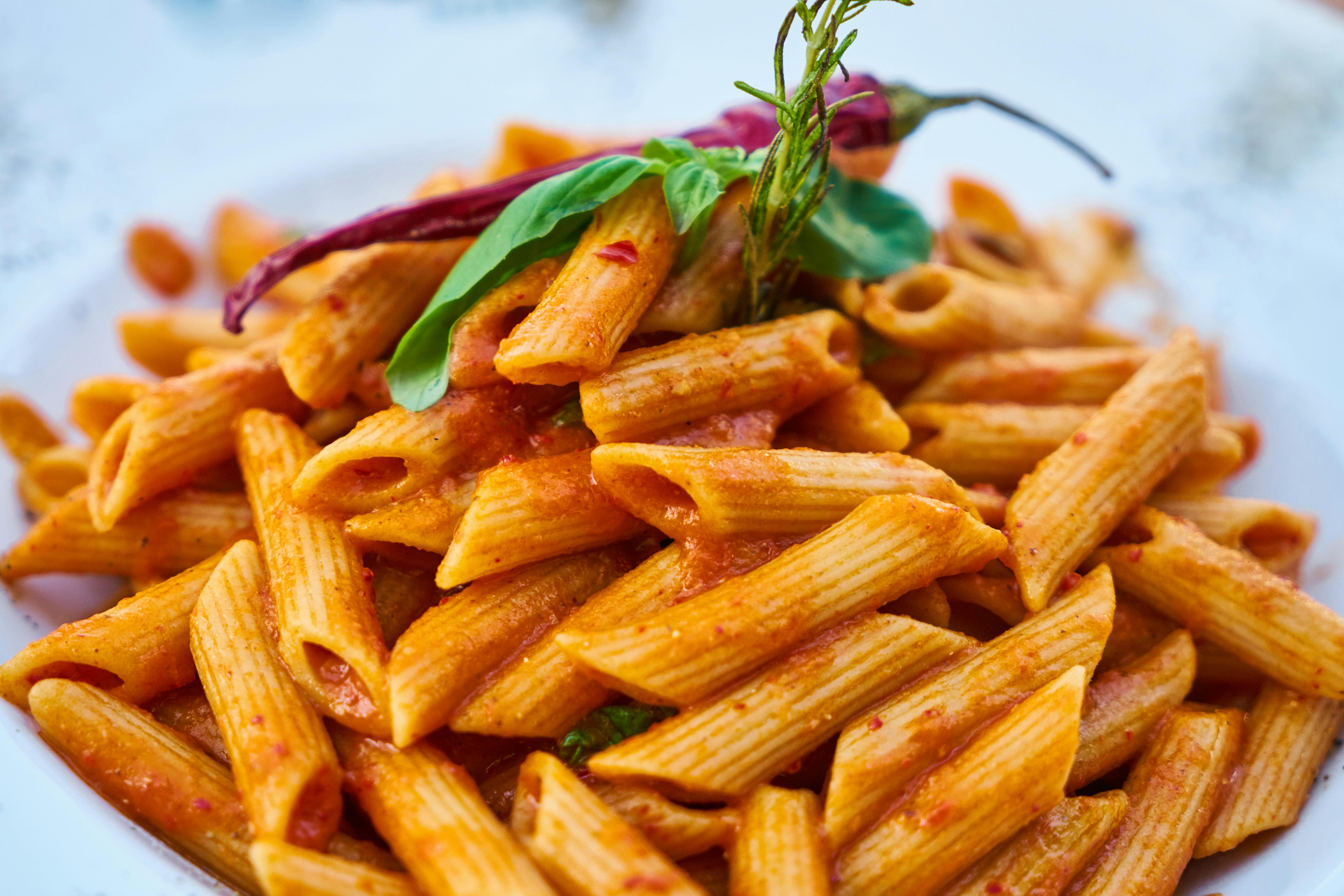
When you’re juggling work, study, and social life, it’s easy to live on instant noodles, fried snacks, sugary drinks, and late-night takeaways. But diets high in ultra-processed foods and low in fibre are consistently linked to higher cancer risk, especially colorectal and some digestive cancers.
Why this matters for cancer risk
- Processed meats (like bacon, sausages, some deli meats) are classified by the IARC as Group 1 carcinogens for colorectal cancer.
- High intake of sugary and ultra-processed foods often leads to weight gain and visceral fat, which are linked to cancers of the breast (post-menopausal), colon, endometrium, and others.
- Low-fibre diets negatively affect the gut microbiome and bowel health, which is important for colorectal cancer prevention.
Simple upgrades you can make this month
- Follow the “half-plate plants” rule: At lunch or dinner, aim for half your plate to be vegetables, fruits, or salads.
- Swap 1–2 processed items daily:
- Chips → nuts or roasted chickpeas
- White bread → whole grain or millet-based breads
- Sugary soda → water, lemon water, or unsweetened tea
- Keep “default” healthy snacks at arm’s reach: Fruits, yogurt, nuts, and cut vegetables reduce last-minute junk choices.
- Batch cook once or twice a week: Preparing simple curries, lentils, or stir-fries makes it easier to skip fast food.
3. Sedentary Lifestyle And “All-Or-Nothing” Exercise Thinking
Long hours at a desk, streaming shows late into the night, and long commutes can quietly turn your 20s into a mostly sitting decade. Physical inactivity is a major modifiable risk factor for several cancers, including breast and colon cancer.

How sitting too much impacts cancer risk
- Inactivity can contribute to weight gain, insulin resistance, and chronic inflammation, all linked to higher cancer risk.
- Observational studies associate regular moderate activity with lower risk of colon, breast, and endometrial cancers.
What actually works in real life
- Follow the “150 plus” guideline: Aim for at least 150 minutes of moderate-intensity activity (like brisk walking) per week, plus 2 strength sessions.
- Break up sitting time: Stand, stretch, or walk for 2–3 minutes every 30–60 minutes of sitting.
- Use “habit stacking”: Walk during phone calls, do squats while waiting for coffee, or stretch while watching a show.
- Focus on consistency over intensity: A 20-minute walk most days beats a single high-intensity workout followed by inactivity.
4. Heavy Or Regular Drinking And Binge Patterns
Alcohol is deeply woven into social life for many people in their 20s—celebrations, stress relief, or just “weekend fun.” But alcohol is classified as a Group 1 carcinogen by the IARC, meaning there is strong evidence it can cause cancer in humans.
Cancers linked to alcohol
- Mouth, throat, and voice box (larynx)
- Esophagus
- Liver
- Colorectal
- Breast (even with low to moderate intake)
“The risk of cancer increases with the amount of alcohol consumed, and even low levels of consumption can increase risk for some cancers.”
— Based on evidence reviewed by the International Agency for Research on Cancer (IARC)
Harm-reduction steps for your 20s
- Know your numbers: Many guidelines recommend no more than 1 drink per day for women and 2 for men, with several alcohol-free days per week—and some now suggest “the less, the better.”
- Avoid binge drinking: Consuming several drinks in one session spikes short-term harms and may contribute to long-term risk.
- Alternate and pace: Alternate alcoholic drinks with water or soda, and avoid drinking on an empty stomach.
- Experiment with alcohol-free meetups: Try coffee catch-ups, hikes, game nights, or mocktail evenings.
5. Ignoring Sleep, Stress, And Routine Check-Ups
Hustle culture often celebrates minimal sleep, constant busyness, and “I’ll get checked when something is really wrong.” Over years, chronic stress, sleep deprivation, and skipped screenings can indirectly raise cancer risk.

How these habits affect long-term risk
- Chronic sleep loss and circadian disruption (like frequent night shifts) are linked to metabolic changes, immune dysfunction, and possible increased risk of some cancers.
- Unmanaged stress can contribute to unhealthy coping behaviors—smoking, drinking, overeating—which in turn raise risk.
- Skipping check-ups may delay diagnosis of treatable conditions (like precancerous cervical changes, colon polyps, or chronic infections).
Small changes that add up
- Protect a sleep window: Aim for 7–9 hours most nights. Keep a regular sleep-wake schedule when you can.
- Create a wind-down routine: 20–30 minutes of screen-free time, dim lights, reading, stretching, or breathing exercises.
- Build a stress “toolbox”: Short walks, journaling, talking with friends, yoga, or mindfulness apps.
- Stay up to date with preventive care:
- HPV vaccination if eligible
- Cervical screening (Pap/HPV tests) as recommended
- Clinical breast exams and testicular self-awareness
- Routine health checks for blood pressure, glucose, and weight
Pulling It Together: A Practical Cancer-Prevention Plan For Your 20s
You don’t have to change everything overnight. Focus on one or two habits at a time and build from there. Here’s a simple way to start:

A 4-week starter roadmap
- Week 1: Commit to no cigarettes or vapes. Tell a friend and remove tobacco/vape products from your space.
- Week 2: Add a 20–30 minute brisk walk at least 4 days this week. Set reminders to stand or move every hour.
- Week 3: Make half your dinners home-cooked, with vegetables or pulses. Cut one ultra-processed snack per day.
- Week 4: Protect a consistent sleep window and schedule a basic health check-up if it’s been more than a year.
Your 20s Are A Powerful Window—Use Them Well
Even if cancer feels far away, every cigarette not smoked, every walk you take, every vegetable you add to your plate, and every extra hour of sleep is a quiet investment in your future self.
You don’t need perfection to make a real difference. You just need to start.
Today, choose one action:
- Tell a friend you’re done with “social smoking.”
- Go for a 15–20 minute walk after reading this.
- Plan a simple, home-cooked dinner with at least one vegetable.
- Set a bedtime alarm for tonight.
If you’re unsure how these habits apply to your personal situation or family history, consider discussing them with your doctor or a qualified healthcare professional. Prevention is a partnership—and you’re the most important partner.
