
Texas winter stomach bug surge: what to know about the highly contagious norovirus wave
Texas is seeing a spike in a highly contagious winter stomach virus at the same time cases climb across the United States. For many people, this looks like a sudden, miserable bout of vomiting and diarrhea that seems to sweep through households, schools, and nursing homes almost overnight. If you’ve heard the word “norovirus” more than usual this season—or you’ve just had a rough 48 hours in the bathroom—you’re not alone.
The goal of this guide is to help you understand what’s going on with this winter virus surge, what’s known from current evidence, and what you can realistically do to protect yourself, your family, and your community.

What’s driving the highly contagious winter virus spike in Texas?
Each winter, several viral illnesses surge—respiratory infections like flu, RSV, COVID-19, and also gastrointestinal viruses like norovirus. This year, reports from Texas match a broader U.S. trend: more people are getting hit with a “stomach bug” that comes on suddenly and spreads quickly through families, schools, and care facilities.
Norovirus is the leading cause of acute gastroenteritis outbreaks worldwide. It’s extremely contagious, can survive on surfaces for days, and only a tiny amount of virus is enough to make someone sick. That combination makes it perfect for winter spread when more people are indoors and in close contact.
“Norovirus is sometimes called the ‘perfect human pathogen.’ It requires very few particles to infect, spreads easily, and survives well in the environment.”
— Adapted from Centers for Disease Control and Prevention (CDC) guidance on norovirus
While most healthy adults recover within a couple of days, norovirus can be serious for young children, older adults, and people with weakened immune systems because of the risk of dehydration.
Norovirus symptoms: how to tell if it’s the winter stomach bug
Norovirus symptoms usually appear quickly—often 12 to 48 hours after exposure—and hit hard. They also tend to resolve within 1 to 3 days for otherwise healthy people.
Common symptoms of norovirus
- Sudden onset of nausea
- Vomiting (often forceful and repeated)
- Watery, non-bloody diarrhea
- Stomach cramping or pain
- Low-grade fever, chills, or body aches
- Headache and fatigue
Important: Blood in stool, severe abdominal pain, or symptoms lasting more than a few days are not typical of simple norovirus and should prompt medical evaluation.
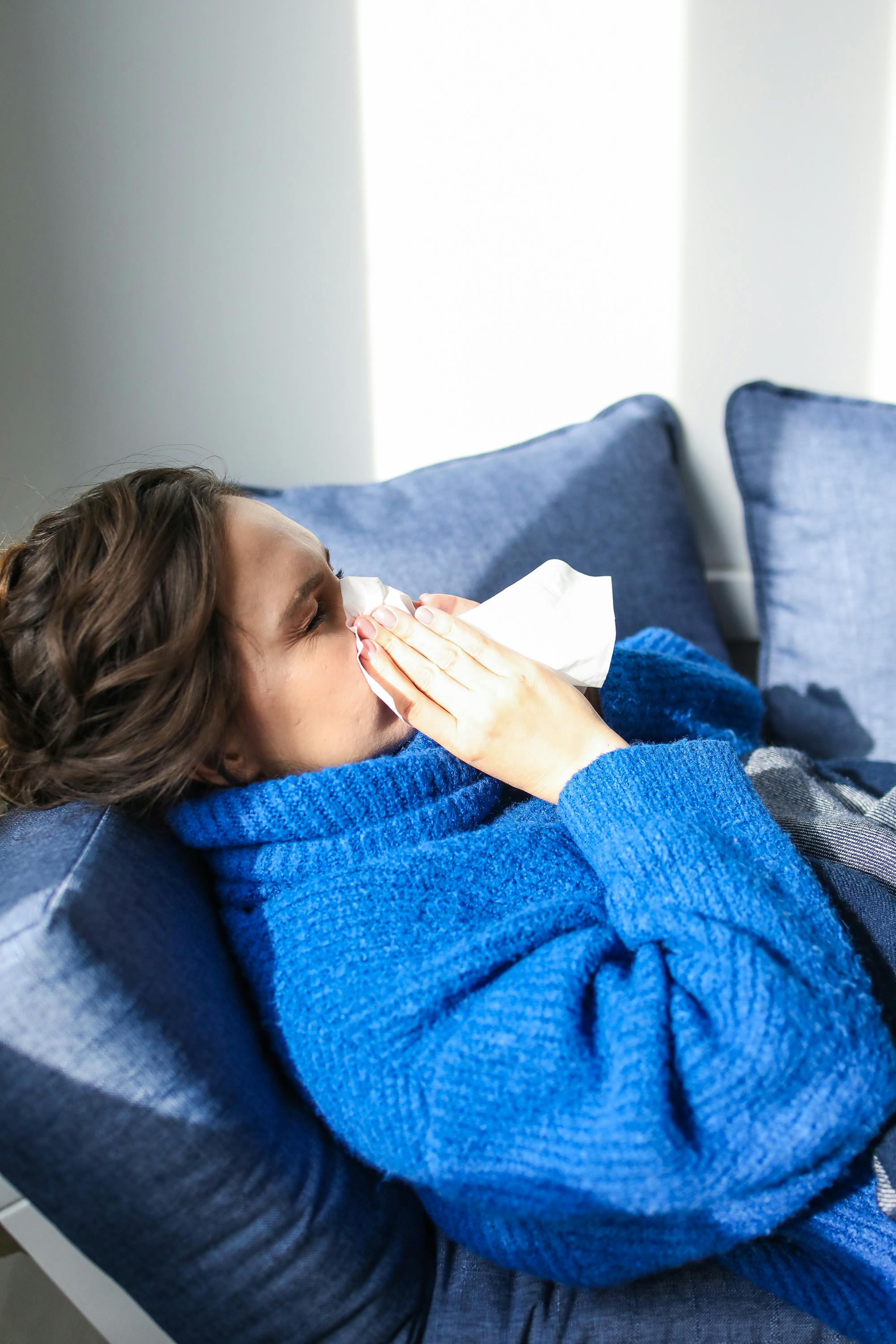
How norovirus spreads so quickly in winter
Norovirus is highly contagious. The virus spreads most commonly through:
- Person-to-person contact
Shaking hands, caring for someone who’s sick, or being in close contact with a person who is vomiting. - Contaminated food and water
Eating food handled by someone infected with norovirus, or consuming contaminated shellfish and produce. - Contaminated surfaces
Touching doorknobs, railings, bathroom fixtures, or countertops with virus particles, then touching your mouth. - Airborne droplets during vomiting
Tiny droplets can land on surfaces or be inhaled and swallowed.
You’re most contagious:
- While you have symptoms (vomiting, diarrhea), and
- For at least 1–2 days after you start feeling better.
Practical prevention: how to protect yourself and your family in Texas right now
Completely avoiding norovirus during a community surge can be difficult, especially if you have school-aged kids or work in healthcare, food service, or childcare. But you can significantly lower your risk and limit spread with a few focused habits.
1. Handwashing that actually works against norovirus
Alcohol-based hand sanitizers are helpful for many germs, but norovirus is tough. The most reliable defense is thorough handwashing with soap and water.
- Wash for at least 20 seconds (hum “Happy Birthday” twice).
- Scrub palms, backs of hands, between fingers, and under nails.
- Rinse well and dry with a clean towel or air dryer.
- Prioritize handwashing:
- After using the bathroom or changing diapers
- Before eating, cooking, or preparing food
- After caring for someone who is sick or handling their laundry
2. Safer food handling during a norovirus surge
Food-borne outbreaks are a major driver of norovirus. Pay extra attention to:
- Staying home from food prep if sick — Do not prepare food for others while you have symptoms and for at least 2 days after they stop.
- Rinsing produce thoroughly under clean, running water.
- Cooking shellfish thoroughly – norovirus can survive undercooked shellfish.
- Cleaning kitchen surfaces often, especially before cooking and eating.
3. Smart precautions in schools, workplaces, and public spaces
In community settings where you can’t control everyone’s behavior, focus on what you can do:
- Carry a small bottle of hand sanitizer for times when soap and water aren’t available (still wash with soap when you can).
- Avoid touching your mouth, nose, or face with unwashed hands.
- If you supervise kids, encourage regular bathroom breaks + handwashing.
- If you manage a workplace, ensure bathrooms are stocked with soap, paper towels, and trash bins, and frequently clean high-touch surfaces.

Cleaning up safely after vomiting or diarrhea
Norovirus can linger on surfaces and in tiny droplets after someone vomits. Cleaning correctly is critical to prevent the rest of the household from getting sick.
Step-by-step cleanup guide
- Protect yourself
Put on disposable gloves if available. Avoid touching your face during cleanup. - Contain the mess
Use disposable towels to gently cover and remove vomit or stool. Avoid sweeping or vacuuming dry particles, which can spread virus into the air. - Use the right disinfectant
Use a bleach-based cleaner or a disinfectant labeled effective against norovirus (or "human norovirus" / "norovirus surrogate"). Follow the product’s contact time instructions. - Clean surrounding areas
Disinfect nearby surfaces: floors, toilets, faucets, door handles, light switches, and anything visibly soiled. - Handle laundry carefully
Wash soiled linens and clothing separately on the hottest appropriate water setting, with detergent, and machine dry on high heat when possible. - Finish with handwashing
After removing gloves, wash your hands thoroughly with soap and water.

Caring for yourself or a loved one with norovirus
There is currently no specific antiviral medication for norovirus. Treatment focuses on preventing and managing dehydration while your body clears the virus.
Hydration strategies that actually help
- Take small, frequent sips of fluid rather than large gulps, especially after vomiting.
- Use oral rehydration solutions (ORS) or electrolyte drinks for children, older adults, and anyone vomiting frequently.
- Broths, diluted fruit juice, or sports drinks can help adults if tolerated, but be cautious with very sugary drinks.
- Bland foods like crackers, rice, toast, bananas, and applesauce can be reintroduced slowly once vomiting eases.
Medications: what’s usually safe and what to avoid
- Acetaminophen (paracetamol) can help with fever or aches if you can keep it down and if you have no liver issues. Always follow dosing instructions.
- Avoid aspirin in children and teens due to the risk of Reye’s syndrome.
- Anti-diarrheal medicines (like loperamide) are not routinely recommended, especially for children, or in cases of fever or blood in the stool. They can occasionally make some infections worse. Ask a clinician if you’re unsure.
“For most otherwise healthy adults, norovirus is very unpleasant but short-lived. The main medical concern is dehydration, which is preventable when people can drink and keep down fluids.”
— Family medicine physician, case notes summarized from outpatient practice in a high-incidence winter season
When to seek medical care during this virus surge
Most people with norovirus in Texas and elsewhere will recover at home without needing emergency care. However, certain symptoms should prompt a call to your healthcare provider or an urgent evaluation.
Call a doctor or seek urgent care if:
- You can’t keep any fluids down for more than 12–24 hours.
- You have signs of dehydration:
- Very little or no urine, or very dark urine
- Dizziness, especially when standing
- Dry mouth and cracked lips
- Marked fatigue or confusion
- You have a high fever (for adults, generally 102°F/38.9°C or higher).
- There is blood in vomit or stool.
- Symptoms last more than 3 days without improvement.
Special risk groups
Extra caution is needed for:
- Infants and young children
- Adults over 65
- People with chronic illnesses (like heart, kidney, or immune conditions)
- Pregnant individuals
If someone in these groups shows signs of dehydration or isn’t improving, contact their healthcare provider promptly. During widespread outbreaks, clinics may offer nurse advice lines or telehealth visits to help you decide on the safest next step.
Why Texas is feeling this norovirus wave so intensely
Texas often experiences strong waves of seasonal viruses because of its large population, diverse communities, and extensive travel and tourism. Norovirus thrives in:
- Schools and universities where students share bathrooms, cafeterias, and dorms.
- Long-term care facilities with vulnerable residents in close contact.
- Restaurants, buffets, and catered events if even one food handler is ill or surfaces are contaminated.
Public health departments monitor norovirus and other viral illnesses through outbreak reports from schools, care facilities, and healthcare providers. While exact numbers can vary week to week, Texas’ current spike is consistent with a broader winter increase reported across the U.S.

Common myths about the “stomach flu” and what the science actually says
Norovirus is often called the “stomach flu,” but it’s not actually influenza. Clearing up a few myths can help you make better decisions during a surge.
- Myth: “If I had this once this season, I’m immune.”
Reality: There are many strains of norovirus, and immunity tends to be short-lived. It’s possible to get sick again. - Myth: “Hand sanitizer is enough.”
Reality: Some alcohol-based sanitizers have limited activity against norovirus. Soap and water are more reliable, especially after bathroom use or diaper changes. - Myth: “If I feel better, I can go back to work or school immediately.”
Reality: You can continue shedding virus for days. Public health guidance typically recommends waiting at least 24–48 hours after symptoms stop, especially if you handle food or care for vulnerable people. - Myth: “A ‘detox’ or supplement can flush the virus out faster.”
Reality: No high-quality evidence supports detox products or supplements for norovirus. Hydration and time remain the cornerstones of recovery.
A real-world example: one Texas family’s norovirus playbook
In a Houston-area family of five, norovirus swept through the household over four days. The first child started vomiting late on a Sunday night. Within 36 hours, both siblings and one parent had symptoms.
After the first child got sick, the parents:
- Designated one bathroom as the “sick” bathroom and disinfected it twice a day.
- Put a small trash can lined with disposable bags next to the child’s bed.
- Switched to disposable cups and plates for the sick family members for a few days.
- Kept oral rehydration solutions and ice chips available at all times.
The result? Although four out of five family members still got sick, no one became dehydrated enough to require IV fluids, and the one remaining parent (who handled most of the cleanup while wearing gloves and washing hands frequently) stayed healthy throughout the outbreak.
This is just one anecdote, not a guarantee—but it illustrates how thoughtful planning and consistent hygiene can reduce complications, even when you can’t fully avoid exposure.
Norovirus vs. other winter viruses: quick comparison
During winter in Texas, it’s common to see norovirus circulating alongside flu, COVID-19, and RSV. While only a clinician can make a formal diagnosis, this high-level comparison can help you understand how they differ.
| Feature | Norovirus | Flu (Influenza) | COVID‑19 |
|---|---|---|---|
| Main symptoms | Vomiting, diarrhea, stomach cramps | Fever, body aches, cough, fatigue | Cough, sore throat, congestion, fatigue; sometimes GI symptoms |
| Onset | Very sudden (hours to 1–2 days) | Abrupt over hours | Often gradual over 1–5 days |
| Duration | 1–3 days for most healthy adults | Several days to 2 weeks | Highly variable; can be days to weeks |
| Key concern | Dehydration | Pneumonia, severe respiratory disease | Respiratory and systemic complications |
If you’re unsure which virus you’re dealing with—or if you have overlapping GI and respiratory symptoms—consider reaching out to a healthcare provider, especially if you’re in a higher-risk group.
Moving through this winter virus surge with confidence, not fear
A spike in a highly contagious winter virus like norovirus can feel unsettling, especially when it seems like “everyone is getting it.” While we can’t completely eliminate risk, we can stack the odds in our favor.
- Understand how norovirus spreads and what its symptoms look like.
- Prioritize soap-and-water handwashing, especially after bathroom use and before eating.
- Stay home and avoid preparing food for others when you’re sick and for 1–2 days after.
- Disinfect surfaces effectively, especially after vomiting or diarrhea incidents.
- Watch closely for signs of dehydration, particularly in young children and older adults.
You don’t need to live in constant worry, but this is a good moment to tighten up basic hygiene habits at home, school, and work. Those simple steps—done consistently—are what turn a scary-sounding “highly contagious winter virus surge” into a manageable, temporary challenge.
If you’re currently caring for someone who’s sick, or you’re recovering yourself, give your body time to rest. Hydrate, ease back into normal meals, and resume regular activities gradually. If anything doesn’t feel right, or you fall into a higher-risk group, don’t hesitate to reach out to a clinician or local health service for guidance.
Action step for today: choose one specific habit—better handwashing, improved bathroom cleaning, or a clear “stay-home-when-sick” rule for your household—and put it in place before the next wave hits.
