
Your Couch Has Commitment Issues: Hilariously Easy Ways to Upgrade Your Home’s Style Without a Full Renovation
If your home could talk, would it say “curated sanctuary” or “I was decorated entirely by panic and leftover IKEA parts”? Today we’re treating decor like fashion: playful, personal, and absolutely allowed to break a few rules. Think of your space as an outfit you live in—one that can be tailored, accessorized, and trend-updated without demolishing a single wall.
We’ll flirt with 2025’s biggest Home decor trends—quiet luxury neutrals, dopamine color pops, AI-assisted planning (yes, even your sofa has gone digital now), and the ongoing love affair with texture, vintage, and moody lighting. And like a great stylist, we’ll keep it practical: simple moves, real-life budgets, and advice that works whether you rent a studio or own a castle with suspiciously many guest rooms.
Dress Your Home Like You Dress Yourself
Before you buy another “Live, Laugh, Love” sign (you’ve lived, you’ve laughed, you’ve… bought enough), borrow a fashion rule: start with personal style. In closets and in rooms, the chaos usually comes from trying to copy six different aesthetics at once.
Ask yourself the same questions you’d ask about your wardrobe:
- What’s my vibe? Cozy minimalist? Maximalist but make it organized? Urban plant jungle? Bookish cave of wonders?
- What colors do I actually wear? Your closet is a mood board you already made. If you wear earthy tones daily, neon furniture will feel like a personality crisis.
- How do I spend time at home? Do you host, work, binge-watch, craft, or all of the above? Function is your first accessory.
Styling tip: If your favorite outfit is jeans + white tee + great jewelry, your decor formula might be neutral base + simple furniture + bold art and accessories.
2025’s Color Mood: Quiet Base, Loud Personality
Color trends right now are basically saying: “Yes, we love calm… but we also love fun.” Think quiet luxury neutrals with dopamine bursts of color.
Here’s the current palette gossip:
- Warm neutrals: Greige, latte, mushroom, and soft sand tones are everywhere—walls, sofas, large rugs. They’re your favorite jeans: reliable, flattering, and go with everything.
- Soft greens & earthy olives: Calm, biophilic, and perfect for people who want a “I journal and water plants on Sundays” energy, whether or not it’s true.
- Bold accent colors: Electric blue, saffron yellow, and lipstick red are sneaking into cushions, art, lamps, and side chairs. They’re the statement earrings of your living room.
Instead of repainting every wall, use this fashion-style formula:
- Base (70%) – Walls, big furniture, large rugs in warm neutrals.
- Supporting (20%) – Wood, black details, soft greens or earthy tones.
- Pop (10%) – Cushions, throws, art, candles, side tables in your bright color of choice.
The best part? If you tire of a color crush, you only swap that 10%—like changing your lipstick, not your entire face.
Your New Design Assistant: Reasoning AI in the Living Room
The hottest tech trend right now is reasoning-focused AI models—“o3-class” and friends—that don’t just chat, but actually plan, problem-solve, and juggle multi-step decisions. Translation: the robots can now help you figure out if the sofa will fit before you sacrifice yet another weekend to assembling the wrong thing.
Here’s how to treat these models like a clever interior stylist:
- Space planning. Give the AI your room dimensions, door and window placements, and furniture sizes. Ask it for multiple layout options: “I work from home, host friends monthly, and need a reading nook. Suggest three layouts and explain the pros and cons of each.”
- Budget building. Explain your budget and must-haves. Have the AI break it into categories: sofa, rug, lighting, storage, decor. Let it propose a spending plan and ask, “Where can I save without looking cheap?”
- Decision sanity-check. Stuck between three rugs? Ask AI to reason through each option against your existing colors, lifestyle (pets, kids, red-wine-spills), and lighting.
- Shopping lists. Once you like a direction, have the AI generate a detailed checklist: “What do I need to make my living room feel cohesive, layered, and finished?” Then you can shop slowly, not chaotically.
Think of reasoning AI as the friend who can do layout math and read reviews obsessively, while you focus on the fun stuff like “Is this lamp giving main-character energy?”
Texture: The Jewelry of Your Rooms
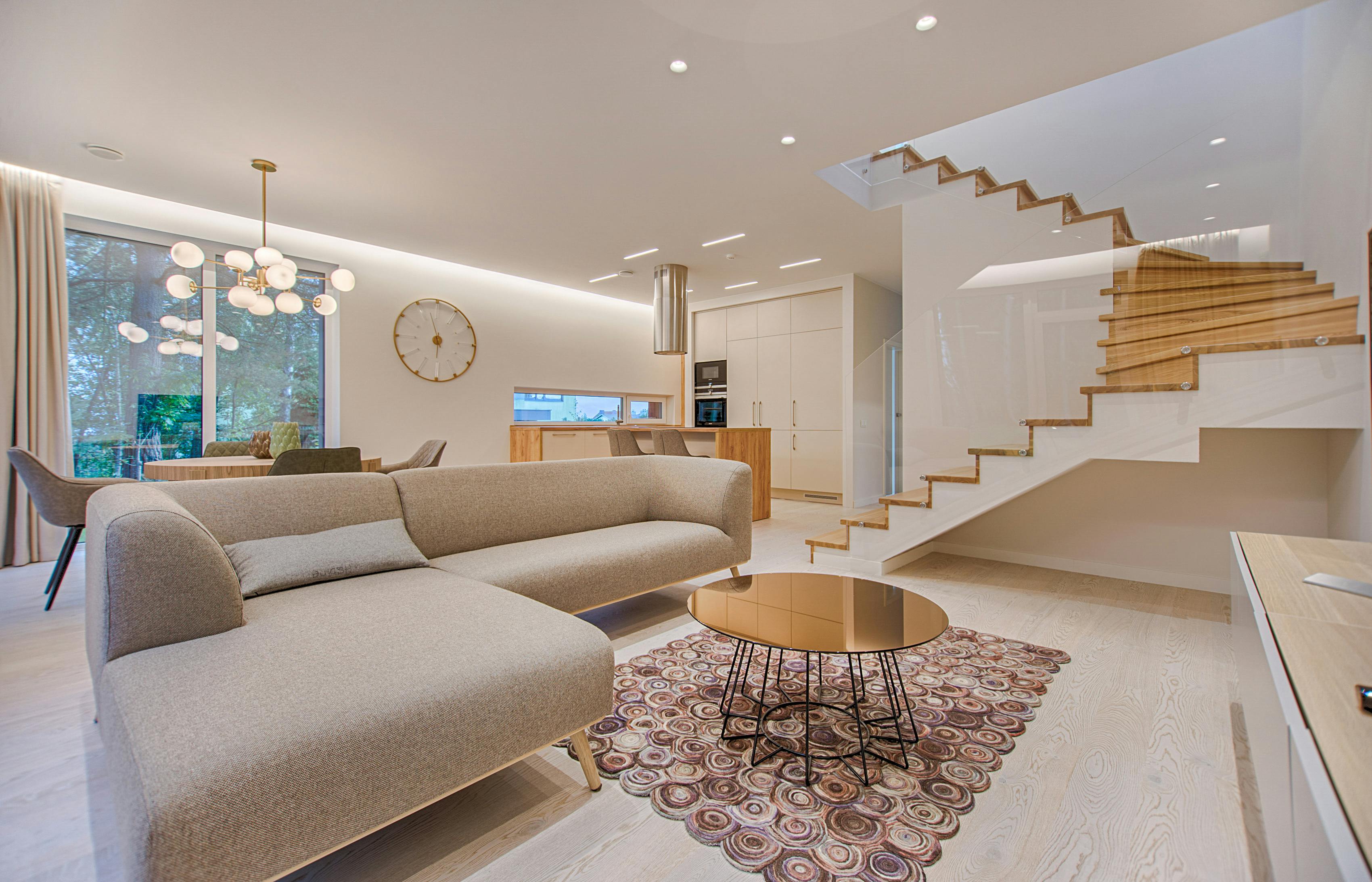
Fashion people know: even a plain outfit looks intentional with layered textures. Same at home. The 2025 decor mood is all about tactile everything: bouclé chairs, chunky knits, stone tables, woven baskets, ribbed glass, and natural wood.
Use this “texture styling checklist” in each room:
- Soft: a throw blanket, velvet or linen cushions, a plush rug.
- Natural: wood accents, rattan baskets, woven trays, jute or sisal.
- Cool & smooth: metal accents, glass, or ceramic pieces.
- Organic & imperfect: handmade pottery, crinkled linen, stone objects.
If everything you own is flat and smooth, your room will feel like it’s still loading. Add a chunky knit throw or a textured lamp base and suddenly—boom—visually rich, like upgrading from basic tee to tee + blazer + necklace.
Lighting: Your Home’s Instagram Filter
Lighting can make your home feel like a boutique hotel or a sad waiting room. Current trends are leaning into warm, layered, soft light—no more interrogation-room ceiling glare, please.
Follow the “three-light rule” per room:
- Overhead – Keep it dimmable if possible, with a warm-toned bulb.
- Task – A desk lamp, reading light, or kitchen counter strip light.
- Ambient/accent – Floor lamps, table lamps, wall sconces, or even LED candles.
Choose bulbs around 2700–3000K (warm white) for living spaces. Cooler light makes your home feel like a spreadsheet; warm light makes it feel like a hug.
Pro move: Put at least one lamp on a smart plug. One tap and your living room goes from “I just got home” to “welcome to my chic, softly lit lair.”
Decor Capsules: Outfit Repeating, But for Rooms
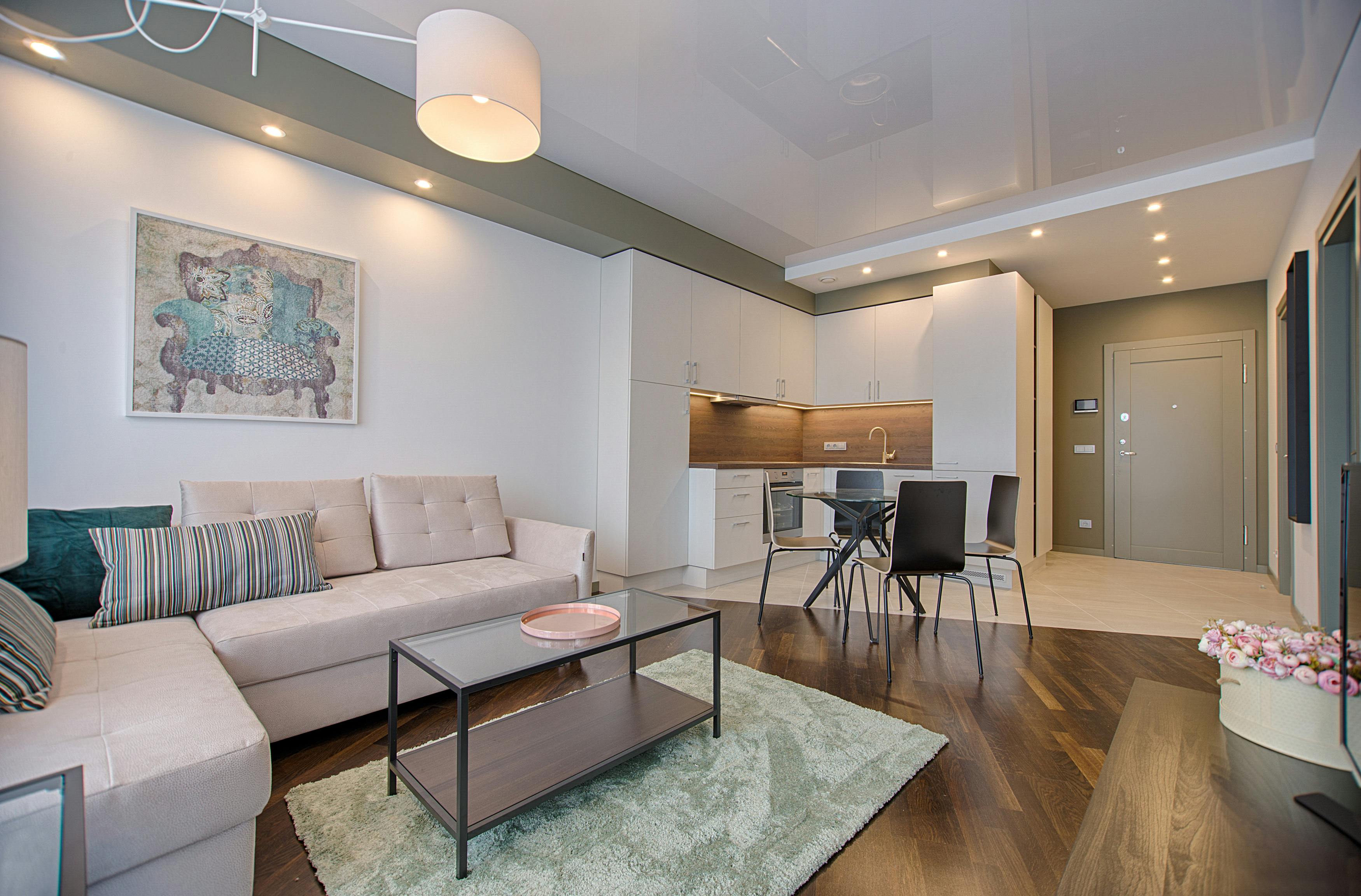
Capsule wardrobes are still having their moment, and decor is catching up. Instead of aimlessly buying one-off pieces, build capsules for each area: mini sets of items that always look good together.
Example: Coffee table capsule
- 1 tray (anchors everything)
- 1 stack of books (style + height)
- 1 small plant or vase
- 1 candle or sculptural object
Example: Sofa styling capsule
- 2–3 cushions in a coordinated color story
- 1 throw blanket in a contrasting texture
- Side table with a lamp and a small object
Once you have capsules, you can rotate them room-to-room the way you remix outfits. Your space feels fresh without needing a shopping spree every time your algorithm suggests a beige candle in a new shape.
Art & Objects: Stop Decorating, Start Storytelling
Trends in 2025 are moving away from generic decor and toward deeply personal pieces: travel photos, handmade ceramics, secondhand finds, even framed concert tickets. Your home shouldn’t look like a hotel lobby with better throw pillows—it should look like you.
Use this fashion-inspired rule:
- One “anchor” piece – A larger print, mirror, or statement artwork.
- One personal piece – Photo, memento, inherited piece, or DIY art.
- One unexpected thing – A quirky object, bold color, or unusual material.
Together, they say: “Yes, I have taste. Also, I have a life.” That mix is what makes homes in design magazines feel so magnetic: not perfection, but personality.
Small Spaces & Rentals: Style Within the Rules
If you rent or live small, the rules just get more creative, not more boring. Think of it like dressing with a strict office dress code: limitations can actually sharpen your style.
Try these renter-friendly upgrades:
- Peel-and-stick everything: Wallpaper, backsplash, even floor tiles. They’re the temporary tattoos of the decor world.
- Big art, not big furniture: Large-scale art or mirrors add drama without stealing floor space.
- Multi-tasking pieces: Storage ottomans, nesting tables, sofa-beds. Form and function is the current trend power couple.
- Vertical styling: Tall bookshelves, wall hooks, over-door racks. When floor space is shy, walls can be extroverts.
Use reasoning AI to map out storage zones and furniture sizes before you buy. Treat it like a Tetris coach that refuses to let you impulse-buy a dining table that seats eight for your 400-square-foot apartment.
Slow Decor: Buy Less, Style Smarter
Just like slow fashion, slow decor is trending: fewer, better things, mixing new with vintage, and resisting the urge to redecorate every time a new micro-trend slides into your feed.
To keep your space stylish and kind to your wallet (and the planet):
- Hunt vintage or secondhand for wood furniture, mirrors, and lighting.
- Invest in quality basics: sofa, mattress, main rug. Treat them like your wardrobe staples.
- Refresh with low-cost, high-impact items: cushion covers, lampshades, plant pots, art prints.
- Let AI help you create a “forever pieces” list based on your style goals and floor plan, so every purchase has a role.
The chicest homes in 2025 don’t look brand-new—they look collected. Like a great closet, built over time.
Your Home, But Make It Main Character
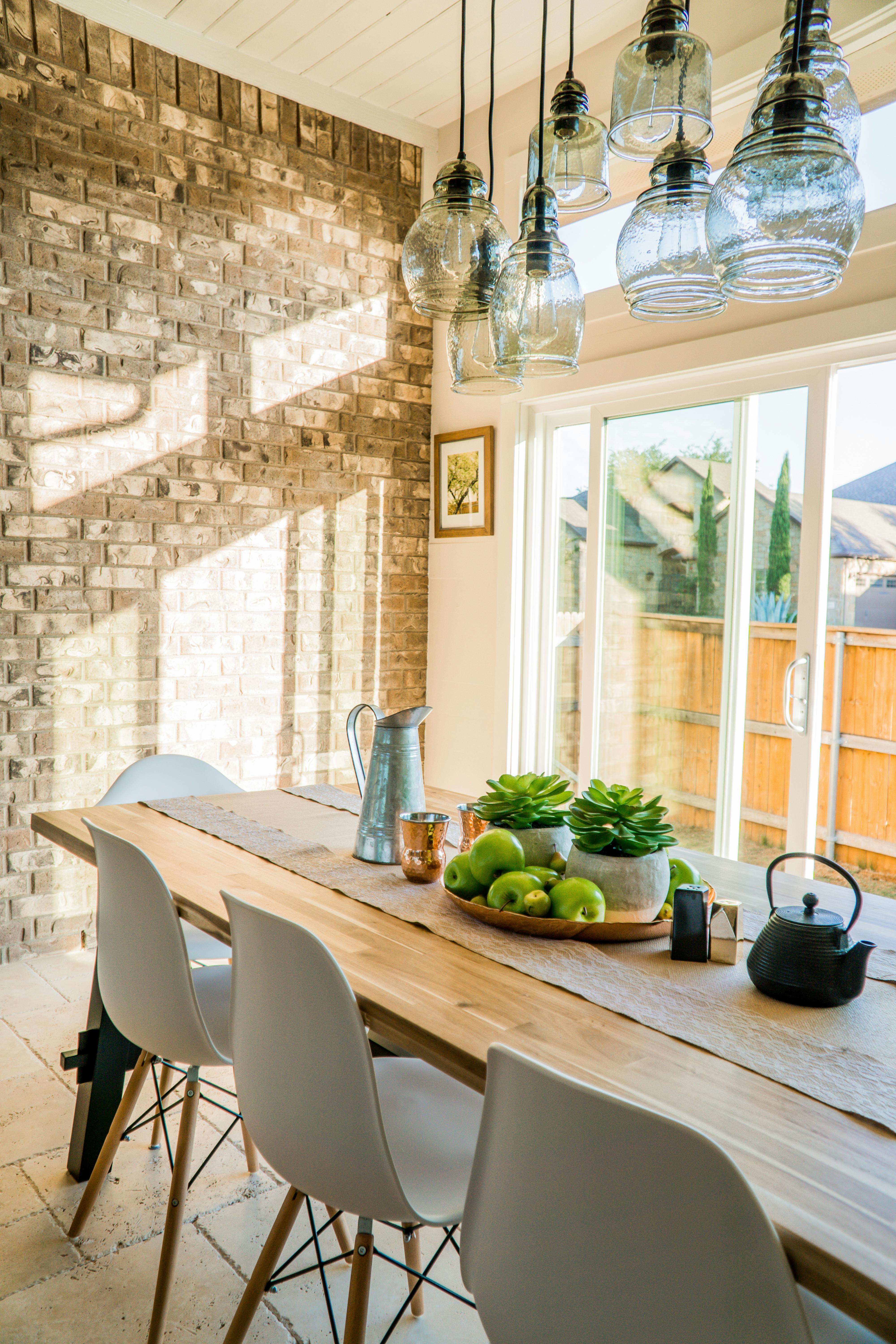
Think of your home as your most-worn outfit: it should fit your life, flatter your personality, and make you feel a little more confident every time you walk in. Use trends as seasoning, not a script; let reasoning AI do the heavy planning; and layer color, texture, lighting, and personal pieces the way you’d build a great look.
You don’t need a renovation or a designer on speed-dial. You just need a clear vibe, a smart plan, and a willingness to treat your Home the way you’d treat your favorite wardrobe: edited, expressive, and a little bit daring. Now go fluff that throw, rearrange that art, and give your living room the glow-up it’s clearly been hinting at.
