
From Cozy Games to Cozy Homes: Turn Your House into the Chillest Base on the Block
Somewhere between binge‑watching streamers build mega‑factories and wondering why your own living room looks like a tutorial level, a thought may have popped into your head: “Why does my favorite cozy survival game feel more relaxing than my actual house?” If your virtual potato farm is more organized than your kitchen pantry, this blog is your sign to bring that cozy‑automation energy home.
Today we’re turning your space into a real‑life “cozy survival base” with just enough automation to make your home feel self‑running, and just enough style to make your Instagram followers politely furious with envy. Think of this as your IRL tech tree for decor: start with shelter and storage, unlock mood lighting, then progress to soft‑furnishing world domination.
1. Set Your Spawn Point: Define Your Home’s “Biome”
Every great cozy survival game starts with a vibe: misty forest, sunny meadow, moody alien planet. Your home needs the same clear “biome” so decorating stops feeling random and starts feeling intentional.
Pick your biome (aka style mood):
- Soft Forest Base: Mossy greens, warm woods, linen, candles, leafy plants.
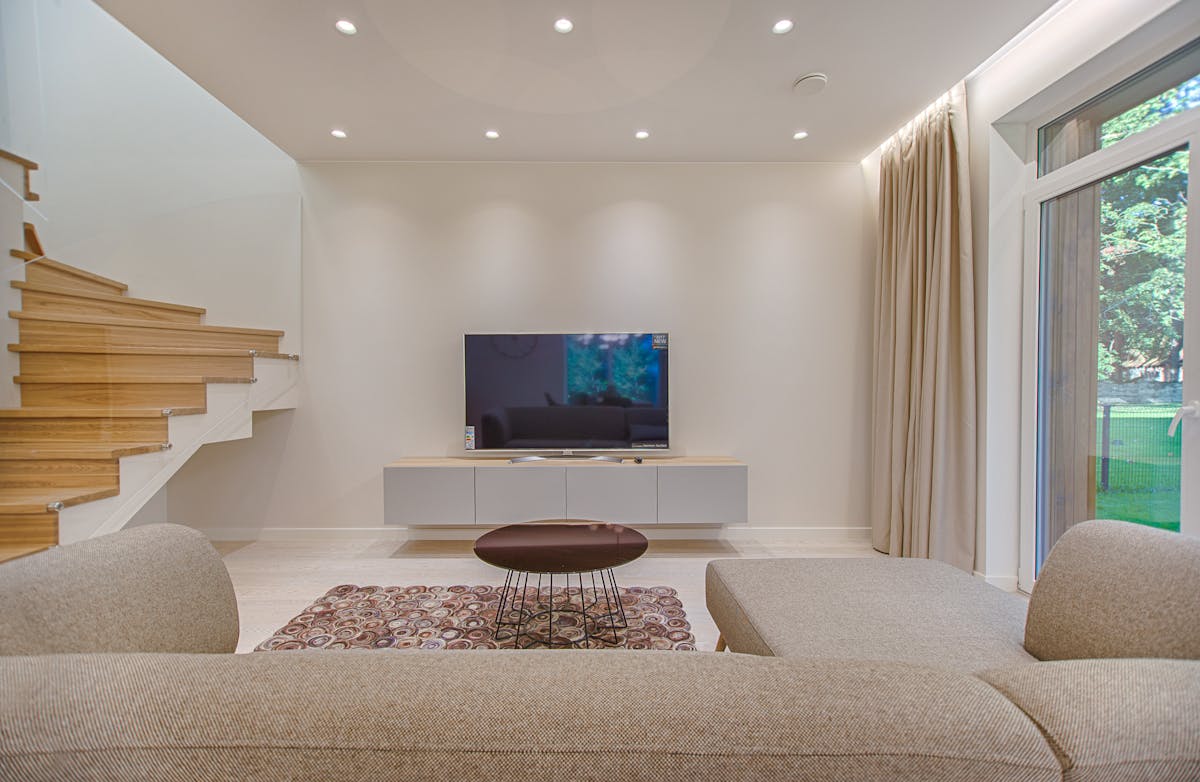
- Sunny Tech Outpost: Clean lines, white walls, blonde wood, pops of citrus color.
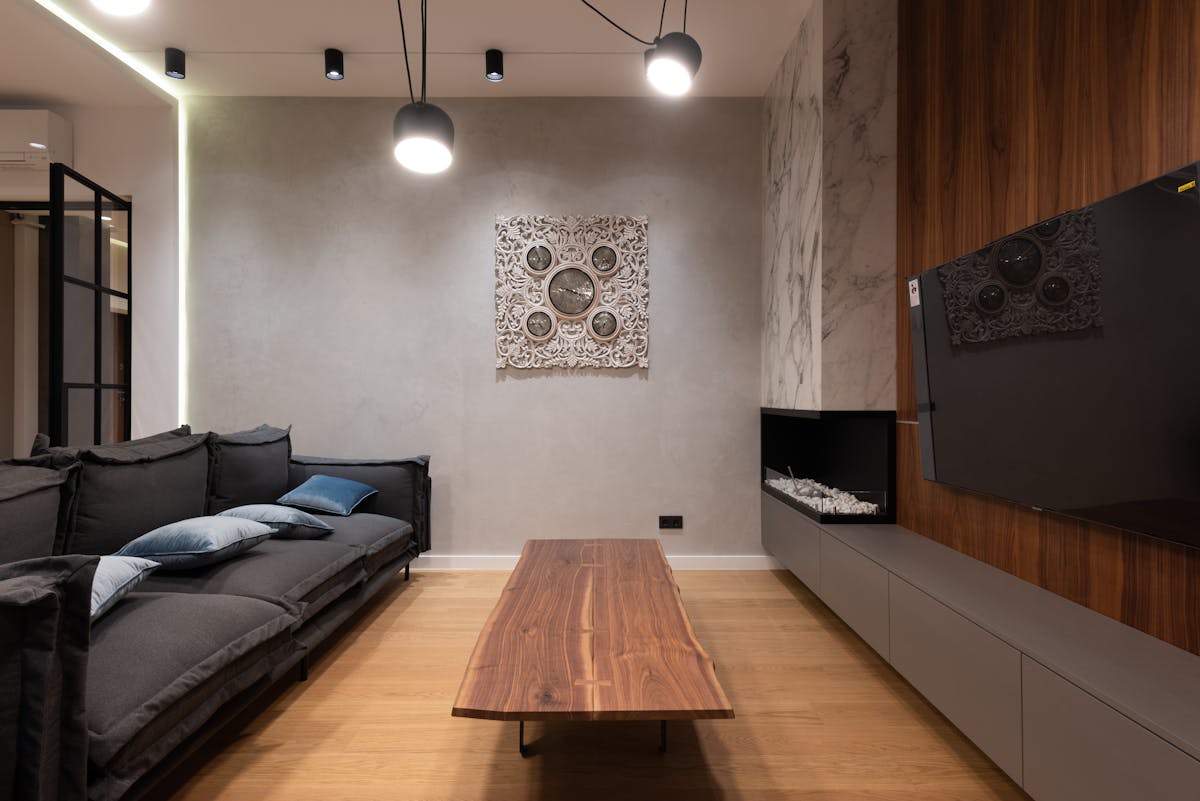
- Industrial Factory‑Core: Charcoal, metal accents, exposed texture, warm lighting so it doesn’t feel like a warehouse rental.
- Cloud Cottage: Very light palette, squishy furniture, boucle, fuzzy throws, cloud‑like curtains.
Choose 2–3 core colors and 1 accent color. Use the core colors for big pieces (sofa, rug, curtains), and the accent color like hot sauce: sparingly but confidently—throw pillows, art, vases, a cheeky lamp. This keeps your space cohesive even as you add “loot” over time.
2. Inventory Management: Outsmart Clutter Like a Pro Gamer
In games, your backpack has limits. In real life, your cabinets do too—although your junk drawer keeps pretending it’s bottomless DLC. Time to build better “chests.”
Think in zones, not rooms.
- Drop Zone (by the door): Hooks, a tray for keys, a small bowl for “pocket loot,” and a shoe rack. This stops your entryway from turning into a boss fight.
- Crafting Zone (desk / dining table): A caddy or rolling cart for stationery, cables, notebooks, and chargers so the table can reset to zero in 30 seconds.
- Relax Zone (sofa area): Basket for blankets, small box for remotes, magazines, and random “I’ll put this away later” objects.
Upgrade your “storage chests” with style:
- Under‑sofa bins for board games or extra cushions.
- Ottomans with storage for throws, controllers, and “ugly but necessary” stuff.
- Vertical shelves instead of wide ones—treat your walls like your favorite building grid.
Label what you can—yes, even at home. A tiny label that says “Cables” or “Art Supplies” is the IRL equivalent of hovering your cursor over a chest and knowing exactly what’s inside. Future‑you will want to hug past‑you.
3. Home Automation, But Make It Cozy
Automation games are basically spreadsheets with better graphics. Your home can quietly run itself too—no conveyor belts required, just smart little systems that reduce “micro‑decisions.”
Lighting: your easiest “automation upgrade tree.”
- Smart bulbs or plugs: Set scenes like “Morning,” “Focus,” and “Cozy Base.” Warm light (2700–3000K) in the evening, cooler light (4000K) for working.
- Layer lights: Overhead + floor lamp + table lamp + a tiny accent light (shelf, art, or behind the TV). Different combos = different moods.
Habit‑friendly layouts (soft automation):
- Tea or coffee station with everything in one place: kettle/machine, mugs, spoons, sweetener, tea/beans. One stop, no wandering around like an NPC.
- Charging station where all devices live at night. Less cable chaos, more intentional screen‑down time.
- “Reset baskets” in main rooms: at the end of the day, toss out‑of‑place items in, then walk the basket around the house to redistribute. Quick manual automation loop.
Decor that works for you is the real luxury. A beautiful room that also refills your coffee and untangles your cables is endgame content.
4. Texture Is the New Graphics Setting
Those cozy games seduce us with soft soundtracks and painterly visuals. At home, your “graphics” are texture, light, and sound. Turn them all up to Ultra.
Layer textures like a pro:
- Base layer: Rug that’s soft underfoot and large enough—front legs of your sofa should sit on it, not sulk beside it.
- Comfort layer: Cushions in different fabrics (linen, velvet, boucle) and varied sizes. Think “pillow fort,” but in HD.
- Warm layer: Throws in chunky knits or fleece. One per regular sitter if you’re fancy.
Don’t forget sound and scent:
- Soft background playlist (lo‑fi, piano, gentle game soundtracks).
- Scented candles, diffusers, or simmer pots with one core scent per room so your home doesn’t smell like a confused potion lab.
5. Split Your Base: Work Zone vs. Chill Zone
In games, you don’t store your explosives next to your bedroom. At home, we often mash everything into one chaotic multi‑tool of a room. Let’s fix that with gentle zoning.
If you work from home:
- Visually divide the area: small rug, folding screen, or even a bookcase as a low wall.
- Use different lighting for work (brighter, cooler) and rest (softer, warmer).
- End‑of‑day ritual: close the laptop, put it in a drawer or stand, switch the lighting to “Relax,” and clear the desk. Tiny actions, huge psychological shift.
For small spaces:
- Fold‑down desks or wall‑mounted shelves as workstations.
- Chairs that are comfortable for both typing and Netflix—your throne should be multi‑class.
- Use color cues: cooler tones around your desk, warmer around your sofa or bed.
6. Decorate Like You’re Writing Lore
The best bases in games tell a story: where you’ve been, what you’ve conquered, how many times you forgot to eat. Your home should do the same. Decor isn’t just about looking pretty; it’s about leaving little narrative breadcrumbs.
Three questions to shape your decor story:
- What do you love doing? Reading, gaming, cooking, painting, hosting?
- Who do you love being around? Friends, family, solo‑you, your cat overlord?
- How do you want guests to feel? Energized, soothed, impressed, instantly hungry?
Then translate that into objects:
- Wall shelves displaying books, game boxes, plants, and travel mementos rather than random decor filler.
- A mini gallery wall mixing art prints, postcards, in‑game screenshots, and IRL photos.
- A visible hobby corner: guitar stand, art trolley, or puzzle table. If it’s out, you’ll actually use it.
If your apartment were a game level, could someone guess your character build just by looking around?
7. Co‑op Mode: Make Your Space Guest‑Friendly
Cozy survival games get even better in co‑op, and so does your home. You don’t need a huge place to host—you just need to think like a game designer planning a multiplayer hub.
Seating is king:
- Opt for modular seating: poufs, stools, floor cushions that stack or tuck away.
- Use a coffee table plus side tables instead of one massive altar—everyone needs reachable surfaces for snacks and drinks.
Create simple “party automation”:
- A drink station with glasses, a pitcher of water, and space for bottles or cans.
- Snack drawer or shelf in the kitchen—prepped bowls, napkins, and go‑to easy snacks.
- A games basket with cards, a couple of small board games, and maybe controllers if you’re a couch‑co‑op household.

8. Simple Upgrades with Massive XP Gains
You don’t need a full renovation to feel like you’ve leveled up. Treat your home like a skill tree: small upgrades, big bonuses.
- Change your lamp shades to warmer fabrics or colors for instant mood shift.
- Swap pillow covers, not pillows—much cheaper, huge visual impact.
- Add one large plant instead of many tiny ones for drama without clutter.
- Use removable wall hooks to hang art, fairy lights, or lightweight shelves in rentals.
- Upgrade hardware: cabinet handles, doorknobs, and faucet if possible. Tiny pieces, huge perceived quality jump.
Start with one room, or even one corner. Pretend you spawned there with only a modest starter kit and a dream. What would make this little patch more useful, more beautiful, or more “you” with the least amount of effort and gold?
And remember: your home doesn’t have to look like a showroom to be beautiful. It should look like you—just the “well‑rested, main‑character, cozy‑base” version. Build it one shelf, one lamp, one throw pillow at a time, and soon you’ll realize something wild:
Your favorite place to chill might not be a streamed cozy survival game anymore—it might be your own living room.
