
Why Cottage Cheese Might Be Your Bones’ New Best Friend (No, It’s Not Just About Milk)
The Quiet Bone-Health Hero Sitting in Your Fridge
Many of us grow up hearing that “strong bones need milk.” Then midlife arrives, bone-density scans become part of our vocabulary, and we start to wonder if we’re really doing enough. New reporting, including coverage in The Economic Times and Prevention, is shining a light on a less glamorous, often-overlooked dairy food that may quietly support bone strength at any age: cottage cheese.
Packed with calcium, high-quality protein, magnesium, selenium, and vitamin K, cottage cheese has a nutrient profile that aligns closely with what bones need to stay strong and resilient—especially after 50, when bone loss naturally accelerates. It’s not a magic bullet and it doesn’t replace medication or medical advice, but it can be a practical, affordable part of a bone-friendly way of eating.
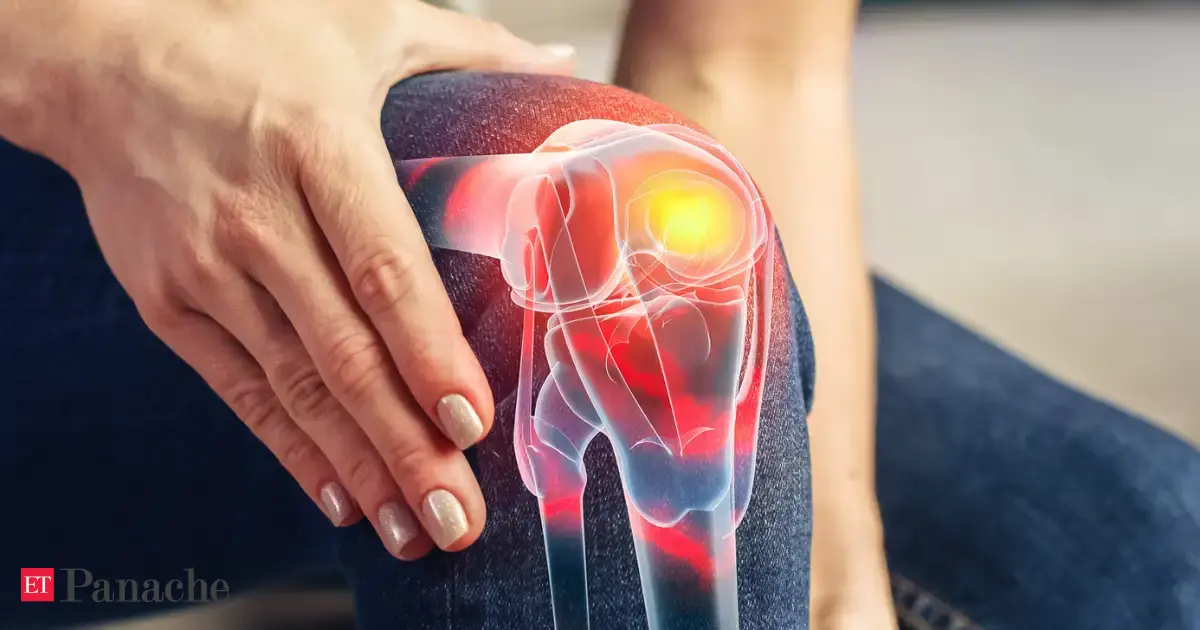
Why Bone Strength Matters More Than We Realize
From our mid-30s onward, we begin to lose bone mass gradually. After menopause, women can lose bone more rapidly due to falling estrogen levels, and men also face increasing risk with age. Osteopenia (low bone density) and osteoporosis (weak, fragile bones) are common—but often silent—until a fracture occurs.
- Worldwide, osteoporosis affects hundreds of millions of people, particularly postmenopausal women.
- Hip and spine fractures can seriously impact independence, mobility, and overall quality of life.
- Nutrition, movement, hormones, medications, and genetics all play a role in bone strength.
Many people assume “I drink some milk, I’m fine.” But research consistently shows that total dietary pattern—including adequate protein, specific minerals, vitamins, and regular weight-bearing exercise—has a much bigger influence than any single food. That’s where nutrient-dense options like cottage cheese can make a meaningful, everyday difference.
Why Experts Are Talking About Cottage Cheese for Bone Health
The recent Economic Times and Prevention coverage highlights cottage cheese as a “surprisingly powerful ally” for bones. It’s not a marketing slogan—it’s about the nutrient combination this simple food offers, especially in older adults who may struggle to meet protein and mineral needs.
“For many of my patients over 50, cottage cheese is an easy way to hit protein targets and get bone-supportive nutrients in one scoop,” notes a registered dietitian specializing in geriatric nutrition. “It’s soft, versatile, and usually well-tolerated.”
Unlike highly processed “functional” products, cottage cheese is a familiar, relatively affordable staple in many cultures. That makes it a realistic choice for long-term use, not just a short-lived “superfood” trend.

The Bone-Building Nutrients in Cottage Cheese
Cottage cheese’s value for bone strength comes from a cluster of nutrients working together—rather than one single “magic” component. Values below are approximate and can vary by brand and fat content.
1. Calcium: The Structural Mineral
Calcium is a primary building block of bones. A typical serving (about ½–1 cup) of cottage cheese often provides:
- Roughly 10–20% of the daily recommended calcium intake.
- A meaningful contribution, especially when combined with other sources like leafy greens, yogurt, or fortified foods.
2. High-Quality Protein: The Scaffolding for Bone and Muscle
Bone is not just mineral; it’s built on a protein matrix. Cottage cheese is rich in complete protein, often providing:
- About 12–25 grams of protein per cup, depending on style and brand.
- Casein, a slow-digesting protein that can support muscle maintenance, especially useful overnight.
Muscle and bone health are closely linked. Stronger muscles help reduce fall risk—a key factor in preventing fractures.
3. Magnesium: Supporting Bone Structure and Vitamin D
Magnesium helps regulate calcium transport and vitamin D metabolism. While cottage cheese isn’t the richest source compared with nuts or seeds, it contributes modestly:
- Magnesium supports the formation of bone crystals and proper muscle function.
- Even moderate amounts from multiple foods add up across the day.
4. Selenium: Antioxidant Support for Bone Cells
Selenium is involved in antioxidant defense systems that help protect bone-forming cells from oxidative stress. Cottage cheese can provide a notable share of daily selenium needs, depending on the product and region.
5. Vitamin K: A Helper in Bone Mineralization
Vitamin K plays a role in activating proteins that bind calcium into bone. While leafy greens are top sources, some cottage cheese products contain small amounts of vitamin K, adding to your daily total.
What the Science Says About Dairy, Protein, and Bone Health
Most large studies and reviews focus on dairy overall and dietary protein rather than cottage cheese alone. Still, their findings help explain why a food like cottage cheese is being highlighted for bone strength.
- Dairy intake and fracture risk: Several meta-analyses suggest that moderate dairy consumption is associated with better bone mineral density, especially in older adults. The impact on fracture risk varies by study, but adequate calcium and protein from foods are consistently encouraged.
- Protein and bone: Contrary to old myths, higher protein intake—when calcium intake is adequate—tends to support bone health and may lower hip fracture risk in older adults.
- Protein plus exercise: Research shows that combining resistance or weight-bearing exercise with sufficient protein is particularly effective at maintaining both muscle and bone mass in aging populations.
Cottage cheese fits squarely in this picture: it’s a protein-rich dairy food that can help you meet those nutritional targets without relying solely on milk.
How to Add Cottage Cheese to Your Routine for Stronger Bones
You don’t need to overhaul your entire diet. For most people who tolerate dairy, simply including cottage cheese a few times per week can support your overall bone-health strategy.
Step-by-Step: Building a Bone-Friendly Snack or Meal
- Choose your cottage cheese: Look for plain, unsweetened varieties. If you’re watching saturated fat, consider low-fat options; if you need more calories or find them more satisfying, full-fat is fine for many people.
- Add a calcium partner: Pair with fruit (like berries or kiwi), or have it alongside leafy greens or a small serving of fortified whole-grain crackers.
- Include healthy fats: A drizzle of olive oil, a sprinkle of nuts or seeds, or some avocado can help with vitamin absorption and satiety.
- Hydrate and move: Enjoy your snack before or after a walk, light strength training, or yoga to combine nutrition with bone-stimulating movement.

Practical Ideas for Any Time of Day
- Breakfast: Cottage cheese bowl with berries, ground flaxseed, and a sprinkle of walnuts.
- Lunch: Whole-grain toast topped with cottage cheese, sliced tomato, and black pepper.
- Snack: A small bowl of cottage cheese with cucumber slices and herbs.
- Evening: Cottage cheese with cinnamon and a few slices of apple as a gentle, protein-rich nighttime snack.
Common Obstacles: Taste, Lactose, and Sodium
Even the healthiest food isn’t helpful if it doesn’t fit your body, preferences, or medical needs. Here are some of the most common concerns people share—and ways to work around them.
“I Don’t Like the Taste or Texture”
- Try different curd sizes (small vs. large curd) or brands; taste and texture vary a lot.
- Blend cottage cheese into smoothies or sauces to create a creamy base without the curds.
- Mix it with yogurt, herbs, or fruit to soften the flavor.
“I’m Lactose Intolerant”
Cottage cheese contains lactose, though generally less than milk. Tolerance varies—some people can enjoy small portions, others cannot.
- Look for lactose-free cottage cheese where available.
- Try very small portions with other food and monitor how you feel.
- If dairy is not an option, focus on other high-protein, calcium-rich foods and fortified plant milks.
“I Have High Blood Pressure—What About the Salt?”
Many cottage cheese products are moderately high in sodium, which is important if you’re managing hypertension.
- Choose “low-sodium” or “no salt added” versions when possible.
- Balance your overall daily salt intake—if you add cottage cheese, reduce salt elsewhere.
- Discuss with your healthcare provider or dietitian if you’re on a strict sodium restriction.
A Real-World Example: Using Cottage Cheese in a Bone-Health Plan
Consider a typical scenario drawn from clinical practice:
A 62-year-old woman with early osteopenia, who rarely ate breakfast and struggled to meet protein needs, worked with a dietitian to make small, sustainable changes. Instead of expecting her to cook elaborate meals, they started by adding:
- ½ cup of cottage cheese with berries most mornings.
- A simple resistance exercise routine twice per week.
- Regular walks and a focus on calcium- and vitamin D–rich foods across the day.
Over the following year, her scans didn’t suddenly “reverse,” but her bone density stabilized instead of declining as quickly as projected, and her strength and confidence improved. Cottage cheese was just one piece of a broader lifestyle plan—but an easy, realistic one she could maintain.
Cottage Cheese vs. Milk and Other Dairy: How Do They Compare?
You don’t have to choose between milk and cottage cheese; they can complement each other. But it helps to understand where cottage cheese stands in relation to other dairy options.
Rough “Before and After” Dietary Swap
Imagine a typical snack of:
- Before: A plain refined-flour biscuit and tea with little or no milk.
- After: ½–1 cup of cottage cheese with fruit or vegetables.
The second option generally offers:
- Significantly more protein.
- More calcium and magnesium.
- Better support for blood sugar and satiety.
In this way, “quiet swaps” that add cottage cheese in place of low-nutrient snacks can shift your daily pattern toward better bone support—without feeling like you’re dieting.

Remember: Cottage Cheese Helps, But It’s Not the Whole Story
It’s tempting to search for a single “miracle” food to protect our bones. In reality, bone health is more like a team sport. Cottage cheese can be a valuable player, but it works best alongside:
- Regular weight-bearing and resistance exercise.
- A varied diet rich in vegetables, fruits, whole grains, nuts, and seeds.
- Enough vitamin D from safe sun exposure, fortified foods, or supplements when necessary (as advised by your doctor).
- Limiting smoking, heavy alcohol use, and highly processed foods.
- Regular checkups and bone-density screening when recommended for your age and risk profile.
There’s solid evidence that these combined strategies are more powerful than any single nutrient or food on its own.
Putting It All Together: A Gentle, Doable Plan for Your Bones
If you’re concerned about bone strength—whether you’re in your 30s and thinking ahead or well past 50 and looking to protect what you have—small, consistent actions matter more than perfection. Cottage cheese is one of those quiet, practical tools: affordable, easy to prepare, and rich in the nutrients your bones and muscles rely on.
You don’t need to love milk or embrace an extreme diet. You simply need to give your body regular building blocks and signals that say, “These bones are worth keeping strong.”
If it feels manageable, try this for the next two weeks:
- Add cottage cheese as a meal or snack 3–5 times per week, in ways you genuinely enjoy.
- Include at least two short sessions of strength training or bodyweight exercises weekly.
- Talk with your healthcare provider about your personal bone-health risks and whether you need testing or supplements.
Your bones are quietly working for you every day. With a few thoughtful choices—including something as simple as a bowl of cottage cheese—you can quietly work for them, too.
Next step: Look in your fridge or shopping list. Is there room to add this underrated bone-health ally into your week?
