
25 Life-Saving Secrets Doctors Wish Everyone Knew (Before It’s Too Late)
Every doctor, nurse, and paramedic has a story that starts with, “If only they’d come in sooner…” or “If someone had called 911 right away, this would have ended differently.” These aren’t dramatic TV moments—they’re the quiet, real-life emergencies that unfold in homes, workplaces, and on sidewalks every single day.
Medical professionals are speaking up more often online—sometimes venting, sometimes pleading—about the “life-saving secrets” they wish everyone knew. They’re not magic tricks, and they don’t replace professional care. They’re simple, practical steps that can mean the difference between life and death while you wait for help or decide whether to seek it at all.

This guide pulls together evidence-based advice and real-world insights from medical professionals—translated into clear, doable actions you can use today. It’s not about blaming anyone; it’s about giving you tools, so you and your family don’t have to be “that person” they talk about in the break room, the one who waited just a little too long.
1. Learn the Red-Flag Symptoms You Should Never Ignore
One of the biggest frustrations healthcare workers share is how many people shrug off serious warning signs. They don’t want to “bother” anyone, or they hope symptoms will just go away. Often, that delay is what turns a treatable problem into a life-threatening emergency.
Red-flag symptoms that need urgent or emergency care
- Sudden chest pain or pressure, especially if it spreads to arm, neck, jaw, or back
- Difficulty breathing, gasping, or inability to speak full sentences
- Sudden weakness, numbness, or drooping on one side of the face or body
- Sudden confusion, trouble speaking, or understanding speech
- Severe headache that feels “like the worst of your life”
- Uncontrolled bleeding that doesn’t stop with pressure
- Seizure, especially a first-time seizure or one lasting more than 5 minutes
- Severe abdominal pain, especially with fever, vomiting, or rigid belly
- Signs of severe allergic reaction: swelling of tongue/lips, difficulty breathing, widespread hives
- Any major trauma: car crash, big fall, head injury with loss of consciousness
“We would so much rather see you ‘too early’ and send you home than see you too late and have nothing left we can do.”
— Emergency physician
2. Stroke and Heart Attack: Time Lost Is Brain (and Heart) Lost
Doctors often say their number one wish is that more people recognized stroke and heart attack symptoms quickly. Modern treatments can open blocked arteries and save tissue—but only if patients arrive in time.

Recognize a stroke: Think F.A.S.T.
- F – Face: Ask the person to smile. Does one side droop?
- A – Arms: Ask them to raise both arms. Does one drift down or feel weak?
- S – Speech: Is speech slurred, strange, or hard to understand?
- T – Time: If you see any of these signs, call emergency services immediately.
Common heart attack warning signs
- Chest discomfort: pressure, squeezing, fullness, or pain lasting more than a few minutes or that goes away and comes back
- Discomfort in arms, back, neck, jaw, or upper stomach
- Shortness of breath
- Cold sweat, nausea, or lightheadedness
Women, older adults, and people with diabetes may have more subtle symptoms—such as fatigue, indigestion, or back pain—so it’s especially important not to ignore new, unusual, or worrisome sensations.
3. Don’t Drive Yourself: When to Call Emergency Services Instead
Another common “life-saving secret” from medical professionals: stop driving seriously ill people to the hospital yourself—especially during strokes, heart attacks, major injuries, or severe breathing problems.
- Ambulances start care immediately. Paramedics can give oxygen, medications, IV fluids, and life-saving treatments before you even reach the hospital.
- They alert the hospital en route. This can activate special teams (like stroke or cardiac teams) and bypass delays in the waiting room.
- They manage crises on the road. If someone stops breathing or their heart stops, they have the equipment and training to respond.
“We’ve had patients pull into the parking lot in full cardiac arrest. If they’d called EMS, they’d have been getting treatment ten minutes sooner.”
— Paramedic
Call emergency services (e.g., 911) instead of driving if:
- You suspect a stroke or heart attack
- Breathing is difficult, fast, or noisy
- The person is very confused, hard to wake, or passes out
- There is severe bleeding, major trauma, or possible broken neck/back
- You would need to drive dangerously fast just to “get there in time”
4. Simple First Aid Skills Everyone Should Know
Basic first aid doesn’t turn you into a doctor—but it can keep someone alive, breathing, and stable until help arrives. Many nurses and paramedics say they wish more people had the confidence to do “something” instead of freezing or doing nothing out of fear.

Hands-only CPR for adults
- Check if the person responds and is breathing normally.
- Call emergency services or have someone else call.
- Place the heel of one hand in the center of the chest, other hand on top.
- Push hard and fast (about 100–120 compressions per minute), allowing the chest to rise fully between pushes.
- Keep going until help takes over or the person shows signs of life.
Stop the bleed: controlling serious bleeding
- Apply firm, direct pressure with your hands, a clean cloth, or clothing.
- Press directly over the wound. Don’t keep lifting the cloth to check.
- If trained and a tourniquet is available, use it for severe limb bleeding that doesn’t stop with pressure.
5. Falls, Mobility, and Respecting Your Limits as a Helper
Many healthcare workers online talk about “the patient who fell and the family member who got hurt trying to lift them.” One viral comment from a nurse captured this well: “My body is not your jungle gym to ruin all because you need help getting up to the bathroom. I am not lifting you up to stand, you are using as much of your own power as you can…”
The point isn’t cruelty—it’s safety. Lifting a fully grown adult, especially after a fall, can seriously injure both of you. There are safer ways to help.
If someone falls at home
- Stay calm. Check for pain, bleeding, confusion, or obvious deformities.
- Ask what hurts. If they have severe hip, back, neck pain, or can’t move a limb, don’t try to stand them up. Call for medical help.
- Don’t drag or yank. This can worsen fractures or spinal injuries.
- If they’re not seriously hurt and can move: offer sturdy furniture or a chair to use as support, and guide, rather than lift.
- Encourage them to roll onto their side, then onto hands and knees, then use a stable chair to push up.
- Stand close for balance, but avoid bearing their full weight.
6. Medications, Allergies, and the Information ER Teams Need Fast
Emergency clinicians consistently say that one of the most “life-saving” things families can do is keep accurate, up-to-date information ready: medications, allergies, and medical history. In a crisis, this saves precious minutes and prevents dangerous drug interactions.
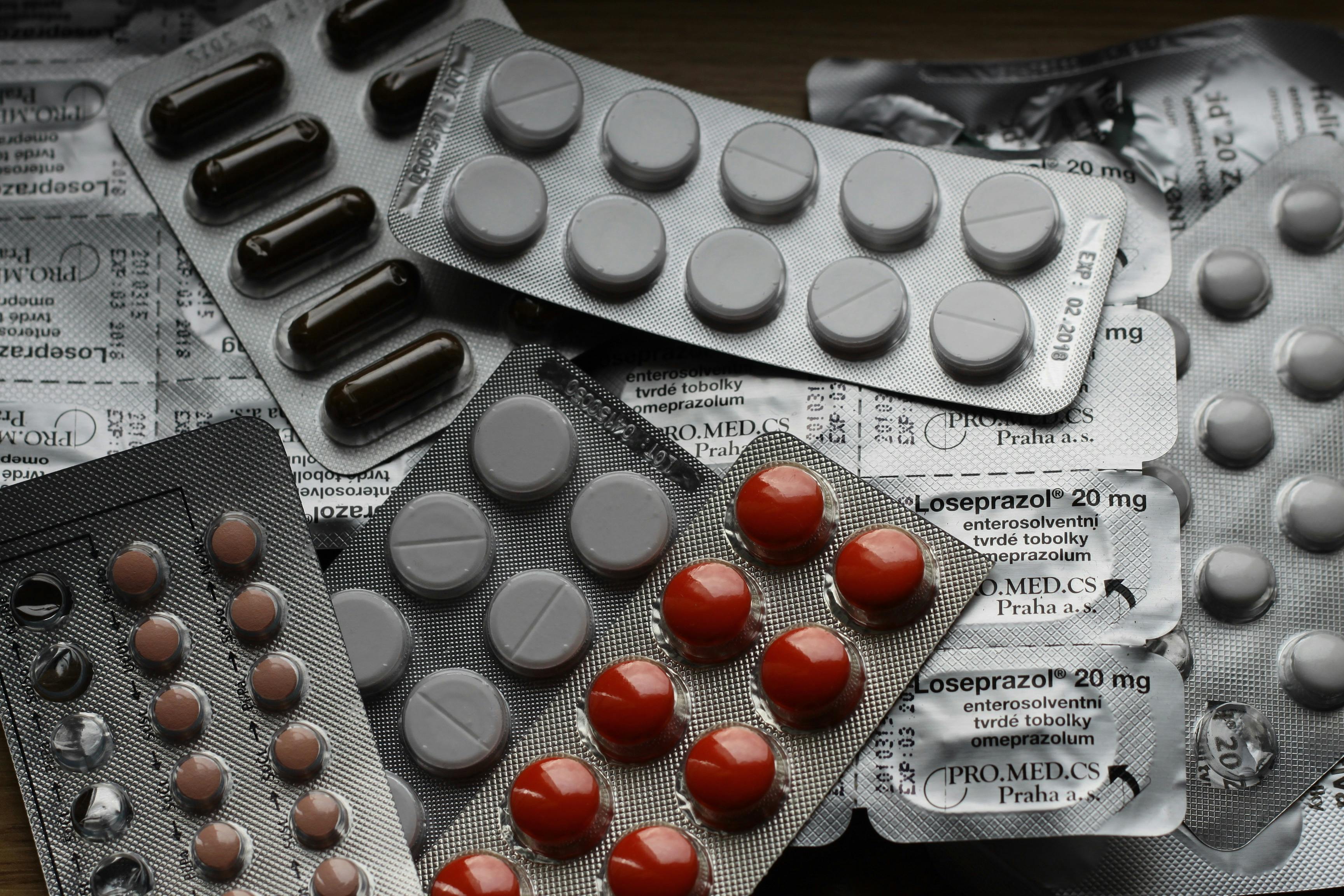
Create a simple emergency information sheet
- Full name and date of birth
- Emergency contacts and their phone numbers
- List of current medications with doses and times
- Drug and food allergies, plus the reaction type
- Major diagnoses (e.g., diabetes, heart disease, asthma, cancer)
- Past major surgeries or implants (e.g., stents, pacemaker)
Keep a copy on the fridge, in your bag, and on your phone. Many smartphones allow you to add “Medical ID” information that first responders can access from the lock screen.
7. Infections, Fever, and When “Just a Bug” Isn’t Just a Bug
Many clinicians say they wish more people understood how quickly a simple infection can escalate, especially in babies, older adults, and people with chronic illnesses or weakened immune systems. Waiting days “to see if it goes away” can sometimes allow sepsis—a life-threatening response to infection—to develop.
Warning signs an infection may be serious
- High fever that doesn’t respond to fever reducers or keeps coming back
- Fast breathing or trouble breathing
- Fast heart rate, especially at rest
- Confusion, extreme sleepiness, or difficulty waking
- New rash, especially with fever
- Severe pain (especially with redness, swelling, or warmth)
- Decreased urination or very dark urine
“People think sepsis is rare. We see it every single shift.”
— ICU nurse
8. Mental Health Crises Are Medical Emergencies Too
Emergency doctors and psychiatrists frequently stress that suicidal thoughts, self-harm, and severe mental distress deserve the same urgency and compassion as chest pain or broken bones. Ignoring or minimizing these signs can be deadly.
- Talking about wanting to die or expressing hopelessness
- Sudden withdrawal, giving away possessions, or saying goodbye
- Extreme mood swings, agitation, or reckless behavior
- Seeing or hearing things others don’t, or strong paranoia
In many countries, there are crisis lines, text services, and emergency mental health teams that can help. If someone is in immediate danger, call your local emergency number.
9. The Quiet Life-Savers: Prevention, Screening, and Daily Habits
Many clinicians say the “least dramatic” interventions are often the most powerful: vaccines, blood pressure checks, cancer screenings, and steady lifestyle habits. These rarely make headlines, but they quietly prevent strokes, heart attacks, and advanced cancers.

Evidence-based habits that reduce emergency risk
- Keeping blood pressure, cholesterol, and blood sugar in recommended ranges
- Staying up to date on vaccines (including flu and pneumonia as advised)
- Attending recommended cancer screenings (breast, cervical, colorectal, etc.)
- Not smoking and limiting alcohol
- Regular movement and exercise, as your body allows
- Wearing seatbelts, helmets, and using child safety seats correctly
10. Overcoming Common Barriers: Cost, Fear, and “Not Wanting to Bother Anyone”
When medical professionals share their stories online, they often mention the same barriers: people worry about the bill, feel embarrassed, or don’t want to cause a fuss. Those feelings are human—but they can be dangerously costly.
If cost is a concern
- Know which local clinics or urgent care centers offer sliding-scale or low-cost visits.
- Ask hospitals about financial assistance programs—many have them.
- Keep health insurance information (if you have it) easily accessible in emergencies.
If you’re afraid of “overreacting”
- Remind yourself: the system is built assuming some visits will turn out not to be emergencies. That’s okay.
- Use phone triage lines or virtual visits if available, but don’t let them replace emergency care when it’s clearly needed.
- Err on the side of caution with children, older adults, and anyone who can’t describe their symptoms well.
“I never judge someone for coming in and being okay. I only lie awake at night over the ones who didn’t make it in time.”
— Emergency nurse
11. Your Personal Emergency-Ready Action Plan
Knowing these “life-saving secrets” is only half the story. The real power comes from turning them into simple systems you can rely on, even when you’re scared, tired, or overwhelmed.
Set yourself up now, before you need it
- Save emergency numbers in your phone and post them visibly at home.
- Create or update your emergency info sheet with meds, allergies, and diagnoses.
- Take a CPR/first aid class and encourage family members or colleagues to join you.
- Walk through your home and reduce fall risks: clear clutter, secure rugs, add lighting and grab bars where needed.
- Schedule overdue checkups or screenings, even if you start with just one.

None of this guarantees you’ll avoid every emergency—and no responsible clinician would promise that. But each small step shifts the odds in your favor and gives you a sense of grounded confidence if the unexpected happens.
Bringing It All Together
The “life-saving secrets” medical professionals share are rarely secrets at all. They’re patterns they see every day: the strokes that arrive too late, the heart attacks driven to the ER, the falls that injure caregivers, the infections that smolder until they ignite into sepsis.
By learning to spot red flags, calling for help early, using safer ways to assist loved ones, keeping vital information handy, and investing in quiet prevention, you’re not just “being cautious.” You’re partnering with the very people who will be there on your hardest day—and giving them the best possible chance to help you.
Your next step can be small: look up a local CPR class, start an emergency info sheet, or simply talk with your family tonight about how you’d handle a sudden health crisis. You don’t need to be perfect; you just need to be a little more prepared than you were yesterday.
Further Reading and Reliable Resources
For more evidence-based guidance on emergency warning signs and prevention, see:
