
Kris Boyd’s Fight Back: Inside the New York Jets Cornerback’s Hospital Return After Shooting
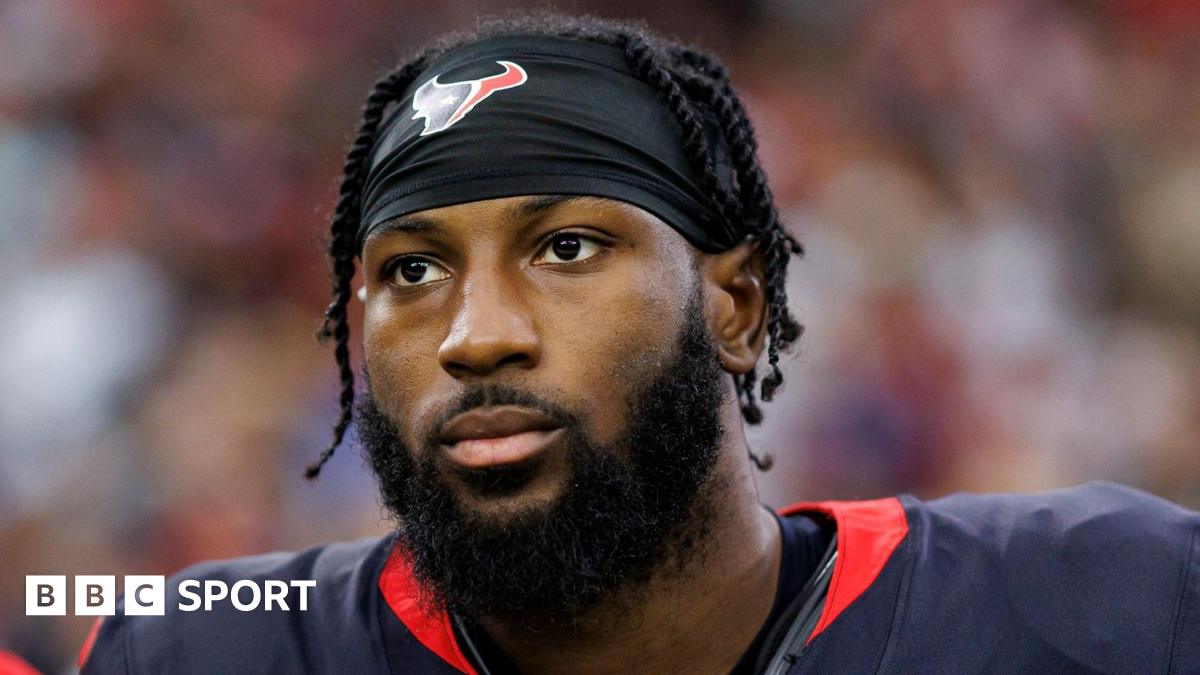
New York Jets cornerback Kris Boyd has been readmitted to the hospital as he continues his recovery from a recent shooting that left him with an abdominal wound. Still listed in critical but stable condition, Boyd is fighting his way back while the Jets organization, the NFL community, and fans across the league rally around him and await clearer answers about his long-term health and football future.
Kris Boyd’s Hospital Return: What We Know Right Now
After initially being hospitalized in critical but stable condition following the abdominal shooting, Boyd shared on 19 November that he was, in his words, starting to breathe on my own now
, a hopeful sign in a deeply serious situation. His latest readmission underscores both the complexity of his recovery and the medical team’s caution as they monitor complications that can follow trauma of this magnitude.
Details surrounding the incident itself remain limited, but the focus around the Jets and inside league circles is firmly on Boyd’s health, not timelines for a return to the field. Each update is being weighed not just in football terms, but in human terms: a 28-year-old athlete working through a life-changing event.
Context: Kris Boyd’s Path Through the NFL
Boyd entered the NFL as a hard-nosed, high-motor defensive back known for his physicality and special-teams intensity. Drafted out of Texas, he carved out a role as a depth corner and special-teams contributor before landing with the New York Jets, where he was battling for a more consistent spot in the rotation.
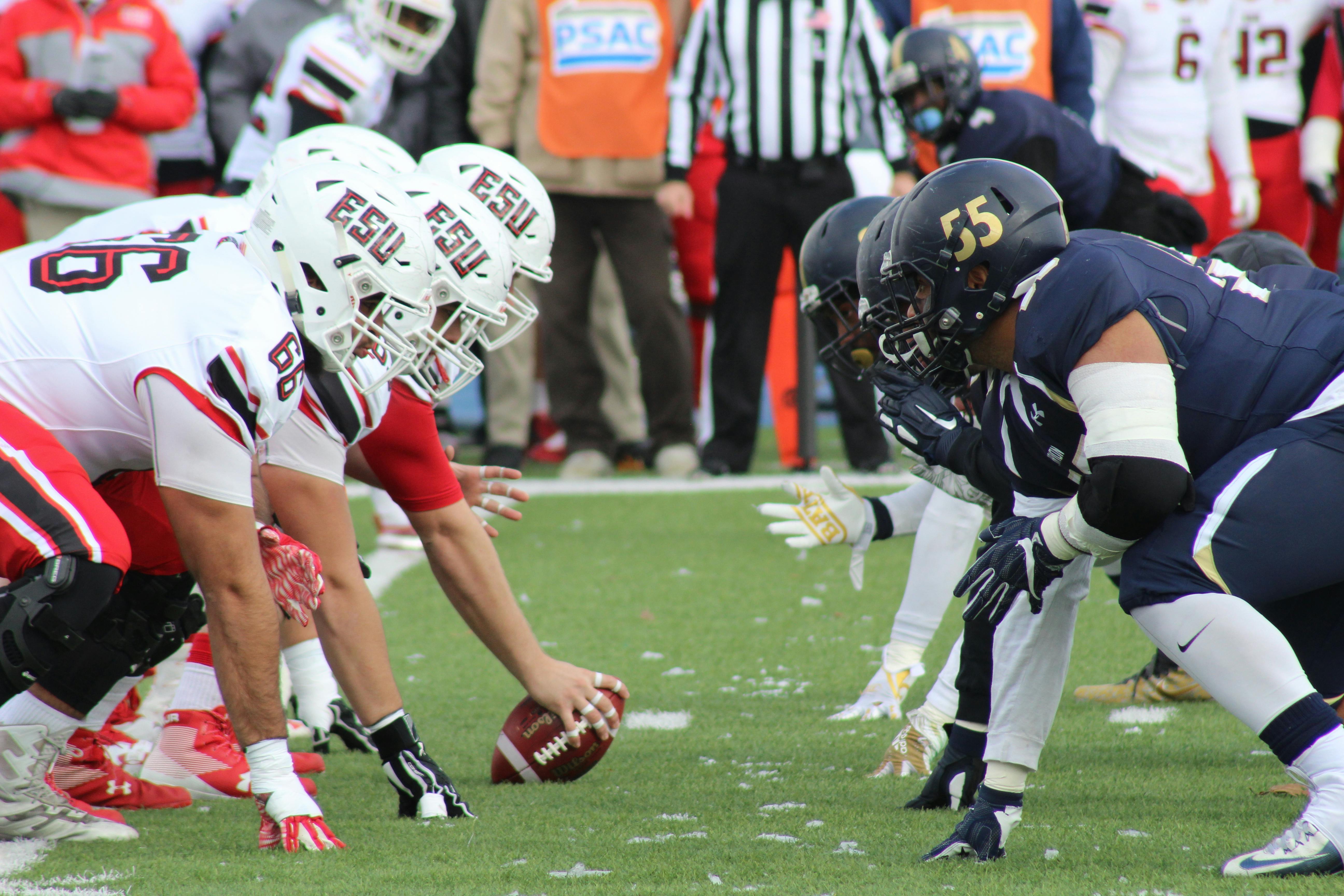
While he has not been a headline star in the way of elite lockdown corners, Boyd has built a reputation as a reliable, team-first player. In a league where roster spots are relentlessly competitive, his special-teams effort and versatility have kept him in the mix.
- Position: Cornerback / Special Teams Contributor
- Known for: Physical tackling, hustle plays, and gunner work on punt coverage
- Team: New York Jets (AFC East)
For an athlete on the bubble between rotational corner and core special-teamer, momentum and availability are everything. That’s what makes this incident particularly devastating from a football perspective: it halts not only a season, but potentially a pivotal stage in Boyd’s career development.
Understanding the Recovery: Abdominal Trauma and Athlete Health
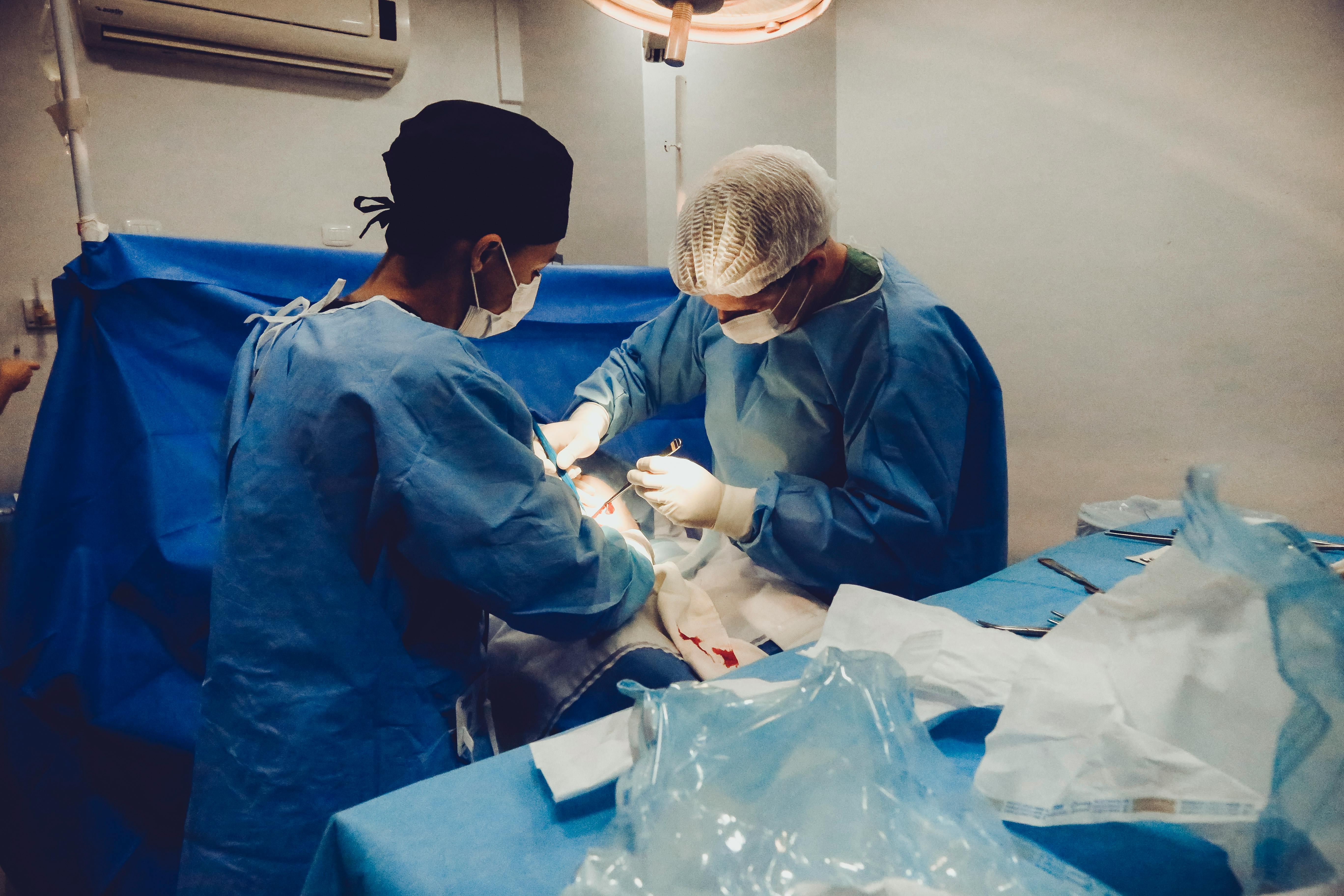
While specific medical details have not been publicly disclosed, an abdominal gunshot wound can affect multiple organ systems, involve significant blood loss, and require multiple surgeries and follow-up procedures. Readmission to the hospital doesn’t automatically signal a setback, but it typically means doctors are taking no chances with infection, internal healing, or respiratory progress.
| Phase | Focus | Key Considerations for Athletes |
|---|---|---|
| Acute Care | Stabilization, surgery, infection control | Respiratory support, organ function, stopping internal bleeding |
| Early Recovery | Pain management, wound healing, gradual mobility | Avoiding strain, preventing complications, mental health support |
| Rehabilitation | Rebuilding strength, core stability | Restoring flexibility, protecting surgical areas, conditioning |
| Return-to-Play (If Cleared) | Gradual contact reintroduction | Risk assessment for re-injury, performance testing, medical clearance |
In football terms, the timetable here is impossible to pin down. This is not an ankle sprain or a routine surgery with an established “4–6 weeks” recovery window. The priority is survival, quality of life, and long-term health. Football is, and must remain, secondary.
Impact on the New York Jets Secondary and Locker Room
From a roster standpoint, the Jets have leaned on a talented defensive backfield, but depth in the NFL is never a luxury—it’s a necessity. Losing a cornerback and special-teams piece like Boyd forces defensive coordinator and special-teams coaches to reshuffle roles and snap counts.
| Role | Player Type | Boyd’s Space in the Depth Chart |
|---|---|---|
| Starting Outside CBs | Elite cover corners, heavy snap counts | Depth and emergency rotation |
| Nickel / Dime Corners | Slot coverage, sub-packages vs spread offenses | Matchup-based snaps, injury fill-in |
| Special Teams Unit | Punt gunners, kick coverage, blockers | Core contributor, energy player |
“The last that we heard is he’s still in critical but stable condition. Right now, all that matters is Kris the person. Football can wait.”
That type of sentiment has echoed around NFL buildings whenever serious off-field trauma hits a player. Coaches and teammates are balancing the emotional hit with the weekly grind of game prep—an uncomfortable, but familiar reality in pro sports.
- Short-term: Next man up in specials and sub-packages, with minor schematic tweaks.
- Medium-term: Possible roster moves for depth if medical updates remain uncertain.
- Long-term: Emphasis on Boyd’s full recovery, independent of any future football role.
Beyond the Depth Chart: The Human Side of Kris Boyd’s Battle
Strip away the playbook and the contract numbers, and this becomes a story about a young man fighting through trauma with the sports world watching and hoping. Boyd’s message about finally breathing on his own offered a rare, raw glimpse into just how serious his condition was—and how hard he’s working to stay positive.

For teammates, this is a reminder that their colleague is more than a jersey number:
- A friend and locker-room presence suddenly fighting for his health.
- A competitor whose identity has always been tied to toughness and resilience.
- A player whose future—on and off the field—is now uncertain, and that uncertainty is shared by everyone around him.
“You see him grinding in practice, giving everything on special teams, and then something like this happens off the field. It hits different. We’re playing for him, but we’re also just praying for him.”
Stories like Boyd’s resonate because they cut through the fantasy-football lens and remind fans that every player has a life beyond the scoreboard. The outpouring of support on social media, from former teammates, college coaches, and rival players, underscores just how connected the NFL fraternity is when tragedy strikes.
NFL-Wide Perspective: Safety, Support, and Tough Conversations
Whenever a player is seriously hurt away from the field, the conversation inevitably widens: player safety, life off the field, and the support structures that teams and the league provide. While each case is unique, the pattern is familiar—statements of support, flexible leave, access to mental health resources, and, increasingly, public dialogue about how players navigate life in and around NFL cities.

From an organizational standpoint, the Jets and the NFL Players Association will likely remain closely involved, ensuring Boyd has access to:
- Comprehensive medical care and rehabilitation.
- Mental health and counseling services.
- Financial and logistical support for his family during recovery.
Around the league, coaches often use moments like this to stress perspective to their teams: the game is important, but not more important than the people playing it. That message tends to hit hardest in position rooms and special-teams meetings where players like Boyd have been grinding side-by-side for years.
Looking Ahead: Unanswered Questions and Measured Hope
There are more questions than answers right now, and that’s okay. Will Kris Boyd play football again? It is far too early—and frankly unfair—to speculate with any certainty. The only responsible stance is measured hope that he fully recovers as a person first and an athlete second.

In the coming weeks and months, fans and analysts will be watching for updates on:
- Clearer medical timelines for Boyd’s recovery milestones.
- Official statements from the New York Jets and league channels on his status.
- Signals from team doctors about any path—however distant—toward physical rehabilitation and possible football activities.
For now, the story isn’t about depth charts, snap counts, or contract years. It’s about a player known for his toughness facing the toughest opponent of his life—and the NFL community standing behind him. As you follow Jets news, league injury reports, and playoff pushes, one lingering question will remain bigger than any box score:
When Kris Boyd walks out of that hospital for good, what will his next chapter—on or off the field—look like, and how will the sport that shaped him help support that journey?
For ongoing updates and official statements, readers should monitor:
