
From Beige to Bangers: Turn Your Home Into a Playlist of Cozy, Clever Design
Your home doesn’t have to look like a furniture catalog or a chaotic TikTok backdrop. Think of it as a playlist: some evergreen classics, a few bold new drops, and maybe one chaotic remix that only makes sense to you. Today we’re turning your rooms into bops—mixing 2025’s hottest decor trends with practical tips so you actually want to live in your space, not just photograph it.
We’ll talk about cozy-but-not-cluttered “soft minimalism,” dopamine-charged accents, AI-powered mood lighting, and how to make your home look expensive on a “my wallet is in witness protection” budget. Expect metaphors, mild roasting of sad throw pillows, and very real, very doable ideas.
1. Soft Minimalism: When Your Home Finally Stops Yelling At You
Maximalism had its neon moment, but 2025 is leaning into soft minimalism—a calmer, warmer version of minimalism that says “I meditate sometimes” instead of “I live in a Scandinavian tech showroom.”
Translation: fewer things, but cozier things. Clean lines, rounded edges, cushy textures, and colors that look like they were picked by a therapist who takes oat milk very seriously.
- Start with a surface sweep: Pick one zone—a console table, coffee table, or nightstand. Remove everything, then put back only 3–5 items you truly love: a lamp, a plant, a candle, a book. The rest goes into a donation box or stylish storage.
- Choose calm-but-not-boring colors: Warm whites, mushroom beige, soft clay, gentle sage, muted blue-grey. If your wall color feels like a search result called “office fluorescent,” it’s time.
- Upgrade texture, not quantity: Swap five flimsy throw pillows for two or three well-made ones in boucle, linen, or chunky knit. Same amount of couch, way more vibe.
Decor mantra: If it collects dust but not joy, it’s on thin ice.
2. Dopamine Decor: Color, But Make It Emotionally Stable
Dopamine decor is still trending, but it has matured. Think fewer rainbow explosions, more strategic pops of color that make you smile without looking like your room is sponsored by candy.
Instead of repainting every surface in highlighter yellow, treat color like seasoning. A little goes a long way; you’re not trying to emotionally assault your retinas.
- Pick one “lead” color per room: Maybe it’s paprika, moss green, dusty lavender, or cobalt blue. Use it in three places: a throw, artwork, and a vase, for example. Repetition looks intentional, not random.
- Use patterns as backup dancers: Stripes, checks, or soft geometrics in your lead color add interest without chaos. If pattern mixing scares you, keep the color family the same and vary scale.
- Try a statement chair: A bold accent chair or bench is like the lead singer of the room—noticeable, but supported by a neutral band.
Bonus move: make a “happy color corner” near a window with a bright cushion, plant, and artwork. It photographs well and doubles as a mental-reset station.
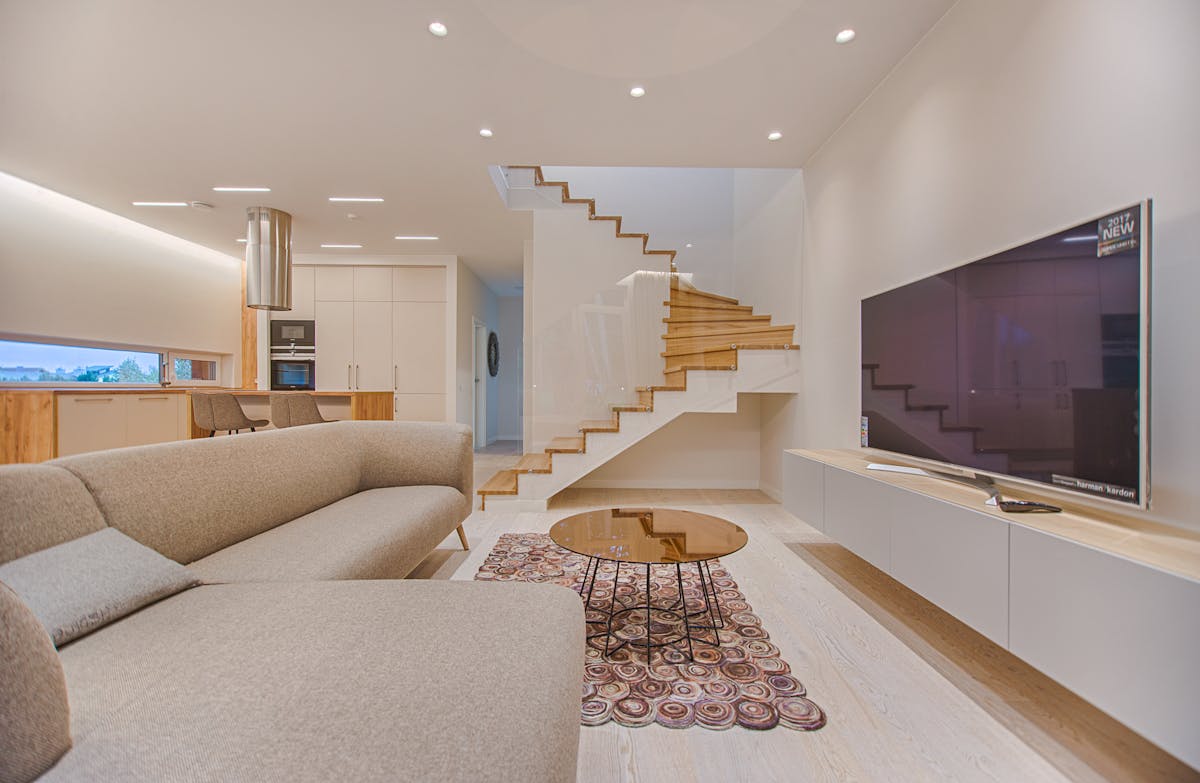
3. Your Lights, But Smarter: AI Ambience On a Normal-Person Budget
While AI is busy making suspiciously catchy fake songs online, you can harness the sane side of tech at home—specifically, smart lighting and sound that adjust to mood, time of day, or activity.
You don’t need a spaceship setup; a couple of smart bulbs and a basic speaker can turn your living room into a cozy concert, study sanctuary, or “I-cleaned-today” showcase.
- Create scene presets: Use your smart bulbs’ app to save lighting “scenes”:
- Morning Reset: Cool, bright white near windows to wake you up.
- Work Mode: Neutral white above the desk, warm accent lamp behind you for flattering video calls.
- Soft Night: Warm, dim lamps only—no harsh ceiling glare.
- Sync lighting with sound: Group your smart speaker and lights. Chill playlist + warm dim lights = instant lounge; upbeat playlist + brighter lights = cleaning montage.
- Hide the hardware: Route visible cords through cord covers, baskets, or behind furniture. Your room should not look like the back of a DJ booth.
Design tip: replace one overhead light session per evening with three smaller light sources—table lamp, floor lamp, and a small wall or shelf light. Softer shadows = instant glow-up, for both room and face.
4. Quiet Luxury, Loud Comfort: Styling With Mixed Materials
“Quiet luxury” is still having a moment—think spaces that feel expensive without shouting brand names at you. The secret isn’t price tags; it’s texture and materials.
Your room should feel like a well-produced track: layered, balanced, and not all one note. Too much glossy surface and you’re in corporate lobby territory; too much rough and it’s “I live in a Pinterest cabin now.”
- Mix three material families: Aim for something soft (linen, wool), something hard (wood, stone), and something subtle shine (metal, glass). That combo works in almost any room.
- Upgrade small touchpoints: Swap cheap plastic plant pots for ceramic, change basic knobs to brushed brass or matte black, add a real wood tray to corral remotes.
- Layer rugs like a pro: Place a large neutral flatweave rug, then top it with a smaller patterned or plush rug in your main zone. It looks curated and feels incredible underfoot.
You want guests to think, “This feels…nice,” without being able to explain why. That’s texture doing quiet, powerful work.
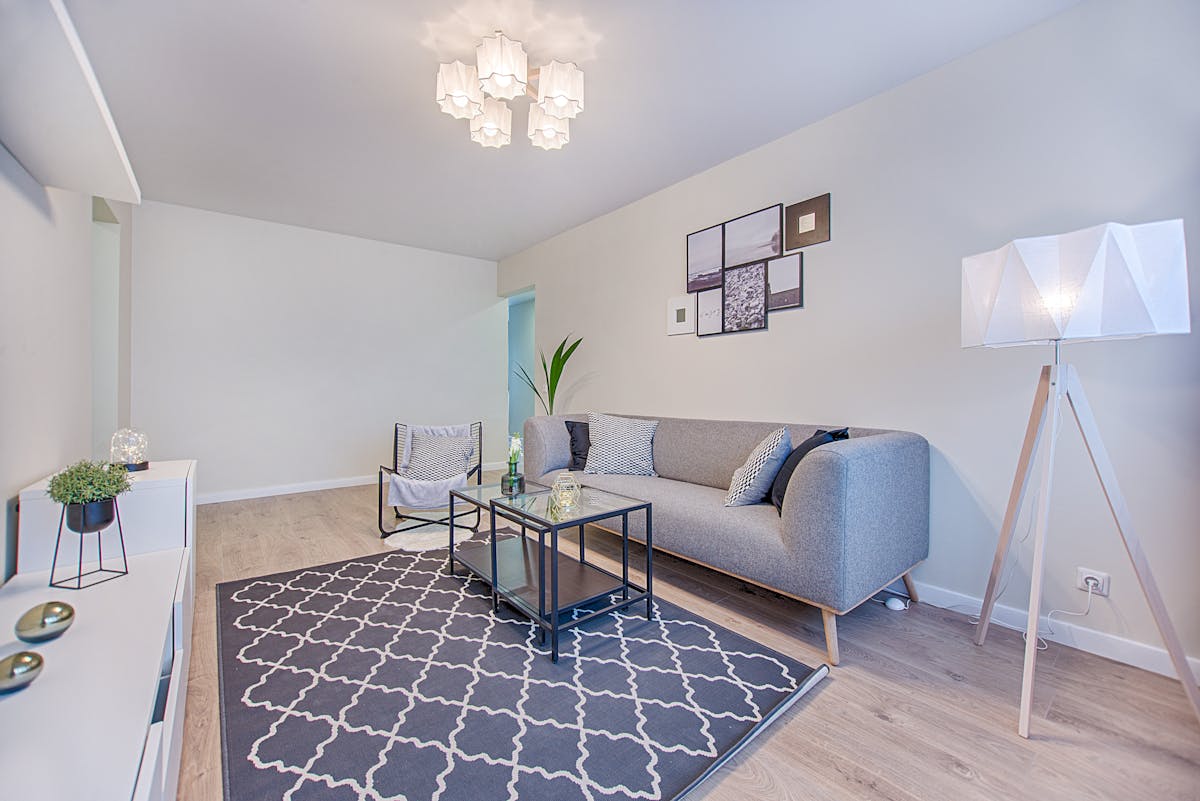
5. Walls That Don’t Bore: Art, Murals, and Personality
Blank walls are the visual equivalent of elevator music. But you don’t need a gallery budget—or questionable AI art prints—to make them interesting.
- Build a layered gallery wall: Mix frames in 2–3 finishes (black, wood, brass). Combine:
- Personal photos (printed in black and white for cohesion)
- Postcards or record sleeves you love
- One or two bolder art prints or posters
- Try a statement paint move: Paint a color block behind your sofa or bed—just one large rectangle of color on the wall. It fakes the look of a headboard or giant art piece for the price of one paint can.
- Use rails and ledges: Picture ledges and art rails let you layer frames and swap them easily. Ideal for the decor commitment-phobes among us.
Pro move: echo the main color from your wall art in a pillow or vase across the room so everything feels subtly connected, like a chorus that keeps coming back.
6. Small Space, Big Main-Character Energy
If your home is less “open concept” and more “if I spin too fast I’ll hit three walls,” you can still make it gorgeous. The trick is to edit ruthlessly and store cleverly.
- Float the furniture: Pull your sofa 4–6 inches away from the wall. That tiny gap creates the illusion of depth and makes everything feel less cramped.
- Choose double-duty heroes: Storage ottoman, lift-top coffee table, bed with drawers, side table that doubles as a stool. Every piece should earn its rent.
- Use vertical “zones”: Wall-mounted shelves, hooks, and pegboards free up floor space and visually lift the room.
- Respect the traffic flow: No piece of furniture should require you to shimmy sideways to pass it. If it does, it’s either too big or in the wrong spot.
Design test: take a photo of your room from the doorway. If it looks cluttered in the picture, your eye feels that in real life too. Edit until the photo looks calmer.
7. Five-Track EP of Weekend Upgrades
No full-album renovation required. Here’s a mini set list of weekend projects that make a big visual difference without wrecking your budget or sanity.
- Swap your lampshades: Change outdated bell shades for simple drum shades in linen or cotton. It modernizes a room instantly.
- Re-style open shelves: Follow the 50/25/25 rule—50% books or vertical items, 25% decorative objects, 25% empty space so it can breathe.
- Give hardware a glow-up: Replace kitchen and bathroom cabinet pulls with modern, simple shapes. Keep finishes consistent for cohesion.
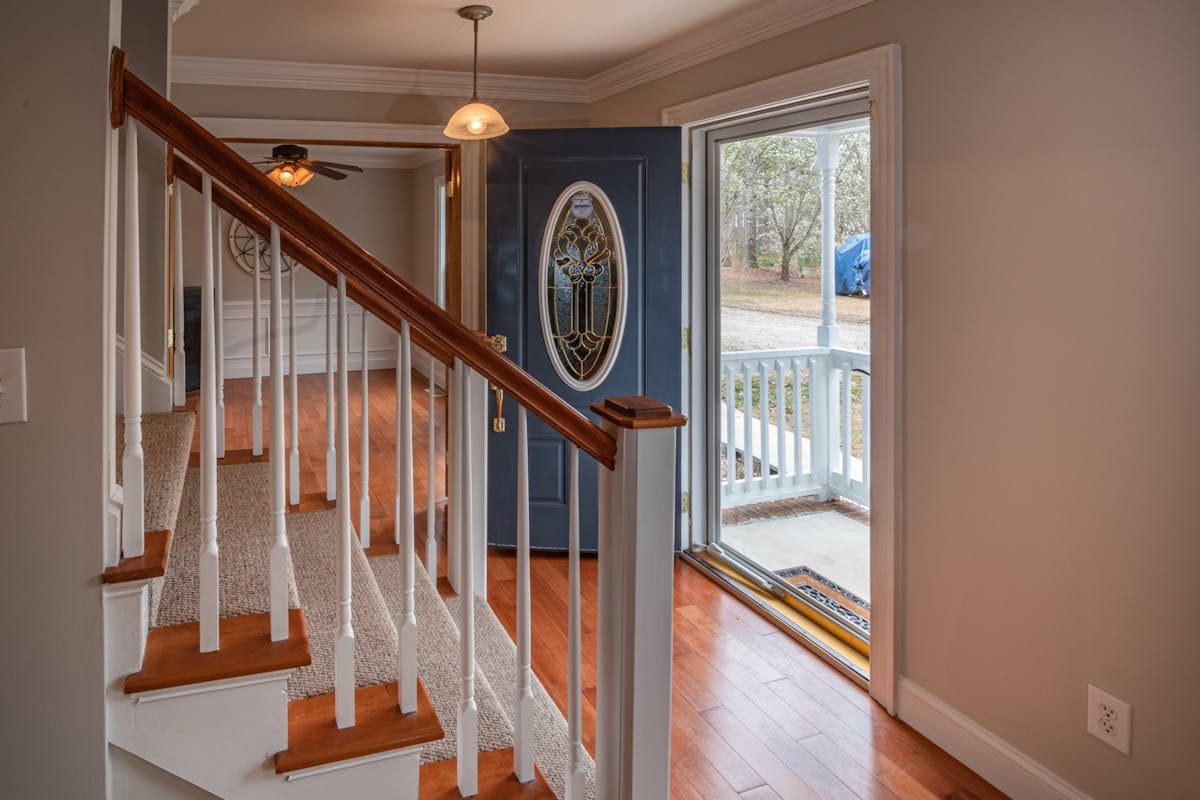
- Frame the entry: Add a small rug, a hook rail, a mirror, and a bowl or tray. Congratulations, that random patch of floor is now a “foyer.”
- Plant therapy: Add one medium floor plant or two smaller plants per main room. If you’re a plant serial killer, go faux—just choose realistic ones and dust them occasionally.
These are the kind of upgrades future-you forget were cheap, because they look and feel like they weren’t.
8. Make Your Home a Remix, Not a Replica
Trends are fun, but the point isn’t to turn your home into a showroom or a TikTok set. It’s to create a space where you feel more like yourself—the deluxe, well-rested, “yes I have matching lamps” version.
Think of every room as a playlist you can keep editing: a little soft minimalism here, a hit of dopamine color there, some smart lighting, layered textures, and personal art. You don’t need to do it all at once. Start with one corner. One wall. One happy-color cushion.
Your home doesn’t have to be perfect to be beautiful—it just has to feel like you, on purpose. And if anyone asks who designed it, you can say, “Oh, it’s an original.” Because it is.
