
AI-Chic Interiors: 7 Home Decor Trends So Smart They Practically Reason With You
When Your Sofa Meets AI: Decorating in the Era of Smart Style
Somewhere between asking an AI to plan your vacation and begging it to debug your spreadsheet, people quietly started asking it a much more important question: “Does this rug make my living room look weird?”
Welcome to 2025, where next‑gen reasoning models like OpenAI’s o3 can help you decide whether the green velvet sofa is “bold” or “deeply regrettable,” and home decor trends are getting smarter, cozier, and a little bit cheeky. Today’s homes are less about magazine perfection and more about:
- Flexible spaces that actually work with your real life (yes, including laundry piles).
- Color and pattern that spark joy instead of anxiety.
- Tech that enhances your home without making it feel like a robot showroom.
Let’s walk through the biggest, freshest home decor trends right now—and how to steal them for your own place without selling a kidney or your sanity.
1. AI-Optimized Layouts: Your New (Mostly Patient) Interior Designer
Advanced reasoning models are quietly becoming the secret weapon of design nerds and decor newbies alike. Instead of endlessly scooting furniture around and asking your friends, “Is this better or worse?”, you can now:
- Upload room measurements and photos into layout tools that use AI to test different arrangements.
- Ask an assistant to suggest traffic flow, focal points, and storage zones.
- Generate multiple style directions—Scandi calm, maximalist chaos, or “I have children, please send help.”
Think of these tools as the brainstorming phase, not the final verdict. AI can’t feel the way morning light hits your couch or know that your dog believes all rugs exist purely for zoomies. That’s your job.
Quick tip: Before you buy anything big, have an AI help you trial three furniture layouts: movie night mode, work-from-home mode, and hosting mode. If a layout fails one, tweak before you swipe the card.
The trend: homes planned like puzzles that actually fit together—and AI as the friend who can see how all the pieces should go.
2. Dopamine Decor 2.0: Happy Colors, But Make It Grown-Up
Dopamine decor—design that intentionally boosts your mood—isn’t new, but 2025 is giving it a refined upgrade. We’re moving from “clown car of colors” to “joyful, but with a 401(k).”
Trending palettes this year:
- Citrus & Cream: Buttery yellows, soft oranges, and warm whites for kitchens and dining spaces.
- Digital Pastels: Lilac, sky blue, and mint with gentle gradients—like your favorite app UI, but softer.
- Earthy Brights: Terracotta, olive, and mustard with a pop of cobalt or coral.
The trick is placement. Instead of painting every wall neon, focus your “happy hits” where your brain needs a nudge:
- Mornings rough? Colorful mugs, cheerful dish towels, or a bright runner in your kitchen.
- WFH burn-out? A bold art print or vibrant desk chair instead of more beige.
- Entryway gloom? Paint just the inside of your front door a joyful color.
Ask an AI assistant to build you a palette from one object you love—a scarf, a photo, even your favorite latte art. Then apply that scheme across textiles and accessories so your home feels pulled together, not like a color explosion.
3. Biophilic Bliss: Bringing the Outside In (Without Inviting the Bugs)
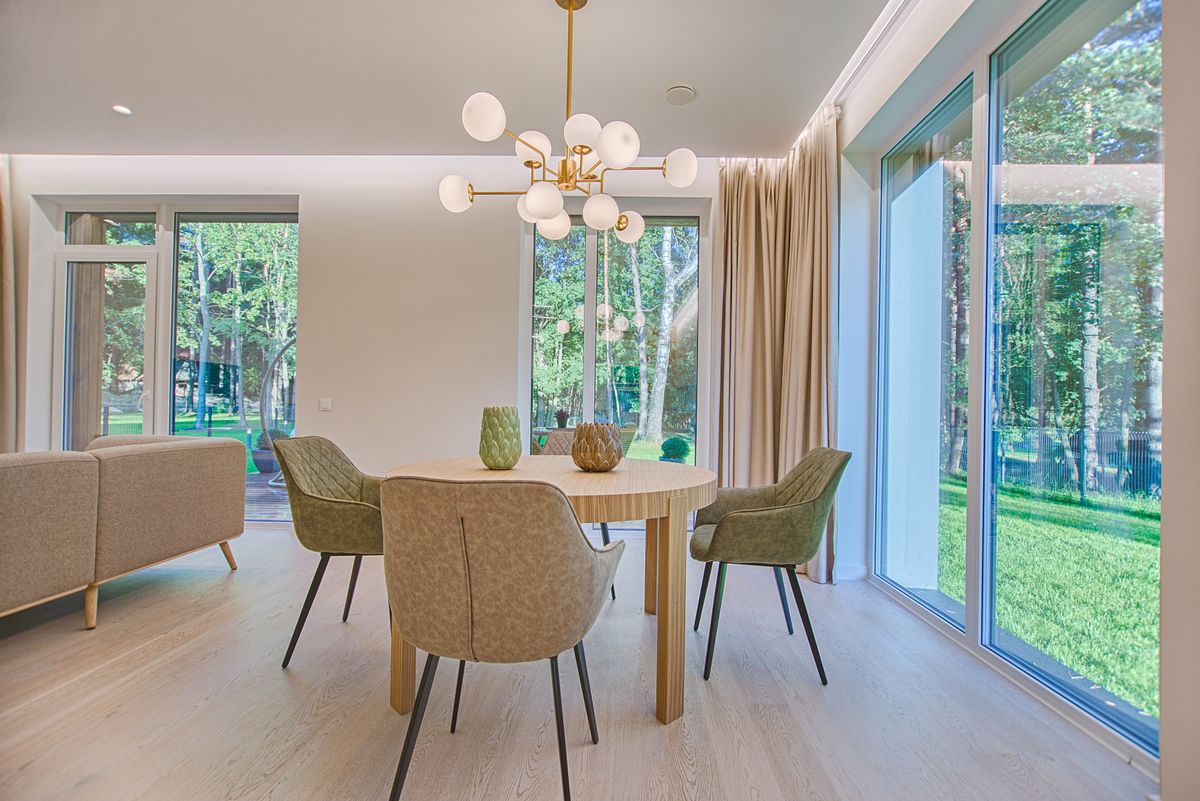
Biophilic design—decor that connects you to nature—is still going strong, but in 2025 it’s less “urban jungle” and more “calm, curated micro‑forest.” Good news: you don’t need 37 plants and a watering spreadsheet.
Focus on three nature touchpoints:
- Plants you can actually keep alive Snake plants, pothos, ZZ plants, and peace lilies are popular not because they’re trendy, but because they forgive you. Repeatedly.
- Honest materials Wood, stone, linen, jute, and clay instantly soften a tech-heavy space. A chunky linen throw or a jute rug goes a long way.
- Daylight & views Rearrange furniture so you face a window while working or lounging. Your nervous system will write you a thank-you note.
If you’re plant-challenged, use AI to help you create a care calendar and reminders based on your climate and light levels. Think of it as your plant’s personal assistant. (You’re the boss. Allegedly.)
4. Shape-Shifter Spaces: Rooms That Do Double (or Triple) Duty
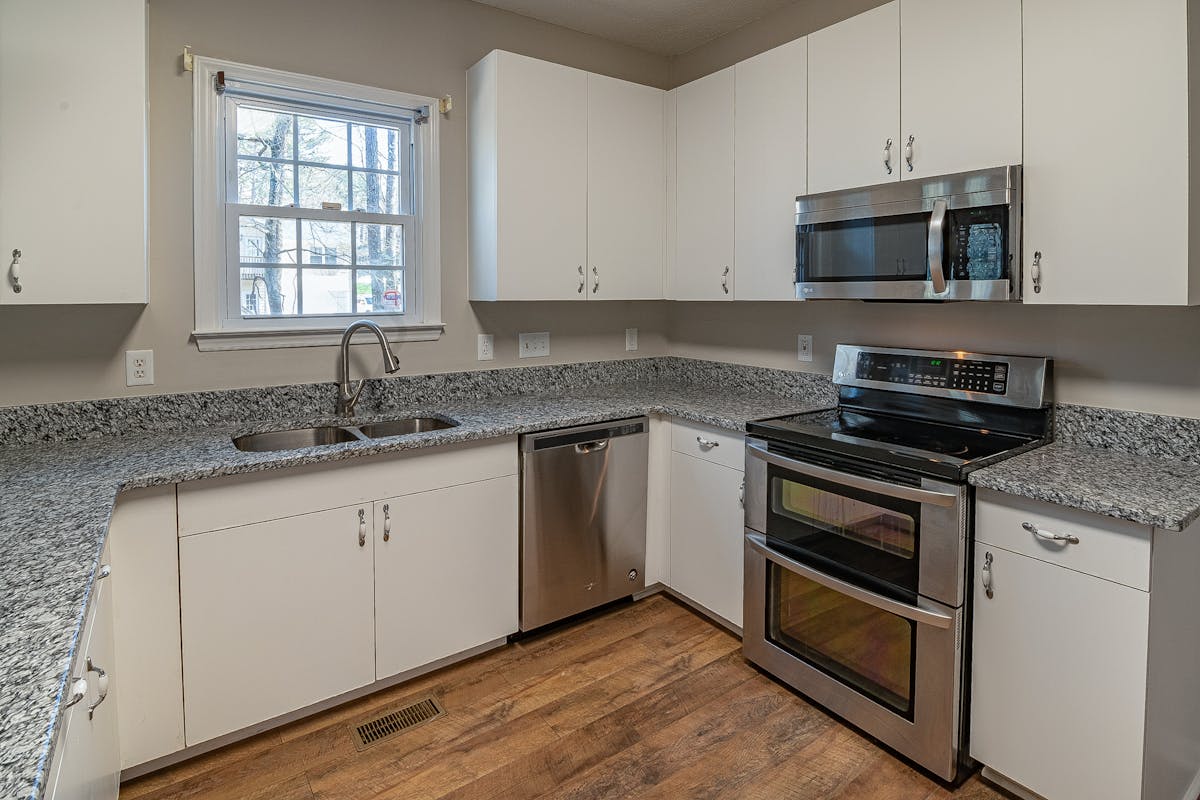
With hybrid work still a thing and housing not magically getting bigger, multifunctional rooms are officially the main character. The trend is less about “tiny-house minimalism” and more about visually zoning your space.
Try these layout tricks:
- Rugs as territory markers: One for the “office,” another for the “lounge,” even if it’s all the same room.
- Fold-away heroes: A drop-leaf table, nesting coffee tables, or a wall-mounted desk that disappears when you clock out.
- Back-of-sofa magic: Turn the back of a sofa into a subtle divider by placing a narrow console table behind it for lamps and storage.
This is where AI reasoning tools shine: give them your room size, list your needs—“I sleep, work, and work out here, and I own too many books”—and let them suggest furniture footprints and storage ideas you might’ve missed.
Remember: every item in a small or shared space should earn its keep. If it can be:
- Sat on
- Stored in
- Rolled away
- Or folded up
…it’s a win.
5. Texture-First Design: Because Beige Needs a Personality
While maximalist color still has fans, a big 2025 shift is toward quietly rich textures. It’s like your home is whispering, “Come touch this,” in a completely wholesome way.
Think:
- Bouclé and sherpa chairs you can curl into.
- Slubby linen curtains that look expensive, even when they aren’t.
- Layered rugs—flatweave plus a fluffy one in the center.
- Ribbed glass lamps, fluted cabinets, and waffle-knit throws.
If you’re AI-inclined, ask an assistant to help you create a “texture recipe” for each room, such as:
Living room: 1 smooth (leather/wood) + 2 soft (linen/velvet) + 1 rough (jute/stone) + 1 shiny (metal/glass)
Keep your colors mellow if you’re anxious about visual clutter; let touchable surfaces do the heavy lifting. It’s sensory design for grown-up blanket-fort enthusiasts.
6. Chic Sustainability: Pre-Loved, Repaired, and Proud of It
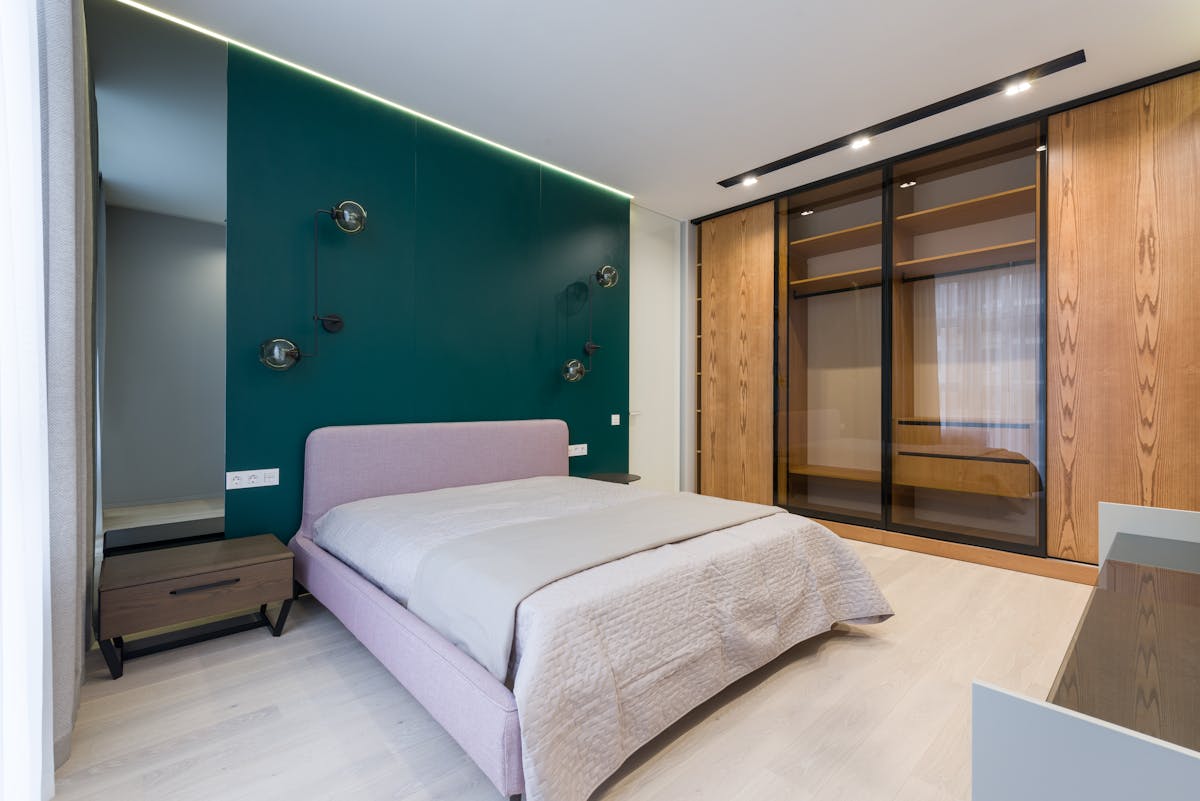
Sustainability has officially entered its stylish era. The coolest homes right now are mixing:
- Vintage steals from thrift stores, Facebook Marketplace, and estate sales.
- Refinished basics—yes, that sad dresser can become your showpiece.
- Lower-impact materials like bamboo, reclaimed wood, and recycled plastic rugs.
Want to give AI some homework? Feed it a description or image of a piece you’re not sure about and ask:
- Three ways to restyle or repaint it.
- What decor styles it could fit into (Scandi, Japandi, mid-century, cottagecore, etc.).
- Shopping lists for the cheapest glow-up.
A little clever styling can turn “hand-me-down chaos” into “curated, storied, and actually on-trend.”
7. Invisible Smart Homes: Tech That Hides in Plain Sight
As reasoning models get smarter, smart homes are getting… calmer. The big 2025 move is invisible tech: functionality without flashing lights and plastic spaceship vibes.
Decor-friendly upgrades include:
- Smart bulbs & scenes for “focus,” “wind-down,” or “movie night”—all with warm, cozy temperatures.
- Disguised speakers that look like decor objects or tuck into shelves.
- Hidden charging in drawers and consoles so cables stop auditioning as wall art.
Layer the tech gently:
- Start with lighting (most impact, least effort).
- Then add sound (speakers, white noise, or soft playlist automations).
- Finally, bring in automations: blinds, temperature, or morning routines.
Use AI to orchestrate routines that support how you actually live: “At 10 pm, dim lights to 20%, turn on lamp only, lower thermostat, and play mellow jazz.” That’s not just smart; that’s deeply cozy.
Making It Yours: The Anti-Showroom Strategy
The trend underneath all the trends? Personality. Perfect, catalog-ready rooms are fading in favor of spaces that look like you live there—not an influencer’s ghost.
To keep your home feeling human:
- Show your quirks: Frame concert tickets, kids’ art, or travel doodles like they’re gallery pieces.
- Layer slowly: Add decor in “chapters” instead of buying everything in one frantic Saturday.
- Use AI as a sounding board, not a dictator: Ask for ideas, then ignore anything that doesn’t feel right in your gut.
Imagine your home as a conversation between you and the space. AI can suggest some very clever lines, but you still get the final word—and the comfy chair.
Your Next Step: Small Tweaks, Big Upgrade
You don’t need a full renovation or a bottomless budget to tap into these 2025 trends. Start with one tiny, reasonable experiment:
- Ask an AI to draft three new layouts for your living room.
- Pick one “dopamine color” and introduce it in throws, cushions, or art.
- Adopt one plant and give it a name and a watering reminder.
- Set up a single smart lighting scene for evenings.
Bit by bit, your home will start to feel less like a random collection of furniture and more like a thoughtfully designed sidekick—one that supports your routines, boosts your mood, and looks pretty great on your feed.
And if you ever find yourself wondering, “Should the lamp go here or there?”—ask your AI assistant for ideas, then stand in the room and trust your eyes. Together, you and your very clever digital co-pilot can create a space that’s not just smart, but genuinely, delightfully Home.
