
Why Everyone’s Talking About 30g Protein Meals (Plus a High‑Protein Macro‑Friendly Bowl You’ll Crave)
High‑Protein Macro‑Friendly Meal Prep Bowl (with 30g Protein per Serving)
High‑protein, macro‑tracked meals—especially the idea of hitting about 30 grams of protein per meal—are having a moment. From TikTok to YouTube Shorts, creators are building breakfasts, lunches, and dinners around this magic number to support body recomposition, better satiety, and stable energy.
Today we’ll ride that trend in the most delicious way: a colorful, high‑protein macro‑friendly meal prep bowl that you can make with either juicy chicken breast or golden‑seared tofu. It’s designed to land right around 30g of protein per serving, with satisfying carbs, fiber‑rich veggies, and a tangy Greek‑yogurt dressing that tastes like it came straight out of your favorite café.
The 30g‑Per‑Meal Protein Trend, Explained
The viral “30g of protein per meal” idea isn’t just social media hype. It’s loosely based on research suggesting that most adults maximize muscle protein synthesis—our body’s process of building and repairing muscle—when they eat roughly 20–40g of high‑quality protein at a time.
Fitness and wellness creators translate that science into simple targets like:
- 3 meals × 30–35g protein ≈ 90–105g per day
- Optional high‑protein snack or shake to reach 100–130g per day for very active people
On social feeds, this trend shows up as:
- High‑protein breakfasts like Greek yogurt bowls, cottage cheese pancakes, egg‑white omelets, and protein oats
- “Protein‑hacked” comfort foods—everything from brownies to ice cream made with protein powder or high‑protein dairy
- Meal‑prep bowls combining chicken or tofu, grains, beans, veggies, and a protein‑rich sauce
This recipe leans into that last category: a macro‑friendly, high‑protein meal prep bowl you can batch cook and enjoy all week.
Recipe Overview: High‑Protein Macro‑Friendly Bowl
Think tender strips of spiced chicken (or crispy tofu) nestled over fluffy rice or quinoa, with roasted veggies, crunchy fresh toppings, and a cool, garlicky Greek yogurt sauce. Every bite is balanced: savory, tangy, a little sweet from the roasted veg, and deeply satisfying thanks to the protein and fiber.
Prep time: 20 minutes
Cook time: 25–30 minutes
Total time: 45–50 minutes
Servings: 4 bowls
Difficulty: Easy–Moderate (great for meal‑prep beginners)
Approx. protein: ~30–35g per bowl (chicken) or ~28–32g (tofu), depending on exact brands/portions
Equipment You’ll Need
- 1 large baking sheet (or 2 smaller, for roasting veggies and protein separately)
- 1 medium saucepan with lid (for rice or quinoa)
- 1 mixing bowl (for marinating chicken or tofu)
- 1 small bowl (for the Greek yogurt sauce)
- Cutting board and sharp knife
- Measuring cups and spoons
- Spatula or tongs
- Meal‑prep containers with lids (for storage)
Ingredients (High‑Protein, Macro‑Friendly)
These amounts are for 4 generous bowls. Choose either chicken or tofu as your main protein—both versions are high in protein; the tofu version is vegetarian and can be made fully plant‑based with a few tweaks.
For the Protein
- 1.5 lb (680 g) boneless, skinless chicken breast, sliced into strips
OR - 2 blocks (2 × 14 oz / 400 g) extra‑firm tofu, pressed and cut into cubes
- 2 tbsp olive oil or avocado oil
- 2 tsp garlic powder
- 2 tsp smoked paprika (or regular paprika)
- 1 tsp ground cumin
- 1 tsp dried oregano
- 1 tsp fine sea salt (plus more to taste)
- ½ tsp black pepper
For the Grain Base
- 1½ cups (285 g) dry brown rice or quinoa
- 3 cups (720 ml) water or low‑sodium broth
- ½ tsp salt
For the Roasted Vegetables
- 2 medium bell peppers, any color, sliced into strips
- 1 medium red onion, sliced into wedges
- 1 medium zucchini, sliced into half‑moons
- 1 cup (about 150 g) cherry tomatoes
- 1 tbsp olive oil
- ½ tsp salt
- ½ tsp black pepper
For the High‑Protein Greek Yogurt Sauce
- 1 cup (240 g) plain non‑fat Greek yogurt (or 2% for extra creaminess)
- 1 tbsp lemon juice
- 1 small garlic clove, finely minced or grated
- 1 tbsp olive oil (optional but delicious)
- 2–3 tbsp water to thin, as needed
- ½ tsp salt, or to taste
- Freshly ground black pepper, to taste
- 2 tbsp chopped fresh parsley or cilantro (optional but recommended)
Optional High‑Protein Add‑Ins & Toppings
- 1 can (15 oz / 425 g) black beans or chickpeas, rinsed and drained
- ½ cup (50 g) shredded light cheese (e.g., reduced‑fat cheddar or feta)
- 2 tbsp toasted pumpkin seeds or sliced almonds
- Fresh lime or lemon wedges
- Fresh herbs (cilantro, parsley, or green onions)
Step‑by‑Step Instructions
You’ll cook the grains, roast the veggies, and prepare the protein and sauce in a relaxed flow. The whole process is very forgiving—perfect for a Sunday meal‑prep session with music playing in the background.

- Cook the grain base.
Rinse the rice or quinoa under cool water. In a medium saucepan, combine the grains, water or broth, and ½ tsp salt. Bring to a boil over medium‑high heat.
Once boiling, reduce heat to low, cover, and simmer: about 18–20 minutes for quinoa or 30–35 minutes for brown rice, until tender and the liquid is absorbed. Turn off the heat and let stand, covered, for 5–10 minutes, then fluff with a fork.
- Preheat the oven and prep the pan.
While the grains cook, heat your oven to 400°F (200°C). Line a large baking sheet with parchment paper for easier cleanup.
- Season the chicken or tofu.
In a mixing bowl, combine olive oil, garlic powder, smoked paprika, cumin, oregano, salt, and pepper.
Add the sliced chicken breast or pressed tofu cubes. Toss gently until every piece is coated in the spice mixture. Let it marinate while you prepare the vegetables—just 10–15 minutes makes a difference in flavor.
- Prep and season the vegetables.
On the baking sheet, toss the bell peppers, red onion, zucchini, and cherry tomatoes with 1 tbsp olive oil, salt, and pepper. Spread them into an even layer on one half to two‑thirds of the pan, leaving space for the protein on the remaining area.
- Roast the protein and veggies.
Arrange the seasoned chicken or tofu pieces on the empty side of the baking sheet in a single layer.
Roast for 18–22 minutes, stirring the vegetables and flipping the chicken or tofu halfway through. The chicken is done when the internal temperature reaches 165°F (74°C) and the edges are lightly browned. Tofu should be golden and slightly crisp on the edges.
- Make the high‑protein Greek yogurt sauce.
While everything roasts, whisk together the Greek yogurt, lemon juice, minced garlic, olive oil (if using), salt, pepper, and chopped herbs in a small bowl. Add 2–3 tbsp water, a splash at a time, until it’s creamy and drizzle‑able.
Taste and adjust seasoning—add more lemon for brightness, or a pinch of salt if it tastes flat. The sauce should be tangy, garlicky, and refreshing.
- Optional: Warm the beans and prep toppings.
If using canned beans or chickpeas, you can either serve them at room temperature or warm them briefly in a small saucepan with a splash of water and pinch of salt. Chop any extra herbs or toppings you’d like.
- Assemble the bowls.
Divide the cooked rice or quinoa among 4 bowls or meal‑prep containers. Top each with equal portions of roasted vegetables and chicken or tofu.
Add a scoop of beans or chickpeas if using, sprinkle with cheese and seeds, and drizzle generously with the Greek yogurt sauce. Finish with a squeeze of lemon or lime and a shower of fresh herbs.
- Adjust to your macro goals.
If you’re tracking macros and aiming for a specific protein target (like 30–35g per meal), feel free to:
- Increase the chicken or tofu portion slightly
- Use 2% or higher‑protein Greek yogurt
- Add a few tablespoons of shredded cheese or extra beans

Ingredient Substitutions & Dietary Adaptations
High‑protein, macro‑friendly meals should be flexible enough to fit your preferences and needs. Here’s how to adapt this bowl.
Make It Vegetarian or Vegan
- Use tofu (or tempeh) instead of chicken.
- Swap Greek yogurt with a thick, unsweetened plant‑based yogurt (soy or pea‑protein yogurts are higher in protein) and add a spoonful of tahini for richness.
- Lean on beans, lentils, or chickpeas to boost protein per serving.
Make It Gluten‑Free
- The recipe is naturally gluten‑free if you use rice or quinoa and confirmed gluten‑free spices.
Lower‑Carb or Higher‑Carb Options
- For lower‑carb: Use cauliflower rice for half (or all) of the grain base and add extra non‑starchy vegetables.
- For higher‑carb (e.g., athletes): Increase the rice/quinoa portion or add a side of roasted sweet potatoes or corn.
Other Protein Swaps
- Turkey breast strips, lean ground chicken (cooked and crumbled), shrimp, or salmon.
- For plant‑based: tempeh, seitan (if not gluten‑free), or a high‑protein meat alternative with simple ingredients.
Storage, Meal Prep & Reheating Tips
These bowls are built for meal prep—they hold up beautifully in the fridge and reheat without turning sad or mushy.
Refrigeration
- Store the grain, protein, and roasted veggies together in airtight containers for up to 4 days.
- Keep the Greek yogurt sauce in a separate small container so the bowls don’t get soggy.
Freezing
- You can freeze the grain + chicken + roasted veggies (without sauce) for up to 2–3 months.
- Thaw overnight in the fridge before reheating.
- Make the yogurt sauce fresh; it doesn’t freeze well.
Reheating
- Microwave: Heat grain, protein, and veggies together for 1½–3 minutes, stirring halfway, until steaming hot.
- Stovetop: Warm in a non‑stick pan over medium heat with a splash of water or broth, stirring occasionally.
- Add the yogurt sauce and fresh toppings after reheating for the best texture.
Serving Ideas & Complementary Dishes
This high‑protein bowl is a full meal on its own, but you can dress it up or down depending on the occasion.
- Light lunch: Serve a smaller portion over a big bed of mixed greens, almost like a warm salad. The hot grains and protein lightly wilt the greens in the best way.
- Post‑workout dinner: Add extra carbs (more rice, quinoa, or roasted potatoes) and a piece of seasonal fruit on the side to support recovery.
- Family style: Lay out all components—grains, protein, veggies, sauce, toppings—and let everyone build their own bowl to taste.
- Side dish ideas: A crisp green salad, steamed broccoli, or a simple tomato‑cucumber salad with lemon and olive oil pair beautifully.
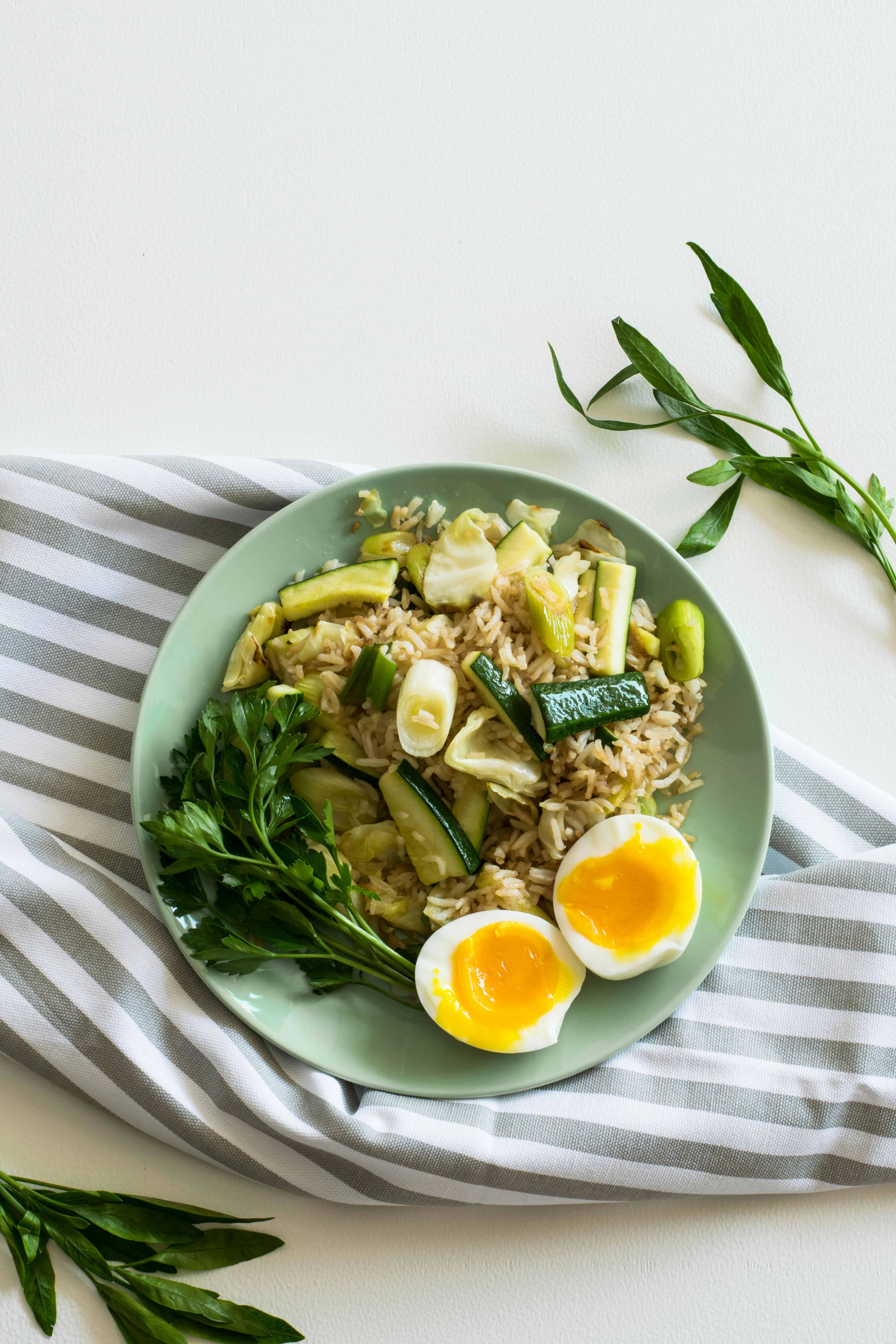
Putting the High‑Protein Macro Trend in Perspective
As of 2026, high‑protein recipes and macro‑tracking culture are still all over social media. Supermarkets are packed with high‑protein yogurts, puddings, bars, chips, and “fit” desserts designed to slot into #whatIeatinaday videos.
The exciting part of this shift is that it’s nudging many people away from purely calorie‑restrictive dieting and toward more nutrient‑focused eating. Protein‑dense meals can genuinely help with:
- Feeling fuller and more satisfied between meals
- Maintaining or building muscle, especially while losing fat
- Supporting stable blood sugar and energy
At the same time, not everyone needs sky‑high protein numbers, and whole foods generally beat ultra‑processed protein snacks. Recipes like this one let you enjoy the benefits of the high‑protein trend while still eating real, colorful, home‑cooked food.
You don’t have to eat perfectly to nourish yourself well. If you can turn even one or two meals a day into balanced, protein‑rich plates you genuinely enjoy, you’re already doing something wonderful for your body.
Recipe Structured Data (Schema.org)
The following JSON‑LD snippet provides structured data for search engines to better understand and feature this high‑protein macro‑friendly recipe.
