
What Your Body Really Reveals (And Doesn’t) About Penis Size
Every few months, a new “trick” pops up online claiming to reveal penis size—hands, feet, nose, even shoe size. A recent LADbible article highlighted a doctor weighing in on yet another visible body part people think can “give away” what’s in someone’s trousers. It makes for catchy headlines, but it also fuels a lot of quiet anxiety, comparison, and shame.
If you’ve ever caught yourself wondering, “Does my body give away my size?” or felt insecure because you don’t match some internet meme, you’re absolutely not alone. In this guide, we’ll unpack what science actually says about penis size and body features, what this doctor’s comments really mean, and—most importantly—how to put the focus back on real sexual health and confidence rather than myths.
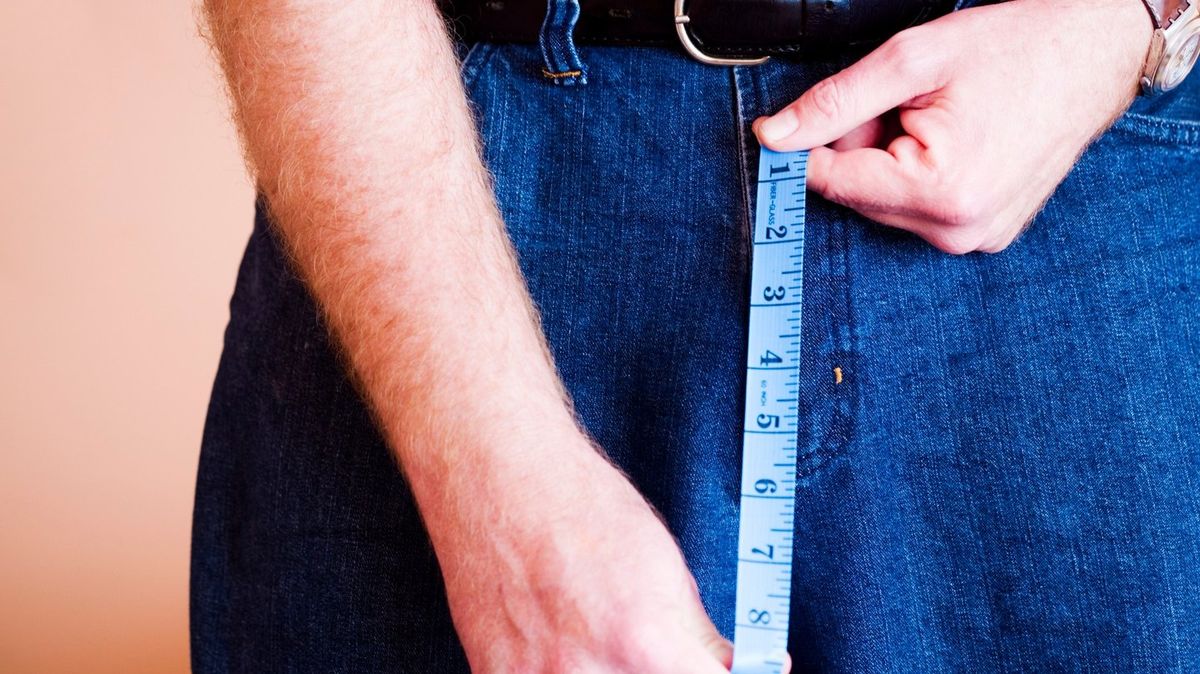
The Real Problem: Myths, Comparison, and Silent Anxiety
The LADbible story touches on a familiar theme: that you can guess penis size from a visible body part. Many people click out of curiosity; many others click because they’re worried. Underneath the jokes, there’s a real issue:
- People quietly compare themselves to others in locker rooms, changing rooms, and social media.
- Some men fear being judged or rejected based on size alone.
- Partners may worry that their expectations aren’t “normal” because of what they see in porn or online.
These feelings can lead to low self-esteem, performance anxiety, and even avoiding intimacy. That’s a heavy emotional load to carry over something that’s often distorted by myths and misinformation.
What Did the Doctor Actually Say About Body Parts and Penis Size?
In the LADbible piece, the doctor essentially challenges the old “big feet, big meat” saying and similar claims about hands and other body parts. The takeaway aligns with what research has found repeatedly: there is no reliable external body part that can accurately predict penis size for the general population.
Medicine does sometimes look at proportions—like hand span, height, or limb length—when assessing certain hormonal or developmental conditions. But using those features on everyday healthy people as a shortcut to guess penis length is not scientifically valid.
“Small differences in average body proportions can exist in research, but they do not translate into a useful ‘eye test’ for predicting an individual’s penis size.” — Urologist’s perspective, summarizing current evidence
In other words: yes, scientists may publish technical data about average sizes, but no, that does not mean you can look at someone’s hands, nose, or any other visible body part and know what they’re working with.
What Science Actually Says About Penis Size and Body Features
Large-scale reviews and meta-analyses—where researchers combine data from many smaller studies—give us the clearest picture we have so far.

Key findings from reputable research include:
- Average size is narrower than most people think. Many studies find that most erect lengths cluster around a relatively small range.
- There is wide natural variation. Like height or foot size, penis size exists on a spectrum. Being above or below average is usually just a normal human difference, not a medical problem.
- Correlations with height or other body parts are weak. Some studies find tiny statistical connections, but they’re not strong or consistent enough to be useful predictors.
To put it simply: research can talk about averages and probabilities for large groups, but it cannot turn visible body parts into a “size detector” for individual people.
Why These Myths Stick—and How They Affect Body Image
Despite science, the idea that you can “spot” size from a distance keeps coming back. There are a few reasons:
- Simple stories are easier to remember. “Big hands, big…” is catchy and easy to repeat.
- Social pressure and jokes. People laugh it off, but the underlying message—that size equals worth—can sting.
- Porn and media distortion. Adult content tends to feature extreme ends of the size spectrum, not the average person.
Over time, these influences can make perfectly normal people feel like something is wrong with them. In practice, therapists and doctors often see:
- Men who are medically normal but convinced they are “too small.”
- Partners who worry they don’t “measure up” to what they’ve seen online.
- Couples avoiding sexual intimacy due to performance fears.
“For many clients, the problem isn’t their body—it’s the unrealistic comparison they keep making in their head.” — Licensed sex therapist, on size anxiety in practice
A Real-World Example: From Obsession to Acceptance
Consider a composite example based on common patterns clinicians report:
A man in his late twenties, let’s call him “Sam,” became fixated on his penis size after overhearing jokes at school and later seeing exaggerated images online. When he read headlines about body parts that supposedly reveal size, he obsessively compared his hands and feet to others in public.
By the time he sought help, he avoided dating because he feared being “found out.” A urologist measured him and explained that his size was well within the normal range. Working with a therapist, Sam gradually:
- Reduced how often he checked himself or compared to others.
- Challenged the belief that size defined his masculinity.
- Focused on communication, connection, and skills that actually improve intimacy.
Over time, his confidence grew—not because anything about his body changed, but because his perspective did. Stories like this are extremely common, and they highlight why responsible, evidence-based information matters.
What Matters More Than Size: Real Markers of Sexual Health
When doctors talk about men’s sexual health, penis size is usually not the main concern. More important indicators include:
- Ability to get and maintain an erection when desired.
- Absence of pain, unusual curvature, sores, or discharge.
- Overall cardiovascular health (because blood flow is key to erections).
- Hormonal balance, especially testosterone when symptoms suggest a problem.
- Mental health, including stress, anxiety, and depression.

Practical Steps to Calm Size Worries and Build Confidence
You can’t control your genetics, but you can change how you relate to your body and your sex life. Here are some evidence-informed strategies:
- Curate your media diet.
Limit exposure to porn or content that focuses heavily on extreme or unrealistic bodies. Choose educational or body-positive sources instead.
- Learn what “normal” really looks like.
Reputable sexual health organizations sometimes share ranges and diagrams that can reset your expectations toward reality rather than myth.
- Focus on skills, not centimeters.
Communication, emotional connection, foreplay, and understanding your partner’s preferences are far more important for mutual satisfaction than size alone.
- Talk to a professional if it’s overwhelming.
A GP, urologist, or qualified therapist can provide reassurance, rule out medical issues, and help with body image or anxiety.
- Avoid unproven “enhancement” products or procedures.
Many pills, devices, and injections marketed online lack solid evidence and can be risky. Always consult a medical professional before considering any treatment.
A Healthier Mindset: Before and After Letting Go of Myths
You can think of this as a “before and after,” not in terms of body changes, but mindset shifts:
| Before | After |
|---|---|
| Constantly comparing hands, feet, or other body parts to others. | Recognizing those comparisons as unreliable and letting them go. |
| Believing size is the main factor in sexual satisfaction. | Focusing on communication, consent, and mutual pleasure. |
| Feeling shame or fear about being “exposed.” | Feeling more accepting of your body and open with partners. |
Moving Beyond Myths: Your Next Steps
The buzz around which body part “gives away” penis size makes for viral content, but it doesn’t reflect how sexual health or satisfaction truly work. Hands, feet, noses, and other visible features are not reliable predictors of size—and focusing on them usually just fuels anxiety.
What you can rely on is this: most people fall within a normal range, and far more important than size are respect, communication, and caring about your partner’s experience. Those are things you can actively improve, no matter what your measurements are.

If this topic hits close to home, consider:
- Bookmarking one or two reputable sexual health sites for future questions.
- Scheduling a check-up if you have concerns about function, pain, or changes.
- Talking with a trusted partner or therapist about how these worries affect you.
You deserve a sex life based on confidence, consent, and connection—not on outdated sayings or clickbait comparisons. Let the myths go; your body is allowed to be ordinary and still be entirely good enough.
