
Viral Chaos at NYC Scientology Center: What the Teen Mob Incident Really Says About Online Prank Culture
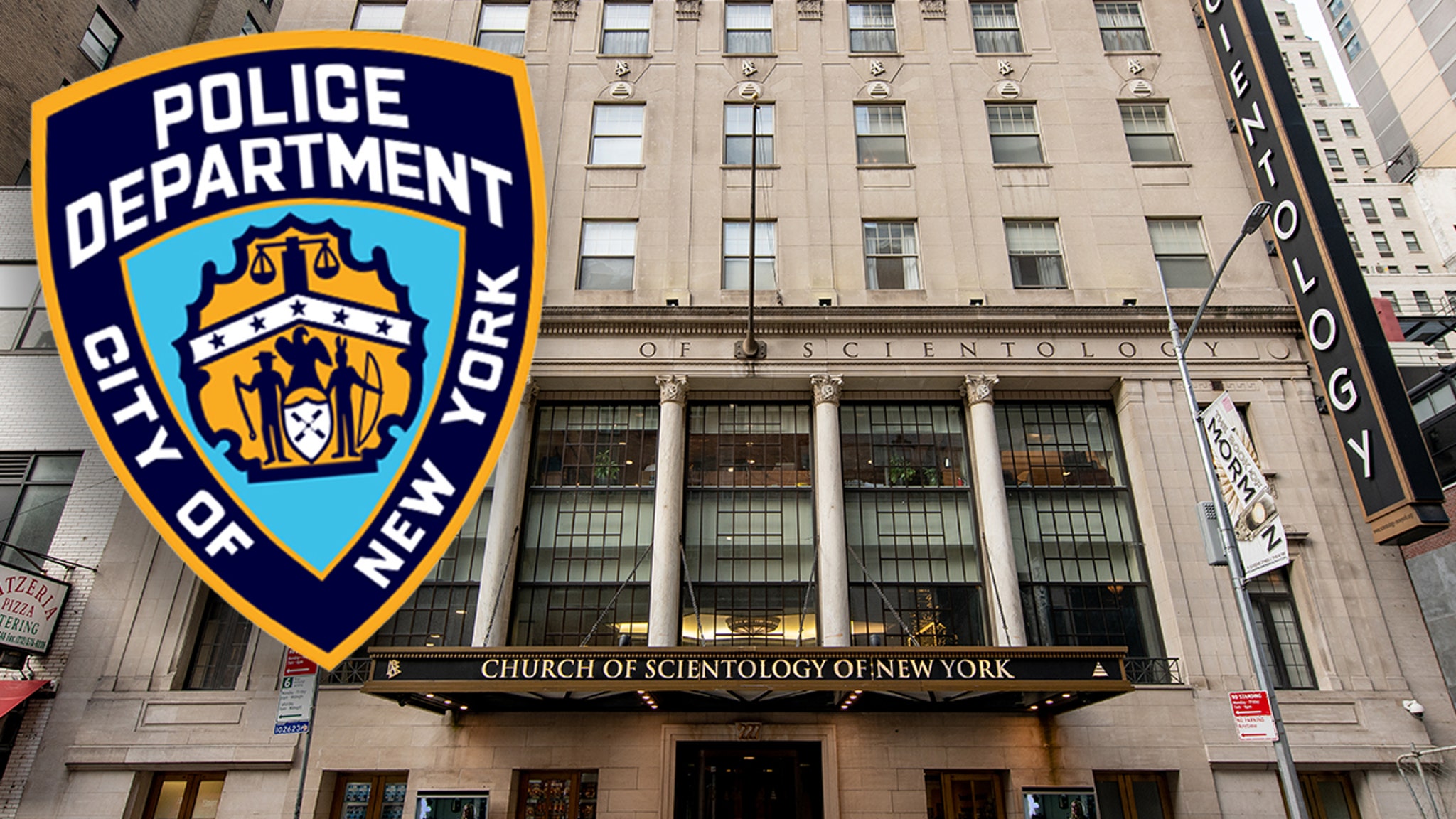
A mob of teenagers stormed a Scientology building in New York City, damaging property and injuring an employee in an incident that quickly went viral, raising questions about prank culture, social media clout chasing, and how controversial institutions like Scientology are treated in the public eye.
On a recent Saturday in Manhattan, what might have started as a “wild content” mission for a group of teens reportedly turned into a legitimately dangerous situation. According to TMZ and early local reports, a pack of minors forced their way into a Church of Scientology facility, went on a destructive tear, and left at least one staffer injured before scattering.
The clash between a polarizing institution, a group of bored (or strategically clout-hungry) kids, and the ever-watchful eye of the internet is very 2026: part culture war, part social-media spectacle, part genuine security concern.
What Happened Inside the NYC Scientology Building?
Details are still emerging, but the broad strokes are consistent across entertainment and local news outlets:
- A group of minors allegedly entered a New York City Scientology building without permission.
- The teens reportedly caused property damage inside the facility.
- An employee was injured during the chaos and required medical attention.
- Authorities were called, and an investigation into potential charges is underway.
At the time of writing, law enforcement has not publicly released a full breakdown of charges or identities, largely because the individuals involved are minors. That hasn’t stopped the story from ricocheting across social media, where the event is already being sliced into viral clips, reaction videos, and hot takes.
Why a Scientology Building, of All Places?
The Church of Scientology has long occupied a strange place in entertainment and internet culture—part religion, part celebrity magnet, part meme fodder. From HBO’s “Going Clear” to Leah Remini’s “Scientology and the Aftermath”, the organization has been painted alternately as an abusive institution, an eccentric belief system, and an endless source of Hollywood lore.
That cultural baggage matters here. For a generation raised on YouTube exposés and TikTok “cult stories,” a Scientology building is already framed as a transgressive backdrop—a ready‑made set for “we snuck into…” videos and urban-exploration reels.
“Scientology is a religion that demonizes doubts and punishes those who dare ask questions.”
— Alex Gibney, director of “Going Clear,” discussing the church’s public image
None of that justifies violence or vandalism. But it does shape why some teens might see a Scientology center less as a religious site and more as an edgy prop—something “fair game” for pranks in a way a random church or synagogue likely wouldn’t be.
Teen “Mob” or Content Crew? The Social Media Angle
While police and outlets like TMZ describe a “pack of unruly teens,” the phrase doesn’t fully capture the media ecosystem these kids are operating in. The modern internet almost gamifies escalation: the wilder the stunt, the more shares, and the more clout.
We’ve already seen multiple waves of similar behavior:
- Mall stampedes driven by surprise influencer appearances.
- “Sneak in” challenges at concerts, sporting events, and theme parks.
- Clout vandalism, where property damage is treated as a punchline or a flex on TikTok.
The NYC Scientology incident fits into this pattern: a location with built‑in notoriety, a group dynamic that diffuses individual responsibility, and the rush of potentially going viral. The fact an employee was reportedly injured turns what some might have framed as a “prank” into something squarely in assault territory.
Legality, Responsibility, and the Ethics of Targeting Controversial Groups
There are two overlapping questions here:
- What’s the legal situation?
- What’s the ethical one?
On the legal side, forced entry, property damage, and injuring an employee can translate into serious charges—breaking and entering, vandalism, assault—regardless of the target. Courts typically don’t care how many exposés you’ve watched about Scientology; an injured worker is still an injured worker.
Ethically, the conversation gets messier. Scientology is more heavily criticized than many religions, often with good reason documented by journalists and ex‑members. But turning that criticism into an excuse for mob behavior blurs the line between activism and harassment—and risks validating the church’s longstanding narrative that it’s under siege from irrational “haters.”
“The minute you start justifying violence because you don’t like the institution, you’ve already handed them the moral high ground.”
— Media ethicist commenting on protest tactics around controversial groups
That’s the paradox: acts like this arguably help Scientology more than they hurt it in the PR arena, allowing it to pivot from “scrutinized organization” to “victim of hate‑driven attacks.”
How TMZ and Celebrity Media Frame Incidents Like This
TMZ’s coverage leans into loaded language—“pack,” “unruly,” “terrifying incident.” That dramatic framing isn’t unusual; sensational vocabulary is a house style in celebrity and tabloid coverage, particularly when teens, conflict, and a polarizing brand like Scientology intersect.
That framing does a few things:
- Amplifies the chaos – making the story headline‑friendly and emotionally charged.
- Flattens nuance – we don’t get much about why the teens were there or whether social media filming was involved.
- Centers the brand – using “Scientology” in the title guarantees clicks from both critics and the merely curious.
For readers, the key is to separate spectacle from substance. The core verified facts—unauthorized entry, damage, an injured staffer—matter more than the adjectives draped around them.

From “Prank” to Crime: Where Internet Culture Draws the Line
There’s a long lineage of “edgy” content creators testing boundaries—think early YouTube prank channels that faked bomb scares or staged kidnapping skits in public spaces. Many of those creators eventually faced demonetization, bans, or real‑world legal fallout.
What we’re seeing now with the NYC Scientology incident feels like Gen‑Z’s remix of the same impulse:
- DIY stunt culture without professional stunt coordinators or legal teams.
- Blurred audience feedback, where “this is insane” can mean both disapproval and admiration.
- Platform incentives that reward escalation over reflection.
When an employee ends up hurt, the “it was just a joke” defense rings especially hollow. We’ve hit the point where platforms, parents, and peers all share some responsibility in de‑glamorizing this kind of behavior.
Security, Youth, and Urban Spaces: Who Feels Safe?
Incidents like this also feed into a broader conversation about safety in urban cultural spaces—whether that’s religious buildings, museums, indie theaters, or fan conventions. Staffers who are usually there to offer tours or answer questions suddenly find themselves on the front line of unpredictable group behavior.
For New York City in particular, where nearly every building doubles as a potential content backdrop, it’s another reminder that security protocols increasingly have to anticipate:
- Unannounced group “raids” organized via DMs or Discord.
- Flash‑mob style arrivals coordinated around trending sounds or challenges.
- Participants who may be minors, complicating law‑enforcement responses.

Cultural Fallout: How This Might Play Out for Scientology and the Teens
For Scientology, the short‑term narrative is straightforward: a group of outsiders invaded their space and hurt one of their people. Expect official statements emphasizing violation of religious freedom, safety concerns, and cooperation with law enforcement. It’s a rare moment where the church can present itself clearly as the wronged party.
For the teens involved, the impact could range from shaken‑off scare to life‑altering:
- Criminal records that follow them into adulthood.
- Online footprints that never disappear, especially if faces were filmed.
- School or parental consequences once identities are known.
In the broader culture, the story may well end up as another bullet point in think‑pieces about “out of control youth” and “Gen‑Z and the internet,” even though that framing often ignores the role of platform design and adult media appetites in creating these incentives.

Where This Story Goes Next—and What It Says About Us
The NYC Scientology incident will likely move through a familiar media arc: viral shock, moral panic, then quiet legal cleanup. What lingers is the discomfort: a controversial organization, a hurt employee who probably didn’t sign up for any of this, and a generation of kids who’ve learned that the most effective way to be seen is to push things just a little too far.
As police reports, potential charges, and any Scientology statements roll out, the more interesting question isn’t whether this was “bad behavior” (it clearly was), but how many adults—platform designers, media outlets, and yes, viewers—helped build a culture where turning a religious building into a stunt location felt like a viable idea in the first place.
For now, it’s worth resisting the easiest narratives: teens as pure villains, Scientology as pure victim, or the internet as some unstoppable force. The reality, as usual, is more tangled—and how we untangle it will say a lot about where entertainment and online culture head next.
