
‘The Devil Wears Prada 2’ Review: How a Fantasy Ending Warps a Brutally Real Media Satire
The Devil Wears Prada 2 lands at a moment when media layoffs, TikTok fashion hauls, and algorithmic fame feel far more terrifying than any handbag-related humiliation in the Runway offices. The new sequel leans into that reality, pulling characters and conflicts straight from today’s headlines—until its dreamy, studio-friendly ending abruptly swaps sharp media satire for glossy fantasy.
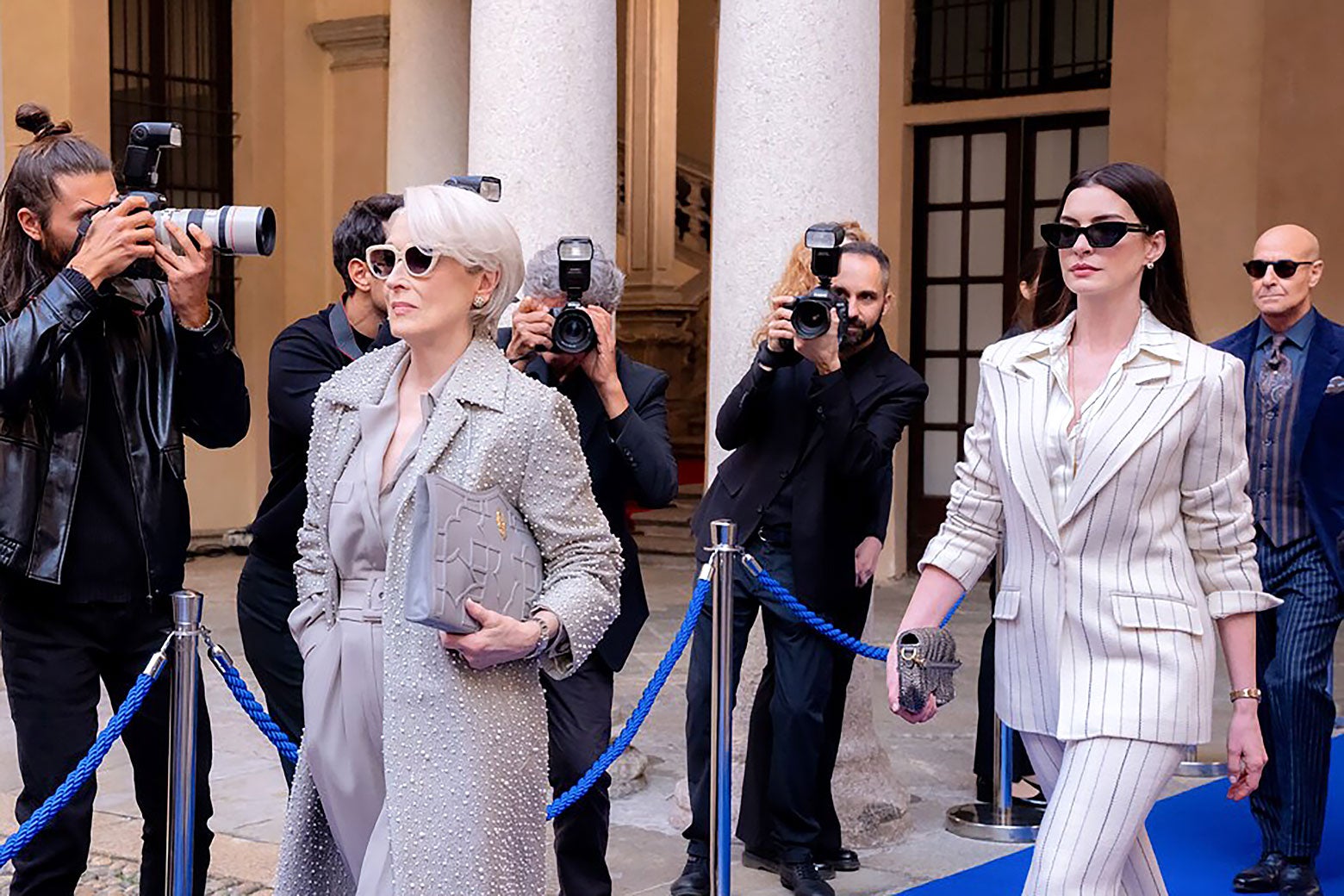
Drawing on reporting about Vogue, Condé Nast, social media disruption, and the collapse of old-school glossy power, the film’s opening acts feel unnervingly accurate—right down to the language of “restructuring” and “pivoting to video” that haunts every newsroom Slack. But as Slate’s review points out, the movie’s final stretch escapes into a fairy-tale resolution that only exists in a universe where brands and bosses can be redeemed with a single speech.
From Runway to Reality: How Much Has the World Changed Since 2006?
When the original The Devil Wears Prada premiered in 2006, its power derived from a simple fantasy: what if a regular person accidentally became Anna Wintour’s assistant? The movie framed fashion media as a rarefied kingdom ruled by print editors, ad pages, and physical front rows at Fashion Week.
Two decades later, the sequel inherits a world where:
- Print circulation is shrinking and legacy magazines are merging or folding.
- Influencers and creators command front-row seats once reserved for editors.
- Fashion weeks are as much about Instagram and TikTok content as actual collections.
- Media workers cycle through layoffs, freelance gigs, and side hustles at dizzying speed.
Slate’s piece situates The Devil Wears Prada 2 squarely in this transition, noting how closely it mirrors real-world shifts at Vogue, Vanity Fair, and their peers—the same ecosystem that inspired Lauren Weisberger’s novel and Anna Wintour–coded Miranda Priestly in the first place.
A Brutally Familiar Opening: Andy’s Layoff and the New Media Grind
The sequel opens not with glamorous deliveries or impossible latte runs, but with a scene now depressingly common in journalism: Andrea “Andy” Sachs (Anne Hathaway) getting laid off. It’s a sharp reset of the fantasy—grown-up Andy is no longer the wide-eyed assistant; she’s a seasoned media professional, and the industry has caught up with her.
According to Slate’s review, the details of the layoff sequence feel uncomfortably authentic: HR-speak, bland empathy, and empty assurances about “opportunities in the digital space.” It taps into years of headlines about mass redundancies at legacy outlets, tech layoffs, and the slow defunding of cultural reporting.
“The Devil Wears Prada 2 opens with a scene that will be painfully familiar to anyone who has suffered the indignities of working in the media industry: Andrea Andy Sachs gets laid off…”
This isn’t just flavor—it establishes the film as a workplace dramedy grounded in the economics of 2020s culture, where even the most competent employees can’t outwork collapsing business models.
Runway in the Age of Influencers: Ripped-From-the-Headlines Characters
Once Andy’s personal crisis is set, the film pivots back to Runway—now a glossy institution trying to survive in a landscape it no longer fully controls. Where the original pitted Miranda’s authority against designers and editors, the sequel adds new players clearly modeled on today’s cultural figures:
- Gen Z fashion influencers with millions of followers and limited loyalty.
- Silicon Valley–flavored executives obsessed with data, growth, and subscriptions.
- Brand strategists pitching “synergy” between journalism, e-commerce, and social media.
Slate notes how these characters feel “ripped straight from our reality,” borrowing traits from real-world editors, media CEOs, and viral creators. While the film steers clear of naming names, you can spot echoes of Condé Nast restructurings, high-profile fashion TikTokers, and the endless tension between editorial independence and sponsored content.
Miranda Priestly, Rebooted: Can Old-School Power Survive New-School Scrutiny?
Meryl Streep’s Miranda Priestly has always been half-villain, half-myth. In 2006, she represented the terrifying apex of editorial power: one phone call could end a career or an entire collection. The sequel grapples with what that authority looks like in an era of public call-outs and corporate oversight.
Slate’s review highlights how the film threads in contemporary anxieties: HR investigations, leaked emails, and social media pile-ons that would have been unthinkable in the original. The Miranda here can’t simply slam a door and vanish into an office; she has to navigate shareholder expectations, global branding, and the optics of being a feared boss in a post-#MeToo landscape.
“The sequel captures just how much the world of Runway and Vogue has changed in the past 20 years, complete with figures ripped straight from our reality.”
The result is a more ambivalent Miranda: still commanding, still impossible, but also constrained by a corporate ecosystem that often feels as menacing as she once did.

Where the Realism Stops: A Fantastical Ending That Lets Everyone Off Easy
For much of its runtime, The Devil Wears Prada 2 feels eerily grounded. That’s why Slate zeroes in on its ending as a tonal swerve: when the plot finally resolves, the messy reality of media economics gives way to a more comforting fantasy.
Without diving into specific spoilers, the finale reportedly suggests that:
- Personal integrity and one grand gesture can meaningfully transform a broken system.
- Iconic brands can magically satisfy shareholders, audiences, and workers simultaneously.
- Long-brewing tensions between print and digital, editorial and advertising, can be neatly wrapped up in a single climactic moment.
It’s a satisfying watch in the moment—this is still a studio sequel with movie-star charisma to burn—but the logic doesn’t track with the article’s carefully sketched context. The ending belongs to the same wish-fulfillment universe that birthed the original’s cerulean-sweater monologue, not the beleaguered, strike-prone industry we’ve been reading about for the past decade.
Strengths vs. Weaknesses: A Sequel Caught Between Satire and Comfort Food
Slate’s analysis frames The Devil Wears Prada 2 as both a sharp update and a slightly timid one. On the plus side, it’s far more plugged into contemporary culture than many long-delayed sequels:
- Strength: Timely workplace realism. The layoff scenes, hustling freelancers, and frazzled social teams ring true.
- Strength: Evolved power dynamics. Miranda and Runway now share the frame with younger, digital-native power brokers, mirroring modern fashion’s diffuse authority.
- Strength: Cultural relevance. The film nods to influencer marketing, algorithm-driven virality, and the uneasy marriage of commerce and culture.
But that realism bumps up against structural limitations:
- Weakness: A too-tidy resolution. The fantastical ending undercuts the film’s more scathing observations about the business.
- Weakness: Thin systemic critique. We see the problems—consolidation, burnout, precarity—but not much about what real change might look like.
- Weakness: Nostalgia safety net. At times, the movie seems more invested in delivering callbacks and comfort than following its own cynicism to a logical conclusion.
How It Stacks Up: From Succession to The Bold Type
In the 2000s, The Devil Wears Prada felt like one of the few mainstream texts about fashion media. Now, the sequel arrives in a crowded field of workplace dramas and satires:
- Succession offered a far bleaker, funnier look at media conglomerates and dynastic power.
- The Bold Type tackled magazine life through a more earnest, millennial lens—with its own balancing act between realism and fantasy.
- The Morning Show explored TV news in crisis, revealing how image management can trump structural accountability.
Slate implicitly positions The Devil Wears Prada 2 between these poles: more caustic than a pure comfort watch, less ruthless than prestige TV. It’s not quite a takedown, not quite an escapist romp—more like a glossy mirror that fogs over just when the reflection gets too harsh.
Final Verdict: A Sharp Mirror with a Soft-Focus Frame
Slate’s review ultimately treats The Devil Wears Prada 2 as a sequel that understands exactly how the fashion and media worlds have evolved—and then chooses to end the story in a place that those worlds rarely allow: a clean, emotionally satisfying win. Its depiction of layoffs, influencer capitalism, and diluted editorial power is among the sharper in recent mainstream cinema. Its finale, however, feels more like a nostalgic hug than a realistic prognosis.
That tension might be the point. For all its insider nods and ripped-from-the-headlines characters, The Devil Wears Prada has always been about the seduction of fantasy: the fantasy of entry into rarefied spaces, of being chosen by power, of walking away with both your integrity and your wardrobe intact. The new film simply updates that fantasy for the subscription era, even if the industry it portrays is running out of room for such neat endings.
Whether that compromise feels satisfying or evasive will likely depend on where you sit: in the front row, on the content team, or refreshing your inbox for the next restructuring email.
For more detailed commentary and spoilers, you can read the full review on Slate and revisit the original film’s page on IMDb.
This article summarizes and comments on Slate’s review of The Devil Wears Prada 2, focusing on its realistic depiction of media and fashion contrasted with its more fantastical, wish-fulfillment ending.
