
Should You Get an Alzheimer’s Blood Test? What Patients Want—and What Doctors Worry About
Imagine going in for a simple blood draw and walking out with an estimate of your future risk of Alzheimer’s disease—long before you notice any memory problems. For many people who’ve watched a parent or partner live with dementia, that promise feels powerful, even urgent. But doctors are far less certain that these new Alzheimer’s blood tests are ready to guide real-world decisions.
In this guide, we’ll unpack what these blood tests actually measure, what the latest research (through early 2026) says, why many clinicians are cautious, and how you can think through whether testing is right for you. The goal isn’t to talk you into—or out of—getting tested, but to help you make an informed, emotionally prepared choice.

Why Alzheimer’s Blood Tests Are Suddenly Everywhere
The idea behind an Alzheimer’s blood test is straightforward: measure specific proteins in your blood—such as amyloid, tau, or markers of nerve injury—that tend to change years before symptoms like memory loss appear. Several lab-developed tests are now commercially available in the U.S., and news coverage often portrays them as a breakthrough screening tool.
But early detection in Alzheimer’s is not as simple as, say, checking cholesterol. At the moment, many of these blood tests:
- Are not fully standardized across labs or countries.
- Are better at research and specialty-clinic triage than at routine screening of healthy adults.
- May not be covered by insurance or clearly linked to effective treatments for most people.
“We’re closer than ever to reliable blood-based Alzheimer’s biomarkers, but we’re not yet at the point where they function like a standard screening test for everyone,” notes several dementia specialists in recent consensus statements published through 2025.
What Do Alzheimer’s Blood Tests Actually Measure?
Most current Alzheimer’s blood tests look for patterns tied to the biological changes of Alzheimer’s disease, not the everyday experience of dementia symptoms. Common targets include:
- Amyloid proteins (like Aβ42/40 ratio):
Abnormal levels may reflect amyloid plaques in the brain, a hallmark of Alzheimer’s. - Phosphorylated tau proteins (p-tau181, p-tau217, p-tau231):
These can rise as tau tangles accumulate and nerve cells are damaged. - Neurodegeneration markers (e.g., neurofilament light chain, NfL):
Suggest broader brain cell injury, not specific to Alzheimer’s.
In research studies, certain combinations of these markers can predict which people with mild memory symptoms are more likely to have Alzheimer’s changes on PET scans or spinal fluid tests. Some studies through 2024–2025 show strong accuracy in specialized settings. But:
- Accuracy in younger, healthier, and more diverse populations is still being tested.
- Different companies’ tests are not interchangeable.
- Cutoff values (what counts as “positive”) are still being refined.
Why So Many Patients Say They Want the Test
If you’ve seen a loved one slip away to dementia, the appeal of “knowing early” is deeply emotional and very understandable. In surveys cited in news coverage and academic journals, many middle-aged and older adults say they would want an Alzheimer’s blood test, even without symptoms.
Common motivations include:
- Planning ahead: Arranging finances, legal documents, living situation, and caregiving while still fully capable.
- Making the most of time: Prioritizing travel, family time, or career decisions.
- Seeking treatments or trials: Looking for medications or research studies that target early-stage disease.
- Wanting certainty: Trying to relieve the anxiety of “not knowing” by getting an answer—any answer.

“After watching my mother struggle, I thought: if there’s a test that could give me a heads-up, I want it,” shared one patient in a memory clinic case report. “But I didn’t realize how complicated the ‘what next?’ would be.”
Why Many Doctors Aren’t Sure These Tests Help Yet
While patients often focus on the desire to know, many clinicians are weighing a different set of questions: Will this test meaningfully improve your health, quality of life, or care? Or could it cause more confusion and distress than benefit?
Common concerns physicians and ethicists raise include:
- Unclear next steps: A “positive” result in someone without symptoms doesn’t guarantee they’ll develop dementia, nor does a “negative” test guarantee protection. There’s no universally agreed-upon treatment plan based solely on blood markers.
- Emotional impact: Learning you may be at higher risk can trigger anxiety, depression, or a sense of hopelessness—especially if counseling and support aren’t in place.
- Misinterpretation: Without specialist guidance, people may mistake risk for destiny, or misunderstand what the numbers truly mean.
- Equity and ethics: Tests may reach those with resources first, while support services lag behind, widening disparities. There are also ongoing debates about privacy, stigma, and potential misuse of risk information.
“Just because we can measure something in the blood doesn’t automatically mean we should screen everyone for it,” several neurologists have argued in editorials. “We have to be sure the information will be used in ways that genuinely help people.”
Who Might (and Might Not) Benefit from an Alzheimer’s Blood Test Right Now?
Because guidelines are still evolving, there is no single “right” answer. But many expert groups and memory clinics are converging on a cautious, case-by-case approach rather than routine screening of the general public.
People who may benefit more from testing (when guided by specialists):
- Adults with mild memory or thinking changes where the cause is unclear.
- Patients being evaluated for new Alzheimer’s drugs, when blood tests are used to decide whether to proceed to PET scans or lumbar puncture.
- Those enrolling in certain clinical trials, where biomarkers are used to confirm eligibility.
People where routine testing is more controversial:
- Completely symptom-free adults in the general population.
- People seeking tests without access to proper counseling or follow-up care.
- Anyone expecting a clear “yes/no” answer about their future rather than a nuanced risk estimate.
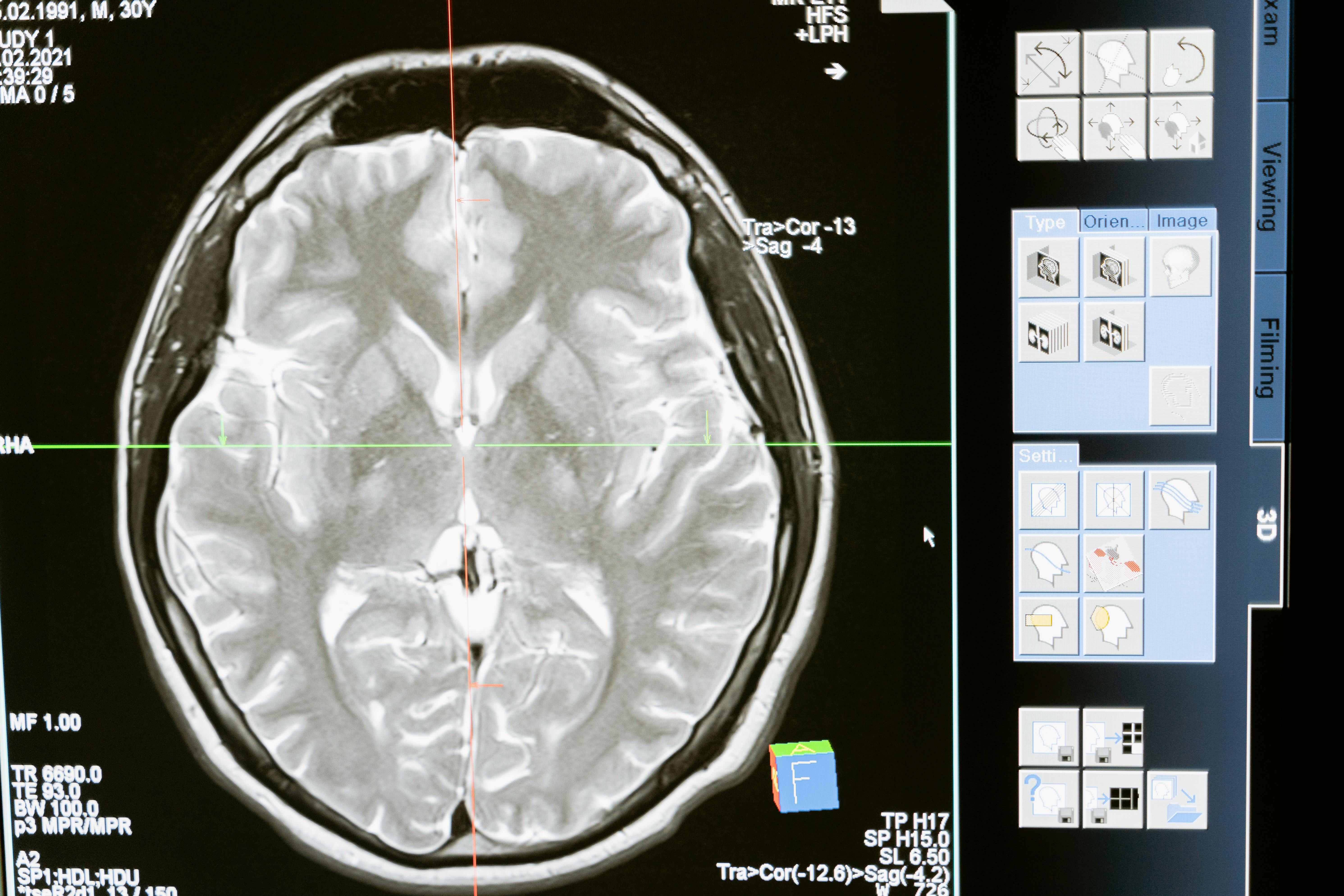
What These Tests Can—and Cannot—Tell You
To decide whether an Alzheimer’s blood test fits your goals, it helps to be very clear about the limits of what a result means.
Generally, these blood tests can:
- Give clues about whether your brain may have biological changes consistent with Alzheimer’s disease.
- Help specialists decide if more definitive tests (like PET imaging or spinal fluid analysis) are warranted.
- Support diagnosis when combined with a full clinical evaluation and cognitive testing.
They generally cannot (at least not yet):
- Guarantee whether you will or will not develop dementia.
- Predict the exact age at which symptoms may appear.
- Replace a full medical and cognitive evaluation in people with symptoms.
- Serve as a definitive go/no-go decision-maker for starting or stopping everyday life activities.
If You’re Worried About Alzheimer’s, What Can You Do Now—With or Without a Test?
Whether or not you ever take an Alzheimer’s blood test, there are evidence-informed steps that can help protect brain health and overall wellbeing. None of these guarantee prevention, but they are associated with lower dementia risk and better quality of life.
- Address heart and blood vessel health.
High blood pressure, diabetes, high cholesterol, and smoking all raise dementia risk.- Work with your clinician to manage blood pressure, blood sugar, and cholesterol.
- Ask about safe exercise options tailored to your fitness level.
- Stay mentally and socially engaged.
Lifelong learning, social connection, and meaningful activities are linked to healthier aging brains. - Sleep and mood matter.
Untreated sleep apnea, chronic insomnia, depression, and anxiety can all affect thinking. - Plan practically, not just medically.
Powers of attorney, advance directives, and financial planning reduce future stress—regardless of your test results.

A Step-by-Step Approach to Deciding About an Alzheimer’s Blood Test
If you’re still unsure, walking through a structured decision process can make things clearer and reduce regret later.
- Clarify your “why.”
Write down your top 2–3 reasons for wanting (or avoiding) testing. Are you hoping to join a trial? Make financial plans? Ease uncertainty? - Talk with a knowledgeable clinician.
Ideally, that’s a neurologist, geriatrician, or memory clinic provider familiar with biomarkers. Ask how they would interpret possible results in your specific situation. - Consider the emotional impact.
Ask yourself: “How might I feel with a higher-risk result? With a lower-risk result? What support would I need either way?” - Review practical details.
Check cost, insurance coverage, privacy protections, and what confirmatory tests might be needed afterward. - Involve trusted people—if you want to.
A partner, family member, or friend can help you process information and support your decision and its aftermath.

What the Latest Research and Expert Groups Are Saying
Through early 2026, Alzheimer’s blood tests continue to advance quickly. Large studies are refining how well they predict PET and spinal fluid results, and companies are seeking regulatory validation. At the same time, professional organizations and research consortia are emphasizing:
- Use in specialized settings first, such as memory clinics and research centers.
- Careful counseling before and after testing, similar to genetic counseling.
- Ongoing evaluation of real-world harms and benefits, including psychological and social effects.
- Equity and access considerations, so that new tools do not widen existing care gaps.
For readers who like to go deeper, look for statements and reviews from:
- Alzheimer’s and dementia research societies and consortia.
- National neurology and geriatrics professional organizations.
- Peer-reviewed journals summarizing biomarker advances and ethical considerations.
Finding the Right Answer for You
Wanting clarity about your future brain health is normal, especially if Alzheimer’s has touched your family. Alzheimer’s blood tests are an exciting scientific development, but they are not yet a simple “yes/no” tool—and they’re certainly not the only way to take control of your brain health.
The most important step isn’t deciding for or against testing on your own. It’s finding a clinician willing to walk beside you, explain what we know and what we don’t, and help you plan next steps that honor your values, your mental wellbeing, and your long-term goals.
Your next move:
- Write down your questions and concerns about Alzheimer’s and early detection.
- Schedule a visit with your primary care clinician or a memory specialist to discuss them.
- Start (or strengthen) one brain-healthy habit this week—such as a daily walk, better sleep routine, or reconnecting with a friend.
Whatever you choose about testing, you are not powerless. Thoughtful planning, healthy habits, and supportive relationships can all make a meaningful difference—starting today.
