
Parents on Alert: What Pasadena’s Whooping Cough Outbreak Means for Your Family—and How to Stay Protected
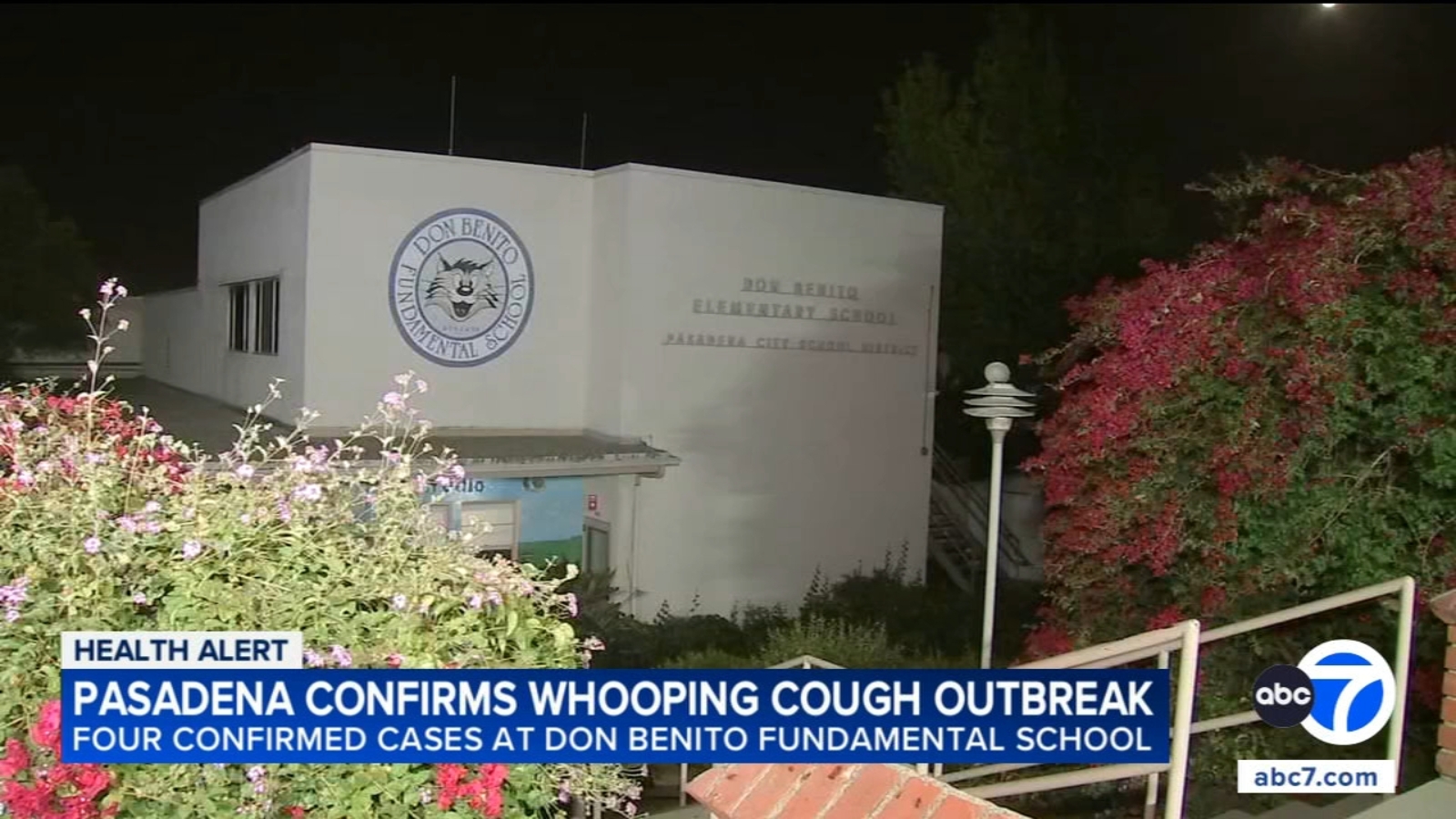
Pasadena health officials have confirmed four cases of whooping cough at Don Benito Fundamental School, raising understandable concern among parents and caregivers. If you’re reading this wondering whether your child is safe, how serious this is, or what you should do next, you’re not alone—and you’re right to ask questions.
In this article, we’ll walk through what whooping cough is, what we know about the current Pasadena outbreak, how to recognize symptoms, and the practical, science-backed steps you can take today to protect your family and help prevent further spread.
What We Know About the Whooping Cough Outbreak in Pasadena
According to Pasadena health officials and local news reports, four confirmed cases of whooping cough (pertussis) have been identified at Don Benito Fundamental School. Public health teams are:
- Investigating when symptoms started and how cases may be linked
- Notifying close contacts who may have been exposed
- Recommending testing and preventive antibiotics for certain high‑risk contacts
- Reviewing vaccination records for affected students and classrooms
While four cases qualify as an outbreak in a single school, this does not mean that every student will get sick. It does mean that parents, staff, and caregivers should be especially alert to symptoms and follow public health guidance closely over the coming weeks.
What Is Whooping Cough (Pertussis), and Why Does It Matter?
Whooping cough, or pertussis, is a highly contagious respiratory infection caused by the bacterium Bordetella pertussis. It spreads through tiny droplets when an infected person coughs or sneezes—similar to colds and flu—but it often lasts much longer and can be more dangerous, especially for:
- Infants younger than 12 months
- Pregnant people (especially in the third trimester)
- People with weakened immune systems or chronic lung conditions
“Pertussis can be serious, especially for babies. In fact, it can be deadly. About 1 in 4 infants younger than 12 months who get pertussis will be hospitalized.”
— U.S. Centers for Disease Control and Prevention (CDC)
Vaccines significantly reduce the risk of severe disease and hospitalization, but they do not provide 100% protection or lifelong immunity. That’s why periodic outbreaks can still occur in communities with otherwise good vaccination coverage.
Early Signs and Classic Symptoms of Whooping Cough
One of the challenges with whooping cough is that it often starts out looking like an ordinary cold. Recognizing when things might be more serious can help you seek care and testing sooner.
Stage 1: Mild “cold‑like” phase (Catarrhal phase)
This stage typically lasts 1–2 weeks and may include:
- Runny or stuffy nose
- Mild, occasional cough
- Low‑grade fever (or no fever at all)
- Sneezing and mild sore throat
During this time, people are highly contagious—but may not realize they have pertussis.
Stage 2: Severe coughing fits (Paroxysmal phase)
After 1–2 weeks, the cough often becomes more intense and distinctive. Symptoms can include:
- Frequent, violent coughing fits that can be hard to stop
- A high‑pitched “whoop” sound when inhaling after a coughing fit (more common in younger children)
- Vomiting or gagging after coughing
- Exhaustion and difficulty catching breath after episodes
- Bluish or dusky color around lips or face during bad spells (a medical emergency)
In vaccinated children, the “whoop” may be less obvious or absent, and the illness can look like a stubborn, prolonged cough.
Testing, Diagnosis, and Treatment: What Happens if Pertussis Is Suspected?
If your child has been exposed at Don Benito Fundamental School—or anywhere in Pasadena—and develops a persistent or worsening cough, contact your healthcare provider or pediatrician. Mention the known whooping cough outbreak so they can factor that into their assessment.
How pertussis is diagnosed
Clinicians typically use a combination of:
- Clinical history (type and duration of cough, known exposures)
- Physical exam and listening to the lungs
- Laboratory tests, often a PCR swab from the back of the nose/throat
Testing is most accurate early in the illness, but decisions about treatment may also be based on symptoms and exposure, especially during an outbreak.
Treatment and isolation
Pertussis is treated with antibiotics, usually from the macrolide family (such as azithromycin). These medications:
- Help reduce how long a person is contagious
- May lessen severity if started early
- Are sometimes given to close contacts preventively (prophylaxis), especially infants and pregnant people
Children and adults with confirmed or strongly suspected pertussis are generally asked to stay home from school, work, and group activities until they have taken antibiotics for at least 5 full days, or as directed by public health officials.
How to Protect Your Family During the Pasadena Whooping Cough Outbreak
No single measure is perfect, but layering several evidence‑based strategies can substantially reduce risk for your household and the school community.
1. Keep vaccinations up to date
The main defense against severe pertussis is vaccination with:
- DTaP for infants and young children (a series typically at 2, 4, 6, 15–18 months, and 4–6 years)
- Tdap booster for adolescents (around 11–12 years) and adults
- Tdap during each pregnancy, usually in the third trimester, to protect newborns
If you’re not sure whether your child is fully vaccinated, contact your pediatrician or the school nurse to review records.
2. Watch for symptoms and respond early
- Monitor your child for prolonged or worsening cough, especially with exposure at Don Benito or other Pasadena schools.
- Keep a simple log (on paper or your phone) of when the cough started and how it’s changing.
- Call your healthcare provider promptly if the cough persists more than 1–2 weeks, becomes severe, or is accompanied by vomiting or breathing trouble.
3. Keep kids home when they’re sick
This is one of the most effective ways to slow outbreaks—even when the illness turns out not to be pertussis. During this outbreak:
- Keep children with persistent or worsening cough home until cleared by a clinician.
- Follow specific instructions from Pasadena Public Health or your school about return‑to‑school timing after illness or exposure.
4. Practice respiratory hygiene
These simple behaviors help reduce spread of many infections:
- Teach children to cough or sneeze into a tissue or their elbow.
- Encourage regular handwashing with soap and water for at least 20 seconds.
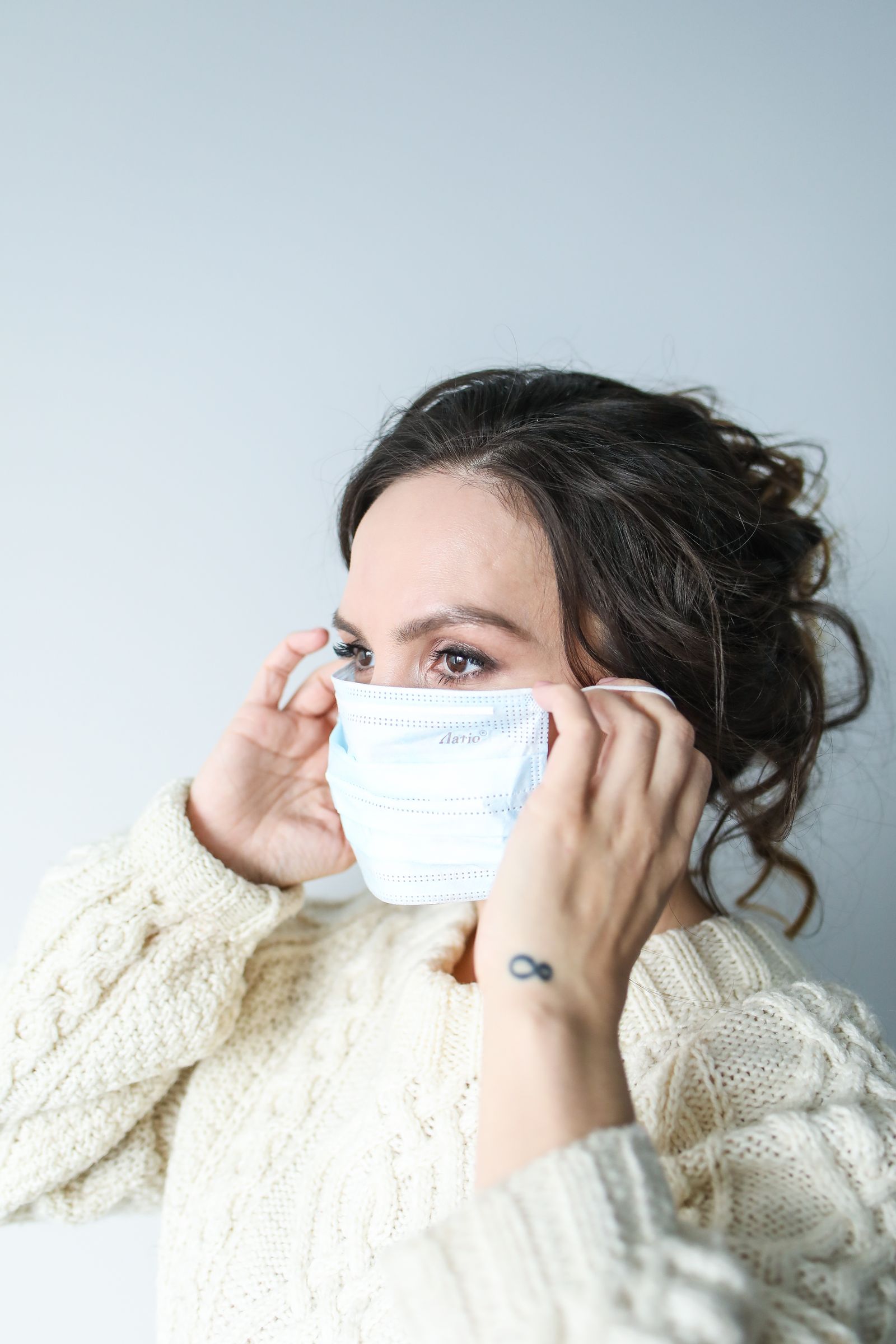
- Consider masking in crowded indoor settings if local public health recommends it, especially around vulnerable individuals.
Common Challenges Parents Face—and How to Navigate Them
Living through an outbreak while juggling work, school, and family responsibilities is stressful. Many parents share similar hurdles.
“I can’t miss more work, but I’m told to keep my child home.”
This is a very real burden. Some steps that may help:
- Ask your employer about sick leave, family leave, or remote work options during the outbreak.
- Coordinate with other trusted caregivers (grandparents, co‑parents, close friends) while following any public health guidance about exposure.
- Keep communication open with the school about attendance policies specific to the outbreak.
“I’m worried about vaccines, but I also want to protect my child.”
Vaccine decisions can feel heavy, especially when information online is confusing or conflicting. A practical approach:
- Schedule time with a trusted clinician to review your child’s history and your concerns.
- Ask specifically about risks of pertussis in your child’s age group compared to known vaccine side effects.
- Request clear, written information from reputable sources such as the CDC or your local health department.
“In our clinic, the most productive conversations happen when parents feel safe to ask anything—no judgment, just facts and a shared goal of keeping their child as healthy as possible.”
— Community Pediatrician, Los Angeles County
A Real‑World Example: How One Family Managed a School Pertussis Exposure
A Pasadena parent I spoke with recently—let’s call her Maria—received a notice that a classmate in her 8‑year‑old’s classroom had tested positive for whooping cough. Her son was mostly healthy but had mild asthma, which made her understandably anxious.
Here’s how Maria and her family approached things:
- Checked vaccination records: She confirmed her son had completed his DTaP series but had not yet had a Tdap booster, which she then scheduled in consultation with his pediatrician.
- Monitored symptoms closely: She kept a daily note on her phone about any cough, fever, or fatigue.
- Used telehealth first: When a mild cough started, she arranged a video visit; the clinician recommended testing based on the school exposure.
- Followed isolation advice: While awaiting results, they kept him home, arranged remote work, and coordinated help from extended family.
In the end, his test was negative, and the cough resolved. Maria later shared that having a clear plan—even if it meant some disruption—made the situation feel more manageable and less frightening.
Special Considerations for Infants, Pregnant People, and High‑Risk Family Members
Even if your child at Don Benito or another Pasadena school is older, you may have younger siblings, grandparents, or other vulnerable family members at home. Protecting them may require extra steps.
- Infants < 12 months: They are at the highest risk of hospitalization and complications from pertussis.
- Pregnant individuals: A Tdap shot in the third trimester helps protect both the parent and the newborn.
- People with chronic lung disease or weak immune systems: Even a “moderate” case can be more dangerous.
If someone in your home falls into these groups and has been exposed to a known or suspected pertussis case, contact their healthcare provider promptly. Preventive antibiotics may be recommended even before symptoms appear.

Moving Forward: Staying Informed, Prepared, and Compassionate
A whooping cough outbreak at your child’s school is unsettling, especially when the news feels close to home—as it does now for families connected to Don Benito Fundamental School in Pasadena. While the headlines can be alarming, you are not powerless in this situation.
By keeping vaccinations current, watching for early symptoms, following public health guidance, and supporting one another through the practical challenges of missed school and work, families and educators can significantly reduce the impact of this outbreak.
If you’re feeling overwhelmed, start with one step today:
- Review your child’s vaccination record
- Read the latest Pasadena Public Health update
- Draft a simple plan for what you’ll do if your child develops a persistent cough
Small, steady actions—rooted in good science and community care—go a long way in protecting the kids and families of Pasadena.
