
Lexie Brown, Klay Thompson & Megan Thee Stallion: When NBA Rumors Turn Dangerous
Lexie Brown, Klay Thompson & Megan Thee Stallion: When Sports Rumors Go Too Far
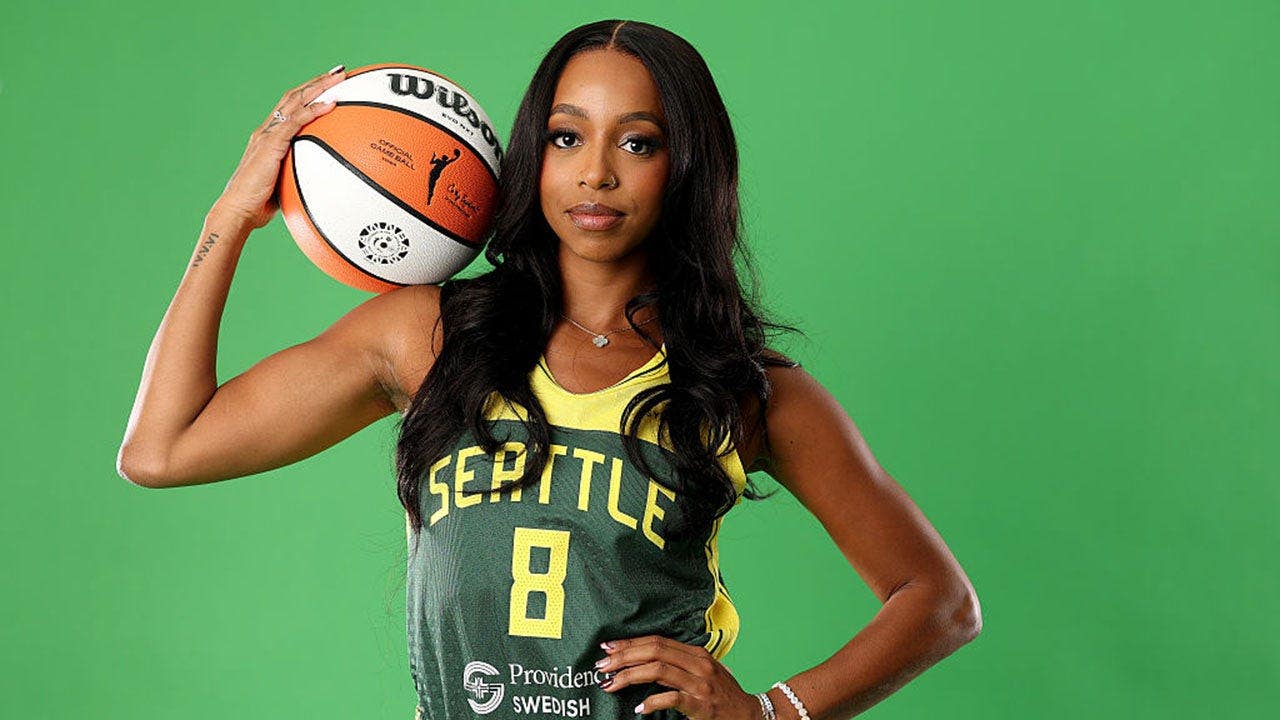
Lexie Brown of the Seattle Storm is calling out how online rumors about an alleged affair with Golden State Warriors guard Klay Thompson, in the middle of his breakup with rapper Megan Thee Stallion, escalated into harassment and threats against her. The situation is a sharp reminder of how modern sports gossip, fan culture, and social media can collide in ways that feel less like tea and more like a safety issue.
What began as unverified chatter on social platforms quickly morphed into a narrative with real-world consequences for Brown, prompting her to deny the affair and criticize Thompson and Megan Thee Stallion for not publicly shutting the story down. In an era where NBA players, WNBA stars, and hip-hop icons all operate in the same celebrity ecosystem, this controversy raises uncomfortable questions about who owes what to whom when rumors turn dangerous.
The Rumor, the Breakup, and the Crossfire: How Lexie Brown Got Pulled In
The backdrop here is familiar: a high-profile breakup between NBA champion Klay Thompson and Grammy-winning artist Megan Thee Stallion. Their relationship had already been the subject of fevered online speculation, and when it reportedly ended, social media did what it always does—started looking for a villain, a rebound, or a secret side plot.
Somewhere in that swirl, Lexie Brown’s name surfaced as a supposed “other woman.” There was no credible sourcing, just the usual cocktail of anonymous posts, fan theories, and out-of-context photos. Yet in the modern attention economy, that was enough to ignite a narrative that spread faster than any box score.
Brown, a respected WNBA guard with the Seattle Storm and the daughter of former NBA player Dee Brown, was suddenly trending for reasons that had nothing to do with her game. For a pro who has built her career in a league still fighting for equal visibility, being reduced to a rumor was not just insulting—it was dangerous.

According to Brown’s exclusive comments and public statement, the gossip didn’t stay confined to comments sections. She says it escalated into sustained harassment, including threats on her life. At that point, this stopped being a simple case of celebrity gossip and became a discussion about safety and accountability.
Lexie Brown’s Response: From Denial to Demanding Accountability
Brown did what a lot of public figures are advised not to do: she directly addressed the rumors. In a statement and subsequent comments, she made it clear that there was no affair and that the story was fabricated. More pointedly, she criticized both Thompson and Megan Thee Stallion for not shutting the rumors down once it became clear she was taking the hit.
“It was never about some messy love triangle. It was about my safety and the threats I was getting while the people who could correct the story stayed silent.”
That’s the crux of her anger: not that people speculated, but that the two most powerful voices in the narrative remained quiet while she absorbed the abuse. In an ecosystem where a single tweet, Instagram Story, or comment during an interview could have doused the fire, the silence felt pointed.
Whether that silence was strategic PR, a desire to keep personal life private, or simple indifference is unclear. What’s clear is how it looked to Brown: as a failure of basic solidarity from people whose fame amplified the problem in the first place.
Where Do Klay Thompson and Megan Thee Stallion Fit In?
Klay Thompson and Megan Thee Stallion sit at a particular intersection of fame: he’s a four-time NBA champion and one-half of the Splash Brothers, she’s one of the defining rap artists of the 2020s with crossover pop and brand appeal. Their relationship was always going to be sports-and-music blog gold.
To be fair, expecting either of them to issue constant clarifications on every rumor is unrealistic. Celebrities regularly ignore untrue stories simply to avoid inflaming them further. Privacy, emotional burnout, and legal advice all factor in.
But Brown’s point is more specific: once the rumor mutated into a sustained wave of abuse and threats against a third party, some kind of public correction starts to look less like PR and more like basic care. Silence may technically be neutral, but in this case it functioned as permission for the worst corners of the internet to keep going.
“I didn’t ask to be in your story, but once I was, you had the power to get me out of it.”

Objectively, both Thompson and Megan have reasons to be wary of feeding the beast. Megan’s already weathered an exhausting, highly publicized court case and online harassment over past relationships; Klay has dealt with years of intense scrutiny as part of the Warriors dynasty. But ethically, once someone else’s safety enters the chat, the bar shifts.
Gossip, Fan Wars, and the Dark Side of Sports & Music Culture
This story doesn’t exist in a vacuum. It’s part of a broader cycle where online fandoms—NBA Twitter, WNBA diehards, rap stans—collide. These communities can be funny, deeply informed, and wildly creative. They can also be ruthless.
When personal relationships become “content,” fans start assigning roles: hero, villain, rebound, homewrecker. The problem is that real people get flattened into character arcs they never agreed to. Brown’s experience is a byproduct of that flattening.
- Sports culture: Players’ personal lives have become as clickable as their stats, from trade rumors to dating timelines.
- Music culture: Rap narratives and breakup albums feed fan theories; artists’ romantic lives get treated like serialized drama.
- Social platforms: Algorithms reward outrage and speculation, not patience or fact-checking.
Add gender into the mix, and it gets even messier. WNBA players already deal with pay disparities, limited mainstream coverage, and constant skepticism about the league’s “relevance.” For Brown, to be noticed primarily as a rumored side character in an NBA–hip-hop romance rather than as a professional athlete feels like a particularly bitter twist.
What Do Public Figures Owe Each Other When Rumors Turn Dangerous?
Strip away the celebrity names and the core question is surprisingly practical: if your personal drama accidentally puts someone else in harm’s way, do you have a responsibility to speak up for them?
Legally, not really. Morally, it’s harder to dodge. Brown’s case suggests a few emerging norms in athlete and artist culture:
- Silence isn’t always neutral. When your brand is big enough, not denying something can feel like tacit approval to bad-faith fans.
- Third-party harm shifts the calculus. Once someone else is being threatened, “I don’t comment on my personal life” stops sounding sufficient.
- Public correction can be targeted. You don’t have to unpack your breakup, but you can say, “Leave this person out of it; the rumor is false.”
Critics have long argued that sports and music stars benefit from fan loyalty but rarely confront fan toxicity—Brown’s situation puts that tension in stark relief.

None of this turns Thompson or Megan Thee Stallion into outright villains; it does, however, highlight a gap between how celebrity culture currently works and how it probably should work if we take safety—and not just PR—seriously.
Media, Fox News, and the Coverage Economy Around WNBA and NBA Drama
The fact that this story surfaced as a Fox News exclusive is telling in its own way. Legacy outlets often give the WNBA only passing attention—unless there’s controversy or a culture-war angle. At the same time, players increasingly turn to those outlets (and to their own platforms) because traditional sports media hasn’t always amplified their voices when it matters.
There’s a feedback loop here:
- Online rumor catches fire.
- Threats and harassment escalate, forcing a player to respond.
- Response becomes a headline, which becomes more content.
- Coverage rarely lingers on the systemic issues—online safety, gender dynamics, fan behavior—behind the story.
Brown leveraging a major news outlet to get her side on record is a power move, but it’s also a reflection of how hard it can be for WNBA players to control their own narratives without piggybacking on a bigger platform, even when they’re the ones being harmed.
Strengths, Weaknesses, and What This Story Reveals About Modern Sports Culture
Treat this whole saga like you would a season recap: there are things it does well in terms of raising awareness, and things that are frankly ugly.
- What’s constructive:
- Brown naming the danger directly—especially the death threats—forces people to reconsider “harmless” gossip.
- Her stance reinforces WNBA players as full cultural participants, not just footnotes to the NBA.
- The conversation around responsibility, safety, and fandom is finally being dragged into the mainstream.
- What’s troubling:
- It took serious harassment for the rumor to be treated as newsworthy.
- The focus can easily slide back to the love triangle narrative instead of the safety issue.
- Social media platforms still provide the stage and the megaphone for this kind of pile-on with limited guardrails.

If there’s a silver lining, it’s that Brown’s pushback joins a broader pattern of athletes—from Naomi Osaka to Megan Rapinoe to NBA and WNBA veterans—speaking more bluntly about mental health, online harassment, and what they’re no longer willing to accept as “part of the job.”
Beyond the Rumor: What Happens Next?
This particular storyline will eventually fade from the trending tabs, replaced by the next trade, the next album, the next viral clip. But the underlying questions it raises won’t go away so fast: how much responsibility do stars have to protect people pulled into their orbit, and how far should fans be allowed to go in defending or attacking public figures?
For Lexie Brown, the hope is probably simple—that her name goes back to showing up in box scores and highlight reels, not gossip threads. For the rest of us, the episode is a chance to rethink what we demand from the people we watch, stream, and stan for sport.
The culture isn’t going to abandon rumors, or the messy, compelling stories that arise where the NBA, WNBA, and hip-hop overlap. But if Brown’s experience pushes even a few fans, platforms, and public figures to treat online harassment as a real-world problem—and not just background noise—that might be the rare plot twist in a celebrity drama that actually moves things forward.
Cultural Impact Review
As a snapshot of modern sports and music culture, the Lexie Brown–Klay Thompson–Megan Thee Stallion rumor cycle is revealing and uncomfortable. It exposes how quickly unverified stories can escalate into real harm, but also how reluctant major stars and media ecosystems can be to intervene until the damage is public and undeniable. On balance, the episode scores a middling 3.5 out of 5 in terms of cultural progress: it surfaces important conversations about fan toxicity and safety, yet still leans heavily on the same gossip mechanics it critiques.
