
Invisible Threats in Warm Water: How Free-Living Amoebas Are Quietly Spreading Worldwide
You turn on the tap, jump into a lake, or rinse your nose during allergy season without a second thought. The water looks clean, maybe even tested and treated. But scientists are increasingly warning that a largely overlooked microscopic world is changing—and some of these tiny organisms are becoming a real, if still rare, threat to human health.
Free-living amoebas—single-celled organisms that live in soil and water—are emerging as a global health concern as the climate warms and water systems age. Most are harmless. A few, however, can cause devastating infections or act as “bodyguards” for other dangerous microbes, making them harder to kill and easier to spread.
What Are Free-Living Amoebas—and Why Are Scientists Alarmed?
Free-living amoebas (FLA) are microscopic organisms that live independently in the environment, not inside humans or animals by default. They’re found in:
- Warm freshwater (lakes, rivers, hot springs)
- Soil and dust
- Domestic water systems (plumbing, showerheads, water heaters)
- Industrial and hospital water systems
A growing body of research, including recent reviews highlighted by environmental and public health scientists in 2024–2025, suggests that:
- Warming temperatures are expanding the geographic range of heat-loving amoebas.
- Aging or poorly maintained water infrastructure lets them colonize pipes and tanks.
- Some species can host and protect dangerous bacteria, like Legionella and Mycobacterium.
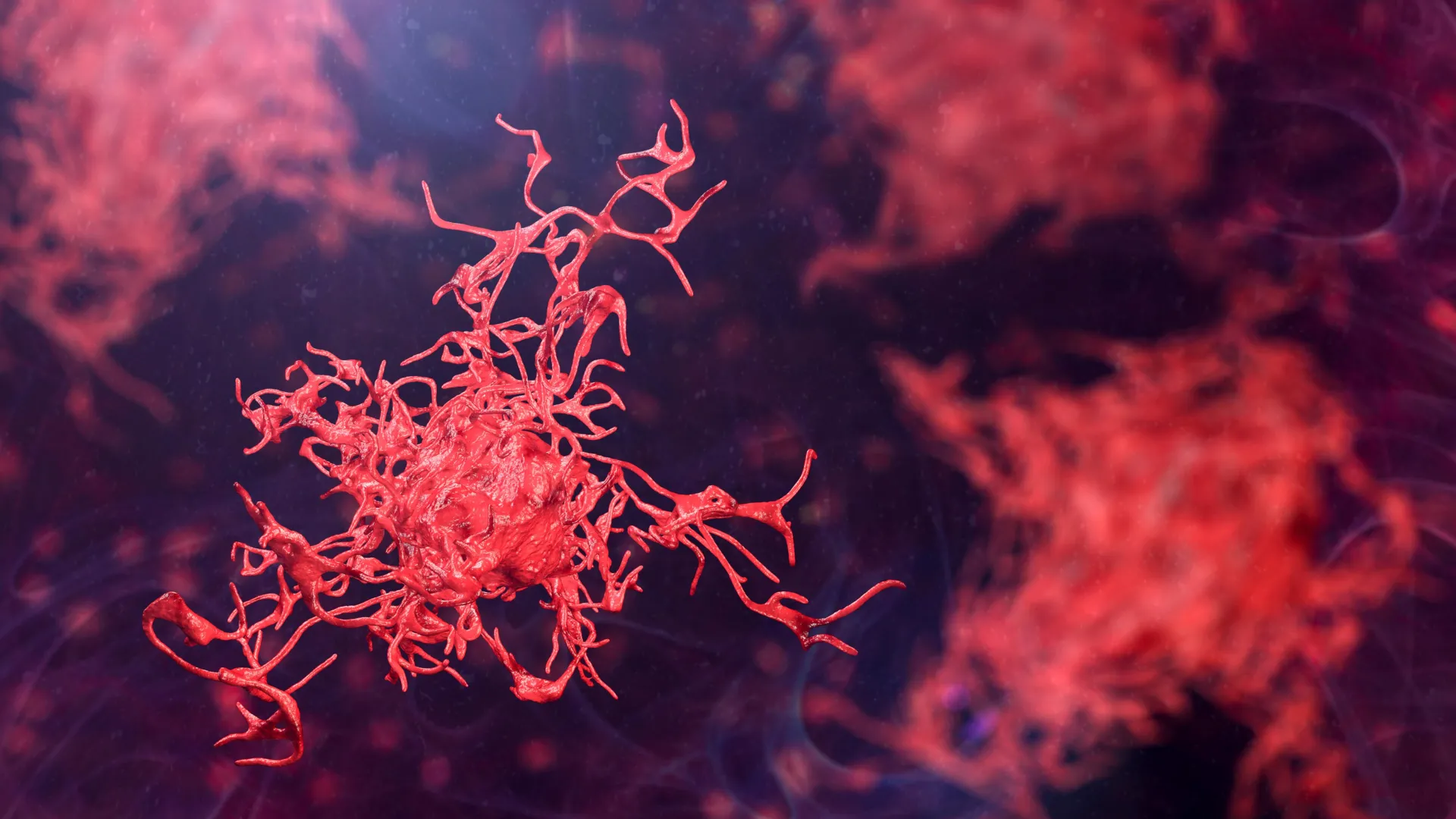
“We’re not talking about a new pandemic threat, but we are talking about an under-recognized risk that will grow with climate change and infrastructure stress,” notes a 2024 environmental health review in Current Opinion in Microbiology.
The concern is not that everyone will suddenly become sick from amoebas. Instead, it’s that:
- A small number of severe, often fatal infections may become more frequent.
- Water systems could become more efficient at spreading other microbes that live inside amoebas.
- Our current water treatment and monitoring approaches weren’t designed with these organisms in mind.
The Most Concerning Free-Living Amoebas
Among the many species of free-living amoebas, three groups most often show up in medical case reports:
- Naegleria fowleri – known as the “brain-eating amoeba.” It can cause primary amebic meningoencephalitis (PAM), a rapidly fatal brain infection, usually after warm freshwater enters the nose.
- Acanthamoeba spp. – can cause eye infections (especially in contact lens wearers), skin lesions, and a serious brain infection called granulomatous amebic encephalitis (GAE), mainly in people with weakened immune systems.
- Balamuthia mandrillaris – causes Balamuthia amoebic encephalitis (BAE), a rare but often deadly brain infection, sometimes after exposure to soil or contaminated water.
Over the last two decades, reported cases have slowly increased and have appeared at higher latitudes than before. For example, U.S. Centers for Disease Control and Prevention (CDC) data have documented Naegleria fowleri infections as far north as Minnesota, which was once considered too cool for this organism to thrive.
How Climate Change and Old Water Systems Help Amoebas Spread
Two major forces are driving the changing risk landscape:
1. Warming Temperatures and Extreme Weather
Free-living amoebas often prefer warm, stagnant water. Climate trends that support their growth include:
- Longer, hotter summers that warm lakes, rivers, and reservoirs.
- Heat waves that raise water temperatures above 30°C (86°F), ideal for some species.
- Droughts that lower water levels, concentrating organisms in smaller volumes.
- Floods that stir up sediments and spread microbes over wider areas.

2. Aging, Complex Water Infrastructure
Modern water systems are marvels of engineering—but many were not designed with amoebas in mind. Some challenges include:
- Biofilms: Slimy layers inside pipes where amoebas and bacteria can hide from disinfectants.
- “Dead ends” in plumbing: Low-flow areas in buildings where water sits warm and stagnant.
- Variable disinfection: Chlorine and other treatments may be strong at the plant but weaken downstream.
- Private systems: Wells, cisterns, and small community systems often have less oversight.
Several studies have shown that Acanthamoeba and related species can be found in hospital plumbing, dental units, and even treated drinking water in some settings—not always at levels known to cause disease, but enough to raise questions about long-term management.
Amoebas as “Training Camps” for Other Pathogens
One of the most worrying insights from recent research is that free-living amoebas don’t just cause infections themselves—they can act as microscopic shelters and training grounds for other microbes.
Inside amoebas, scientists have found:
- Legionella pneumophila (which causes Legionnaires’ disease)
- Nontuberculous mycobacteria (NTM), linked to chronic lung disease
- Certain Pseudomonas and Vibrio species
When bacteria live inside amoebas, they can:
- Gain protection from chlorine and other disinfectants.
- Develop strategies to survive immune cells—because amoebas and human macrophages have similarities.
- Spread through water systems in a kind of microscopic “Trojan horse.”
Researchers sometimes describe amoebas as “training grounds” where bacteria learn to resist our defenses—both chemical disinfectants and immune responses.
Who Is Most at Risk from Dangerous Amoebas?
The absolute risk for any individual remains low, but certain exposures and health conditions can increase vulnerability.
Higher-Risk Situations and Activities
- Swimming or diving in warm freshwater (lakes, rivers, hot springs) during hot months.
- Submerging your head or forcefully splashing water up the nose.
- Using untreated or poorly treated water for nasal rinsing (e.g., neti pots).
- Contact lens use combined with poor lens hygiene or exposure to non-sterile water.
- Working with soil or dust without protection, especially if immunocompromised.
People with Increased Susceptibility
- Individuals with weakened immune systems (due to illness, medications, or transplants).
- People with chronic lung disease exposed to aerosolized water (showers, hot tubs).
- Contact lens wearers who rinse lenses or cases with tap or non-sterile water.
It’s important to emphasize that even in these groups, infections remain rare. But aware people can take small, practical steps that significantly reduce risk.
Symptoms to Watch For—Without Panicking
Because amoeba-related infections are rare but serious, timely medical attention matters. The symptoms can mimic more common illnesses, which is why sharing your exposure history with a clinician is crucial.
Possible Signs of Naegleria Infection (PAM)
Usually develops within 1–12 days after water enters the nose, often after swimming or diving in warm freshwater.
- Sudden severe headache
- Fever, nausea, vomiting
- Stiff neck, confusion, or seizures
- Loss of balance or hallucinations
Possible Signs of Acanthamoeba Eye Infection
- Eye pain and redness
- Blurred vision or sensation of something in the eye
- Light sensitivity and excessive tearing
- Often linked with contact lens use
Practical Ways to Protect Yourself and Your Family
You don’t need to avoid water or nature to stay safe. Instead, focus on reducing the highest-risk exposures with a few evidence-informed habits.
Safe Swimming and Water Play
- Avoid getting warm freshwater up your nose.
Use nose clips when swimming or diving, or keep your head above water, especially in warm lakes and rivers. - Stay away from posted contaminated or stagnant areas.
Avoid swimming near warm, shallow areas with visible algae or where water is not flowing. - Don’t dig or stir up sediment in shallow, warm freshwater.
Many amoebas live in the sediment at the bottom. - Choose well-maintained, properly chlorinated pools and water parks.
Follow posted rules and avoid facilities that look poorly maintained.

Nasal Rinses (Neti Pots, Sinus Rinses)
Nasal irrigation can be helpful for allergies and sinus symptoms, but only when done correctly. Several rare amoeba infections have been linked to using contaminated water in neti pots.
- Use distilled or sterile water for rinsing.
- If using tap water, boil for at least 1 minute (3 minutes at higher altitudes), then cool.
- You can also use water filtered through a 0.2 micron or better filter labeled for cyst removal.
- Clean and air-dry your device after each use, following manufacturer instructions.
Contact Lens Hygiene
- Never rinse lenses or cases with tap water or saliva.
- Use fresh, appropriate disinfecting solution every time.
- Replace lens cases every 1–3 months.
- Avoid wearing lenses in hot tubs, pools, lakes, or showers when possible.
What Communities and Health Systems Can Do
While personal habits matter, scientists are clear that systemic solutions are essential. No individual can fix outdated infrastructure alone. Public health experts are calling for:
- Updated water safety standards that account for amoebas and the microbes they host, not just traditional bacteria and viruses.
- Monitoring programs in high-risk regions to track free-living amoeba presence in surface waters and municipal systems.
- Building-level water management plans, especially in hospitals, nursing homes, and large facilities with complex plumbing.
- Public education campaigns about safe nasal rinsing, swimming practices, and contact lens care.
- Investment in resilient infrastructure suited for a warming climate and extreme weather patterns.

Many experts argue that managing free-living amoebas is less about chasing a new “superbug” and more about building water systems that remain safe and resilient under climate stress.
A Real-World Story: From Fear to Informed Action
A few summers ago, a mother in a southern U.S. state lost her teenage son to a Naegleria fowleri infection after he swam in a warm local river. When her story reached the news, community panic followed—families stopped visiting lakes, and some people became afraid of showering.
Local health officials partnered with infectious disease specialists and environmental scientists to respond. Instead of simply saying “don’t swim,” they:
- Explained how incredibly rare such infections are, even in warm regions.
- Shared specific risk-reduction steps (nose clips, avoiding certain areas, monitoring water temperatures).
- Initiated water testing and posted clear guidance at popular sites.
- Held Q&A sessions with residents to address fears honestly.
Over time, people returned to the water—more cautious, but not paralyzed by anxiety. This kind of balanced, transparent communication is what scientists are urging worldwide as they “sound the alarm” about amoebas: not to create fear, but to motivate smarter, evidence-based action.
Common Questions About Free-Living Amoebas
Do I need to be worried about my tap water?
In most high-income countries, treated municipal tap water is safe to drink for healthy people. The main caution is:
- Do not use unboiled, unfiltered tap water for nasal rinsing.
- Do not store warm, stagnant water in household devices without cleaning.
Are bottled water or home filters safer?
Bottled water must meet safety standards but isn’t automatically sterile. If you’re using water for nasal rinsing, look for labels that say distilled or sterile. For filters, check that they are certified (e.g., NSF) for cyst removal (0.2 micron or better) and replace cartridges as directed.
Should I stop my kids from swimming in lakes and rivers?
For most families, the benefits of outdoor play remain high compared with the very small amoeba risk. Instead of banning swimming, consider:
- Focusing on cooler, deeper, or flowing water areas.
- Using nose clips or encouraging children not to dunk or force water up their noses.
- Avoiding very warm, stagnant, or visibly dirty water.
Where to Learn More (Trusted Resources)
For up-to-date, evidence-based information on free-living amoebas and water safety, consult:
- CDC – Naegleria fowleri General Information
- CDC – Acanthamoeba Infections
- World Health Organization – Drinking-Water Fact Sheet
- U.S. EPA – Ground Water and Drinking Water
Note: Research on free-living amoebas is rapidly evolving. Recommendations may be refined as new data emerge.
Staying Safe in a Warming World: Informed, Not Afraid
Free-living amoebas have probably been part of our environment for millions of years. What’s new is our understanding that a changing climate and strained water systems can slowly tilt the odds in ways we shouldn’t ignore. Scientists are “sounding the alarm” not because a catastrophe is imminent, but because thoughtful action now can prevent avoidable tragedies later.
You can:
- Keep enjoying lakes, rivers, and pools—with a bit more awareness.
- Use safe water for nasal rinsing and eye care.
- Practice good contact lens and household water hygiene.
- Support community efforts to modernize water infrastructure and monitoring.
Small, practical steps—multiplied across millions of people and thousands of communities—add up. The goal isn’t to fear every drop of water; it’s to respect the invisible ecosystems living in it, and to build systems that keep us healthy as the planet warms.
If this resonated with you, consider sharing these simple precautions with friends and family, and ask your local health authorities how they’re preparing water systems for a warmer future. Informed communities are safer communities.
