
Inside the Celebrity Gut Health Craze: Microbiome Diets, Fermented Foods, and a Fiber-Filled Recipe You’ll Actually Crave
Celebrity-Backed Gut Health and Microbiome Diets
Over the last couple of years, gut health has moved from niche nutrition circles to center stage, thanks to celebrity podcasts, glossy book launches, and endlessly shared “gut healing journeys” on social media. Everywhere you look, someone is talking about “microbiome diets,” fermented foods, and hitting that magical “30 plants a week” goal.
Underneath the hype is a genuinely exciting area of research: the gut microbiome—the community of trillions of microbes living in your digestive tract—may influence digestion, immunity, mood, weight regulation, and even skin health. While the science is still evolving, the core message emerging in 2025–2026 is refreshingly familiar: eat more diverse plants, enjoy fermented foods, and lean less on ultra-processed snacks.

Below, we’ll unpack what these celebrity-endorsed microbiome diets are really about—separating evidence from exaggeration—and then dive into a vibrant, gut-friendly recipe: a Microbiome Rainbow Grain Bowl with Fermented Miso-Tahini Dressing. It’s packed with fiber, plant diversity, and fermented goodness, but still feels like comfort food in a bowl.
Why Gut Health Is Having a Celebrity Moment
On high-profile podcasts and streaming shows, celebrities and wellness influencers now regularly share stories of bloating, fatigue, breakouts, and “mystery symptoms” that they say improved after focusing on gut health. These narratives often include:
- Elimination diets and cutting out common triggers like gluten, dairy, or ultra-processed foods.
- Microbiome or stool testing promising personalized diet plans.
- Daily routines built around probiotics, prebiotics, and “gut reset” protocols.
This has fueled searches for phrases like “gut health diet,” “microbiome foods,” and “celebrity gut reset,” and helped cement the microbiome as a new lens for viewing all kinds of wellness claims—from clearer skin to better mood and sharper focus.
“Feed your good bugs” and “30 plants a week” have become rallying cries that make classic nutrition advice feel fresh and fun again.
At the same time, experts are quick to stress that not every promise made on social media is backed by strong science, and that many commercial microbiome tests are still ahead of what research can reliably interpret. But the overall direction—more whole, plant-rich, home-cooked meals and fewer ultra-processed products—is solidly in line with mainstream nutrition guidance around the world.
Core Elements of Microbiome-Focused Eating
Most “gut health” or “microbiome” diets highlighted in 2025–2026, whether in celebrity cookbooks or wellness newsletters, share four big themes:
1. High Plant Diversity
Instead of obsessing over single superfoods, the focus is on variety: aiming for 20–30+ different plant foods per week. Each plant—beans, whole grains, herbs, fruits, vegetables, nuts, seeds—brings its own mix of fibers and polyphenols that different microbes love.
- Goal: Count “plant points.” A sprinkle of parsley, a handful of walnuts, and a spoonful of mixed seeds all add up.
- Reason: Greater microbial diversity is generally associated with more resilient gut ecosystems.
2. Fermented Foods
Fermented foods are the celebrities of gut health themselves: think yogurt and kefir, kimchi and sauerkraut, miso, tempeh, natto, and kombucha. Small human studies suggest that regular fermented food intake can increase microbial diversity and modulate immune markers.
3. Prebiotic Fibers
Prebiotics are special types of fiber that humans can’t fully digest—but our microbes can. They are fermented in the colon, producing short-chain fatty acids that may support colon health, immunity, and metabolic function.
Common prebiotic-rich foods include:
- Garlic, onions, leeks, and spring onions
- Asparagus, Jerusalem artichokes, and chicory root
- Bananas (especially slightly underripe), oats, and barley
- Beans, lentils, and other legumes
4. Less Ultra-Processed Food and Added Sugar
Many celebrity microbiome plans call for reducing packaged snacks, sugary drinks, fast food, and refined grains. While research on ultra-processed foods and the microbiome is still developing, high intake of these foods is consistently linked to poorer overall health outcomes.
The practical message is simple and empowering: cook more at home, lean on whole or minimally processed ingredients, and let treats be treats rather than daily staples.
The Commercial Side: Tests, Gummies, and “Gut Reset” Kits
As interest in gut health has surged, so has an entire marketplace of branded probiotic drinks, fiber gummies, microbiome-targeted supplements, and at-home stool tests. Some of these products can be useful in specific situations; others are more about marketing than meaningful benefit.
- At-home microbiome tests: Fascinating but still limited; many cannot yet translate your microbial profile into validated, clinically useful dietary advice.
- Probiotic supplements: May help for certain conditions and strains, but aren’t magic bullets and often don’t replace the benefits of a fiber-rich diet.
- Prebiotic powders and gummies: Convenient ways to boost fiber, though whole foods bring vitamins, minerals, and phytonutrients that supplements can’t match.
Most dietitians emphasize starting with the fundamentals—diverse plants, adequate fiber, and fermented foods—before spending heavily on specialized products.
How Dietitians Translate Gut Health Hype into Practical Meals
Many registered dietitians are leaning into microbiome language to make standard nutrition advice feel more engaging. You’ll see phrases like “gut-loving breakfast bowls,” “feed your good bugs,” and “30 plants a week challenge” in clinic handouts and social media posts.
In practice, that often looks like:
- Building fiber-rich breakfast bowls with oats, chia seeds, berries, nuts, and a spoon of yogurt or kefir.
- Snacking on fruit with nuts or veggies with hummus instead of ultra-processed options.
- Adding ferments as condiments, such as kimchi on grain bowls or sauerkraut on roasted vegetables and beans.
- Keeping a quiet plant count across the week, turning meals into a fun diversity game instead of a restriction checklist.
Let’s turn that philosophy into something you can cook tonight: a colorful, high-fiber, fermented-topped bowl that checks all the microbiome-friendly boxes while still being deeply satisfying.
Recipe: Microbiome Rainbow Grain Bowl with Fermented Miso-Tahini Dressing
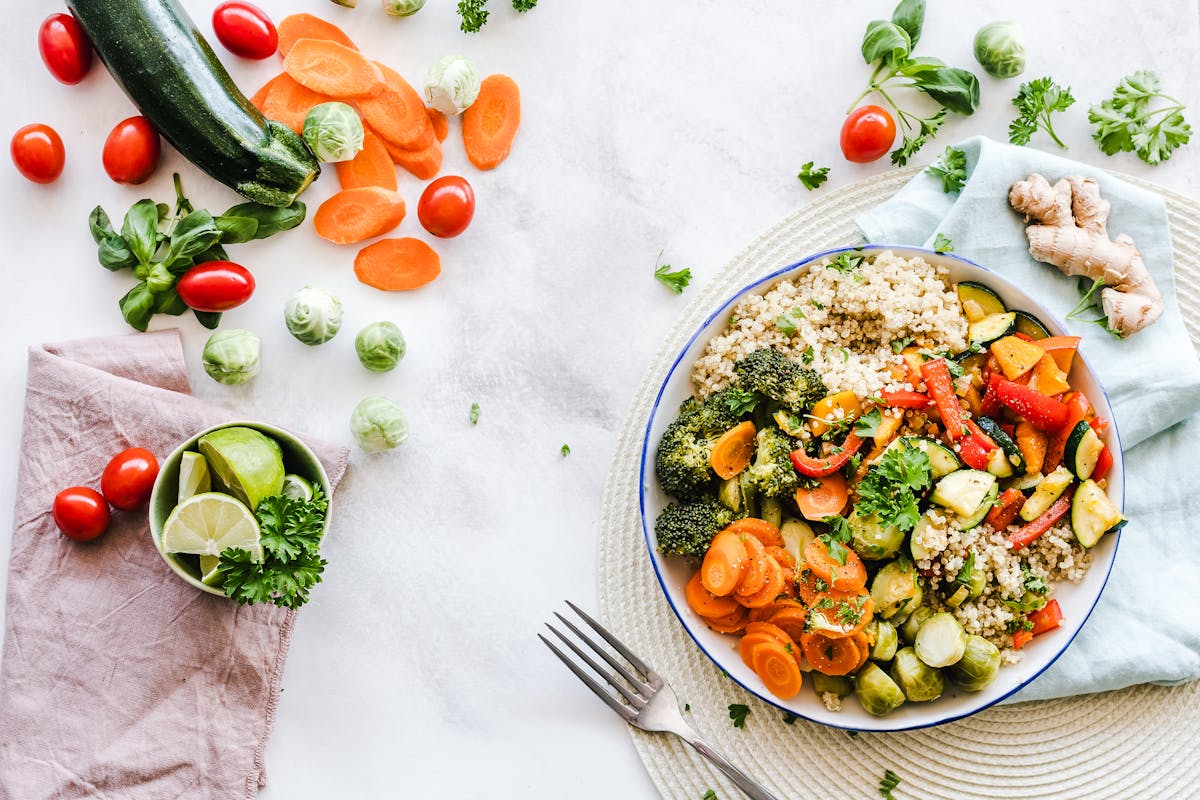
This bowl is a love letter to your gut: chewy whole grains, creamy legumes, crunchy vegetables, toasted seeds, and a silky fermented miso-tahini dressing. Every bite delivers different fibers, colors, and textures—exactly the kind of plant diversity microbiome diets celebrate.
Equipment You’ll Need
- Medium saucepan with lid (for cooking grains)
- Cutting board and sharp chef’s knife
- Box grater or mandoline (for shredding carrots and cabbage)
- Mixing bowls (small for dressing, medium for veggies)
- Whisk or fork for the dressing
- Dry skillet for toasting seeds
- Measuring cups and spoons
- Four serving bowls
Ingredients
For the Grain and Legume Base
- 1 cup (190 g) quinoa, farro, or brown rice, rinsed
- 2 cups (480 ml) water or low-sodium vegetable broth
- 1 cup (160 g) cooked chickpeas, drained and rinsed
- 1 cup (160 g) cooked lentils (green or brown), drained
For the Rainbow Veggies and Herbs
- 2 medium carrots, shredded or cut into matchsticks
- 1 small wedge red cabbage (about 2 cups), finely shredded
- 1 medium cucumber, diced
- 1 red bell pepper, thinly sliced
- 1 small avocado, sliced
- 2 cups (about 60 g) baby spinach or mixed salad greens
- 2 tablespoons fresh parsley, chopped
- 2 tablespoons fresh cilantro, chopped
- 2 tablespoons fresh mint, chopped (optional but very refreshing)
- 1/3 cup (80 ml) sauerkraut or kimchi, drained if very wet
For the Toasted Seed Sprinkle
- 2 tablespoons pumpkin seeds
- 2 tablespoons sunflower seeds
- 1 tablespoon sesame seeds (white or black)
For the Fermented Miso-Tahini Dressing
- 3 tablespoons white or yellow miso paste (fermented)
- 3 tablespoons tahini
- 2 tablespoons extra-virgin olive oil or avocado oil
- 2 tablespoons rice vinegar or apple cider vinegar
- 1 tablespoon lemon juice, freshly squeezed
- 1–2 teaspoons maple syrup or honey (optional, to taste)
- 3–5 tablespoons water, to thin to a pourable consistency
- 1 small garlic clove, finely grated or minced
- 1 teaspoon freshly grated ginger (optional)
- Freshly ground black pepper, to taste
- Sea salt, to taste (you may need very little because miso is salty)
Step-by-Step Instructions
1. Cook the Grains
Rinse your chosen grain under cold running water until it runs mostly clear. This helps remove excess starch (for rice) or any dusty residue (for quinoa and farro), leading to a cleaner flavor and better texture.
Combine 1 cup grains with 2 cups water or broth in a medium saucepan. Bring to a boil over medium-high heat.
Once boiling, reduce heat to low, cover, and simmer:
- Quinoa: about 15 minutes
- Brown rice: 25–30 minutes (or according to package)
- Farro: 20–30 minutes (until pleasantly chewy)
When the grains are tender and liquid is absorbed, remove from heat. Let sit, covered, 5 minutes, then fluff gently with a fork. Set aside to cool slightly while you prep the toppings.

2. Prep the Legumes
If using canned chickpeas or lentils, drain and rinse them under cold water until the foam subsides. This helps reduce excess sodium and some of the compounds that can contribute to gas.
Pat dry on a clean kitchen towel. Set aside. (If you like, you can briefly sauté them in a splash of olive oil with a pinch of smoked paprika for a toasty twist.)
3. Prepare the Rainbow Veggies and Herbs
Shred the carrots on the large holes of a box grater, or slice them into fine matchsticks for extra crunch.
Finely shred the red cabbage with a sharp knife or mandoline. The thinner the shreds, the more tender the bite—and the more surface area for your microbes to feast on.
Dice the cucumber and thinly slice the red bell pepper. Slice the avocado just before serving to keep it from browning.
Roughly chop the spinach if the leaves are large. Chop parsley, cilantro, and mint (if using).

4. Make the Fermented Miso-Tahini Dressing
In a small bowl, combine 3 tablespoons miso, 3 tablespoons tahini, and 2 tablespoons olive oil.
Add 2 tablespoons rice vinegar, 1 tablespoon lemon juice, and 1–2 teaspoons maple syrup or honey if using. Whisk until smooth—it may look thick at this point.
Stir in the grated garlic and ginger (if using). Begin adding water a tablespoon at a time, whisking after each addition, until the dressing is creamy and pourable but still clings to a spoon.
Taste. Add black pepper and, if needed, a tiny pinch of salt (remember, miso is naturally salty). Adjust acidity with extra lemon or vinegar to brighten.
5. Toast the Seeds
Place a dry skillet over medium heat. Add pumpkin and sunflower seeds.
Toast, stirring or shaking the pan frequently, for 2–3 minutes, until fragrant and lightly golden. Turn off the heat and stir in sesame seeds (they toast almost instantly in the residual heat).
6. Assemble the Bowls
Divide the warm grains among four bowls, creating a cozy base.
Arrange chickpeas, lentils, shredded carrot, cabbage, cucumber, bell pepper, and avocado on top in little sections so you can see all the colors—a visual rainbow that mirrors the microbial diversity you’re aiming for.
Add a small scoop of sauerkraut or kimchi to each bowl. Keep it slightly away from the hottest grains if you want to be gentle with the live cultures.
Shower each bowl with chopped herbs and the toasted seed mix.
7. Dress and Serve
Drizzle each bowl generously with the miso-tahini dressing. Start with 2–3 tablespoons per bowl; serve the rest on the side for extra spoonfuls.
Invite everyone to toss their own bowl so the grains catch every bit of dressing and sauerkraut or kimchi gets streaked throughout. Taste and add a squeeze of lemon, pinch of salt, or extra dressing if needed.
Gut-Friendly Tips, Variations, and Substitutions
Make It Vegan, Gluten-Free, or Low-FODMAP
- Vegan: The base recipe is already vegan if you use maple syrup instead of honey.
- Gluten-free: Choose quinoa or brown rice; avoid farro and check that your miso is certified gluten-free.
- Lower FODMAP: Use smaller portions of chickpeas and lentils, choose firm tofu instead of some legumes, and keep sauerkraut portions small. You can also omit garlic from the dressing and flavor with ginger, lemon, and herbs instead.
Swap-Friendly Ingredients
- Grains: Try barley, buckwheat, or wild rice blends.
- Legumes: Use black beans, edamame, or white beans.
- Veggies: Swap in roasted sweet potatoes, steamed broccoli, radishes, or cherry tomatoes based on season.
- Ferments: Replace sauerkraut with kimchi, pickled beets, or a spoonful of plain yogurt or kefir on the side.
If You’re New to High-Fiber Eating
Jumping from a low-fiber diet straight into a bowl like this can sometimes cause temporary bloating as your microbes adjust. To ease in:
- Start with smaller portions and build up over several days.
- Drink plenty of water—fiber needs fluid to move comfortably through the gut.
- Chew slowly to help your digestion keep pace with the extra fiber.
Storage, Meal Prep, and Reheating
This microbiome bowl is ideal for meal prep and busy weeks—it holds up beautifully and even gets more flavorful as the dressing mingles with the grains and vegetables.
Refrigeration
- Store components separately for best texture:
- Grains and legumes together in an airtight container (up to 4 days).
- Chopped veggies and greens in separate containers lined with a paper towel (2–3 days).
- Dressing in a small jar (up to 5 days; thin with a splash of water if it thickens).
- Sauerkraut or kimchi in its jar, refrigerated as usual.
Freezing
- Grains and legumes can be frozen (in portions) for up to 2 months. Thaw overnight in the fridge.
- Do not freeze the fresh vegetables, avocado, or dressing—the textures suffer.
Reheating and Serving
- Reheat grains and legumes gently in a skillet with a splash of water, or in the microwave until just warm.
- Top with fresh veggies, ferments, seeds, and dressing right before serving to retain crunch and color.
- Enjoy leftovers cold straight from the fridge for a quick gut-friendly lunch.
Serving Suggestions and Complementary Dishes
This bowl is a complete meal on its own—high in fiber, rich in plant protein, and full of satisfying healthy fats. You can, however, build a whole “microbiome-friendly” spread around it.
- Start with a fermented sip: A small glass of unsweetened kombucha, kefir, or lightly salted vegetable brine.
- Add a soup: A simple lentil-vegetable soup or miso soup with seaweed and tofu.
- Finish with fruit: Berries with a spoonful of plain yogurt and a sprinkle of nuts and seeds.
However you pair it, every time you build a plate like this you’re quietly joining the best part of the celebrity gut health movement: not the products or the promises, but the simple act of feeding your microbes with colorful, joyful, home-cooked food.
