
How to Navigate Family Conflict When Your “Difficult” Kid Gets Unfairly Blamed
When Your Child Gets Blamed for Everything: Finding Your Footing as a Parent
When a 5-year-old gets “banned from all family functions,” it doesn’t just sting—it can feel like a verdict on your parenting and on who your child is allowed to be. Many parents write to advice columns like Slate’s Care and Feeding in shock: their child has been labeled the problem, the troublemaker, the one who “doesn’t deserve” to be included. Underneath the anger and confusion is something deeper—worry about how this will shape their child’s sense of self and belonging.
This guide walks through what’s really going on when extended family turns against a young child, how to evaluate your kid’s behavior with clear eyes, and concrete steps to advocate for them while protecting your own peace. You can’t control every relative’s reaction—but you can set boundaries, stay grounded in evidence, and model healthy conflict for your child.
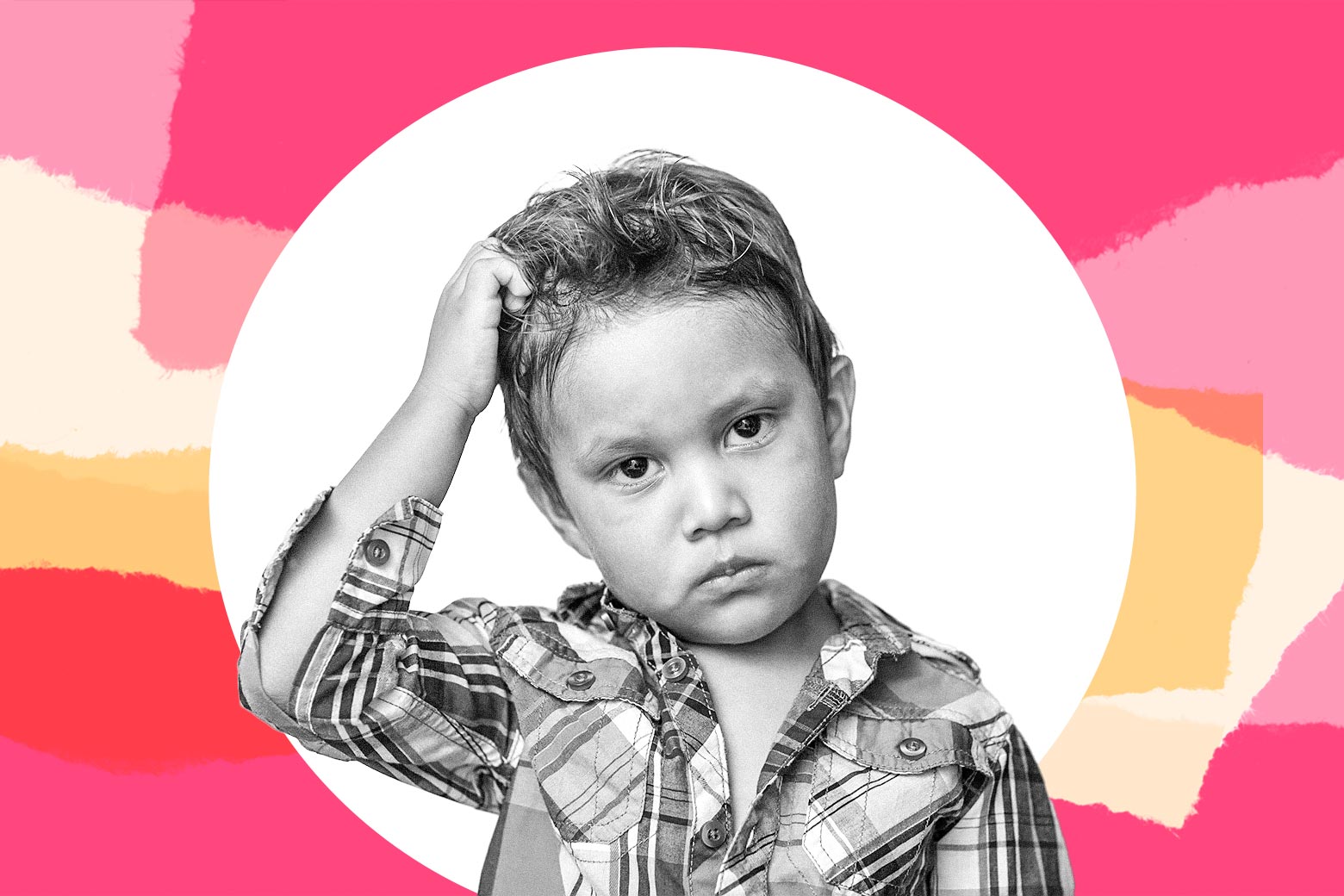
Understanding the Real Problem: It’s Not Just Your Kid
In stories like the Slate letter about Archer, the 5-year-old “banned” from family functions, there’s usually more going on than one misbehaving child. You’ll often see:
- Long-standing family tension that finally lands on the easiest target: the child.
- Different expectations about discipline—some relatives want strict, immediate obedience; others prioritize emotional regulation and gentle parenting.
- Scapegoating, where a person (often a kid) becomes the “designated problem” so others don’t have to look at their own behavior.
- Limited understanding of child development, especially what’s normal for 4–7-year-olds in terms of impulse control and emotional outbursts.
Research in developmental psychology consistently shows that children under about 7 are still building executive function skills—things like self-control, flexible thinking, and emotional regulation. That doesn’t mean their behavior doesn’t matter; it means that support and structure work better than shame and exclusion.
“Labeling a young child as ‘bad’ or ‘the problem’ in a family system is rarely about the child alone. It’s often a signal that the adults are struggling to manage conflict and expectations.”
— Family therapist, case consultation (composite summary)
Step One: Reality-Check Your Child’s Behavior (Without Shame)
Before you can advocate effectively, you need a clear, honest picture of what your child is actually doing. That doesn’t mean agreeing with exaggerated stories, and it also doesn’t mean insisting they’re “innocent” of all wrongdoing.
- Describe, don’t label.
Instead of “He’s out of control,” try: “He runs indoors, grabs toys without asking, and hits when he’s frustrated.” - Track patterns.
Notice when behavior flares up:- Before meals or when hungry
- During transitions (arriving, leaving, changing activities)
- Around specific relatives who tease, shame, or overhype the child
- Compare to developmental norms.
Evidence from child development research suggests:- 5-year-olds often struggle to sit still for long social events.
- Sharing and turn-taking are still emerging skills.
- Meltdowns can spike in overstimulating environments.
- Ask neutral third parties.
Teachers, pediatricians, or therapists can offer perspective: Is this within the wide band of “typical,” or are there signs that extra support (for ADHD, ASD, anxiety, etc.) might be helpful?

Step Two: Untangling Family Dynamics and Unfair Blame
In the Slate scenario, what jumps out is not just Archer’s behavior—it’s the adults’ decision to ban a kindergartener. That’s a powerful example of how family systems can respond in ways that are more punitive than protective.
Ask yourself:
- Who gets a “pass” and who doesn’t? Are older cousins’ roughhousing or mean comments ignored while your child’s outbursts get spotlighted?
- Who controls the narrative? Does one relative tell the story of “what happened” over and over until it becomes accepted “fact”?
- Is there a history of scapegoating? Did you—or another family member—grow up as “the problem one” in similar ways?
Family systems theory, supported by decades of clinical observation, shows that groups under stress often unconsciously assign one person as the “identified patient.” When that person is a child, it’s particularly harmful, because kids tend to internalize those labels as truth.
“Your child’s behavior is real. So is the way the family responds to it. Both need attention—and both can change.”
Step Three: Advocating for Your Child Without Escalating the War
Being told your child is unwelcome can trigger a fierce, protective anger. That anger makes sense. The challenge is using it as fuel to set boundaries—not as a weapon that keeps the cycle going.
1. Clarify your non-negotiables
- Respect for your child’s dignity. No name-calling, mocking, or adult gossip about them within earshot.
- Consistent rules. If all kids are expected to follow certain guidelines, they should apply to cousins too—not only to your child.
- No unilateral bans. Decisions about your child’s participation should involve you and your co-parent.
2. Use calm, clear language
When you’re ready, you might say something like:
“I understand that Archer’s behavior was overwhelming at the last gathering. We’re actively working on it with his teacher and pediatrician. What’s not OK is banning a 5-year-old from family events. That’s harmful to him and to our relationship. If we’re going to keep doing holidays together, we need to find solutions that are fair and respectful.”
3. Offer solutions, not just objections
- Arrive late and leave early to avoid long, overstimulating stretches.
- Bring quiet activities or sensory tools (headphones, fidgets, a favorite toy).
- Have a pre-arranged “cool-down space” in another room.
- Agree on simple, consistent rules you’ll enforce for your child (no hitting, no grabbing toys, etc.).

Step Four: Protecting Your Child’s Emotional Health
Even if you try to shield them, kids usually know when they’re being left out. How you frame what’s happening can deeply shape their self-image.
1. Tell the truth, but in developmentally appropriate ways
For a 5-year-old, you might say:
“Some grown-ups are having a hard time with big feelings right now and don’t know how to handle them kindly. That’s not your fault. We’re going to do something different this time, and we’re working on making family days feel better for everyone.”
2. Reinforce that behavior is workable—and worth working on
- “Sometimes your body gets really bouncy and your feelings get big. That happens to lots of kids.”
- “We’re practicing new ways to calm down so things feel easier next time.”
- “You are good, even when your behavior needs some work.”
3. Create other places of belonging
If family functions are on pause, look for:
- Playdates with families who understand your child’s temperament.
- Parent–child classes or activity groups with supportive adults.
- Time with individual relatives who are kind and accepting, even if big gatherings aren’t working right now.

A Composite Case: When the “Wild” Kid Becomes the Change-Maker
In my work synthesizing parents’ stories, I’ve heard versions of Archer’s situation many times. Here’s a composite example, with details changed to protect privacy.
A couple—let’s call them Maya and Lee—had a 6-year-old son, Jonah, who struggled with impulse control. At family events, he’d run through the house, grab toys, and occasionally hit when cousins refused to share. After one especially chaotic holiday, an aunt announced that Jonah was “out of control” and declared he was no longer welcome.
Instead of begging to be included, Maya and Lee took a breath. They:
- Met with Jonah’s pediatrician and got a referral for an evaluation. It turned out he had ADHD, which helped explain some of the impulsivity.
- Started parent coaching sessions to learn practical strategies—like using visual schedules and rehearsing expectations before events.
- Calmly told the family: “We won’t attend events where Jonah isn’t welcome. We’re happy to share what we’re learning about how to support him if you’re open to it.”
For a while, things were tense. Then something interesting happened: a cousin’s child was diagnosed with anxiety, and another relative privately admitted she’d always felt like the “problem kid” growing up. Slowly, the family culture began to shift toward more understanding.
Jonah didn’t suddenly become easy. But he did get tools, his parents felt less alone, and the family stopped pretending that excluding a child was an acceptable long-term solution.
What the Science Says About Discipline, Shame, and Belonging
Decades of research give us some helpful guideposts for situations like this:
- Authoritative parenting works best.
This style—high warmth, clear limits—is associated with better emotional regulation and social skills than either harsh punishment or very permissive parenting. - Chronic shame harms mental health.
Studies linking childhood rejection and chronic shaming to increased risk of anxiety, depression, and behavior problems suggest that being labeled “bad” by important adults can stick for years. - Inclusion with support beats exclusion.
In school settings, children with challenging behaviors do better when they are included with structured support rather than isolated or repeatedly suspended. Family systems are not so different.

Common Obstacles—and How to Navigate Them
- “You’re just making excuses for him.”
Response: “Understanding why certain behaviors happen isn’t an excuse—it’s how we figure out what actually helps. We are working on the behavior and won’t allow harm, but shaming him won’t fix it.” - “In our day, this wouldn’t have been tolerated.”
Response: “A lot of us grew up with fear instead of skills, and many are still healing from that. We’re trying to do better with the information we have now.” - “Then don’t come if you don’t like it.”
Response: “If our child isn’t welcome, we will stay home for now. Our door is open if you’d like to talk about a more inclusive approach.” - Your own doubts and guilt.
Counter-thought: “All kids are a work in progress. I am allowed to protect my child and also keep learning as a parent.”
A Gentle, Practical Action Plan You Can Start This Week
- Write down what actually happened at the last few events—just the facts. This helps separate reality from family storytelling.
- Schedule a check-in with your child’s teacher or pediatrician to discuss behavior and get objective input.
- Decide your boundary about attending events where your child isn’t welcome, and agree on it with your co-parent if you have one.
- Draft one calm message to key relatives stating your perspective and what you’re willing—or not willing—to do.
- Plan alternative connections (playdates, one-on-one visits, small outings) to keep your child’s social world warm and supportive.
- Choose one behavior skill to practice with your child before the next gathering—like using words to ask for a toy, or taking a break when overwhelmed.
You and Your Child Deserve Better Than a Lifetime Ban
Being told your child “doesn’t deserve” to be at family events is painful—and it’s not the final word on who they are, or who you are as a parent. You’re allowed to feel angry, hurt, and protective. You’re also allowed to step back from people who choose punishment over problem-solving.
Your child needs, above all, a few adults who see the whole of them: the impulsive parts, the tender parts, the goofy parts, the parts that are still learning how to be in a group. That’s not wishful thinking; it’s what builds resilience.
You may not be able to change every relative’s mind. But you can:
- Stay curious and honest about your child’s needs.
- Seek evidence-based support instead of shame.
- Set boundaries that protect your child’s dignity.
- Model the kind of family culture you hope they’ll build as an adult.
If this story echoes your own, consider this your invitation to pause, regroup, and choose your next step with intention. Your child is not the family problem—they are a growing human who deserves patient guidance and a place to belong, starting with you.
Call to action:
This week, take one concrete step—however small—to both support your child’s growth and protect their belonging. That might be booking a pediatric appointment, writing that boundary-setting message, or simply sitting with your child and saying out loud, “There is nothing wrong with you. We’re learning together.”
