
How Supercharged Brain Support Cells Could Help Fight Alzheimer’s
For many families, Alzheimer’s disease isn’t just a word—it’s a slow, painful unravelling of memories, relationships, and independence. You may have watched a parent repeat the same question over and over, or helped a partner who can no longer manage everyday tasks. It’s exhausting, frightening, and often feels like there’s very little you can do.
Recent research from Baylor College of Medicine, reported by outlets like ScienceDaily, offers a glimmer of cautious hope. Instead of targeting Alzheimer’s plaques from the outside with drugs alone, scientists have found a way—at least in mice—to help the brain clean itself from the inside by boosting a protein called Sox9. This protein powers up astrocytes, the brain’s star-shaped support cells, so they can better clear toxic amyloid plaques.
In this guide, we’ll unpack what this discovery means, how it fits into the bigger picture of Alzheimer’s research, and what practical, evidence-informed steps you can take right now to support brain health while this promising science moves forward.
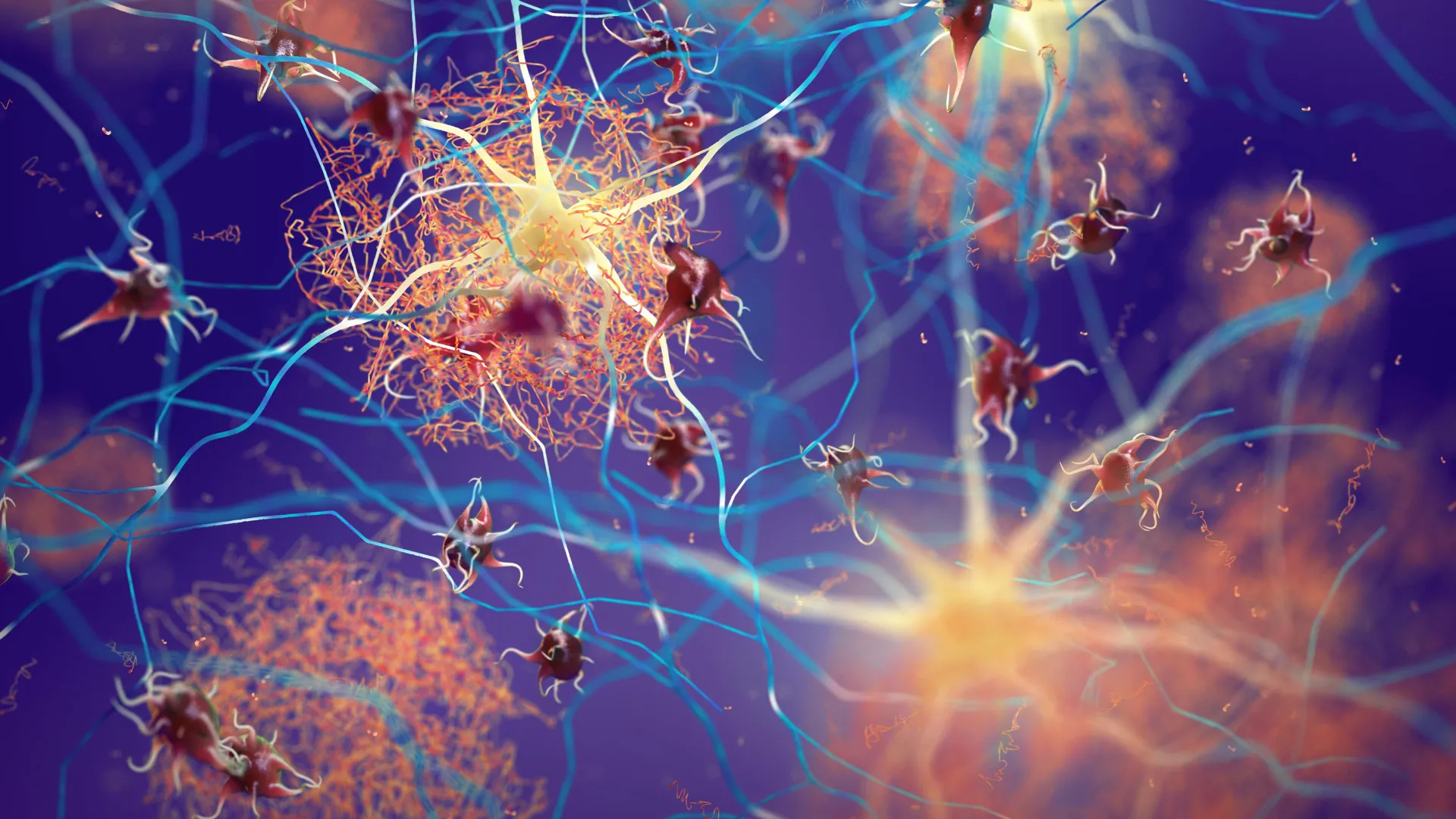
Understanding Alzheimer’s: Why Brain “Garbage” Becomes So Dangerous
Alzheimer’s disease is the most common cause of dementia worldwide. It’s characterized by:
- Progressive memory loss
- Difficulty with planning, language, and problem-solving
- Changes in mood, personality, and behavior
Biologically, two protein changes stand out:
- Amyloid-β plaques – sticky clumps that build up between nerve cells.
- Tau tangles – twisted fibers that accumulate inside neurons.
The brain has built-in “cleanup crews” meant to prevent this build-up. One of the most important crews consists of astrocytes and microglia—support cells that can detect and remove abnormal proteins. In Alzheimer’s, those systems become overwhelmed or misdirected, allowing plaques and tangles to accumulate, disrupt signaling, and eventually kill neurons.
“Alzheimer’s isn’t caused by just one thing going wrong. It’s more like a perfect storm of protein buildup, inflammation, vascular changes, and genetic vulnerability. That’s why approaches that help the brain restore its own housekeeping systems are so intriguing.”
— Geriatric neurologist, memory clinic case discussion, 2025
Current FDA-approved medicines for Alzheimer’s can modestly slow symptoms in some people, but they don’t reliably reverse the disease. This is why new strategies—like harnessing astrocytes via Sox9—are drawing so much attention.
What Is Sox9 and Why Are Astrocytes Suddenly in the Spotlight?
The recent Baylor College of Medicine study focused on Sox9, a transcription factor—a type of protein that turns specific genes on or off. Sox9 is important for the development and function of astrocytes, the star-shaped cells that:
- Support and nourish neurons
- Maintain the blood–brain barrier
- Clear certain forms of waste and toxic proteins
- Help regulate inflammation
In mouse models of Alzheimer’s disease, the researchers found that increasing Sox9 levels in astrocytes:
- Enhanced astrocyte activity
- Activated a built-in mechanism that removed existing amyloid plaques
- Helped preserve brain tissue and neuronal health
In other words, instead of just preventing new plaques from forming, the boosted Sox9–astrocyte system actually helped the brain clean up old plaques in these mice.

How Boosting Sox9 Helped Mice Clear Alzheimer’s Plaques
The Baylor team used genetic tools to increase Sox9 specifically in astrocytes in mice that were bred to develop Alzheimer's-like amyloid plaques. Here’s what happened:
- Sox9 levels increased in astrocytes, turning on a set of genes involved in cell structure and activity.
- Astrocytes became more active, changing their shape and behavior in ways that enhanced their ability to interact with and engulf amyloid deposits.
- Amyloid plaques decreased in the mouse brains, indicating that the “cleanup crew” was working more effectively.
- Brain tissue was preserved better than in mice without Sox9 boosting, suggesting a protective effect on neurons.
This built-in mechanism suggests that, under the right conditions, our brains may have greater capacity to rid themselves of toxic proteins than we’ve previously managed to harness.
“Instead of just fighting plaques from the outside, we’re learning how to coach the brain’s own support cells to do what they’re naturally capable of—if we give them the right signals.”
— Paraphrased from Baylor College of Medicine researchers discussing astrocyte-focused therapies
Still, translating this into a therapy is complex. We would need safe, targeted ways to:
- Increase Sox9 in human astrocytes without harmful side effects
- Avoid overstimulating astrocytes, which can contribute to inflammation
- Deliver treatments across the blood–brain barrier
What This Discovery Does Not Mean (Yet)
It’s natural to feel hopeful when you read that scientists have “removed existing plaques” in an Alzheimer’s model. However, it’s equally important to stay grounded in what we do not know yet.
- No Sox9-based treatment for humans exists today. There is currently no approved drug, supplement, or therapy designed specifically to increase Sox9 in people with Alzheimer’s.
- Mouse models are not human brains. Many Alzheimer’s treatments that look promising in animals fail in clinical trials. Human brains are more complex, and Alzheimer’s in people involves multiple overlapping processes beyond amyloid.
- Safety is unknown. Long-term overactivation of astrocytes could, in theory, worsen inflammation or cause other issues. That has to be tested carefully.
- We do not have a Sox9 “biohack.” There is no evidence that lifestyle changes or over-the-counter products specifically and reliably increase Sox9 in a way that treats Alzheimer’s.
Despite these limitations, the study adds to a growing, optimistic trend: moving beyond a single-target approach and learning to work with the brain’s natural repair systems.
What You Can Do Now: Evidence-Informed Ways to Support Brain Health
While researchers work toward astrocyte- and Sox9-based therapies, there are several practical, scientifically supported strategies that may help reduce dementia risk or slow decline. They won’t “cure” Alzheimer’s, but they can support overall brain resilience.
1. Protect Heart and Blood Vessel Health
What’s good for the heart is usually good for the brain. High blood pressure, diabetes, obesity, and smoking are all linked with higher dementia risk.
- Work with your clinician to manage blood pressure, cholesterol, and blood sugar.
- Aim for at least 150 minutes per week of moderate exercise like brisk walking.
- Limit smoking and excessive alcohol use.
2. Focus on Brain-Friendly Nutrition
Diets such as the Mediterranean or MIND diet are associated with better cognitive outcomes in observational studies.
- Plenty of colorful vegetables and fruits
- Whole grains and legumes
- Healthy fats from olive oil, nuts, and fish
- Limited processed foods, added sugars, and trans fats

3. Prioritize Sleep and Stress Management
Deep sleep is when the brain’s “glymphatic system” becomes more active, helping clear waste products, including amyloid-β.
- Establish a regular sleep schedule and wind-down routine.
- Discuss snoring or possible sleep apnea with your doctor.
- Use stress-management tools: breathing exercises, mindfulness, gentle yoga, or counseling.
4. Keep the Brain Engaged and Connected
Lifelong learning and social engagement are linked to lower dementia risk and may build “cognitive reserve.”
- Pursue mentally challenging activities (languages, music, complex hobbies).
- Stay socially connected through community groups, clubs, or volunteering.
- Encourage meaningful activities for loved ones with early Alzheimer’s, adapted to their abilities.

5. Address Depression, Hearing Loss, and Other Modifiable Risks
Conditions like midlife hearing loss, untreated depression, and social isolation are now recognized as significant, modifiable dementia risk factors.
- Seek treatment for depression and anxiety; mental health care is brain health care.
- Get hearing tested and use hearing aids if recommended.
- Work with professionals on fall prevention and mobility issues to maintain independence.
Common Obstacles for Caregivers—and How to Navigate Them
If you’re caring for someone with Alzheimer’s, you may be thinking, “That all sounds great, but we’re just trying to get through the day.” That reality matters. Here are some frequent challenges and practical ways to adapt brain-healthy habits.
Overwhelm and Burnout
Caregiving often leaves little time or energy for cooking special meals or planning exercise routines.
- Simplify: aim for one small change at a time (e.g., a 10-minute walk after lunch).
- Use prepared healthy options (pre-washed salads, frozen vegetables, rotisserie chicken).
- Ask for help from family, friends, or community resources; you do not have to do this alone.
Resistance to Change
People with memory loss may resist new routines or foods.
- Introduce changes gradually and pair them with familiar, comforting activities.
- Prioritize safety and emotional comfort over strict adherence to any “ideal” plan.
- Use shared activities—like walking together or cooking a simple meal—as connection time.
Financial and Access Barriers
Not everyone has access to specialty clinics, organic foods, or private caregivers.
- Focus on the fundamentals: movement, sleep routine, connection, and basic nutrition.
- Explore community programs, senior centers, and local support groups.
- Talk with a social worker about benefits, respite care, or transportation options.
“One caregiver I worked with felt guilty that she couldn’t follow every recommendation. Once we broke it down into a few realistic steps—like organizing medications, a short daily walk, and a simple bedtime routine—she felt less overwhelmed, and her husband’s agitation improved.”
— Memory clinic social worker, composite case example
The Future of Alzheimer’s Treatment: Where Sox9 Fits In
The Sox9–astrocyte discovery is part of a larger movement in Alzheimer’s research. Instead of focusing solely on amyloid, scientists are exploring:
- Immune and inflammatory pathways in the brain
- Vascular and metabolic contributors to dementia
- Cell-specific targets (astrocytes, microglia, oligodendrocytes)
- Gene therapy and precision medicine approaches
- Combination treatments that address multiple mechanisms at once

Over the next decade, we may see:
- Early-phase clinical trials testing drugs or gene-based tools that modulate astrocyte function.
- Biomarkers that better measure astrocyte activity and plaque clearance in living humans.
- Combination therapies that pair plaque-clearing antibodies with approaches that support brain housekeeping cells.
Trusted Resources and Further Reading
For up-to-date, evidence-based information on Alzheimer’s disease and brain health, consider:
- Alzheimer’s Association – Education, support groups, and care planning resources.
- National Institute on Aging (NIA) – Research updates, risk-reduction guidance, and caregiving information.
- ScienceDaily – Alzheimer’s News – Summaries of recent peer-reviewed studies, including work on astrocytes and Sox9.
- World Health Organization: Dementia Facts – Global perspective on dementia risk factors and public health strategies.
Moving Forward with Hope and Realism
The discovery that boosting Sox9 can help astrocytes remove existing amyloid plaques in mice doesn’t give us a cure for Alzheimer’s today—but it does reinforce a powerful message: the brain has more self-healing capacity than we once believed. The challenge now is learning how to support that capacity safely and effectively in humans.
While we wait for these next-generation therapies, you are not powerless. Protecting heart health, prioritizing sleep, staying mentally and socially active, and addressing modifiable risks can all contribute to a healthier brain over time. These steps won’t erase plaques, but they can stack the odds in your favor and improve quality of life—for you and for those you love.
A gentle call to action:
- Choose one small, realistic brain-healthy habit to start this week.
- Reach out to a healthcare professional if you’re concerned about memory changes.
- Share reliable information—not hype—with friends and family navigating Alzheimer’s.
You and your loved ones deserve care that is compassionate, evidence-based, and hopeful without being misleading. As research on Sox9, astrocytes, and other innovative targets unfolds, staying informed and focusing on what you can control today is a meaningful way to move forward.
