
How Boosting One Brain Protein Could Transform Alzheimer’s Prevention
If you’ve ever watched someone you love slowly lose memories to Alzheimer’s disease, you know how helpless it can feel. For years, most treatments have focused on late-stage damage, often with disappointing results. Now, a new line of research is shining a gentler, more hopeful light: instead of forcing the brain from the outside, what if we simply helped it use its own built‑in cleanup system better?
A recent study reported in SciTechDaily describes how researchers boosted a single protein in support cells called astrocytes, activating an internal “waste management” process that helped the brain fight Alzheimer’s–like changes in experimental models. While this is still early-stage science, it’s an exciting, plausible path that fits with what we already know about brain health—and it may change how we think about prevention and treatment in the coming years.
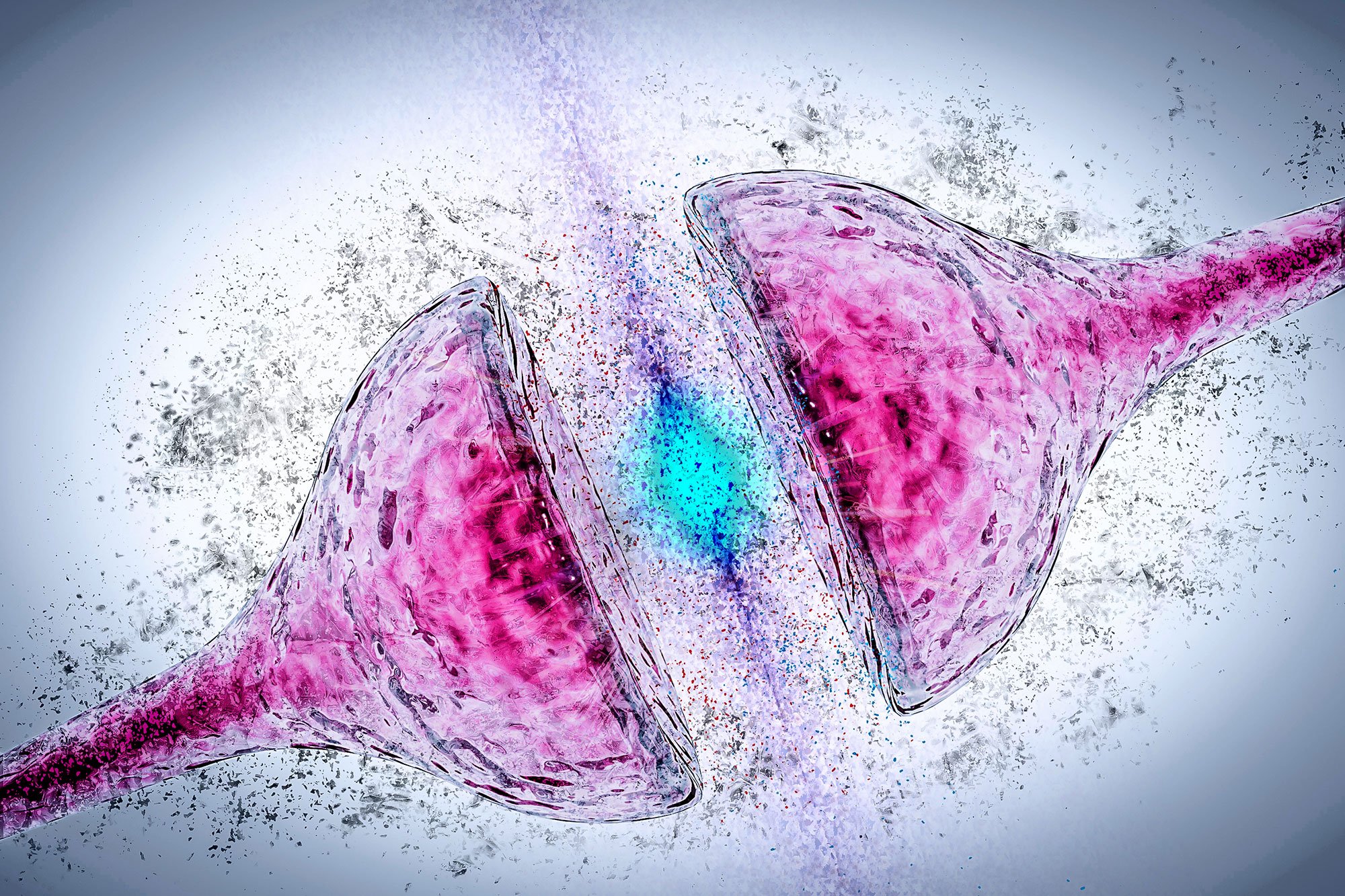
The Core Problem: Toxic Build‑Up and Tired Brain Cells
Alzheimer’s disease is defined by two major types of protein buildup in the brain:
- Amyloid‑beta plaques – protein clumps that collect between nerve cells.
- Tau tangles – twisted fibers inside nerve cells that disrupt their function.
Over time, these and other changes trigger inflammation, damage connections (synapses), and cause brain cells to die. For decades, most drugs targeted amyloid or tau directly—like scrubbing rust off old pipes. Some of these medicines can modestly slow decline in certain people, but they don’t stop the disease and can have serious side effects.
The new research asks a different question: instead of only attacking toxic proteins from the outside, can we help the brain’s own cleaning crew work better from the inside?
Meet Astrocytes: The Overlooked Brain Helpers
When most of us think of the brain, we picture neurons—the cells that fire signals and store memories. But neurons are only part of the story. Roughly half of the brain is made of glial cells, and among them, astrocytes are stars (literally; “astro” means star‑shaped).
- They feed neurons and help them use energy efficiently.
- They help clear out waste products and toxins.
- They support blood flow and help maintain the blood–brain barrier.
- They regulate neurotransmitters like glutamate, preventing overexcitation.
“For a long time, astrocytes were seen as passive support cells. We now understand they are active managers of brain health, especially in aging and neurodegeneration.”
— Summary of findings from recent glial biology reviews in Nature Neuroscience
In Alzheimer’s, astrocytes can become “reactive”—inflamed, stressed, and less efficient at their cleanup jobs. The new study explores how gently boosting a specific protein in astrocytes may flip them back into a more protective, garbage‑collecting mode.
The New Discovery: Boosting a Single Protein to Activate Brain Cleanup
In the research highlighted by SciTechDaily, scientists found that increasing levels of a particular protein (in astrocytes) switched on internal cleanup pathways that helped reduce Alzheimer’s‑like changes in experimental models. While the article is written for a general audience and doesn’t dive deeply into all technical details, the key concept is clear:
- Astrocytes already have cleanup machinery. Think of this like an in‑house recycling center for toxic proteins.
- This machinery is underused in Alzheimer’s. It’s there—but sluggish or misdirected.
- Boosting one protein acts as a “power switch.” Turning it up activated waste‑processing pathways, helping the brain clear problem proteins more effectively in lab models.
Early data suggest that, when this protein is boosted:
- Astrocytes increase clearance of toxic amyloid‑related material.
- Inflammation markers in the brain may decrease.
- Synapses (connections between neurons) are better preserved.
This doesn’t mean we’ve found a cure. The studies so far are mostly in cells and animal models, not large groups of people. But the approach is biologically plausible and aligns with decades of work showing that:
- Autophagy (cellular self‑cleaning) and proteostasis (protein quality control) are central to healthy aging.
- Astrocytes and other glial cells strongly influence how quickly neurodegenerative diseases progress.
Before and After: How Brain Cleanup Changes the Landscape

In laboratory models that mimic Alzheimer’s changes, researchers often see:
- Before activation of cleanup pathways: higher levels of toxic protein buildup, more inflammation, and weaker synaptic signaling.
- After boosting the astrocyte protein (in early experiments): reduced accumulation of toxic material and partial preservation of neuronal connections and function.
These are controlled experimental conditions. Real human brains are more complex, with genetics, lifestyle, vascular health, and many other factors in play. Still, these “before and after” snapshots suggest that helping the brain’s own systems may be a powerful complement—not a replacement—to more traditional approaches.
What This Means (and Doesn’t Mean) for You Right Now
It’s very natural to read about breakthroughs and wonder, “Will this help my parent—or me?” Let’s be clear and compassionate here.
What this research does suggest
- Your brain is not defenseless—its own support cells have underused power to fight disease.
- Future Alzheimer’s treatments may focus more on glial cells and cleanup pathways, not just neuron‑targeting drugs.
- Strategies that support healthy astrocytes and microglia are likely to matter in prevention.
What it does not show (yet)
- We do not yet have a proven, safe, widely available drug that boosts this exact protein in people to prevent or cure Alzheimer’s.
- No supplement, diet, or lifestyle hack has been shown to “turn on” this specific pathway to the same degree as in lab models.
Still, the discovery fits into a larger pattern: when we protect our brain’s ability to clear waste and manage inflammation, long‑term brain health tends to improve.
Evidence‑Backed Ways to Support Your Brain’s Cleanup Systems
While you can’t walk into a pharmacy and ask for an “astrocyte protein booster” yet, you can do quite a bit to support the same general systems: autophagy, inflammation control, vascular health, and glial function. These steps won’t guarantee you’ll prevent Alzheimer’s, but they are grounded in current evidence and broadly support brain health.
1. Prioritize Deep, Consistent Sleep
During deep sleep, the brain’s glymphatic system (a waste‑clearing network involving glial cells) becomes more active, flushing out metabolic byproducts including amyloid‑beta.
- Aim for 7–9 hours of sleep most nights.
- Keep a consistent schedule, even on weekends.
- Limit screens and bright light for 60–90 minutes before bed.
- Discuss snoring or suspected sleep apnea with a health professional—untreated apnea is linked to cognitive decline.
2. Move Your Body in Brain‑Friendly Ways
Regular physical activity consistently appears in research as one of the most powerful lifestyle factors associated with reduced dementia risk. Exercise:
- Improves blood flow (bringing astrocytes more oxygen and nutrients).
- Supports autophagy and mitochondrial health.
- Reduces chronic inflammation.
Practical targets (adapted to your abilities and your clinician’s advice):
- Aerobic activity: 150–300 minutes per week of moderate intensity (e.g., brisk walking), or 75–150 minutes vigorous activity, in line with WHO guidelines.
- Strength training: 2–3 days per week to support muscle, bone, and metabolic health.
- Balance & coordination: Yoga, tai chi, or simple one‑leg stands to reduce fall risk and maintain neural circuits.
3. Nourish Astrocytes with a Brain‑Healthy Diet
Diet patterns such as the Mediterranean or MIND diet are associated with a lower risk of cognitive decline. These eating styles support vascular health, reduce oxidative stress, and may indirectly help glial function.
- Base meals on vegetables, fruits (especially berries), whole grains, beans, and nuts.
- Favor healthy fats: olive oil, avocados, and omega‑3‑rich fish (salmon, sardines).
- Limit highly processed foods, added sugars, and excessive saturated/trans fats.
- Consider moderating alcohol; heavy use harms brain and glial cells.
4. Manage Inflammation and Vascular Risk
Astrocytes are highly sensitive to vascular health and chronic inflammation. Conditions like hypertension, diabetes, and high cholesterol increase Alzheimer’s risk and strain glial cells.
- Work with your clinician to keep blood pressure, blood sugar, and lipids in target ranges.
- Do not smoke; if you do, seek structured support to quit.
- Address chronic inflammatory conditions (e.g., rheumatoid arthritis) with appropriate medical care.
5. Stay Mentally and Socially Engaged
Cognitive stimulation does not “cure” Alzheimer’s, but it builds cognitive reserve—extra neural connections that help you function longer despite age‑related changes.
- Learn new skills: languages, musical instruments, crafts, or technology.
- Maintain supportive relationships and regular social contact.
- Engage in meaningful activities: volunteering, mentoring, or creative work.

Common Obstacles (and How to Gently Work Around Them)
Knowing what to do and actually doing it—especially while caring for someone with memory loss—are two very different things. If you feel overwhelmed, you’re not alone.
- “I’m exhausted as a caregiver.”
Start with the smallest, most doable step—perhaps a 10‑minute walk three times a week, or going to bed 15 minutes earlier. Enlist family or community services for respite care when possible. - “My loved one resists change.”
Instead of major overhauls, weave healthier habits into what they already enjoy: a short walk after a favorite TV show, or adding berries and nuts to a breakfast they already like. - “We can’t afford specialty programs or expensive foods.”
Many brain‑healthy choices are low‑cost: beans, frozen vegetables, oats, and walking in a safe neighborhood or public space.
“In clinic, I’ve seen that even modest, sustained changes—better sleep routines, short daily walks, more vegetables—can noticeably improve day‑to‑day clarity and mood for many older adults. We can’t promise disease prevention, but we can often improve quality of life.”
— Hypothetical commentary inspired by geriatric neurology practice
How This Fits with the Broader Alzheimer’s Research Landscape
The idea of enhancing the brain’s own cleanup systems isn’t appearing in a vacuum. It integrates with several major research threads:
- Autophagy and proteostasis: Studies in animals and human cells show that boosting autophagy can reduce toxic protein buildup and improve cellular resilience.
- Glial biology: Recent work highlights microglia and astrocytes as key regulators of neuroinflammation and synaptic health, with genetic risk factors for Alzheimer’s often affecting these cells.
- Combination therapies: Many experts now suspect that future Alzheimer’s care will blend:
- Targeted drugs (e.g., amyloid or tau antibodies),
- Glial- and autophagy‑modulating therapies, and
- Personalized lifestyle and vascular risk management.
The protein‑boosting astrocyte strategy described in SciTechDaily is one promising example in this broader shift—from fighting damage at the very end of the chain to supporting resilience much earlier in the process.

Moving Forward: Small Choices While Science Advances
It can be emotionally difficult to read about promising breakthroughs that aren’t yet available in the clinic. If you’re feeling a mix of hope, skepticism, and even frustration—that’s completely understandable.
Here’s a balanced way to hold this new finding:
- The discovery that boosting a single astrocyte protein can turn on powerful brain cleanup in lab models is scientifically exciting and fits our best frameworks of aging and neurodegeneration.
- We still need rigorous human trials to know if, how much, and for whom this kind of therapy will work—and what the trade‑offs might be.
- While we wait, there is meaningful, evidence‑informed action you can take today to support your own brain and that of your loved ones.
If you or someone you love is facing memory changes:
- Speak with a healthcare professional about a thorough cognitive and medical evaluation.
- Ask about clinical trials in your area; participation can provide access to cutting‑edge approaches while contributing to knowledge.
- Choose one or two realistic lifestyle changes from this article to begin this week—no perfection required.
You are not powerless, even in the face of a disease as daunting as Alzheimer’s. Science is steadily uncovering the brain’s own hidden strengths—like the cleanup power of astrocytes. Your job is not to control every molecule in your brain, but to create the best environment you can while researchers do their part. One small, compassionate choice at a time is enough to start.
