
Gut Health 2.0: A Flavor-Packed Microbiome Diet with Fermented Foods & Prebiotic Fiber
Gut Health 2.0: From Trend to Everyday Cooking
Gut health has stepped into a new, science-informed era where home cooks focus on fermented foods, prebiotic fibers, and colorful, plant-rich meals—often bundled together under buzzwords like the “microbiome diet” or a “gut reset.” Instead of harsh detoxes or endless restriction, the spotlight is now on diversity: diverse plants, diverse fibers, and diverse flavor.
In real kitchens, that looks like kimchi tucked next to your eggs, a spoonful of sauerkraut on grain bowls, creamy yogurt scattered with berries, and fragrant stews rich with onions, garlic, and beans. This article brings the 2025–2026 gut-health wave into a warm, practical guide you can actually cook from at home—no supplements or lab reports required.

We’ll quickly walk through what the gut-health trend is all about and then dive into a vibrant, microbiome-friendly recipe: a Fermented Veggie & Prebiotic Power Bowl that layers tangy, crunchy, and creamy elements in every bite.
Why Gut Health & the “Microbiome Diet” Are Trending
Over the last few years, gut health has shifted from a niche wellness topic to a centerpiece of everyday nutrition talk. Podcasts, YouTube explainers, and social feeds are full of conversations about our “gut bugs,” bloating, and how what we eat shapes everything from digestion to mood.
- Research visibility: Popular science books and documentaries have amplified research linking the gut microbiome with immunity, mood, skin, and weight regulation.
- Real-life problems: Many people are looking for relief from IBS-like symptoms—gas, bloating, irregularity—without harsh diets.
- Personalized nutrition: Microbiome test kits are heavily marketed, and even those who don’t buy them talk about “feeding my gut bacteria” or “building a diverse microbiome.”
The most helpful parts of this trend encourage more plants, more fiber, and more fermented foods, while gently nudging out ultra-processed options that don’t leave you feeling your best.
Instead of obsessing over calorie counts, people are starting to ask: “How does this meal nourish my inner ecosystem?”
Core Elements of Gut-Friendly Eating
At the heart of Gut Health 2.0 are three delicious pillars: fermented foods, prebiotic fibers, and polyphenol-rich plants.
1. Fermented Foods: Everyday Live Cultures
Fermented foods are made when friendly microbes—like lactic acid bacteria—transform ingredients, giving them a delightful tang, complex aroma, and longer shelf life. Think:
- Yogurt and kefir
- Kimchi and sauerkraut
- Miso and tempeh
- Kombucha and other fermented drinks
TikTok and Instagram reels are packed with easy ideas: kimchi fried rice, miso soup, sauerkraut on avocado toast, or kefir smoothies. These foods bring live microbes plus incredible flavor.
2. Prebiotic Fibers: Fuel for Your Gut Microbes
Prebiotics are special fibers that your body can’t digest—but your gut bacteria can. They act like fertilizer for helpful microbes. Common prebiotic-rich foods include:
- Onions, garlic, leeks, and spring onions
- Asparagus, artichokes, and chicory root
- Bananas (especially slightly green), oats, and barley
- Beans, lentils, and other legumes
When these fibers reach your large intestine, they’re fermented by gut bacteria, producing short-chain fatty acids that support gut lining health and may help regulate inflammation.
3. Polyphenol-Rich “Super Foods”
Polyphenols are colorful plant compounds with antioxidant and anti-inflammatory properties. Your microbes help break them down, and in return, polyphenol-rich foods seem to support a diverse microbiome. You’ll find them in:
- Berries and dark leafy greens
- Extra-virgin olive oil
- Dark chocolate and cocoa
- Coffee and green tea
- Spices like turmeric, cinnamon, and cloves
A bowl of oats with berries and a drizzle of olive oil, a mug of green tea, or a square of dark chocolate after dinner can all quietly contribute to gut-friendly eating.
Fermented Veggie & Prebiotic Power Bowl (Microbiome-Friendly)
To bring all these concepts to life, let’s build a deeply satisfying, gut-friendly grain bowl that layers fermented foods, prebiotic fibers, and polyphenol-rich toppings. It’s naturally vegetarian, easy to make gluten-free, and perfect for lunch or a light dinner.
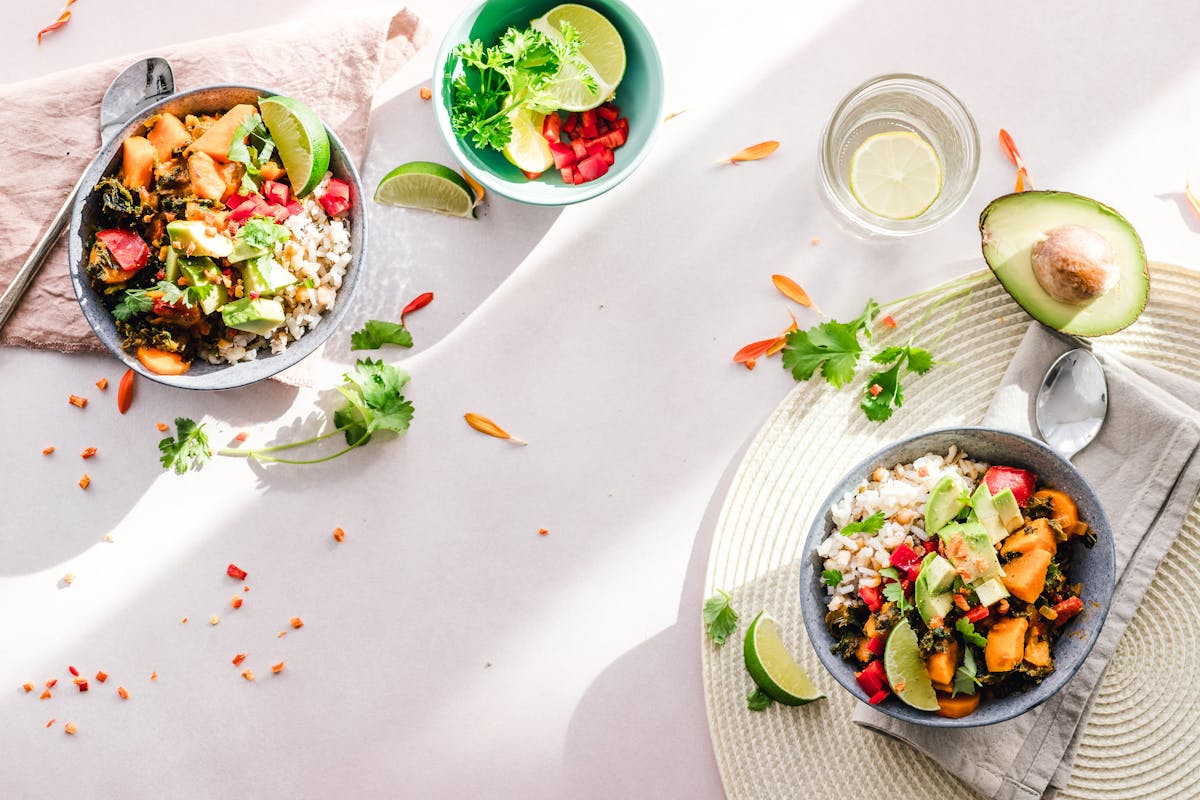
Expect a base of warm whole grains, a nest of garlicky beans, crisp fresh vegetables, and a bright crown of kimchi or sauerkraut, finished with herbs, seeds, and a lemony yogurt or tahini sauce.
Ingredients: Fermented Veggie & Prebiotic Power Bowl
These quantities make 2 hearty servings. Double everything for meal prep or a family dinner.
For the Grain Base
- 1 cup (180 g) uncooked cooked-style whole grain such as quinoa, brown rice, or barley (yields about 2.5–3 cups cooked)
- 2 cups (480 ml) water or low-sodium vegetable broth
- Pinch of sea salt
For the Prebiotic Bean Mix
- 1 tablespoon (15 ml) extra-virgin olive oil
- 1 small onion, finely diced
- 2 cloves garlic, minced
- 1 cup (about 160 g) cooked chickpeas or other beans, drained and rinsed if canned
- 1 teaspoon ground turmeric
- ¼ teaspoon ground black pepper
- Salt to taste
Fresh & Crunchy Toppings
- 1 small carrot, julienned or grated
- ½ small cucumber, thinly sliced
- ½ cup (about 50 g) red cabbage, thinly shredded
- 1 small slightly green banana, sliced (optional, for extra prebiotic fiber and gentle sweetness)
- 1 small handful fresh herbs (parsley, cilantro, or dill), roughly chopped
Fermented Component
- ½–¾ cup (75–110 g) kimchi or sauerkraut, drained but not rinsed
Yogurt or Tahini Drizzle
- ½ cup (120 g) plain yogurt (use a coconut or soy yogurt for vegan)
- 1 tablespoon (15 ml) extra-virgin olive oil
- 1 tablespoon (15 ml) lemon juice or apple cider vinegar
- 1 teaspoon honey or maple syrup (optional, to balance acidity)
- Pinch of salt
Finishing Touches
- 2 tablespoons toasted seeds (pumpkin, sunflower, or sesame)
- Freshly ground black pepper, to taste
- Extra olive oil for drizzling
Equipment You’ll Need
- Medium saucepan with lid (for cooking grains)
- Medium skillet or frying pan
- Cutting board and sharp knife
- Mixing bowl and spoon (for the sauce)
- Measuring cups and spoons
- 2 wide, shallow bowls for serving

Step-by-Step Instructions
Follow these steps in order for a smooth cooking flow. Most tasks overlap nicely, so the bowls come together quickly.
1. Cook the Whole Grains
- Rinse your chosen grain under cold running water using a fine-mesh sieve.
- In a medium saucepan, combine 1 cup grain with 2 cups water or broth and a pinch of salt.
- Bring to a boil over medium-high heat, then reduce to low, cover, and simmer until tender (about 15 minutes for quinoa, 25–30 minutes for brown rice or barley).
- Fluff with a fork, cover, and keep warm.

2. Sauté the Prebiotic Bean Mix
- While the grains cook, heat 1 tablespoon olive oil in a skillet over medium heat.
- Add the diced onion and cook, stirring occasionally, until soft and translucent, 5–7 minutes.
- Add the minced garlic and cook for 30–60 seconds, just until fragrant.
- Stir in the chickpeas, turmeric, black pepper, and a pinch of salt. Cook for 3–5 minutes, until the beans are warmed through and lightly coated in the golden spices.
- Taste and adjust seasoning. Turn off heat and set aside.
3. Prep Fresh Vegetables & Ferments
- Julienne or grate the carrot, slice the cucumber, and shred the red cabbage as thinly as you comfortably can.
- If using, slice the slightly green banana into thin coins.
- Roughly chop your fresh herbs.
- Gently drain the kimchi or sauerkraut (don’t rinse; you want the flavorful juices clinging to the vegetables).
4. Make the Yogurt (or Tahini) Drizzle
- In a small bowl, whisk together the yogurt, olive oil, lemon juice, and a pinch of salt.
- Taste; add honey or maple syrup if you’d like a subtle sweetness to balance the tang.
- If the sauce is too thick, loosen with a teaspoon or two of water until it drizzles easily from a spoon.
5. Assemble the Bowls
- Divide the warm grains between two wide bowls, spreading them out as an even layer.
- Spoon the turmeric chickpeas into one section of each bowl.
- Arrange small piles of carrot, cucumber, red cabbage, and banana around the bowl for a colorful, rainbow effect.
- Add a generous scoop of kimchi or sauerkraut to the center or side.
- Drizzle each bowl with the yogurt sauce, then sprinkle with toasted seeds and the fresh herbs.
- Finish with a crack of black pepper and an extra thread of olive oil if you like a glossy finish.
Dietary Adaptations & Personalization
Gut health is highly individual, so use this bowl as a canvas you can tweak for your body and tastebuds.
- Higher protein: Add a soft-boiled egg, grilled tofu, tempeh, or an extra scoop of beans.
- Vegan: Swap yogurt for a tahini–lemon dressing or plant-based yogurt.
- Gluten-free: Stick to quinoa, brown rice, millet, or buckwheat.
- Milder flavor: Use sauerkraut instead of kimchi and go lighter on raw onion and garlic.
Storage, Meal Prep & Reheating
This microbiome-friendly bowl is very meal-prep-friendly if you store components separately.
- Cooked grains: Keep in an airtight container in the fridge for up to 4 days. Reheat gently in the microwave with a splash of water, or warm in a covered pan.
- Bean mix: Store up to 4 days. Reheat in a pan or microwave until steaming.
- Fresh veggies & herbs: Store in separate containers lined with a paper towel; enjoy within 3 days for best crunch.
- Kimchi or sauerkraut: Keep refrigerated and follow the jar’s best-before guidance; they usually last weeks or longer.
- Yogurt sauce: Store up to 3 days; thin with water and stir before using.
For best texture and to keep those lovely live cultures happy, add the fermented vegetables after reheating the grains and beans, not before.
Serving Suggestions & Complementary Dishes
This bowl is a complete meal on its own, but you can turn it into a mini gut-health feast with a few simple additions.
- Starter: A small bowl of miso soup or a simple green salad with olive oil and lemon.
- Side: A slice of whole-grain sourdough with olive oil and crushed garlic, or steamed asparagus drizzled with olive oil and seeds.
- Drink: Lightly sweetened kombucha, green tea, or a kefir smoothie with berries.
- Dessert: A handful of mixed berries with a square of dark chocolate (70%+ cocoa) for a polyphenol-rich finish.

Over a week, aim to rotate different grains, beans, vegetables, and ferments. Your microbiome loves variety, and your tastebuds will, too.
Everyday Microbiome-Friendly Cooking Tips
You don’t need a strict “gut reset” challenge to benefit from this trend. Small, consistent changes in how you cook and shop can have a meaningful impact over time.
- Count plants, not calories: Aim for 20–30 different plant foods per week—grains, beans, nuts, seeds, herbs, spices, fruits, and veggies all count.
- One fermented food a day: Add a spoonful of sauerkraut to lunch, yogurt to breakfast, or miso to dinner.
- Upgrade snacks: Swap ultra-processed snacks for nuts, fruit, or veggie sticks with hummus or bean dips.
- Introduce fiber slowly: If you’re currently low-fiber, increase by a little each week and drink plenty of water.
Think of your gut as a garden. The more diverse, colorful plants you “plant” through your meals, the more resilient and vibrant your inner ecosystem can become.
Recipe Metadata
The following structured data helps search engines understand and feature this gut-friendly recipe and article.
