
GLP-1 Diet Era: How Ozempic-Friendly Eating Can Still Be Delicious
The GLP‑1 Diet Era: Eating Well on Ozempic, Wegovy & Mounjaro
The rise of GLP‑1 weight‑loss medications like Ozempic, Wegovy, and Mounjaro/Zepbound has completely changed the way many people think about dieting. Instead of white‑knuckling through hunger, more folks are now asking a gentler, wiser question: “How do I nourish myself well while my appetite is lower?” This guide walks you through the core ideas behind “Ozempic‑friendly” or “GLP‑1 gut‑friendly” eating—plus a comforting, high‑protein recipe tailored for sensitive stomachs.
What Is the “GLP‑1 Diet” Trend All About?
GLP‑1 agonist medications—Ozempic, Wegovy, Mounjaro, and Zepbound—work by mimicking hormones that slow gastric emptying, increase satiety, and blunt appetite. The result? Many people:
- Feel full very quickly, often after just a few bites.
- Eat far less than they used to—sometimes without trying.
- Notice nausea, reflux, or other GI discomfort if they eat heavy, greasy foods.
Online, this has exploded into a wave of “What I eat in a day on Ozempic” videos and “GLP‑1 gut‑friendly” guides. While some of the content is sensational, the most credible voices share a consistent message:
Use GLP‑1s as a tool—not a crash diet—pairing them with a high‑protein, nutrient‑dense way of eating and some strength training to protect your health long term.
How GLP‑1 Medications Change Your Appetite & Digestion
Understanding what’s happening in your body can make meal planning feel less mysterious and more empowering.
- Slower gastric emptying: Food moves more slowly from your stomach to your intestines, which means you feel full longer—but big, heavy meals can sit uncomfortably.
- Increased satiety: You may feel satisfied after a much smaller portion than you’re used to.
- Reduced appetite: Many people report feeling “food neutral” for the first time—less obsessing about snacks and more forgetting to eat.
- Possible side effects: Nausea, bloating, and reflux are common, especially if portions are large or the food is very fatty or fried.
Instead of fighting these changes, think of them as cues: your body is asking for smaller, protein‑rich, gently cooked foods that are kind to your stomach.
Inside the GLP‑1 Diet Trend: From Ozempic Face to Gut‑Friendly Meals
From 2024 through 2026, GLP‑1‑aligned eating has become one of the most visible nutrition conversations online. On TikTok and YouTube, creators share:
- High‑protein breakfasts with Greek yogurt, eggs, or smoothies.
- Soft, low‑fat meals to reduce nausea and reflux.
- Hydration strategies: water, herbal teas, and electrolyte drinks.
- Gentle fiber from cooked veggies, oats, and legumes—introduced slowly.
At the same time, there’s a growing backlash and reality check. People worry about:
- “Ozempic face”—the gaunt look that can come from rapid weight loss.
- Muscle loss when calories and protein are too low.
- Nutrient gaps from chronically under‑eating.
- Weight regain after stopping the medication.
Core Principles of an Ozempic‑Friendly, GLP‑1 Gut‑Friendly Way of Eating
These guidelines are meant to be flexible. They’re not rules you have to follow perfectly—just a framework to help you feel good while the medication does its job.
- Prioritize protein at every meal.
Aim for roughly 1.6–2.2 g of protein per kilogram of body weight if you’re active or trying to preserve muscle, with protein spread across meals. That might look like 20–30 g at breakfast, lunch, and dinner. - Go for smaller, more frequent meals.
Large portions can feel overwhelming. Mini‑meals and snacks—like half a sandwich, a cup of soup, or a yogurt—often sit better. - Choose softer, gently cooked textures.
Think tender stews, baked fish, mashed beans, oatmeal, and roasted vegetables instead of raw salads or heavy fried foods. - Introduce fiber slowly.
Cooked vegetables, oats, and lentils are lovely, but bring them in gradually to avoid bloating and discomfort. - Hydrate deliberately.
Because your appetite is blunted, you might also forget to drink. Sip water, herbal tea, or low‑sugar electrolyte drinks throughout the day. - Limit ultra‑processed, greasy foods.
They’re more likely to trigger nausea or reflux and don’t offer the nutrient density your body needs when you’re eating less.
Gentle High‑Protein Chicken & Vegetable Stew (GLP‑1 Friendly)
This soothing stew is inspired by the kind of food many GLP‑1 users find easiest to enjoy: soft, warm, and full of protein. It’s light on added fat, loaded with tender vegetables, and easy to portion into the small bowls that feel just right when your appetite is dialed down.
Quick Recipe Summary
Prep time: 20 minutes
Cook time: 35 minutes
Total time: 55 minutes
Servings: 4 (or 6–8 small GLP‑1‑sized bowls)
Difficulty: Easy
Equipment
- Large saucepan or Dutch oven with lid
- Cutting board and sharp knife
- Wooden spoon or heat‑safe spatula
- Measuring cups and spoons
- Optional: small ladle for portioning into mini bowls
Ingredients
For the stew:
- 1 tablespoon olive oil (or avocado oil)
- 1 small onion, finely diced
- 2 medium carrots, peeled and sliced into thin rounds
- 2 celery stalks, thinly sliced
- 2 cloves garlic, minced (or 1 teaspoon garlic powder for extra sensitivity)
- 450 g (1 lb) boneless, skinless chicken breast or thighs, cut into bite‑sized cubes
- 1 teaspoon fine sea salt, plus more to taste
- 1/2 teaspoon freshly ground black pepper
- 1 teaspoon dried thyme or Italian seasoning
- 4 cups (1 L) low‑sodium chicken broth
- 1 cup water
- 1 medium zucchini, diced
- 1 cup frozen peas (no need to thaw)
- 1/2 cup quick‑cooking barley or small pasta like orzo (optional for extra comfort carbs)
For extra creaminess (optional but very soothing):
- 1/2 cup plain Greek yogurt (2% or 5%) or lactose‑free Greek yogurt
- 2 tablespoons chopped fresh parsley or chives, for serving
Step‑by‑Step Instructions
- Soften the aromatics.
Heat the olive oil in your pot over medium heat. Add the onion, carrots, and celery. Cook, stirring occasionally, until the vegetables are soft and fragrant, about 6–8 minutes.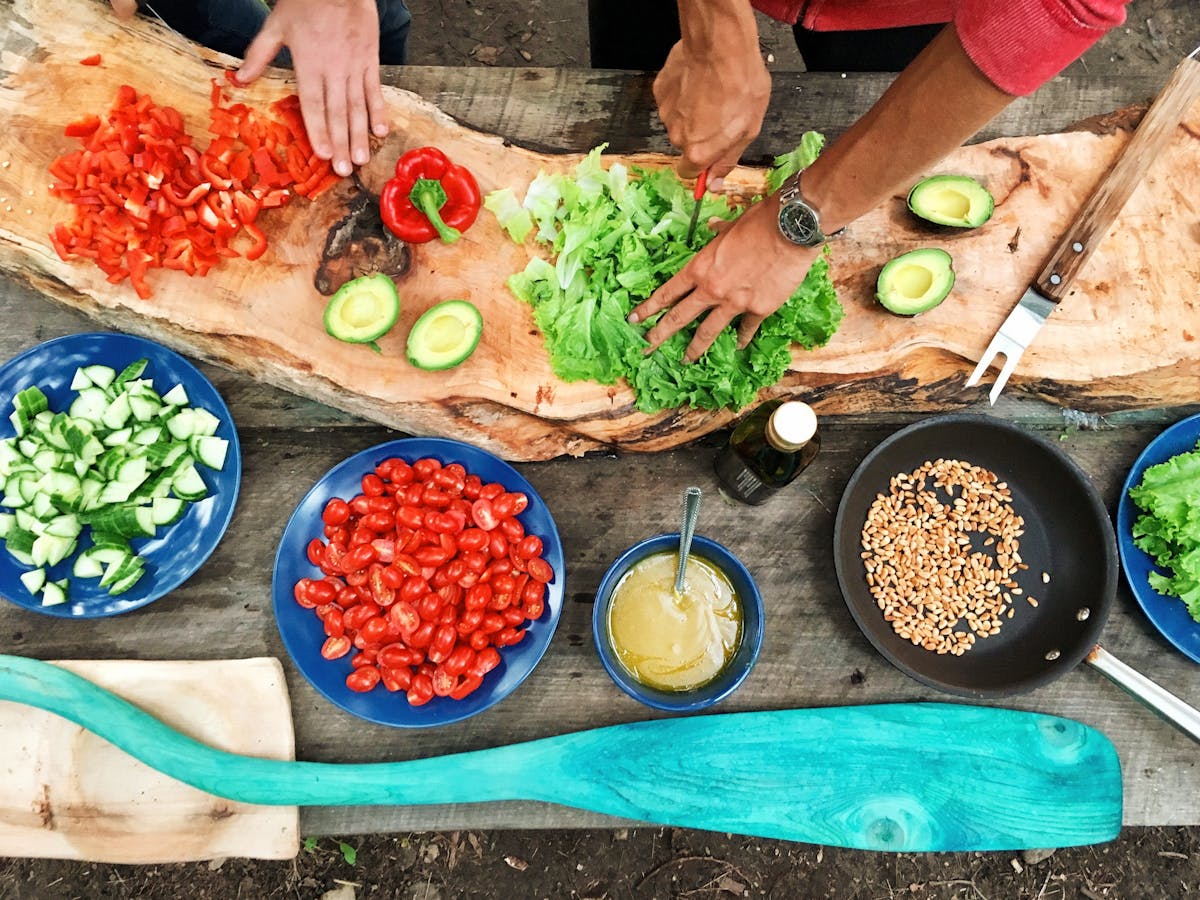
Take your time here—slowly softened vegetables build gentle, sweet flavor without harshness. - Add garlic and chicken.
Stir in the garlic and cook for 30 seconds until fragrant. Add the chicken pieces, salt, pepper, and thyme. Cook, stirring, until the chicken is opaque on the outside, 3–4 minutes. It doesn’t need to be fully cooked through yet. - Pour in liquids and simmer.
Add the chicken broth and water. Bring to a gentle boil, then reduce the heat to low, cover, and simmer for 15 minutes. - Add vegetables and barley or pasta.
Stir in the zucchini, peas, and barley or small pasta, if using. Continue simmering, uncovered, for 10–15 minutes more, until the grains or pasta are tender and the chicken is cooked through.A gentle simmer—rather than a hard boil—keeps the chicken tender and the broth soothing. - Adjust seasoning.
Taste and add more salt or pepper if needed. If your stomach is very sensitive, keep seasonings mild and skip spicy additions. - Finish with creamy yogurt (optional).
Remove the pot from the heat. In a small bowl, whisk the Greek yogurt with a ladle of hot broth to temper it (this helps prevent curdling). Gently stir the yogurt mixture back into the stew for a silky, comforting texture.
Tempering yogurt with hot broth keeps the stew smooth and gentle, not grainy. - Serve in small, mindful portions.
Ladle the stew into small bowls and garnish with parsley or chives. Eat slowly, pausing to notice when you feel comfortably satisfied.Smaller bowls help align portions with the natural fullness cues you’ll notice on GLP‑1 medications.
Ingredient Substitutions & Dietary Adaptations
This GLP‑1‑friendly stew is easy to tailor to your needs and preferences.
- High‑protein, no chicken: Swap chicken for firm tofu cubes or canned chickpeas. Simmer gently so they hold their shape.
- Dairy‑free: Skip the Greek yogurt or replace it with an unsweetened, high‑protein plant yogurt. Add a squeeze of lemon for brightness instead of creaminess.
- Gluten‑free: Use brown rice, quinoa, or gluten‑free small pasta in place of barley. Check that your broth is certified gluten‑free.
- Lower fat for reflux‑prone eaters: Use a nonstick pot and reduce or omit the oil. Add an extra splash of broth to soften the vegetables instead of sautéing them in fat.
- Extra protein boost: Stir in 1/2 cup of cooked lentils or a scoop of unflavored collagen or whey isolate (off the heat) to bump up the protein per bite.
Storage, Meal Prep & Reheating on a GLP‑1 Schedule
One of the realities of GLP‑1 medications is that you may not feel like cooking often—but when you do, a little batch cooking can carry you for days.
- Fridge: Store the stew in an airtight container for up to 3–4 days. If you’ve added yogurt, it may thicken slightly but will still taste great.
- Freezer: Portion into small, single‑serve containers and freeze for up to 2 months. Leave a little room at the top for expansion.
- Reheating: Warm gently on the stovetop over low heat or in the microwave at 50–70% power, stirring halfway. Add a splash of water or broth if it has thickened.
- Portion cue: Defrost only what you think you’ll want in a day; it’s fine if you don’t finish it all, but this can help reduce waste.
Serving Ideas & Complementary GLP‑1‑Friendly Dishes
To round out your day with GLP‑1‑aligned, high‑protein, nutrient‑dense meals, you can pair this stew with:
- Breakfast: A small bowl of protein oatmeal (oats cooked with milk or soy milk, plus a spoonful of protein powder) or Greek yogurt with soft berries.
- Snack: A boiled egg, cottage cheese, or a handful of roasted chickpeas for easy protein.
- Side dish: A slice of soft, whole‑grain bread or a small baked sweet potato if you’d like a bit more gentle carbohydrate.
- Evening sip: A warm mug of herbal tea to hydrate and soothe digestion before bed.

Protecting Muscle & Metabolic Health While on GLP‑1s
Because GLP‑1 medications can lead to rapid weight loss, the nutrition community has become increasingly focused on maintaining lean muscle during this process.
- Protein target: Many experts suggest 1.6–2.2 g of protein per kilogram of body weight per day for active users.
- Spread it out: It’s more effective—and easier on a small appetite—to divide that protein across 3–4 meals instead of loading it all at night.
- Strength training: Aim for 2–4 sessions per week of simple resistance work: bodyweight exercises, resistance bands, or light weights.
- Nutrient density: Focus on lean meats, fish, eggs, dairy or fortified alternatives, vegetables, fruits, whole grains, nuts, and seeds rather than ultra‑processed snacks.
The Future of GLP‑1 Eating: Gentle, Nourishing, and Sustainable
The GLP‑1 diet era is still evolving, but a clear theme is emerging: these medications work best when they’re paired with kindness—to your body, your schedule, and your plate. High‑protein, gut‑friendly meals like this chicken and vegetable stew can help you feel nourished and satisfied, even when your hunger is quiet.
Whether you’re just starting Ozempic, have been on Wegovy or Mounjaro for a while, or are simply curious about GLP‑1‑aligned eating, remember that you’re allowed to enjoy your food. Small portions can still hold big flavor, comfort, and care.
