
Chris Brown Lawsuit: Ex-Housekeeper’s Fight Over Graphic Dog Attack Photos Explained
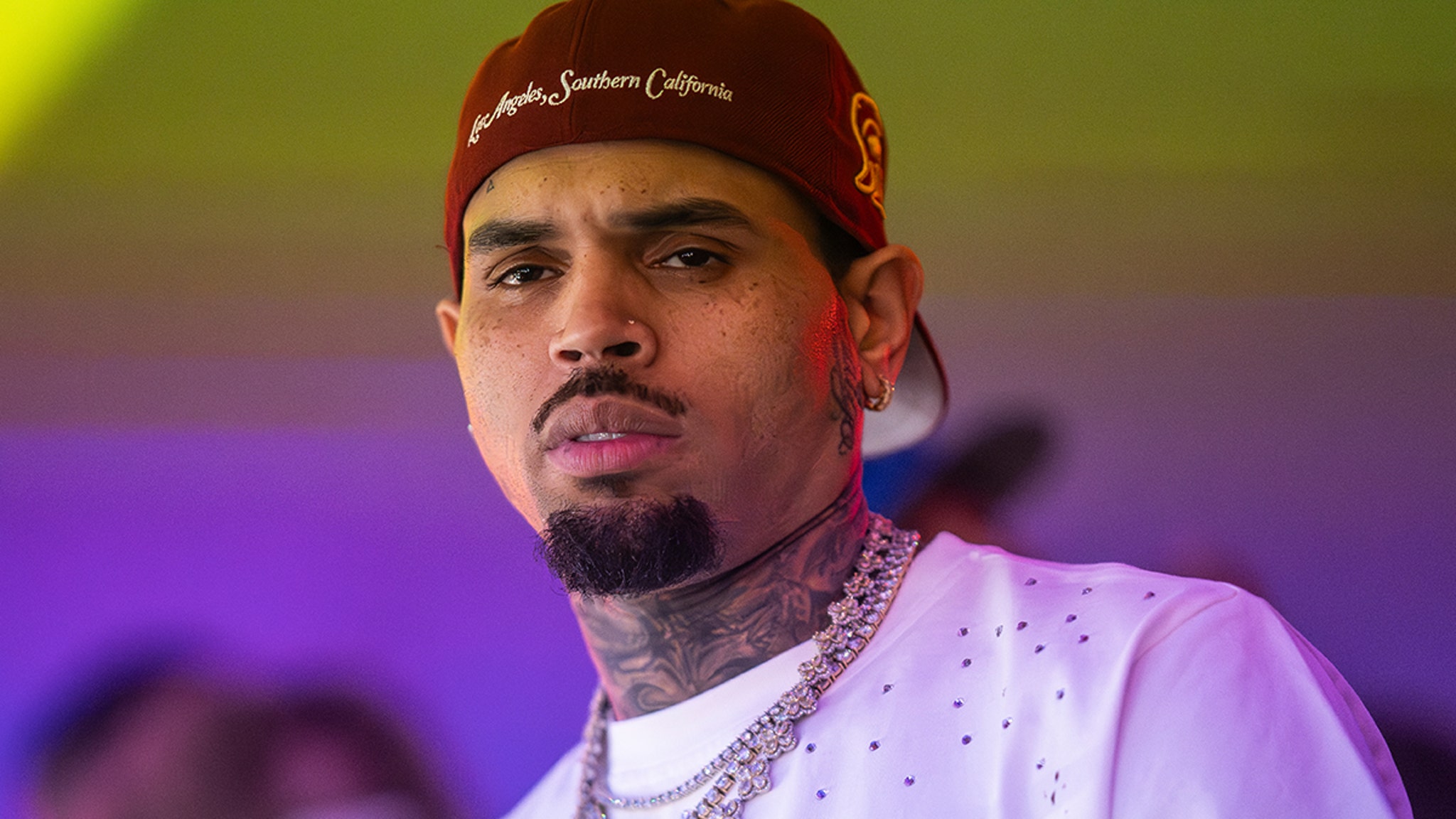
Chris Brown’s former housekeeper is asking a court to let jurors see graphic photos she says show the aftermath of a dog attack at the singer’s home, raising fresh questions about celebrity liability, privacy, and how far courts should go in shielding juries from disturbing evidence. The case sits at the intersection of entertainment culture, legal strategy, and the ongoing public scrutiny that has followed Brown for more than a decade.
Background: The Lawsuit Behind the Headlines
According to reporting from TMZ and other entertainment outlets, the lawsuit centers on an incident in which Brown’s dog allegedly mauled his then-housekeeper while she was working at his home. The plaintiff claims she suffered severe injuries and long-term trauma, and that Brown is legally responsible for what happened on his property.
The current flashpoint isn’t whether the attack occurred—that’s already detailed in court filings—but whether the jury will be allowed to see photos the housekeeper says document the “horrific” condition she was left in after the alleged mauling. Brown’s side, per the reports, has pushed back on the use of images they argue could be unfairly prejudicial.
This is not the first time a major music figure has faced a civil case over a domestic animal—high-profile pet-related lawsuits have hit everyone from rappers to reality stars—but Brown’s long history in the public eye makes this dispute especially charged.
Why the Graphic Photos Matter in Court
At the heart of the dispute is a familiar courtroom tension: evidence that’s undeniably powerful can also be dangerously persuasive. Injury photos often fall into that category. Lawyers for the housekeeper reportedly argue the images are necessary to convey the full extent of her pain, suffering, and disfigurement—details that can be hard to translate into medical jargon or abstract testimony.
Brown’s side, by contrast, has an obvious interest in limiting anything that might inflame the jury’s emotions. U.S. courts routinely wrestle with this problem using rules that ask whether evidence is more “probative” (helpful in getting to the truth) than “prejudicial” (likely to provoke an emotional reaction that outweighs its factual value).
“Relevant evidence may be excluded if its probative value is substantially outweighed by a danger of… unfair prejudice, confusing the issues, [or] misleading the jury.”
That legal balance is exactly what the judge will have to decide here: do the photos clarify the claims, or do they risk turning the trial into something closer to a shock reel?
Chris Brown, Public Image, and the Court of Public Opinion
Any legal issue involving Chris Brown arrives with built-in context. Since his highly publicized 2009 felony assault case involving Rihanna, Brown’s reputation has never fully escaped scrutiny. Each new allegation—no matter how different from the last—gets filtered through that history.
From a cultural standpoint, that means this dog-attack lawsuit is doing double duty: it’s not just about one incident, but about how audiences, especially on social media, read patterns of behavior in celebrities. Fair or not, Brown’s name tends to turn private legal disputes into public morality plays.
That said, U.S. courts are not supposed to operate like Twitter threads. Judges and jurors are tasked with focusing on the specific facts of the specific case, not the entire tabloid history that comes bundled with a star.

The Ethics of Showing Trauma: Where Is the Line?
Beyond the legal jargon, there’s a human and ethical question: how much of someone’s suffering should be put on display for a verdict to feel “real”? Injury photos can validate victims’ experiences, but they also risk turning very personal pain into spectacle—especially when a famous name is attached.
- For the plaintiff, the images may feel like the only way to be fully believed.
- For the defendant, they might seem like emotional overkill, designed to bias the jury.
- For the public, they can easily blur into clickbait if mishandled by media outlets.
Responsible coverage means acknowledging the seriousness of the alleged injuries without reproducing or sensationalizing graphic content. That’s especially important when the underlying story already has a high tabloid quotient.
Celebrity Liability and Pets: A Broader Legal Trend
The Chris Brown dog-attack case fits into a growing pattern of lawsuits where celebrities’ homes, parties, or pets become legal flashpoints. Whether it’s a pool accident at a producer’s mansion or a dog bite at a rapper’s compound, the same key themes keep emerging:
- Duty of care: Did the property owner take reasonable steps to keep workers and guests safe?
- Knowledge of risk: Did the owner know, or have reason to know, that the animal could be dangerous?
- Security and supervision: Were pets properly contained when staff or visitors were present?
In an industry where sprawling estates and on-site staff are common, cases like this signal to artists and their teams that animal safety is as much a legal issue as it is a lifestyle choice. Insurance policies, NDAs, and house rules are increasingly being written with precisely these scenarios in mind.

How Outlets Like TMZ Shape the Story
TMZ remains one of the most influential players in celebrity legal coverage, often breaking stories long before mainstream outlets weigh in. In the Brown case, the site’s framing—emphasizing “horrific” photos and a “dog mauling”—sets the tone for how fans and casual readers process the lawsuit.
That doesn’t mean the facts are wrong, but it does mean the narrative is calibrated for maximum attention. For artists, this kind of framing can be career-altering; for plaintiffs, it can provide leverage by increasing public sympathy and settlement pressure.
In the streaming era, a single legal headline can do as much reputational damage—or repair—as a full album cycle.
For audiences, the challenge is reading these stories with some distance: recognizing both the legitimate public-interest angles (workplace safety, celebrity accountability) and the incentives that drive sensationalism.

Fan Reactions, Cancel Culture, and Streaming Realities
For Chris Brown, any new controversy prompts two familiar reactions online: one camp revisits his past and questions why he still enjoys major playlist placement; another camp insists on separating the art from the artist and focuses on the legal presumption of innocence in each new case.
In practice, streaming platforms rarely drop artists over civil lawsuits alone. But fan sentiment can affect:
- Tour demand and venue bookings
- Brand deals and sponsorships
- Collaboration opportunities with more risk-averse artists
The outcome of this case—especially if the photos are admitted and prove as disturbing as described—could subtly influence how gatekeepers weigh Brown’s presence in mainstream spaces, even if there’s no dramatic “cancellation” moment.
What to Watch Next as the Case Develops
The next major procedural moment will be the judge’s decision on whether, and how, the injury photos can be used at trial. Possible outcomes include:
- Full admission: The jury sees the photos with minimal restrictions.
- Limited use: Only certain images or cropped versions are allowed.
- Exclusion: The photos are kept out, and the plaintiff relies on testimony and medical records.
Each scenario changes the risk calculus for both sides and could nudge them toward settlement rather than a public trial. For Brown, limiting graphic evidence would clearly be a win; for the plaintiff, broad admission could strengthen both leverage and potential damages.
Conclusion: Beyond the Shock Factor
Stripped of the tabloid framing, the Chris Brown dog-attack lawsuit is fundamentally about workplace safety, responsibility, and how the legal system treats visual evidence of trauma. The housekeeper’s push to show her injury photos in court reflects a broader tension in our culture: we increasingly document everything, but we’re still figuring out when—and how—to look.
However the judge rules on the photos, the case underscores a simple reality of modern celebrity: private life is never fully private when people work in your home, and the consequences of what happens there can reverberate far beyond the property line. For Brown, this is another test of how much legal turbulence his career can weather; for the industry, it’s a reminder that fame does not insulate anyone from the mundane but very real rules of liability.
For official case updates and verified information, readers should rely on court records and reputable outlets such as The Los Angeles Times – Entertainment and Chris Brown’s IMDb profile for career context.
