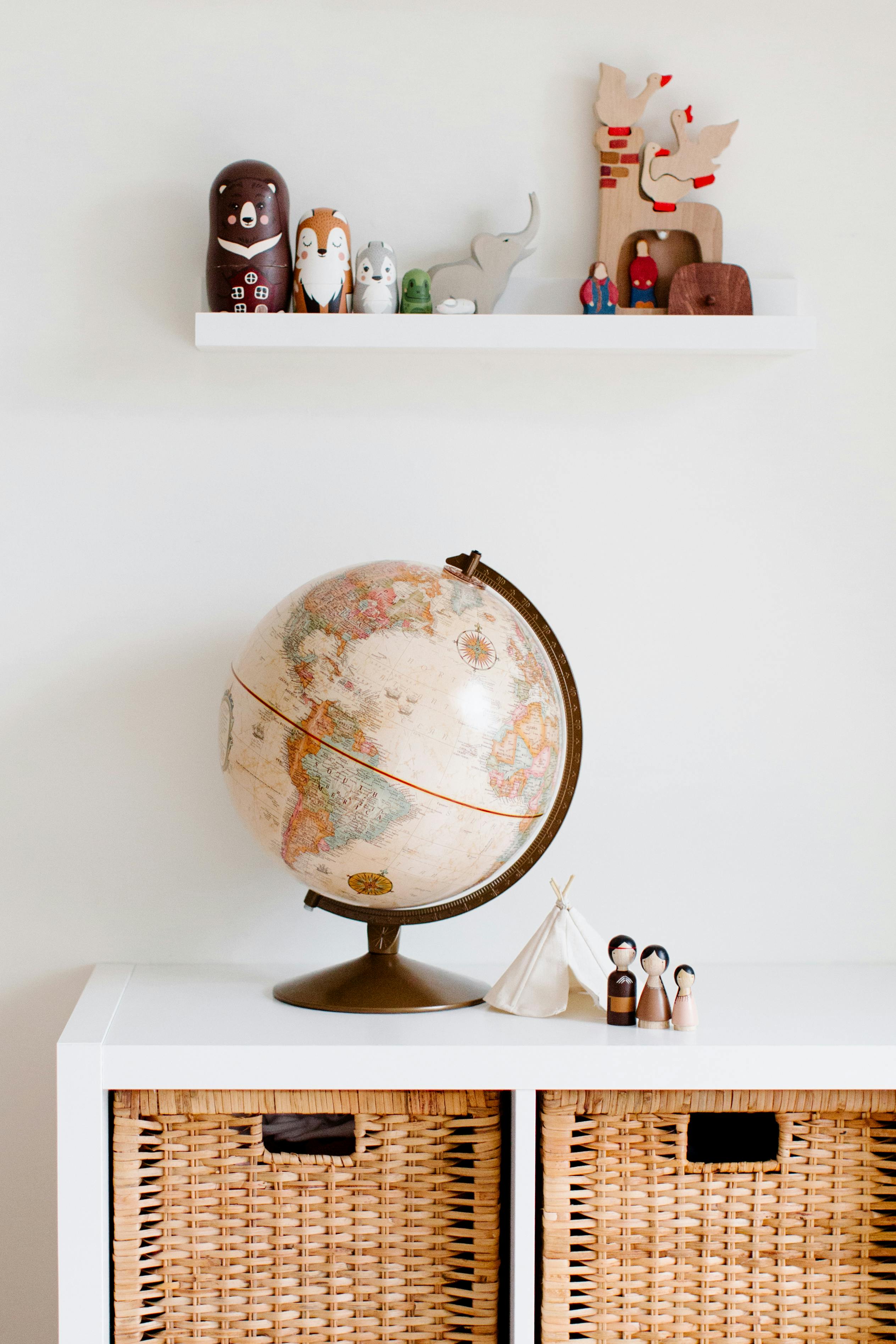
Your Living Room Called: It Wants a Forest-Inspired Glow-Up
Is Your Home Calm… or Just Cluttered With Feelings?
Biophilic and nature-inspired decor is trending because people want calmer, healthier homes that feel like a mini-retreat instead of a to-do list. This playful guide shows how to bring the outdoors in with plants, natural light, organic materials, and nature-inspired wall decor, all while keeping things realistic, renter-friendly, and surprisingly low-maintenance.
If your living room currently says “I gave up sometime in 2021,” it might be time to invite the outdoors in—without actually letting in the bugs, humidity, or that one neighbor who always wants to “just pop by.” That’s where biophilic decor comes in: a fancy term for “surround yourself with nature so you don’t completely unravel by Wednesday.”
Across social feeds in 2026, plant-filled corners, limewashed walls, moss art, and rattan everything are everywhere. But you don’t have to turn your home into a literal jungle to join in. You just need a strategy, a sense of humor, and maybe one plant that doesn’t immediately perish.
Biophilic Decor, Unpacked (No Degree in Design Required)
Biophilic design is simply decorating your home in a way that connects you to nature—visually, physically, and even acoustically. Think:
- Plants as actual decor, not just that one sad pothos in the corner
- Natural materials like wood, rattan, linen, and stone
- Sunlight and outdoor views treated like VIP guests, not an afterthought
- Nature-inspired wall decor: botanical art, landscape prints, moss panels
- Subtle nature sounds and calming color palettes for peak “I have my life together” energy
The trend is hot because it’s modular. You can start with one plant and a jute basket or go full “indoor greenhouse meets spa retreat.” It also plays nicely with other popular looks: Japandi, Scandinavian, boho, modern farmhouse—the whole aesthetic friend group.
Design rule of thumb: if it looks like it could exist in a very chic cabin in the woods, it probably works for biophilic decor.
1. Plants as Main Characters (Not Background Extras)
In 2026, indoor plants aren’t just accessories; they’re the lead actors. Social feeds are full of “plant styling” videos where people treat their fiddle leaf fig like a celebrity with a lighting rider.
To make plants look intentional—and not like you panic-bought the garden center—use them as sculptural elements:
- Go big in the living room: Choose one statement plant like a rubber plant, olive tree, or monstera and place it where you’d normally put a floor lamp. Instant drama, minus the energy bill.
- Play with height: Use plant stands, stacked coffee table books, and hanging planters to create a “plant skyline” instead of a flat green blob.
- Group by vibe, not just type: Cluster plants with similar pot colors or textures so they look curated, not chaotic.
- Think vertical: Floating shelves with trailing plants or a small vertical plant wall can double as wall decor. Your walls are basically blank canvases begging for chlorophyll.
If your thumb is less green and more… “mysteriously lethal,” start with hardy heroes: snake plants, ZZ plants, pothos, or a peace lily. They’re like the emotional support plants of the decor world.
2. Nature-Inspired Walls: From Bland to “Botanical Main Feed Moment”
Your walls are valuable real estate, and not just for that calendar you haven’t updated since February. Nature-inspired wall decor is exploding right now—especially:
- Oversized landscape prints and photography (forests, coastlines, mountains)
- Vintage-style botanical illustrations in simple frames
- Pressed-flower frames and dried grass arrangements
- Moss panels and DIY branch or driftwood hangings
- Limewash and clay-based paints for soft, organic texture
To keep it from looking like a themed restaurant, follow the “one big gesture, a few small whispers” rule:
- Choose one hero wall moment: a large landscape print above the sofa, a moss panel in the hallway, or a gallery of botanical sketches in the dining area.
- Add two or three smaller nods: a pressed-flower frame on a shelf, a branch hanging in the entry, or a small framed leaf print near a window.
- Keep frames and colors cohesive so the whole wall tells one story instead of several competing fairy tales.
If you rent, removable wallpaper in soft, nature-inspired patterns—subtle leaves, linen textures, or watercolor landscapes—can transform a room without risking your security deposit or your landlord’s wrath.
3. Texture Therapy: Rattan, Jute, Linen & Friends
Nature-inspired decor isn’t just about what you see; it’s what you touch. That’s why natural materials like rattan, cane, jute, seagrass, linen, wool, and lightly finished woods are everywhere in 2026.
Here’s how to layer them without turning your space into a beach hut gift shop:
- Start with the floor: A jute or seagrass rug instantly warms up tile or hardwood and anchors the room. Layer a softer wool or cotton rug on top if you like cozy toes.
- Upgrade one big piece: A rattan headboard, cane-front cabinet, or woven pendant light can be a statement that quietly says, “Yes, I read design blogs for fun.”
- Sprinkle small accents: Woven baskets for blankets, a seagrass planter, or linen throw pillows add texture without screaming for attention.
- Keep colors calm: Stick to soft neutrals—sands, creams, warm woods—then add gentle greens or blues to keep things sophisticated instead of theme-park tropical.
The magic is in contrast: pair rough (jute, raw wood) with smooth (ceramic, glass), and soft (linen, wool) with structured (rattan, metal) so your space feels layered, not lumpy.
4. Let There Be Light (And Fewer Heavy Curtains)
Natural light is the unsung hero of biophilic design. You can own every plant known to humankind, but if your living room feels like a dim conference room, the vibe will be off.
To maximize light and views without renovating your entire life:
- Break up with blackout curtains (during the day): Swap heavy drapes for sheer linen or cotton panels that filter, not block, light.
- Use mirrors as light boosters: Place a mirror opposite or diagonal to a window to bounce light deeper into the room.
- Reposition bulky furniture: If a giant bookcase is hogging the window, move it. Let the daylight be your main feature wall.
- Keep window sills clean: A couple of small plants = charming. A lineup of random stuff = instant light thief.
For low-light spaces, lean into warm lamps, candles, and soft, earthy wall colors. You can still channel “forest at golden hour” even if your window faces the alley.
5. Design for Your Nervous System, Not Just Your Feed
One big reason biophilic decor is everywhere in 2026: people are tired. We want homes that help us sleep, focus, and not spiral when we misplace our keys again.
Use these wellness-focused tweaks in your most-used spaces:
Bedroom: Built-In Wind-Down Mode
- Color palette: Soft greens, muted blues, and warm neutrals mimic forests and beaches—relaxing without feeling sterile.
- Above-the-bed art: Choose one large landscape or botanical piece instead of several small busy frames.
- Plant corner + soft lighting: A small plant cluster with a warm bulb lamp or salt lamp makes a gentle bedtime “nook” for journaling or reading.
Living Room: Day-to-Night Retreat
- Reading spot by a window: Add a chair, small side table, and plant to create a relaxing corner that practically begs you to sit down for ten minutes.
- Nature sounds: Forest or rain playlists on low volume can soften city noise and help the space feel cocoon-like.
- Textile layers: Linen throws, cotton cushions, and a wool or jute rug help your body register “safe and cozy,” not “waiting room.”
The goal isn’t perfection; it’s creating tiny, repeatable moments of calm. If your living room whispers “you can breathe here,” you’ve nailed it.
6. Apartment & Renter Friendly: Nature Without the Renovation
You don’t need a giant house, a sunroom, or a mortgage to hop on the biophilic train. For renters and small-space dwellers:
- Think vertical, not horizontal: Hanging planters, wall-mounted shelves, and narrow plant stands keep floor space free.
- Use removable everything: Peel-and-stick wallpaper, command hooks for lightweight wall hangings, and renter-safe curtain rods.
- Upgrade what you can move with you: Beautiful planters, lamps, textiles, and art all come along when you change addresses.
- Choose multi-taskers: A lidded woven basket that hides clutter, a storage ottoman with a natural-fiber cover, or a bench with seagrass baskets underneath.
Your lease may say “no painting” but it definitely doesn’t say “no plants, no linen, no cozy earth-tone throw pillows.” Use what you can control, and leave the drywall out of it.
7. A 7-Day Mini Makeover: Biophilic Decor, Bite-Sized
If overhauling your space sounds like a lot (because it is), try this week-long, low-commitment challenge. No demolition required.
- Day 1 – Clear the stage: Declutter one surface near a window. This will be your future “nature zone,” not a mail graveyard.
- Day 2 – Add one plant: Start with something forgiving. Put it in a simple pot that matches your existing decor.
- Day 3 – Swap a textile: Trade one synthetic throw or pillow for something in linen, cotton, or wool in an earthy shade.
- Day 4 – Rethink your lighting: Replace one harsh white bulb with a warm, soft-glow bulb. Notice the difference at night.
- Day 5 – Nature on the wall: Hang or prop one nature-inspired artwork—botanical print, landscape photo, or pressed flowers.
- Day 6 – Let in the light: Wash your windows (yes, really), open curtains fully, and reposition one piece of furniture to improve light flow.
- Day 7 – Soundtrack the space: Put on a forest, rain, or ocean playlist while you relax in your new nook for at least 10 minutes.
By the end of the week, your home will feel noticeably calmer, even though you only changed a handful of things. That’s the power of tiny, intentional upgrades.
Your Home, But Make It Alive
Biophilic decor isn’t about copying someone else’s plant-filled living room from your feed. It’s about figuring out what kind of “nature” makes you feel most at ease—and then inviting small pieces of that indoors.
Maybe that’s a leafy jungle corner by the window. Maybe it’s a clean, Japandi-inspired bedroom with one perfect branch in a vase. Maybe it’s just finally replacing that scratchy throw with a soft linen one in the exact shade of your favorite hiking trail.
Start small, stay curious, and let your space grow—literally and figuratively. Your home doesn’t have to look like a showroom; it just has to feel like you, on your calmest, most grounded day.
Image Suggestions (For Editors)
Below are carefully selected, strictly relevant image suggestions that visually reinforce key concepts in this blog. All are realistic, information-rich, and directly mapped to specific sentences.
Image 1 – Living Room with Statement Plant & Natural Textures
Placement location: Immediately after the paragraph in section “1. Plants as Main Characters (Not Background Extras)” that begins “To make plants look intentional…”
Image description: A bright, modern living room with a large statement plant (such as a fiddle leaf fig or rubber plant) in a simple pot placed where a floor lamp might normally go. The room includes a neutral sofa, a jute rug, a rattan or cane accent chair, and a few smaller plants on a shelf at varying heights. Light streams in from a window with sheer linen curtains. No people are present. The style is realistic, contemporary, and uncluttered, clearly showing plants as core decor and natural materials like jute and rattan.
Supported sentence/keyword: “Large statement plants (fiddle leaf figs, olive trees, rubber plants, monsteras) are used as sculptural elements in living rooms and bedrooms.”
SEO-optimized alt text: “Living room with large fiddle leaf fig and natural fiber decor including jute rug and rattan chair.”
Example URL (royalty-free, relevant): https://images.pexels.com/photos/6588588/pexels-photo-6588588.jpeg

Image 2 – Nature-Inspired Wall Decor with Botanical Prints
Placement location: After the bullet list in section “2. Nature-Inspired Walls: From Bland to ‘Botanical Main Feed Moment’”.
Image description: A close view of a wall in a living or dining room featuring a cohesive gallery of framed botanical illustrations and possibly one landscape print. The frames are simple (wood or black), and a small plant or vase with branches sits on a console table beneath. The composition clearly shows nature-inspired wall decor as the focus. No people, no abstract art; the emphasis is on leaves, flowers, and calm, earthy tones.
Supported sentence/keyword: “Trending wall decor includes oversized landscape prints, botanical illustrations, pressed-flower frames…”
SEO-optimized alt text: “Gallery wall of framed botanical prints above console table with small plant.”
Example URL (royalty-free, relevant): https://images.pexels.com/photos/7214460/pexels-photo-7214460.jpeg
Image 3 – Bedroom with Natural Materials and Calming Palette
Placement location: After the “Bedroom: Built-In Wind-Down Mode” subsection in section 5.
Image description: A serene bedroom featuring a light wood or rattan headboard, linen bedding in soft green or beige tones, a jute or wool rug, and one or two potted plants in simple planters. Above the bed is a single large piece of nature-inspired art, such as a muted landscape or botanical print. Soft, warm bedside lighting is visible. No people, no dramatic colors; the overall feeling is calm and nature-connected.
Supported sentence/keyword: “Bedroom decor trends include calming green and blue palettes, nature-themed art above the bed, and plant corners with soft lighting for nighttime wind-down routines.”
SEO-optimized alt text: “Calm bedroom with rattan headboard, linen bedding, nature-inspired artwork, and potted plants.”
Example URL (royalty-free, relevant): https://images.pexels.com/photos/3932929/pexels-photo-3932929.jpeg