
Writers’ Rooms Rebooted: Inside the WGA’s New Deal With Hollywood Studios
The Writers Guild of America’s newly confirmed tentative four-year deal with the studios and streamers doesn’t just turn the lights back on in writers’ rooms—it rewrites some of the ground rules that govern how television and film get made in the streaming era, with particular emphasis on protecting writers’ health plans and long‑term stability.

How We Got Here: A Strike That Froze Hollywood
The WGA’s standoff with the Alliance of Motion Picture and Television Producers (AMPTP) was never just about money in the abstract. It was about a business that had quietly, and then very loudly, shifted under writers’ feet: shortened streaming seasons, mini‑rooms, opaque residuals, and the looming question of artificial intelligence.
As the guild now confirms a tentative four‑year contract, the headlines focus on economics and AI, but at the heart of the WGA’s messaging is something more basic: the stability of writers’ health and pension plans, which are tethered directly to employment and contributions from employers.
“This deal protects writers’ health plan and secures meaningful gains in compensation and working conditions in a rapidly changing industry,” the guild told members in outlining the agreement.
That emphasis on “protection” sums up the tone of this contract: not a radical reboot of Hollywood economics, but a recalibration that tries to catch contracts up to how audiences actually watch TV and movies now.
Inside the Tentative WGA–Studio Deal: The Big Pillars
While full language lives in guild documents and sideletters, the confirmed framework centers on several high‑impact areas for writers working in film, broadcast, cable, and streaming.
- Base pay and minimums: Increases to minimum compensation over the four‑year term, intended to claw back ground lost to inflation and to years of stagnant rates.
- Streaming residuals: Improved terms for high‑budget SVOD projects, with more transparent formulas tied to platform success.
- Health and pension protections: Continued and in some areas enhanced contributions that stabilize the WGA Health Plan and Pension Plan.
- Room structure and employment terms: Guardrails around “mini‑rooms,” episode guarantees, and development timelines to reduce unpaid or underpaid work.
- AI and authorship safeguards: Contract language that protects human writing credit and compensation in an AI‑assisted world.
The tone in industry circles is that this agreement doesn’t give either side everything it wanted, but it stakes out a middle ground strong enough for the guild to recommend ratification and for studios to restart a badly clogged production pipeline.

Why the WGA Keeps Talking About the Health Plan
If you’re outside the guild bubble, it might sound oddly specific that the WGA is spotlighting its health plan in public statements. Inside the industry, that focus makes complete sense.
The WGA Health Plan is funded primarily by employer contributions based on covered work. When streaming platforms move to shorter seasons, use small mini‑rooms, or rely more heavily on free development work, they aren’t just limiting paychecks—they’re reducing the hours and contributions that keep health coverage viable for thousands of writers and their families.
That’s why this deal explicitly foregrounds continued support for the health plan: it ensures that gains in headline pay aren’t quietly undermined by an erosion of benefits.
- Stronger minimums help writers qualify for health coverage thresholds.
- Protections on room size and duration translate to steadier contributions.
- Limits on unpaid work reduce the gap between “busy” and “actually covered.”
For many mid‑level writers, the key question isn’t “Will this make me rich?” but “Can I reliably keep my health insurance year after year?”

Streaming, Residuals, and the Value of a “Hit”
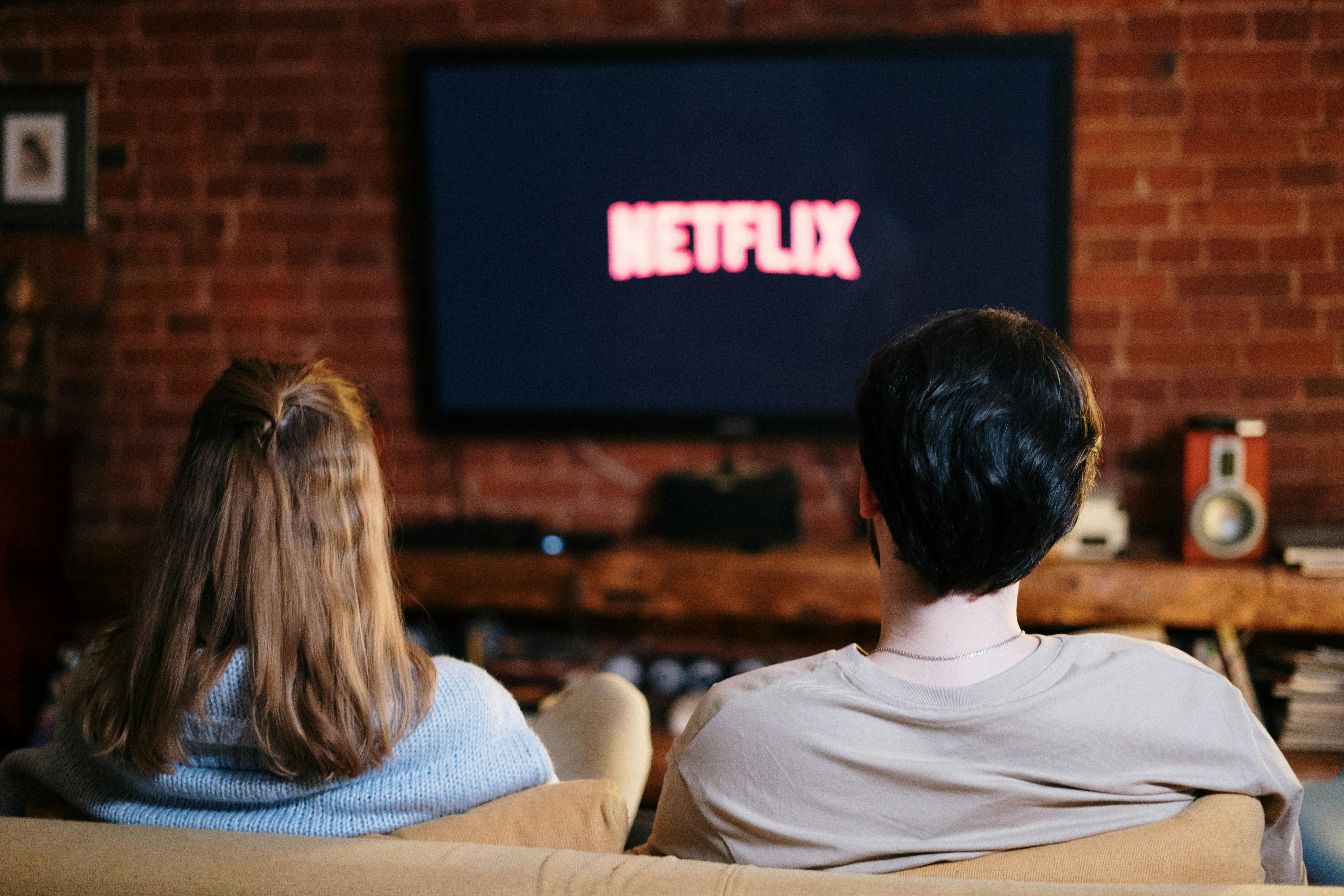
A decade into the streaming revolution, residuals have been the quiet fault line of almost every guild negotiation. Broadcast reruns paid out on a clear schedule; streaming platforms operate on global, often data‑walled ecosystems where the idea of a “rerun” is almost meaningless.
The new WGA–studio deal continues the industry trend toward treating high‑budget streaming shows and films more like traditional premium cable in terms of residuals. The guild has pushed for:
- Higher residuals for big‑budget series and features on platforms like Netflix, Disney+, Max, and Amazon.
- More predictable payment schedules that don’t hinge entirely on opaque viewership metrics.
- Better recognition of global reach, where a series can quietly become a cultural event in multiple countries without traditional ratings headlines.
The new terms won’t suddenly turn every staff writer into an owner, but they do signal a recognition that streaming “success” has to be compensated in a way writers can actually feel.
AI, Authorship, and What the Contract Tries to Future‑Proof
No 2020s Hollywood negotiation can ignore artificial intelligence. For writers, the anxiety isn’t just that AI might be used as a cheap replacement—it’s that studios could use AI‑generated drafts to dilute credit, limit payments, or sidestep guild protections.
The tentative WGA deal follows the contours of related Hollywood agreements by drawing some key lines:
- AI can be a tool, but it can’t be credited as a “writer” or “co‑writer.”
- Human writers maintain credit and the compensation that flows from it.
- Members can’t be forced to use AI tools in ways that undercut their contractual rights.
The goal isn’t to freeze technology, but to make sure the person who actually shapes the story remains the legal “author” in the eyes of the contract.
Whether these protections will fully hold against yet‑to‑be‑invented tools is an open question, but the language is an important first step in acknowledging that creative labor and machine output are not interchangeable.

Winners, Trade‑Offs, and What the Deal Means for Viewers
From a distance, it’s tempting to frame every guild deal as a clean win or loss. The reality is always more mixed. The WGA secured concrete gains in minimums, health and pension contributions, and some meaningful protections around room structure and AI. Studios and streamers, for their part, avoided an open‑ended standoff that threatened their content pipelines and investor patience.
For viewers, the most immediate impact is pragmatic: development rooms can restart, stalled seasons can go back into production, and a clogged release calendar can loosen up. The longer‑term impact is subtler but no less important:
- More sustainable careers: If mid‑level writers can actually live—and stay—in the business, shows benefit from deeper experience and continuity.
- Healthier development cycles: Stronger protections around unpaid work and mini‑rooms can reduce burnout and churn.
- Better alignment with modern viewing: As residual structures evolve, writers are less disconnected from the success of the work they create.

Beyond This Deal: What It Signals for Hollywood’s Future
This WGA agreement doesn’t exist in a vacuum. It sits alongside recent negotiations by actors, directors, and below‑the‑line crews, all wrestling with the same bundle of issues: streaming economics, data transparency, AI, and the rising cost of simply living in major production hubs.
In that context, the deal feels less like a final destination and more like a waypoint. It establishes:
- That health and pension plans will remain a central bargaining chip, not an afterthought.
- That streaming is no longer “experimental”—it’s the core of the business, and contracts will increasingly reflect that reality.
- That AI protections are now a standard fixture of Hollywood labor talks.
For writers, this agreement is a reset rather than a revolution, but in a business built on long development cycles and multi‑year series orders, that stability matters. For audiences, the payoff may arrive not as a single landmark show but as a more sustainable creative ecosystem—one where the people behind your favorite series can afford to stick around long enough to finish the story.
The question now is less “Will Hollywood adapt?” and more “How quickly can contracts keep pace with whatever comes next?”

