
World’s Oldest Penguin Turns 38: Spneb’s Fish-Topped Birthday Cake Melts Hearts
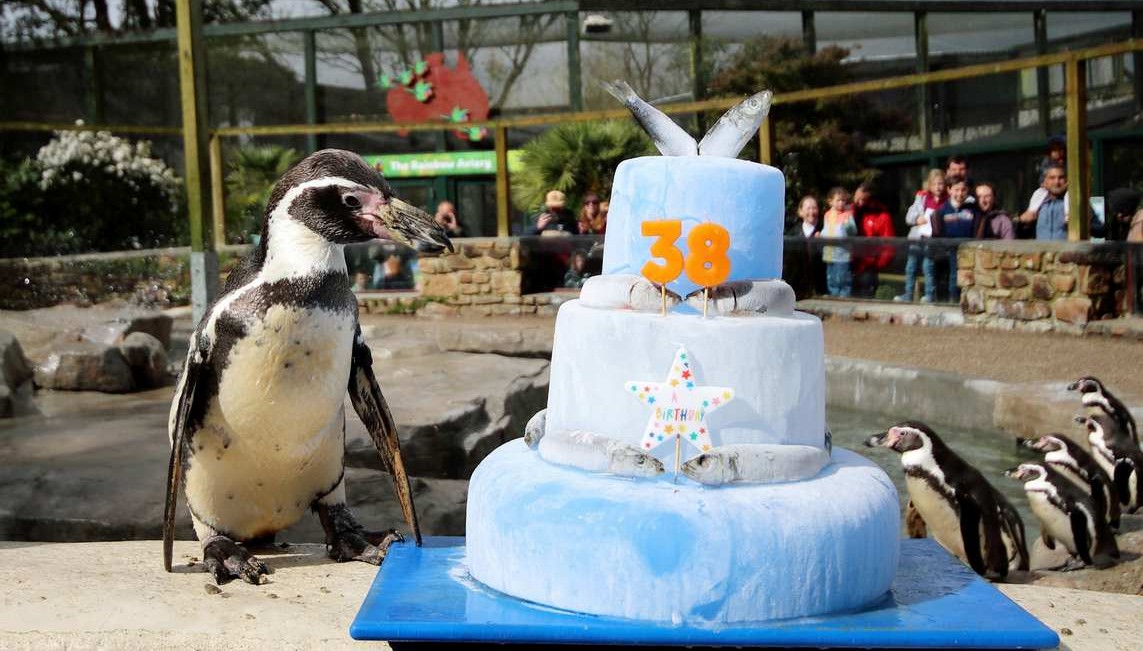
Spneb, a 38-year-old Humboldt penguin believed to be the oldest in the world, has just celebrated a very special birthday at Paradise Park in Cornwall, UK—with an ice “cake” topped with her favorite treat: fish. Her keepers, along with visitors and penguin fans around the globe, marked the occasion as a small but powerful piece of good news in a world that often feels heavy.
Named after the medication that once saved her life, Spneb’s story is about far more than a cute birthday photo; it’s a window into how modern animal care, science, and everyday kindness can add years—sometimes decades—to an animal’s life. Let’s look at what makes this bird so extraordinary, and what her journey can teach us about wildlife, resilience, and hope.
Why Spneb’s 38th Birthday Matters
Humboldt penguins in the wild typically live around 15–20 years, depending on conditions and threats such as climate change, overfishing, and habitat disruption. Even in high-quality zoos and sanctuaries, reaching the late 20s is notable. At 38, Spneb is an extreme outlier—something like meeting a human thriving at 120.
Her age reflects:
- Advances in veterinary medicine for birds and aquatic animals.
- Careful nutrition and enrichment that keep animals mentally and physically active.
- A dedicated team monitoring health changes early, before they become crises.
Who Is Spneb? A Penguin With a Life-Saving Name
Spneb isn’t just an unusual name—it’s a nod to the medical care that allowed her to survive a serious health challenge earlier in life. Keepers named her after the medication that proved pivotal in her recovery, turning what could have been a sad story into a decades-long relationship between bird and humans.
Over nearly four decades, Spneb has:
- Lived through multiple generations of penguins at Paradise Park.
- Become a familiar face for staff, volunteers, and regular visitors.
- Acted as an ambassador for her threatened species, helping raise awareness about conservation.
“Animals like Spneb show us what’s possible when you combine good science with everyday compassion. Her long life isn’t an accident—it’s the result of years of careful, attentive care.”
Inside Spneb’s 38th Birthday Party: Ice Cake and Fish Topping
To celebrate Spneb’s big day, keepers created an icy “cake” decorated with fish—a practical, penguin-friendly treat that doubles as enrichment. The ice helps keep the fish fresh and cool, while the unusual shape encourages the penguins to interact, explore, and forage in slightly different ways than usual feeding.

Visitors looked on as Spneb and her colony investigated the frosty centerpiece, with staff using the moment to talk about penguin biology, aging in animals, and the work involved in caring for older individuals.
How Does a Penguin Live to 38? Science, Safety, and Daily Care
While every animal is unique, several well-understood factors likely contributed to Spneb’s remarkable lifespan. Research on zoo-managed penguins and other seabirds points to a few key ingredients:
- Protected environment: No predators, controlled climate, and clean water reduce chronic stress and injury risk.
- Veterinary monitoring: Regular checkups, blood work, and early treatment for infections or age-related issues.
- Balanced diet: High-quality fish, carefully portioned to maintain a healthy weight and nutrient profile.
- Enrichment and social life: Opportunities to swim, explore, and interact with other penguins and keepers.
According to the Association of Zoos and Aquariums (AZA), animals in accredited facilities can live significantly longer than their wild counterparts when their physical, social, and mental needs are consistently met.
In other words, there’s no magic secret—just years of small, evidence-based decisions made by experienced caretakers.
The Special Needs of Senior Animals in Human Care
Like older humans, senior animals can develop arthritis, changes in vision or hearing, and shifts in weight and appetite. For a penguin like Spneb, that might mean:
- Smoother access to pools and resting platforms.
- Close observation of how easily she swims, eats, and interacts.
- Adjustments in diet texture or feeding routines if needed.
- Gentle handling during checkups to avoid unnecessary stress.

From Birthday Cake to Conservation: Why Humboldt Penguins Need Our Help
Humboldt penguins are classified as Vulnerable on the IUCN Red List, facing threats such as changing ocean temperatures, reduced fish stocks, guano harvesting (which destroys nesting sites), and human disturbance. Spneb’s long life in a safe environment is a stark contrast to the uncertainty many wild penguins face.
Zoos and parks like Paradise Park often contribute to:
- Breeding programs designed to maintain healthy, genetically diverse populations.
- Public education campaigns about ocean health and sustainable fishing.
- Funding and expertise for field projects that protect wild colonies.
Learn more about Humboldt penguin conservation from the IUCN Red List and organizations like the Penguins International.
How You Can Celebrate Spneb and Support Penguins Everywhere
You may never meet Spneb in person, but you can still turn her story into meaningful action. Here are realistic, science-backed ways to help:
- Choose sustainable seafood: Look for certifications like the Marine Stewardship Council (MSC) to reduce pressure on fish populations penguins rely on.
- Support reputable zoos and sanctuaries: Visit or donate to accredited institutions that participate in conservation and research.
- Reduce plastic use: Cutting single-use plastics helps lower the risk of marine pollution harming seabirds.
- Share positive stories: Sharing moments like Spneb’s birthday can counter “doom fatigue” and keep people engaged with conservation.

A Small Story With a Big Emotional Impact
For many people, hearing about Spneb’s 38th birthday is a bright spot in a busy or stressful day. It’s okay if a penguin party photo means more to you than a stack of scientific reports—that emotional connection is often what keeps us caring enough to act.
Animal carers often describe long-lived individuals like Spneb as “old friends.” Watching them age brings joy, worry, pride, and gratitude all at once. That mix of feelings is a reminder that good news in the animal world is rarely an accident; it’s the result of thousands of quiet, careful choices behind the scenes.
Closing Thoughts: From One Penguin’s Party to a Kinder Planet
Spneb’s fish-topped ice cake is more than just a charming headline from the Good News Network—it’s proof that when science, dedication, and compassion come together, lives can be longer and richer, even for a small seabird thousands of miles from its natural habitat.
You don’t need to work in a wildlife park to be part of that story. By making ocean-friendly choices, backing credible conservation work, and keeping room in your life for hopeful news, you help create a world where more animals—and people—get to enjoy long, well-cared-for lives.
The next time you see a birthday cake, you might just think of a 38-year-old penguin named Spneb—and remember that small, joyful milestones can be powerful fuel for bigger, lasting change.
