
Why Your TV Home Screen Is the Hottest Battleground in Tech Right Now
This long-form guide unpacks the forces behind subscription fatigue, the rise of ad‑supported tiers, smart TV operating system wars, AI‑driven discovery, and gaming integration—so you can understand where TV is heading and how it affects your choices as a viewer, creator, or marketer.
The “battle for the living room” is no longer just about who sells the biggest TV. It’s a complex rivalry over the operating systems that power smart TVs, the streaming apps that dominate our watch time, and the ad‑supported bundles that increasingly subsidize what used to be premium, ad‑free experiences. From Netflix and Disney+ pivoting toward ad tiers to Roku, Amazon, Google, Samsung, and LG fighting over the home screen, every click you make is now a data point in a high‑stakes platform war.
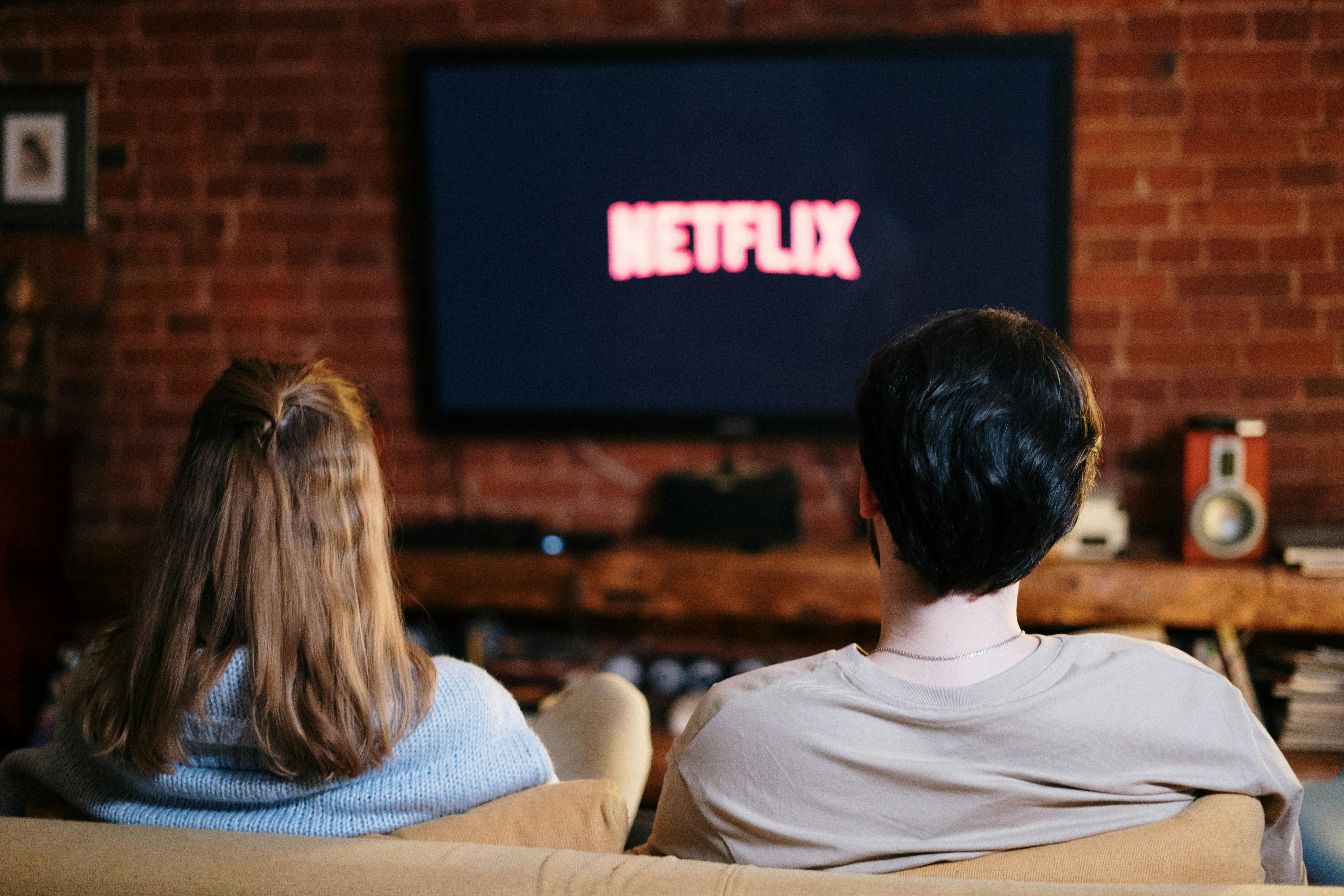
Mission Overview: Why the Living Room Matters Again
Living rooms are valuable because they aggregate time, attention, and purchasing power. In 2024–2026, media and tech outlets have increasingly framed TV’s evolution as a platform contest:
- Devices: Smart TVs, streaming sticks, consoles, and set‑top boxes.
- Services: SVOD (subscription video on demand), AVOD (ad‑supported video on demand), and hybrid services.
- Revenue: Subscription fees, targeted ads, in‑stream commerce, and data licensing.
Publications like The Verge and TechCrunch chronicle each quarterly earnings call as a new chapter in this battle, tracking churn, ad‑tier adoption, and device partnerships.
“The home screen is the new channel lineup,” notes streaming analyst Julia Alexander. “Whoever controls it controls discovery, engagement, and ultimately the economics of TV.”
From Subscriptions to Ads: The New Streaming Business Model
The first wave of streaming sold a compelling story: pay one fee, watch everything, skip the ads. That model is straining under cost pressures, slowing growth, and subscriber fatigue. The response: a pivot toward ad‑supported or hybrid plans.
Rise of Ad‑Supported Tiers
Since 2022–2025, Netflix, Disney+, Max, Peacock, and others have introduced cheaper ad‑supported tiers. Analysts and coverage in outlets like Variety highlight several patterns:
- Downgrade, don’t cancel: Price‑sensitive users move to ad tiers instead of leaving entirely, stabilizing subscriber counts.
- Higher revenue per user: For some services, ad‑tier users now generate revenue on par with or higher than ad‑free users thanks to premium ad pricing.
- Global expansion: Ad tiers are being rolled out market by market to align with local ad ecosystems and regulations.
“We see advertising as our next major growth engine,” Netflix co‑CEO Greg Peters told investors, underscoring the strategic pivot toward ad‑funded TV.
What Hybrid Models Look Like
The current landscape is best described as hybrid:
- Tiered access: Basic ad‑supported, standard ad‑light, and premium ad‑free options.
- Feature gating: Higher tiers may include 4K/HDR, more concurrent streams, or better download options.
- Targeted sponsorships: Brand takeovers of entire shows, interactive overlays, and QR‑code‑driven offers.
This hybridization blurs the line between “TV ad breaks” and “digital campaigns,” bringing digital performance metrics—click‑throughs, attribution models, and multi‑touch funnels—into the big‑screen world.
Smart TV Platforms: The Operating System Wars
On the hardware side, the fight is less about panel quality and more about the operating system (OS) that owns your home screen. Roku OS, Amazon Fire TV, Google TV/Android TV, Samsung Tizen, and LG webOS are all competing to be the default interface.
Why the Home Screen Is Strategic
When you turn on a modern smart TV, you rarely see a bare HDMI input. Instead you see a curated dashboard of apps, recommended shows, and ad placements. Controlling that layer allows platforms to:
- Prioritize certain apps: Promoting a preferred streaming service or their own FAST (free ad‑supported streaming TV) channels.
- Sell premium ad slots: Home screen banners, sponsored rows, and featured content tiles.
- Collect granular data: Viewership patterns, app usage, and even input switching behavior.
Reviews from outlets like TechRadar and Engadget increasingly critique not just image quality, but also privacy controls, app availability, and the aggressiveness of on‑screen advertising.
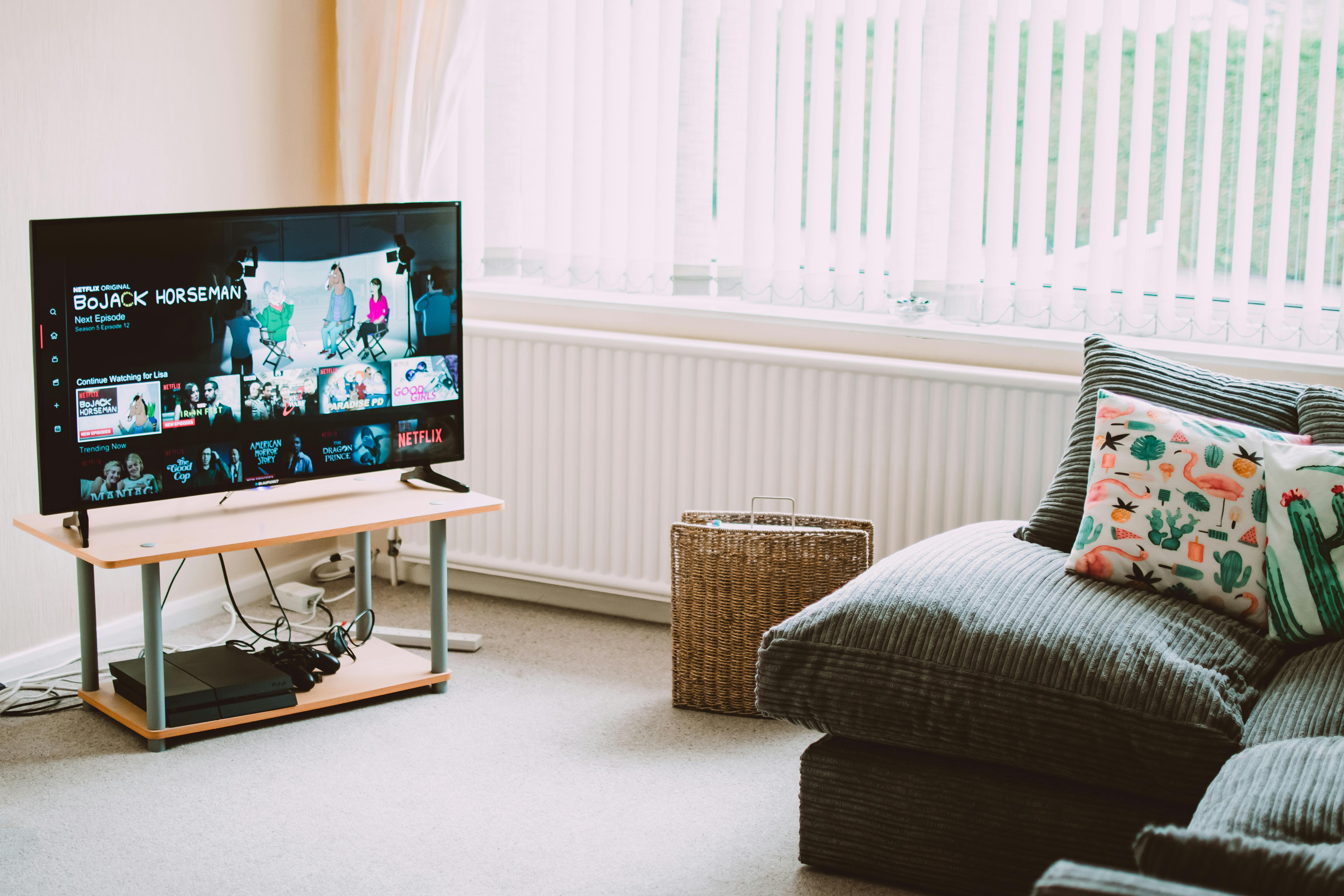
Privacy, Data, and Control
TV manufacturers and platform companies often collect data through technologies like Automatic Content Recognition (ACR), which can identify what’s playing on screen—even via HDMI inputs. This raises important questions:
- How is watch data combined with other user profiles for ad targeting?
- Are privacy settings and opt‑outs easy to find and understand?
- Do users truly control which apps and recommendations appear?
Regulators in the U.S. and EU have already fined some TV makers for opaque data practices, pushing the industry toward clearer disclosures and more robust consent mechanisms.
Bundling 2.0: From Cable Packages to Streaming Super‑Bundles
As stand‑alone subscription counts ballooned, consumers began to experience what commentators dubbed “subscription fatigue.” In response, platforms, telcos, and device makers are experimenting with new bundle strategies.
Types of Modern Bundles
- Telco + Streaming: Mobile and broadband carriers bundling Netflix, Disney+, or local services with connectivity plans.
- Inter‑service bundles: Joint offers (e.g., Hulu + Disney+ + ESPN+) or cross‑platform partnerships.
- Device‑centric bundles: Smart TVs and streaming sticks with promotional access to streaming services baked in.
Publications like Wired and the former Recode team (now at Vox/Recode) regularly question whether this represents genuine innovation or a familiar cable‑style lock‑in strategy rebranded for the app era.
“We’ve reinvented the bundle, but we haven’t reinvented the incentives,” one media strategist told Vox. “The goal is still to keep you in an ecosystem for as long—and as profitably—as possible.”
What This Means for Consumers
For viewers, the upside is lower effective prices and less billing friction. The downside is complexity and potential lock‑in. Practical tips include:
- Track which bundles auto‑renew and how discounts change after promo periods.
- Favor bundles that remain device‑agnostic so you’re not locked to one hardware brand.
- Periodically audit unused services; churn can still be an effective lever to manage costs.
Technology: AI, Discovery Engines, and Personalized TV
Under the hood, the battle for the living room is increasingly a battle of algorithms. AI now shapes what you see, how it’s presented, and even how content is created or summarized.
Recommendation Systems and Ranking
Modern TV UIs are algorithmically curated from top to bottom:
- Personalized rows: “Because you watched…,” “Top picks for you,” and genre‑based carousels.
- Context‑aware suggestions: Time‑of‑day, device usage, and household viewing patterns influence recommendations.
- Cross‑service aggregation: Some platforms overlay recommendations across multiple apps, steering you without opening each one.
AI researchers and product teams often draw on advances in deep learning, collaborative filtering, and reinforcement learning to continuously tune these systems. For background, see work by researchers like Xavier Amatriain and papers discussed in venues such as ACM RecSys.
AI‑Generated Summaries and Trailers
A newer frontier is AI‑assisted content packaging:
- Automatic highlight reels for sports and live events.
- AI‑generated plot summaries and mood tags.
- Dynamic trailers tailored to different audience segments.
While these features are still emerging, they’re widely tracked in tech and media circles as part of a shift toward heavily curated, “lean‑back” experiences, where users spend less time searching and more time watching.

Voice Assistants and Ambient Control
Voice control has shifted from novelty to core interface on many platforms:
- Search by title, actor, genre, or natural‑language queries (“Show me feel‑good comedies”).
- Smart‑home integration via Alexa, Google Assistant, or proprietary assistants baked into TVs.
- Accessibility features such as voice navigation, text‑to‑speech menus, and audio descriptions.
From an accessibility standpoint, these features align with WCAG 2.2 goals by offering alternative input methods and multimodal interaction, beneficial for users with mobility or visual impairments.
Gaming and Interactivity: The TV as a General‑Purpose Hub
The living room battleground isn’t only about passive video. Gaming and interactive experiences are increasingly front‑and‑center on smart TVs.
Cloud Gaming on the Big Screen
Cloud gaming services and game streaming apps now appear alongside Netflix and YouTube on many smart TV home screens. Key technical variables include:
- Bandwidth: Stable, high‑throughput connections to support 1080p or 4K game streams.
- Latency: End‑to‑end lag must be minimized to maintain responsiveness.
- Controller support: Bluetooth and USB compatibility, plus OS‑level input APIs.
Publications like The Verge (Games) and Eurogamer discuss whether TV OSes will become as important to gaming subscription services as consoles and PCs.
Interactive and Shoppable Content
Another dimension is interactivity fused with commerce and storytelling:
- Choose‑your‑own‑adventure narratives where viewers select paths.
- On‑screen overlays that link directly to product pages or QR codes.
- Live‑shopping streams that blend influencer content with one‑click purchasing.
This transforms the TV from a passive screen into a transactional surface, especially as advertisers seek measurable outcomes beyond awareness.
Choosing Hardware in a Fragmented Ecosystem
For consumers, the expanding device landscape can be confusing. Choosing a smart TV or streaming stick increasingly means choosing a long‑term ecosystem.
Key Considerations for Buyers
- OS ecosystem: Does it support the apps you care about, and how often is it updated?
- Privacy controls: Are data‑collection options clearly described and easy to opt out of?
- Ad load: How aggressive are home screen promos and system‑level ads?
- Performance: Is the UI snappy, and does it handle 4K HDR smoothly?
- Accessibility: Support for screen readers, high‑contrast modes, captions, and audio description.
If you are looking for a reliable, streaming‑focused 4K stick in the U.S. market, products like the Amazon Fire TV Stick 4K are frequently recommended for their app support, strong Wi‑Fi, and mature voice remote integration.

Scientific and Industry Significance: Data, Attention, and Economics
Beyond consumer convenience, the living room battle has deeper scientific and economic dimensions. It intersects with:
- Human‑computer interaction (HCI): How people navigate content‑dense interfaces and balance control with automation.
- Behavioral economics: How pricing, bundles, and interface nudges affect subscription decisions.
- Data science: Large‑scale analysis of viewing patterns and ad effectiveness.
“Television has become one of the richest behavioral datasets in existence,” notes a senior data scientist at a major streamer. “Every scroll, every pause, every binge session informs not just recommendations, but content investment decisions.”
This feedback loop—data → recommendations → viewing behavior → new data—accelerates changes in programming, genre trends, and even production budgets, as evidenced by detailed analyses in outlets like Parrot Analytics.
Key Milestones in the Battle for the Living Room
The evolution of TV into a software‑defined, ad‑supported ecosystem has unfolded through a series of milestones over the past decade.
Selected Timeline
- Early 2010s: Smart TVs ship with basic app stores; streaming sticks gain traction.
- Mid‑2010s: Netflix and others go global; cord‑cutting accelerates; early originals drive subscription booms.
- Late 2010s: TV manufacturers emphasize their own OSes and ad platforms.
- 2020–2022: Pandemic streaming surge; multiple new entrants (Disney+, Max, Paramount+); intense competition.
- 2022–2025: Broad shift to ad‑supported tiers; smart TV OS wars intensify; early AI‑generated content experiences.
- 2025–2026: Consolidated bundles, deeper gaming integration, and more sophisticated cross‑app search and discovery layers.
Each phase has brought the industry closer to today’s reality: a converged environment where TV, digital ads, AI, and cloud services are tightly interwoven.
Challenges: Fragmentation, Privacy, and Attention Overload
Despite rapid innovation, the living room ecosystem faces several serious challenges that researchers, regulators, and industry leaders are still grappling with.
1. Fragmentation and Interoperability
App availability, features, and performance differ significantly between devices. This leads to:
- Inconsistent user experiences across rooms and households.
- Content exclusivity that forces device or service switching.
- Complex app certification and development overhead for providers.
2. Privacy, Surveillance, and Data Governance
With ads now central to revenue, the incentive to collect and monetize data increases. Concerns include:
- ACR‑based tracking of what users watch, including via external devices.
- Opaque data‑sharing arrangements between TV makers, advertisers, and data brokers.
- Potential security vulnerabilities in under‑maintained or low‑cost smart TV models.
Regulators and advocacy groups (e.g., EFF, privacy watchdogs in the EU and U.S.) continue to push for stronger disclosure, consent, and on‑device security.
3. Attention and Well‑Being
Recommendation engines maximize engagement, not necessarily well‑being. There is growing debate, including on forums like LinkedIn’s streaming media discussions, about:
- Binge‑watching and sleep disruption.
- Algorithmic echo chambers in news and opinion content.
- Screen‑time management for families and children.
Some platforms now experiment with “are you still watching?” prompts, time caps for kids’ profiles, and wellness‑oriented content rows, but these remain early steps.
Practical Tips: Navigating the New Living Room
Whether you’re a viewer, creator, or marketer, there are concrete steps you can take to navigate this evolving landscape more intelligently.
For Viewers and Families
- Use profile features to separate adult, teen, and kids’ viewing and recommendations.
- Periodically review privacy settings and disable ACR if you’re uncomfortable with cross‑app tracking.
- Bundle selectively and set calendar reminders for promo‑period expirations.
- Leverage accessibility features like caption presets, audio description, and voice navigation.
For Creators and Media Professionals
- Design content with multiple ad formats in mind (pre‑roll, mid‑roll, sponsorships).
- Optimize thumbnails and metadata for recommendation engines and cross‑app search.
- Study analytics dashboards carefully to understand how different platforms surface your content.
For Advertisers and Brands
- Balance reach and frequency; use frequency caps to avoid viewer fatigue.
- Experiment with interactive and shoppable formats that offer measurable outcomes.
- Stay aligned with privacy regulations and adopt privacy‑by‑design principles in measurement.
Conclusion: The Future of the Living Room
The living room has become a microcosm of larger digital trends: platformization, data‑driven personalization, subscription‑plus‑ad business models, and AI‑mediated discovery. The contest between streaming services, smart TV OS vendors, and advertisers will continue to intensify as each seeks to deepen its hold on attention and data.
For consumers, the stakes are more than just which show to watch tonight. They involve questions of digital autonomy, privacy, and the long‑term shape of media ecosystems. For industry players, the winners will be those who can align compelling experiences with sustainable economics and responsible data practices.
As the 2026 landscape unfolds—with broader AI integration, more sophisticated bundles, and deeper gaming and interactive layers—the smartest approach is to stay informed, remain intentional about your choices, and treat your TV not as a black box, but as a powerful, configurable computing platform in the heart of your home.
Further Learning and Useful Resources
To dive deeper into how streaming, smart TVs, and ad‑supported bundles are evolving, consider exploring:
- Streaming Media’s YouTube channel for conference talks and expert panels on OTT technology and business models.
- Analyst coverage and explainers from The Verge: Streaming and TechCrunch Streaming.
- Insights from industry experts like Julia Alexander on LinkedIn, who frequently analyzes streaming strategy and bundling trends.
- Consumer‑oriented how‑tos on sites like CNET Home Entertainment, which explain practical device and service choices in plain language.
References / Sources
Selected sources and ongoing coverage useful for staying current:
