
Why Tirzepatide Is Redefining Heart Health and Weight Loss: What the New Studies Really Mean for You
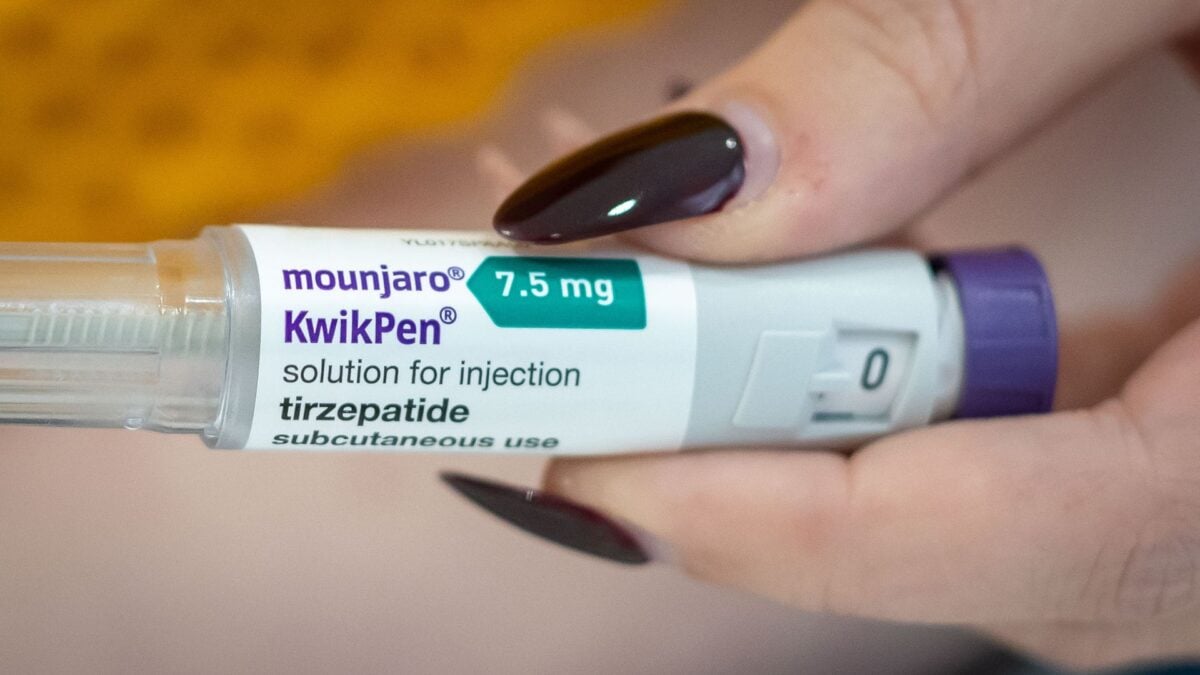
Tirzepatide—the active ingredient in the blockbuster medications Zepbound (for weight loss) and Mounjaro (for type 2 diabetes)—is having a moment. New research published in 2026 suggests that this drug may do more than help people lose weight or control blood sugar: it may also significantly reduce the risk of heart disease in people who are already at high risk.
If you’re living with obesity, prediabetes, or type 2 diabetes, you’ve probably heard the buzz around “GLP‑1 drugs.” It can feel overwhelming: dramatic before‑and‑after photos, bold headlines, and conflicting advice from friends and social media. At the same time, you may just want clear, honest answers: Does this really help? Is it safe? Is it for me?
In this guide, we’ll unpack what tirzepatide is, what the latest studies on heart disease actually show, who might benefit, and how to have a grounded, productive conversation with your healthcare provider. No hype—just what we know so far, what we don’t, and practical steps you can take.
“We’re entering a new era where treating obesity and diabetes can also mean meaningfully lowering cardiovascular risk. Tirzepatide is one of the most impressive examples so far—but it’s still not a magic bullet.”
— Cardiometabolic specialist, 2026 conference commentary
The Bigger Picture: Obesity, Diabetes, and Heart Disease Risk
Heart disease remains the leading cause of death worldwide. People with obesity, insulin resistance, or type 2 diabetes live with a significantly higher risk of:
- Heart attacks and strokes
- Heart failure
- Kidney damage
- Peripheral artery disease (reduced blood flow to legs and feet)
Traditionally, we’ve tackled this risk with lifestyle changes (nutrition, movement, sleep), blood pressure medications, statins, and glucose‑lowering drugs. GLP‑1–based medications added a powerful new tool by helping with both blood sugar and weight.
Tirzepatide belongs to this newer generation—but with a twist that may explain why the latest trials look so promising for heart protection in high‑risk groups.
What Is Tirzepatide, and How Is It Different from Other GLP‑1 Drugs?
Tirzepatide is a once‑weekly injectable medication approved for:
- Type 2 diabetes (brand name: Mounjaro)
- Chronic weight management in people with obesity or overweight plus at least one weight‑related condition (brand name: Zepbound)
Many GLP‑1 drugs (like semaglutide, used in Ozempic and Wegovy) work by mimicking a hormone called GLP‑1 (glucagon‑like peptide‑1). GLP‑1:
- Helps the pancreas release insulin when blood sugar rises
- Slows stomach emptying so you feel fuller longer
- Acts on the brain to reduce appetite
Tirzepatide is a bit different. It’s a dual agonist, meaning it activates two hormone receptors:
- GLP‑1 receptor
- GIP (glucose‑dependent insulinotropic polypeptide) receptor
By targeting both GLP‑1 and GIP, tirzepatide seems to:
- Lower blood sugar more strongly than many older diabetes medications
- Produce substantial weight loss in many patients
- Improve several cardiometabolic risk markers (like waist circumference and certain cholesterol measures)

The 2026 Research: How Tirzepatide May Protect the Heart
According to coverage in Gizmodo and early 2026 scientific reports, two new studies have sharpened the picture of how tirzepatide affects heart disease risk in people who already have significant risk factors. While details will continue to evolve as full peer‑reviewed data become available, here is what the current evidence suggests.
1. Reduced Major Cardiovascular Events in High‑Risk Groups
In people with obesity or type 2 diabetes who already had cardiovascular disease or multiple risk factors, tirzepatide treatment was associated with a lower risk of so‑called major adverse cardiovascular events (MACE), such as:
- Heart attack (myocardial infarction)
- Stroke
- Cardiovascular‑related death
Early data indicate that the relative risk reduction in these high‑risk populations is clinically meaningful, and in some analyses, comparable to or greater than what’s been seen with certain statins and GLP‑1–only medications. However, these comparisons are indirect and should be interpreted cautiously.
2. Beyond Weight Loss: Metabolic and Vascular Benefits
The heart benefits do not appear to be explained by weight loss alone. The studies suggest tirzepatide can also:
- Lower systolic blood pressure by a modest but meaningful amount
- Improve some cholesterol markers (like triglycerides and non‑HDL cholesterol)
- Reduce markers of systemic inflammation, which are linked to atherosclerosis
This combination—less visceral fat, better glycemic control, lower blood pressure, and improved lipids—creates a more favorable cardiovascular risk profile.
“The tirzepatide data strengthen the idea that aggressive treatment of obesity and diabetes can double as aggressive prevention of heart disease in people at high risk.”
— Commentary based on early 2026 cardiovascular outcomes data
How Might Tirzepatide Protect the Heart? (What We Think So Far)
Researchers are still piecing together the exact mechanisms, but several plausible pathways have emerged based on earlier GLP‑1 trials and preclinical work on tirzepatide:
- Less visceral fat and liver fat
Visceral fat (the fat around your organs) and fatty liver are strongly linked to insulin resistance and cardiovascular disease. Tirzepatide’s impact on weight and waist circumference appears particularly strong, which can lower these risks. - Improved glycemic control
More stable blood sugar levels reduce damage to blood vessels and nerves over time. - Lower blood pressure
Even modest reductions in blood pressure over years can meaningfully cut stroke and heart attack risk. - Better lipids and less inflammation
Some data show improvements in triglycerides and inflammatory markers, which may translate into slower plaque buildup in arteries. - Direct effects on blood vessels
GLP‑1 receptors are present in blood vessels and the heart. Activation may improve endothelial function (how well blood vessels dilate and constrict), though this is still being investigated for tirzepatide specifically.
Who Might Benefit Most from Tirzepatide for Heart Protection?
Based on current approvals and the populations studied in recent trials, the people most likely to benefit from tirzepatide include those who:
- Have type 2 diabetes, especially with additional risk factors like high blood pressure, high cholesterol, or smoking history
- Live with obesity or overweight plus a weight‑related condition (such as sleep apnea, hypertension, or prediabetes)
- Already have established cardiovascular disease (prior heart attack, stroke, or known coronary artery disease) and need better weight and metabolic control
For lower‑risk individuals seeking modest weight loss for aesthetic reasons, the risk–benefit equation is different. The drug may still work for weight loss, but the long‑term safety, cost, and side effect profile must be weighed carefully—and heart protection cannot be assumed.
“We know these drugs can be transformative for people with type 2 diabetes and high cardiovascular risk. For relatively healthy people with only mild overweight, we need more long‑term data before we treat them like a routine option.”
— Academic endocrinologist, interview summary
A Real‑World Story: From “Just Managing” to Lower Heart Risk
Consider “James,” a 57‑year‑old with type 2 diabetes, high blood pressure, high cholesterol, and a previous minor heart attack. For years, his A1c hovered around 8.2%, his BMI stayed near 35, and he struggled to maintain weight loss despite multiple attempts. His cardiologist was worried: each year of poorly controlled diabetes and excess visceral fat raised his chance of another, possibly more serious event.
After a shared decision‑making discussion, James’s care team added tirzepatide to his regimen, alongside ongoing statins, blood pressure medications, and a structured nutrition and walking program.
- Over 12–18 months, he lost about 18% of his body weight.
- His A1c dropped to 6.7%.
- His blood pressure improved enough to lower one of his medications.
- Follow‑up imaging suggested modest but encouraging stabilization of his coronary artery disease.
James’s experience mirrors what many clinicians are seeing: when used thoughtfully in high‑risk patients, tirzepatide can shift the whole cardiometabolic landscape. It’s not a cure, and he still needs regular monitoring and lifestyle support—but his trajectory looks very different than it did a few years ago.

Side Effects, Risks, and Limitations: What the Headlines Don’t Tell You
Despite the impressive data, tirzepatide is not risk‑free, and it isn’t appropriate for everyone. Some of the most important considerations include:
Common Side Effects
- Nausea, vomiting, or diarrhea (especially during dose increases)
- Constipation or abdominal discomfort
- Decreased appetite, which can be intense for some users
- Fatigue, dizziness, or mild headaches
Less Common but Serious Risks
- Gallbladder issues (including gallstones)
- Pancreatitis (inflammation of the pancreas)
- Rare allergic reactions
- Possible risk in people with a personal or family history of certain thyroid cancers (like medullary thyroid carcinoma), based on animal data with GLP‑1 drugs
Practical Limitations
- Cost and insurance coverage can be major barriers, especially when the medication is used primarily for weight management rather than diabetes.
- Long‑term safety data (beyond several years) are still emerging.
- Injection burden: it’s a weekly injection, which some people find difficult or emotionally challenging.
Thinking About Tirzepatide? How to Talk with Your Doctor
If the new research has you wondering whether tirzepatide could help protect your heart and improve your metabolic health, consider using this step‑by‑step approach with your healthcare provider:
- Clarify your main goal.
Are you primarily concerned about preventing heart disease, improving diabetes control, losing weight, or all of the above? Your goals influence the risk–benefit calculation. - Ask about your current cardiovascular risk.
Request an assessment that includes blood pressure, cholesterol, A1c (if relevant), smoking status, family history, and, when appropriate, additional testing like coronary calcium scoring. - Review your full medication list.
Some medications might be adjusted or simplified if tirzepatide is added, while others (like statins) will usually remain essential. - Discuss eligibility and contraindications.
Ask directly: “Based on my history, am I a candidate for tirzepatide or another GLP‑1–based medication? Are there any reasons you’d advise against it?” - Talk side effects, monitoring, and follow‑up.
Plan for how you’ll handle gastrointestinal side effects, how often labs will be checked, and when you’ll reassess whether the medication is worth continuing. - Address insurance and cost up front.
Coverage can be very specific—diabetes vs. weight‑loss indications, documentation of prior attempts, and more. Ask your clinic if they can help with prior authorization or patient‑assistance programs.

Medication Plus Lifestyle: A Powerful Combination for Heart Health
Even the best GLP‑1 drug on the market can’t replace the fundamentals of heart health. What it can do is make those fundamentals more achievable—by reducing hunger, stabilizing blood sugar, and sometimes improving pain and energy levels.
Evidence‑based lifestyle strategies that pair well with tirzepatide (or any cardiometabolic treatment) include:
- Nutrition: Emphasize whole foods, fiber, lean proteins, and healthy fats. Mediterranean‑style and DASH‑style patterns are especially heart‑friendly.
- Movement: Aim for at least 150 minutes of moderate activity per week (like brisk walking), plus 2–3 days of resistance training, adjusted to your capacity.
- Sleep: Protect 7–9 hours per night. Poor sleep worsens insulin resistance and hunger hormones.
- Stress management: Chronic stress can raise blood pressure and blood sugar. Techniques like breathing exercises, mindfulness, or counseling can help.
- No smoking or vaping: This is one of the single most powerful ways to cut heart risk.
Where to Learn More (Evidence‑Based Resources)
For deeper dives into GLP‑1/GIP medications, heart disease prevention, and obesity treatment, these reputable resources are a good starting point:
The Bottom Line: Powerful, Promising—But Not Magic
The latest 2026 data suggest that tirzepatide is not just a powerful diabetes and weight‑loss medication—it may also be a significant new tool for keeping heart disease at bay in people who are already at high risk. By improving weight, blood sugar, blood pressure, and other risk markers, it appears to nudge the odds in your favor.
At the same time, it’s not a cure‑all. It comes with side effects, cost challenges, and unanswered questions about long‑term use, especially in younger or lower‑risk individuals. Most importantly, it works best alongside—not instead of—heart‑healthy habits and other proven therapies.
If you’re curious whether tirzepatide or another GLP‑1–based drug is appropriate for you, consider this your next step:
Schedule a dedicated visit with your healthcare provider to review your cardiovascular risk, your goals, and all your options—including but not limited to GLP‑1/GIP medications.
You deserve a plan that’s tailored to your body, your risks, and your life—not just the latest headline.
